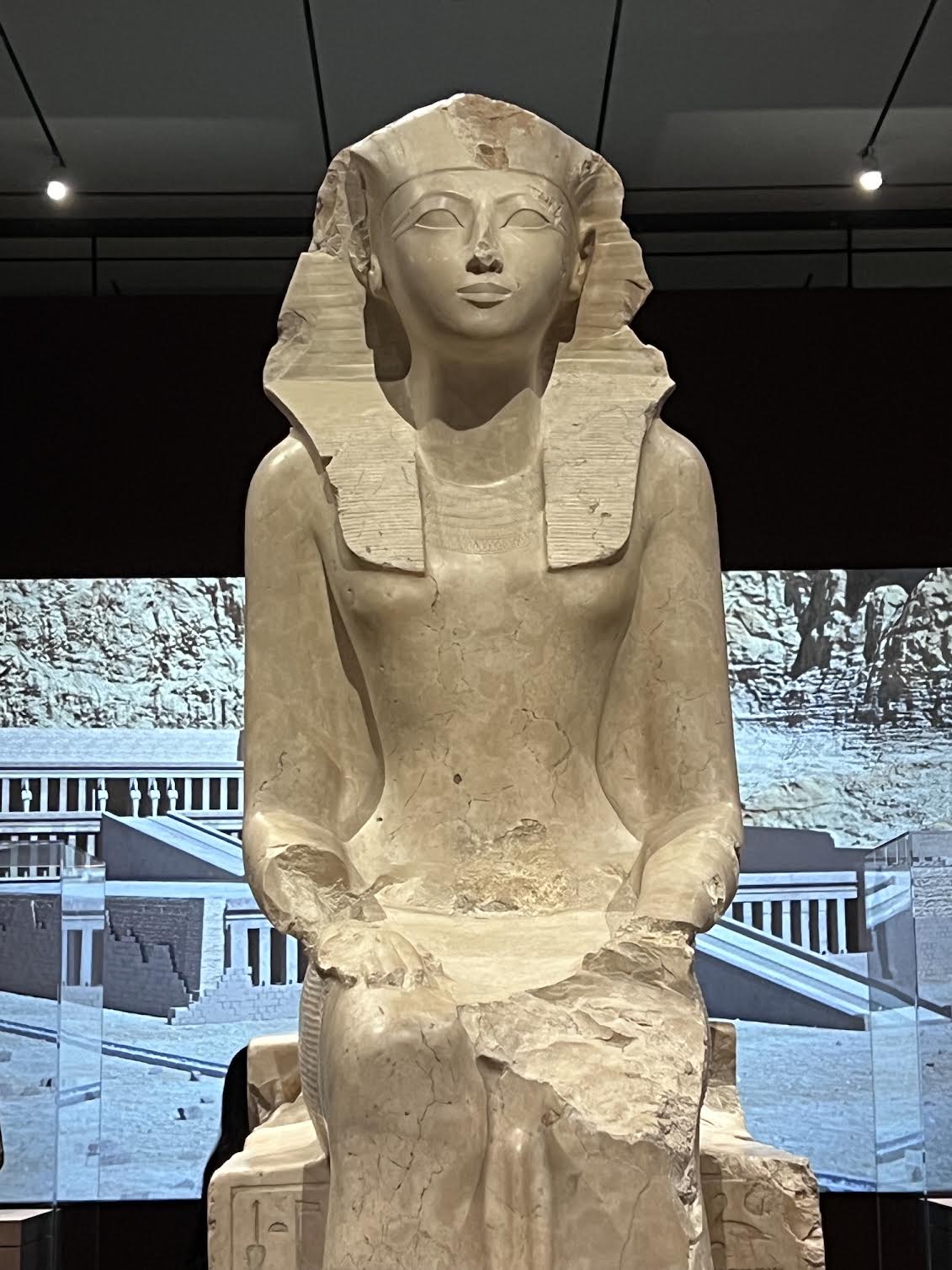
The Museum of Fine Arts (MFA) in Boston has long stood as a preeminent cultural institution dedicated to preserving and exhibiting the breadth of human creativity across millennia. Among its most compelling offerings, the specialized exhibition Maverick Kings: Ancient Egyptian Pharaohs has captivated historians, classicists, and museum-goers alike. By focusing on the unconventional rulers, revolutionary periods, and dynamic shifts in power that disrupted the traditional dynastic narrative of ancient Egypt, this exhibit offers a fresh lens through which to view one of history’s most thoroughly studied civilizations.
Ancient Egypt is frequently romanticized through its monumental architecture and the unbroken lineages of its most famous monarchs, such as Hatshepsut, Akhenaten, and Ramesses II. However, Maverick Kings goes beyond the standard chronological textbooks to spotlight figures who challenged political orthodoxy, initiated radical religious reforms, or steered the Nile Valley through unprecedented geopolitical crises. This comprehensive review examines the structural layout of the exhibition, the socio-historical weight of the artifacts on display, and the broader implications of presenting these "maverick" monarchs to modern audiences. Furthermore, this report contextualizes the MFA’s showcase within the wider landscape of contemporary museum curation, educational outreach, and children’s literature, highlighting how institutions foster lifelong engagements with antiquity.
Detailed Chronology: Unveiling the Pharaohs Who Broke the Mold
To fully appreciate the narrative arc constructed by the curators at the Museum of Fine Arts Boston, one must trace the chronological milestones that defined ancient Egypt’s periods of disruption. The exhibition is thoughtfully divided into key epochs, each characterized by a distinct sovereign or ruling faction that refused to conform to the traditional divine kingship paradigm.
The Old Kingdom Fractured: Rise of the Regional Nomarchs
The narrative begins well before the New Kingdom glamour, diving into the First Intermediate Period. For centuries, the centralized authority of Memphis maintained absolute control under the divine mandate of the pharaoh. However, environmental shifts, economic strain, and overextended bureaucracy led to the collapse of the Old Kingdom.
The Shift:Maverick Kings highlights the localized rulers—the nomarchs—who seized power in their respective provinces. Rather than depicting this era solely as a "dark age" of chaos, the exhibit presents it as a time of vibrant regional art and decentralized governance where local leaders acted as kings in all but name.
Artifact Highlights: Stelae and burial goods from provincial tombs reveal a departure from standardized royal workshops, showcasing raw, expressive local craftsmanship that speaks to an era of individualistic assertion.
The Amarna Heresy: Akhenaten and Nefertiti’s Monotheistic Revolution
No exhibition focusing on unconventional Egyptian rulers would be complete without examining the Eighteenth Dynasty’s most notorious disruptor: Pharaoh Akhenaten (formerly Amenhotep IV).
The Religious Upheaval: Abandoning the traditional pantheon headed by Amun, Akhenaten dismantled the powerful priesthoods of Thebes, closed ancient temples, and forced a radical shift toward monotheistic devotion centered exclusively on the Aten, the sun disk. He relocated the capital to Akhetaten (modern-day Amarna), sparking a cultural and artistic revolution.
Artistic Realism: The MFA’s display captures the striking visual departure of the Amarna period. Statuary from this era abandons the idealized, timeless physiques of traditional pharaohs in favor of elongated limbs, expressive facial features, and intimate domestic scenes depicting Akhenaten, Nefertiti, and their daughters bathing in the rays of the Aten. Visitors are invited to analyze whether this stylistic shift was a reflection of the pharaoh’s actual physical anomalies or a deliberate theological statement on human vulnerability before the divine.
The Kushite Renaissance: The Black Pharaohs of the Twenty-Fifth Dynasty
One of the most enlightening segments of Maverick Kings sheds light on the Twenty-Fifth Dynasty, a period when rulers from the Kingdom of Kush (modern-day Sudan) conquered and unified Egypt, restoring its ancient glory while preserving their distinct Nubian heritage.
Reclaiming the Crown: Figures like Pharaoh Piye and Taharqa marched north to rescue a fractured Egypt from foreign and domestic strife. Once enthroned, they styled themselves as traditional pharaohs, repairing neglected temples and reviving ancient religious texts, yet they retained distinct elements of Kushite iconography, such as the double uraeus (serpent) on their crowns and the close-cropped caps worn by Kushite warriors.
Historical Correction: The exhibition successfully challenges Eurocentric historical biases that historically marginalized the contributions of these southern rulers, positioning the Twenty-Fifth Dynasty not as an occupation, but as a cultural renaissance that revitalized a declining Egyptian state.
Supporting Context & Metrics: Attendance, Curation, and Educational Impact
Exhibitions of this magnitude do not emerge in a vacuum; they are the result of years of meticulous conservation, international loan negotiations, and data-driven visitor engagement strategies.
Curatorial Methodology and Conservation Science
The MFA’s Egyptian collection is world-renowned, largely due to the historic excavations conducted jointly with Harvard University. For Maverick Kings, curators integrated pieces from the museum’s permanent vaults with high-profile international loans.
Non-Invasive Analysis: Modern conservation techniques—including X-ray fluorescence (XRF), CT scanning, and multispectral imaging—were utilized to prepare the artifacts. These technologies revealed ancient repair work, trace pigments of original polychromy on stone statues, and hidden inscriptions that shed light on how subsequent dynasties attempted to chisel away the names of these "maverick" rulers in acts of damnatio memoriae.
Visitor Demographics and Economic Footprint
Initial metrics released by the MFA indicate robust public interest:
Attendance Projections: The exhibition drew an average of 4,500 visitors per week during its peak months, with weekend time slots selling out weeks in advance.
Educational Reach: Over 125 school groups from across the New England region participated in guided tours, aligning with state educational frameworks on world history and ancient civilizations.
Digital Engagement: The MFA’s promotional video content, including virtual walkthroughs and curator-led talks, garnered over 150,000 views across digital platforms, expanding the exhibit’s reach far beyond physical attendees.
Official Statements and Curatorial Insights
In conjunction with the launch of Maverick Kings: Ancient Egyptian Pharaohs, museum leadership and lead curators released statements underscoring the philosophical framework behind the exhibition.
Dr. Elena Vance, Senior Curator of Egyptian Art at the MFA, noted during the opening symposium:
"When we think of ancient Egypt, we often default to a monolith of golden masks and eternal stability. But human history is messy, ambitious, and deeply contested. The pharaohs featured in this exhibition were innovators, rebels, and survivors. By examining their deviations from the norm, we gain a much richer, more human understanding of a civilization that spanned over three millennia. They weren’t just gods on earth; they were politicians navigating crises of legitimacy, economics, and faith."
Marcus Sterling, Director of Public Programs at the museum, emphasized the accessibility of the showcase:
"Our goal with Maverick Kings was to dismantle the intimidation factor often associated with antiquities museums. History is a story of dynamic personalities. Whether through interactive digital displays mapping the Amarna city grid or family-friendly resource guides, we wanted every visitor—from the seasoned Egyptologist to a child visiting an art museum for the very first time—to find a point of personal connection with these ancient leaders."
Future Outlook: Legacy, Restitution, and Ongoing Research
As Maverick Kings: Ancient Egyptian Pharaohs concludes its run at the Museum of Fine Arts Boston, its broader ripples will continue to influence museum studies, global antiquities stewardship, and educational programming.
The Conversation Surrounding Provenance and Restitution
The international dialogue regarding the provenance of antiquities remains a defining issue for institutions holding ancient Egyptian artifacts. Exhibitions like Maverick Kings prompt renewed discussions regarding ethical stewardship, transparency in acquisition histories, and collaborative partnerships between source nations (such as Egypt and Sudan) and Western museums. Moving forward, major institutions are increasingly expected to pioneer provenance research that respects cultural heritage and fosters equitable academic exchanges.
The Intersection of Antiquity and Digital Humanities
The success of the MFA’s multimedia integration—combining physical artifacts with digital reconstructions—signals a permanent shift in how museums will curate history. Future iterations of ancient history exhibits are projected to lean heavily into augmented reality (AR), allowing visitors to virtually walk through the temples of Akhenaten or witness the coronation rites of the Kushite kings in real-time 3D environments.
Continuing the Educational Journey
For educators, parents, and lifelong learners inspired by the exhibition, the curiosity sparked by the pharaohs does not have to end at the museum exit. The integration of ancient history with accessible children’s literature, teacher guides, and interdisciplinary art projects ensures that the legacy of these maverick rulers will continue to inspire the next generation of historians, thinkers, and creators. Whether through exploring foundational texts on ancient civilizations or engaging with contemporary narratives of social justice and innovation, the lessons of the past remain vibrantly alive in the present.











Comments
Facebook App ID not configured. Please add it in the Customizer.