
Executive Overview
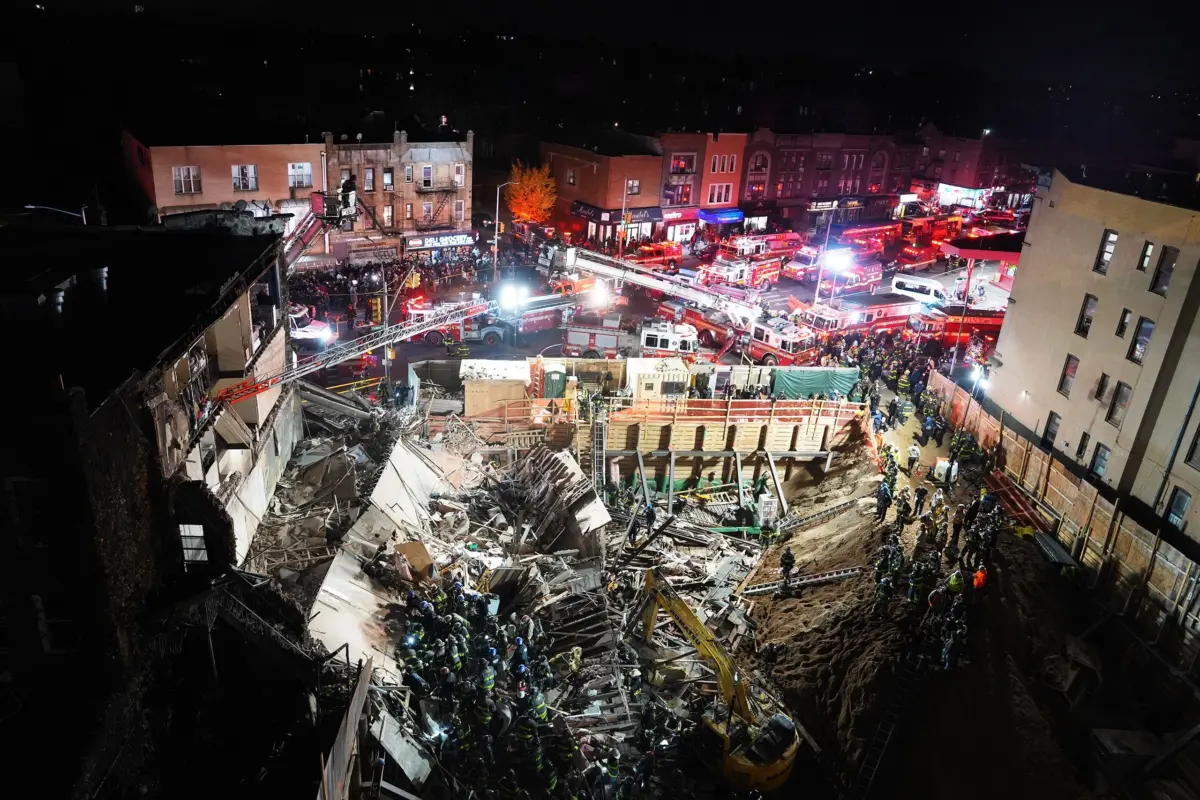
On a rain-slicked stretch of Flatbush Avenue in Brooklyn, a three-story residential and commercial building stood for nearly a century before crumbling into a heap of brick, twisted steel, and splintered timber. The sudden collapse of 1321 Flatbush Avenue left eight people dead—including a nine-year-old girl and a ten-year-old boy—and nearly twenty others injured, among them four New York City firefighters.
The catastrophic structural failure, which occurred on a holiday afternoon when many residents were at home, has ignited an intense municipal investigation into urban development oversight, aggressive neighborhood gentrification, and landlord accountability. The tragedy occurred adjacent to an active deep-excavation construction site where developers were preparing to erect a nine-story mixed-use building. The site had a history of safety infractions and municipal stop-work orders.
This calamity is not an isolated incident but rather the latest in a troubling pattern of structural failures across New York City’s aging building stock. As urban densities increase and developers push deeper into historic working-class neighborhoods, the disaster at 1321 Flatbush Avenue exposes a critical friction point: the intersection of century-old architecture, predatory real estate practices, aggressive foundation excavation, and struggling regulatory enforcement.
Read Also
                                  DISASTER SUMMARY
┌──────────────────────────────────────────────────────────────────────────────────┐
│ Location:          1321 Flatbush Avenue, Brooklyn, NY (Built 1930)              │
│ Incident Date:     Wednesday afternoon (Veterans Day holiday)                   │
│ Fatalities:        8 (including children aged 9 and 10)                          │
│ Injuries:          Nearly 20 (including 4 FDNY firefighters)                     │
│ Primary Factor:    Foundation excavation at adjacent development site            │
│ Contributing:      Pre-existing code violations, severe rain destabilization    │
└──────────────────────────────────────────────────────────────────────────────────┘
Detailed Chronology
Day One: The Collapse and Immediate Search (Wednesday)
The disaster unfolded on Veterans Day, a timing that proved tragically consequential. Because city schools and many businesses were closed, residential occupancy within the building’s upper apartments was far higher than on a typical weekday afternoon.
At 1321 Flatbush Avenue—a 1930 masonry structure housing a medical uniform store on the ground level and two floors of apartments above—the end came with blinding speed. Construction workers in the adjacent empty lot were actively excavating the earth to pour a foundation for a high-density development. Eyewitnesses reported a sudden, deafening roar, accompanied by a massive plume of white pulverized mortar and brick dust that engulfed the busy corridor.
THE COLLAPSE TIMELINE
[ Wednesday Afternoon ] ──► Structural collapse of 1321 Flatbush Ave during deep excavation
                        ──► Construction workers & initial first responders dig through rubble
                        ──► Pregnant woman successfully extracted alive from void space
[ Wednesday Night ]     ──► Deployment of NYPD/FDNY K-9 units and heavy rescue apparatus
[ Thursday Afternoon ]  ──► Heavy downpours hit; search suspended due to void flooding risks
[ Thursday Night ]      ──► Operation shifts to heavy machinery debris removal & site salvage
"There was mist from the crumble, and the side of the building was gone," recall witness Novella Spence. "It looked like 9/11."
Immediately following the collapse, construction workers who had been operating excavators in the neighboring pit rushed into the cloud of dust to pull survivors from the debris. They were quickly joined by an extraordinary mobilization of city resources, including dozens of FDNY firefighters, emergency medical services, NYPD K-9 urban search-and-rescue units, and city building inspectors.
High-angle video captured from an adjacent high-rise by local resident Lexx Emmanuel showed dozens of emergency responders methodically climbing the mound of white rubble as sirens echoed down Flatbush Avenue.
Amid the devastation, search teams achieved at least one extraordinary rescue: pulling a pregnant woman alive from a pocket of rubble within hours of the collapse, uniting her with her distraught family on the street.
Day Two: Adverse Weather and the Shift to Recovery (Thursday)
The window for finding additional survivors closed abruptly on Thursday afternoon when a violent storm front rolled over the city. Heavy rain poured onto the exposed collapse site, accompanied by flashes of lightning and thunder.
Former FDNY Commissioner Laura Kavanagh highlighted the extreme peril the weather posed to both victims and rescuers: "Rain can flood those voids where they are still searching and destabilize the ground they are on."
By Thursday evening, city officials determined that the risk of secondary collapse was severe and the probability of finding remaining survivors had dropped to zero. The operation officially transitioned from search-and-rescue to heavy salvage and site stabilization.
Under the glare of mobile NYPD halogen spotlights, giant yellow excavators began taking immense bites out of the rubble pile, dropping mangled rebar, electric wiring, sheet metal, and personal household belongings into bright-red dumpsters lining Flatbush Avenue. Across the street, residents watched local news broadcasts inside open storefronts, seeing the live imagery of the very street corner outside their windows.
     SALVAGE SITE LAYOUT (FLATBUSH AVENUE)
     ┌────────────────────────────────────────┐
     │  [1321 Flatbush Ave]  │ [Active Site]  │
     │   COLLAPSED STRUCTURE │  Excavation    │
     ├───────────────────────┴────────────────┤
     │  ◄── Heavy Machinery / Excavators ──►   │
     │  [Dumpster] [Dumpster] [Spotlights]    │
     ├────────────────────────────────────────┤
     │============ FLATBUSH AVE ============  │
     └────────────────────────────────────────┘
Supporting Context & Metrics
The Infrastructure Crisis: A Pattern of Failures
The tragedy at 1321 Flatbush Avenue is part of a growing list of structural failures across New York City, prompting urban planners and engineers to question the resilience of the metropolis’s aging housing stock.
| Incident Location | Date | Building Type | Primary Cause / Context | Casualties |
|---|---|---|---|---|
| 1321 Flatbush Ave, Brooklyn | Current | 1930 Row Building (3-Story) | Adjacent deep excavation & structural compromise | 8 Dead, ~20 Injured |
| Pfizer Building, Midtown | July (Recent) | Mid-century Commercial Tower | Column failure during office-to-residential conversion | Non-fatal / Structural |
| City Hall Parking Garage | April 2023 | Pre-war Parking Structure | Structural overload & concrete degradation | 1 Dead, 7 Injured |
| Queens-Midtown Tunnel Environs | ~3 Years Prior | Vacant Tenement Structure | Long-term neglect & masonry breakdown | Site evacuated |
Former Department of Buildings (DOB) Commissioner Melanie La Rocca noted the inherent systemic challenge of maintaining the city’s historic core:
"These buildings that have been around since the early nineteen-hundreds—they’re beautiful, and they have character and charm in many regards. But what’s the old saying? ‘They don’t make them like they used to.’ Who knows what people thought back then? How do we create an environment where the housing stock can and is prepared to exist for the next hundred years?"
Property History and Landlord Negligence
The history of 1321 Flatbush Avenue reveals persistent maintenance issues and regulatory battles. The property is owned by Olufemi Falade, a former New York State Department of Environmental Conservation engineer turned property owner with a record of severe housing violations.
LANDLORD REGULATORY HISTORY (OLUFEMI FALADE)
┌─────────────────────────────────────────────────────────────────────────┐
│ • Total Violations Cited Across Portfolio:  1,800+                      │
│ • Number of Properties Owned:              12                           │
│ • Prior Judicial Enforcement:             12-day prison sentence for    │
│                                           refusal to remediate orders  │
└─────────────────────────────────────────────────────────────────────────┘
Falade’s history includes serving twelve days in prison for failing to clear over 1,800 code violations across twelve properties he owned. When questioned by press in prior regulatory actions regarding missing maintenance, Falade framed the issue around landlord-tenant financial friction: "How can a landlord fix if the tenant does not pay rent?"
This sentiment reflects an ongoing, contentious debate within New York City’s real estate ecosystem surrounding rent-stabilized housing stock, structural maintenance costs, and municipal oversight.
                  STRUCTURAL AND REGULATORY RISK FACTORS
                                     │
         ┌───────────────────────────┴───────────────────────────┐
         ▼                                                       ▼
  EXISTING STRUCTURE                                     ADJACENT DEVELOPMENT
  • Built 1930 (unreinforced masonry)                    • Transition from 3-story to 9-story plan
  • Decades of deferred maintenance                      • History of safety violations (March stop-work order)
  • 1,800+ historic portfolio violations                 • Unverified installation of required shoring
The Adjacent Construction Site: Unheeded Warnings
While the physical structure at 1321 Flatbush was inherently vulnerable due to its age, attention has centered on the adjacent construction site. Owned by an LLC connected to real estate developers Robert Fischman and Judy Swimer, the site was undergoing intense ground preparation for a high-density project.
Key regulatory and engineering red flags identified prior to the collapse include:
- Scope Expansion: Developers initially filed plans with the city for a modest three-story building but recently expanded their filings to propose a nine-story residential complex requiring deeper excavation.
- Prior Stop-Work Orders: In March, the Department of Buildings issued a formal stop-work order during the demolition of a previous one-story building on the lot after determining contractors failed to implement basic site safety protections.
- Missing Shoring: Independent engineering assessments commissioned for the site recommended extensive shoring—utilizing structural steel, heavy timber, and concrete underpinning—to prevent lateral earth movement beneath neighboring foundations. Investigators are examining whether these recommendations were followed.
Official Statements and Community Impact
Municipal Response and Political Fallout
City leaders face mounting pressure to explain how an active excavation site with a history of safety violations was permitted to dig adjacent to an occupied pre-war building.
┌──────────────────────────────────────────────────────────────────────────────────┐
│                             KEY STATEMENTS & QUOTES                              │
├───────────────────┬──────────────────────────────────────────────────────────────┤
│ Mayor Zohran      │ "There are no words for a loss of this magnitude."           │
│ Mamdani           │ Vowed a full, unsparing investigation into developer and     │
│                   │ landlord practices.                                          │
├───────────────────┼──────────────────────────────────────────────────────────────┤
│ DOB Commissioner  │ "They were digging down."                                    │
│ Ahmed Tigani      │ Confirmed workers were actively conducting foundation work   │
│                   │ at the moment of collapse.                                   │
├───────────────────┼──────────────────────────────────────────────────────────────┤
│ Teen Resident     │ "Before all this happened, we used to feel shakes in our    │
│ Zariah Coleman    │ building... like, it used to start shaking when they was     │
│                   │ working."                                                    │
└───────────────────┴──────────────────────────────────────────────────────────────┘
Mayor Zohran Mamdani committed city agencies to a comprehensive multi-departmental investigation. "There are no words for a loss of this magnitude," Mamdani stated in an official release, promising that both the property owner and the adjacent developers would face rigorous scrutiny.
At a press conference on site, Department of Buildings Commissioner Ahmed Tigani confirmed the immediate focus of municipal investigators: "They were digging down," Tigani said, describing the activities of the heavy machinery crew on the afternoon of the collapse.
Demographic Shift in Little Haiti
The catastrophe also underscores the evolving human geography of Flatbush. Historically known as "Little Haiti"—a haven for Caribbean immigrants since the 1960s—the neighborhood has experienced significant demographic shifts alongside rapid gentrification.
Mayor Mamdani noted that the victims of the collapse reflected the neighborhood’s expanding multicultural diaspora. The deceased and displaced included working-class families who had emigrated from South and Central America—including Mexico, Ecuador, and Colombia—as well as West Africa. Among the dead were two recent immigrants from Guinea, part of a broader wave of arrivals who sought shelter in the city’s remaining affordable housing stock.
                    NEIGHBORHOOD DEMOGRAPHIC CONTINUUM
  1960s–2010s                      2020s                            Present
┌──────────────────────────────┐ ┌──────────────────────────────┐ ┌──────────────────────────────┐
│ Anchor Caribbean/Haitian     │ │ Incoming Latin American      │ │ High-density modern luxury   │
│ Immigrant Community          │ │ & West African Migrants      │ │ developments rising amid     │
│                              │ │                              │ │ aging pre-war housing stock  │
└──────────────────────────────┘ └──────────────────────────────┘ └──────────────────────────────┘
For residents living in the adjacent properties, the disaster was both a human tragedy and a sudden loss of home. Zariah Coleman, a teenage resident of the adjoining building whose side wall was sheared away, wept as she recounted the warning signs:
"Before all this happened, we used to feel shakes in our building, like, it used to start shaking when they was working. I just really hope they come and get our cat, ’cause he’s inside the house right now, and they said they went inside the house to try and find him, but I don’t think they really did."
The removal of 1321 Flatbush Avenue exposed neighboring living rooms to the open air like an ant farm. Wardrobes remained hanging in closets and furniture sat undisturbed just inches from a sheer drop to the rubble below. "I lost everything," said one displaced resident who fled the building carrying his neighbor’s child. "My computer, my clothes."
Future Outlook
Regulatory Reform and Engineering Challenges
The tragedy at 1321 Flatbush Avenue is expected to catalyze aggressive legislative and regulatory overhauls within New York City’s construction sector. Urban policy experts, structural engineers, and community advocates are calling for immediate action in three core areas:
                      PROPOSED REGULATORY OVERHAULS
                                     │
         ┌───────────────────────────┼───────────────────────────┐
         ▼                           ▼                           ▼
 MANDATORY UNDERPINNING      PRE-EXCAVATION AUDITS      REPEATED VIOLATOR SANCTIONS
 Rigorous structural         Independent DOB verification Real-time stop-work enforcement
 checks for contiguous       of shoring prior to deep   & criminal referral for
unreinforced masonry. digging permits. habitual offenders.- Strict Monitoring of Adjacent Excavation: Current DOB protocols require developers to monitor adjacent structures, but enforcement often relies on self-reporting by private contractors. Policy proposals will likely demand independent, real-time municipal monitoring of vibration and soil displacement during deep-foundation operations near unreinforced masonry buildings.
- Re-evaluating Pre-War Masonry Integrity: Tens of thousands of row houses across Brooklyn, Queens, and Manhattan were constructed prior to modern seismic and lateral-load engineering codes. As adjacent sites are excavated to accommodate modern high-rise towers, these older buildings face structural dynamics they were never designed to withstand.
- Closing Enforcement Gaps for Habitual Offenders: Property developers and landlords who accumulate hundreds of code violations or ignore municipal stop-work orders face renewed scrutiny. City council members are drafting legislation that would automatically deny new construction or excavation permits to any corporate entity linked to individuals with severe unaddressed safety violations.
By the weekend following the disaster, emergency crews had cleared the immediate physical danger, and traffic resumed along Flatbush Avenue. Yet the deep structural questions raised by the collapse of 1321 Flatbush Avenue remain, posing a fundamental challenge for city administrators: how to aggressively build the city’s future without eroding the safety of its past.





Comments
Facebook App ID not configured. Please add it in the Customizer.