For centuries, Western culture has elevated a romanticized archetype: the solitary author, locked away in an attic room, conjuring literary masterpieces out of thin air. Yet a rigorous examination of literary history reveals that books are rarely the product of isolated genius. Instead, they are born from intricate, turbulent, and deeply collaborative social ecosystems—consisting of long-suffering spouses, argumentative peers, patronizing editors, dynamic publishers, and precarious domestic circumstances.
As Mexican author Juan Rulfo famously quipped when pressed on why he had ceased publishing: "My uncle died." Rulfo’s silence was not a symptom of writer’s block, but a practical reality—his stories belonged to his uncle, the primary source of his narrative ecosystem. In this light, literature operates much like cinema or music; it is a communal artifact assembled by a collective, requiring emotional labor, financial backing, physical shelter, and shared human experience.
This investigative analysis explores the dichotomy between commercial market fiction—often referred to as "state literature"—and what author Scott McClanahan defines as "personal books." While commercial publishing focuses on standardized plots and marketability, personal literature operates outside strict commercial incentives. These works function as living remembrances of artistic communities, capturing the messy realities of creative production. Centering on McClanahan’s novel Fights!—a brutal, loving tribute to the legendary indie press Tyrant Books—this study traces seven key texts across three centuries that expose the collective, often chaotic, roots of literary creation.
Detailed Chronology: The Historical Evolution of Communal Literature
To understand how literature emerges from social networks rather than solitary contemplation, one must trace the lineage of memoirs, biographical studies, and autobiographical fictions that documented these creative circles.
[1800s–1830s] De Quincey documents the Romantic circle; feuds emerge over opium and domestic tell-alls.
      │
[1850s] Elizabeth Gaskell publishes "The Life of Charlotte Brontë," establishing the domestic origin of genius.
      │
[1880s] George Augustus Moore introduces bohemian Parisian art circles in "Confessions of a Young Man."
      │
[1900s–1930s] Modernist circles collide in Trieste (Svevo & Joyce) and Dublin (O'Connor & Yeats).
      │
[1940s–1950s] Saadat Hasan Manto chronicles the golden age of Bombay cinema and post-Partition realism.
      │
[1970s–Present] Meta-literary works by Vila-Matas and McClanahan document small presses and writing communities.
The Romantic Crucible (1800s–1830s): De Quincey and the Lake Poets
In the early 19th century, Thomas De Quincey—best known for his 1821 memoir Confessions of an English Opium-Eater—published a series of candid essays later compiled as Recollections of the Lakes and the Lake Poets. Far from a flattering pastoral homage, De Quincey provided an unvarnished look at his close associates Samuel Taylor Coleridge, William Wordsworth, and Dorothy Wordsworth.
The text detailed a chaotic household environment where Coleridge and De Quincey consumed massive quantities of laudanum while undergoing severe medical interventions. De Quincey’s obsession with physical flaws—most famously describing William Wordsworth’s legs as "short and stumpy"—and his intimate observations of Wordsworth’s domestic life caused an immediate scandal, effectively ending their friendship.
The Victorian Domestic Revolution (1850s): Gaskell’s Brontë Biography
Following Charlotte Brontë’s death in 1855, her father commissioned novelist Elizabeth Gaskell to write her biography. Published in 1857, The Life of Charlotte Brontë dismantled the myth that the Brontë sisters wrote in intellectual isolation. Gaskell framed Charlotte, Emily, and Anne not as pristine, conservative recluses, but as radical figures developing their craft within the cramped confines of a Haworth parsonage.
Gaskell documented how the sisters read their drafts aloud to one another while pacing around the dining room table, offering relentless feedback. The first edition faced immediate threats of libel from individuals exposed in the text, forcing Gaskell to make revisions, but the work cemented the understanding of literature as a family collective.
The Fin-de-Siècle Vanguard (1880s): Moore’s Bohemian Paris
In 1888, Irish novelist George Augustus Moore published Confessions of a Young Man, a hybrid text that served as a precursor to 20th-century autobiographical fiction. Moving to Paris as an aspiring painter, Moore immersed himself in modern art circles, socializing with Impressionist painters and Symbolist poets.
Moore’s narrative rejected the quiet, comfortable Victorian literary salons of London, which he believed stifled genuine creative impulse. He famously argued that literature required "enthusiasm and devil-may-careism," insisting that the informal environment of the public tavern was a direct challenge to the comfortable, stagnant "leather armchairs" of traditional literary clubs.
                                  LITERARY ECOSYSTEMS ACROSS ERAS
┌──────────────────────────────────────┬──────────────────────────────────────┬──────────────────────────────────────┐
│ ERA / ERA DEFINITION                 │ PRIMARY FIGURES INVOLVED             │ CORE ECOSYSTEM DYNAMIC               │
├──────────────────────────────────────┼──────────────────────────────────────┼──────────────────────────────────────┤
│ Romantic Era (1800–1830s)            │ De Quincey, Wordsworth, Coleridge    │ Shared domesticity, drug addiction,  │
│                                      │                                      │ romanticized landscapes              │
├──────────────────────────────────────┼──────────────────────────────────────┼──────────────────────────────────────┤
│ Victorian Era (1850s)                │ Elizabeth Gaskell, Charlotte Brontë  │ Family collaboration, domestic space,│
│                                      │                                      │ shared survival                      │
├──────────────────────────────────────┼──────────────────────────────────────┼──────────────────────────────────────┤
│ Early Modernism (1900–1920s)         │ Italo Svevo, James Joyce,            │ Language instruction, mentorship,    │
│                                      │ Livia Veneziani Svevo                │ commercial patronage                 │
├──────────────────────────────────────┼──────────────────────────────────────┼──────────────────────────────────────┤
│ Celtic Twilight (1920s–1930s)        │ Frank O'Connor, W.B. Yeats,          │ Institutional theatre, political     │
│                                      │ Lady Gregory, AE                     │ movement, grand rivalries            │
├──────────────────────────────────────┼──────────────────────────────────────┼──────────────────────────────────────┤
│ Mid-Century Realism (1940s–1950s)    │ Saadat Hasan Manto, Ismat Chughtai,  │ Film industry networks, political    │
│                                      │ Cinema Icons                         │ upheaval, urban street life          │
├──────────────────────────────────────┼──────────────────────────────────────┼──────────────────────────────────────┤
│ Contemporary Meta-Fiction (1970s–Pres)│ Vila-Matas, Marías, McClanahan,      │ Small press publishing, rental rooms,│
│                                      │ Tyrant Books                         │ self-referential literary history    │
└──────────────────────────────────────┴──────────────────────────────────────┴──────────────────────────────────────┘
Modernist Encounters (1900s–1930s): Trieste and the Celtic Twilight
During the early 20th century, two major literary centers demonstrated the transformative power of chance personal encounters:
Trieste (1907): Italo Svevo (the pen name of businessman Ettore Schmitz) met a young, impoverished Irish expatriate named James Joyce, whom he hired as an English tutor. Joyce discovered that his student had published two ignored novels years earlier. Recognizing Svevo’s talent, Joyce championed his work, propelling Svevo into international literary prominence. Svevo’s wife, Livia Veneziani Svevo, later documented this encounter in her masterwork Memoir of Italo Svevo, showing how Joyce transformed her husband from a depressed industrialist back into an avant-garde novelist—while Joyce borrowed Livia’s name and long hair for character traits in Finnegans Wake.
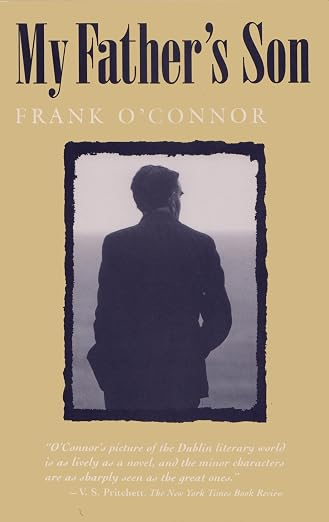
Dublin (1920s): Former Irish Republican Army member Frank O’Connor rose to run Dublin’s Abbey Theatre alongside poet William Butler Yeats. In his memoir My Father’s Son, O’Connor captured the Dublin literary scene—the "Celtic Twilight"—exposing the dictatorial yet brilliant nature of Yeats, who used his institutional power to guide an entire generation of Irish writers.
Mid-Century Cinema and Post-Colonial Realism (1940s–1950s): Manto’s Bombay
In mid-20th-century India, short-story writer Saadat Hasan Manto worked as a screenwriter in the thriving Bombay film industry. His collection of portraits, Stars from Another Sky, bypassed glitzy public relations narratives to document the lives of actors, directors, pimps, and sex workers he knew personally. Manto treated the Bombay film community not as an abstract star system, but as an intimate network of flawed human beings navigating political partition, addiction, and art.
Meta-Literary Paris and Contemporary Indie Publishing (1970s–Present)
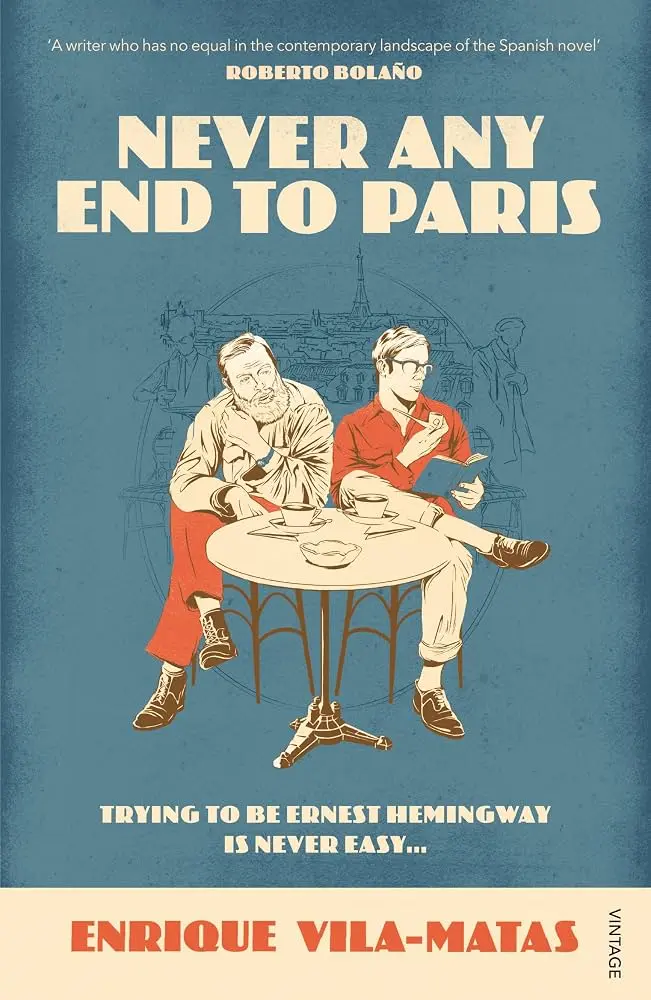
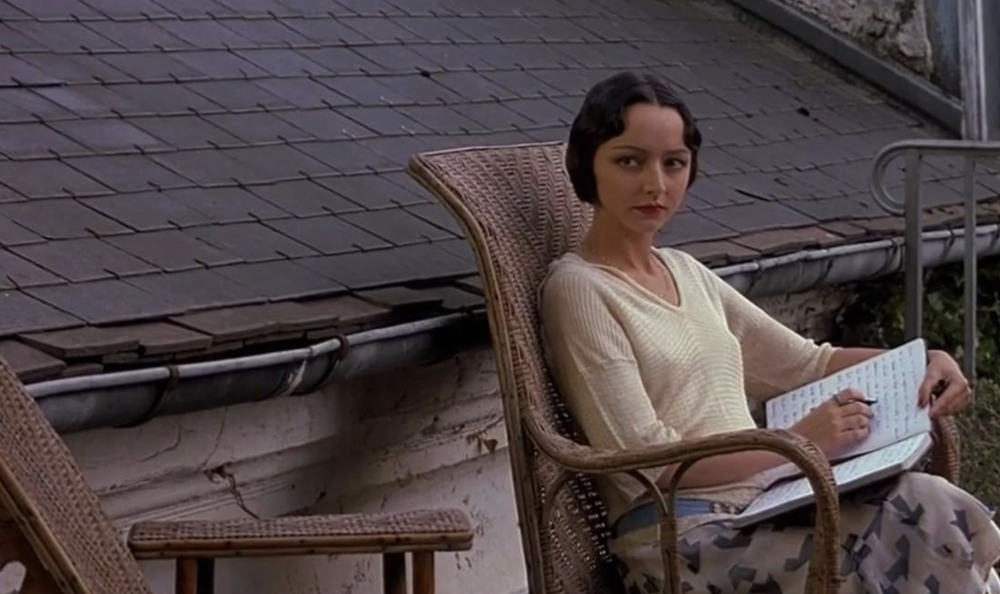
In Never Any End to Paris, Spanish novelist Enrique Vila-Matas detailed his young adult years renting a room from iconic writer Marguerite Duras in 1970s Paris. Exploring themes inspired by Javier Marías’s Dark Back of Time, Vila-Matas captured a absurd, interconnected literary culture—attending readings featuring imposter authors and attempting to write extreme, lethal fiction before realizing that true literature serves to awaken readers rather than destroy them.
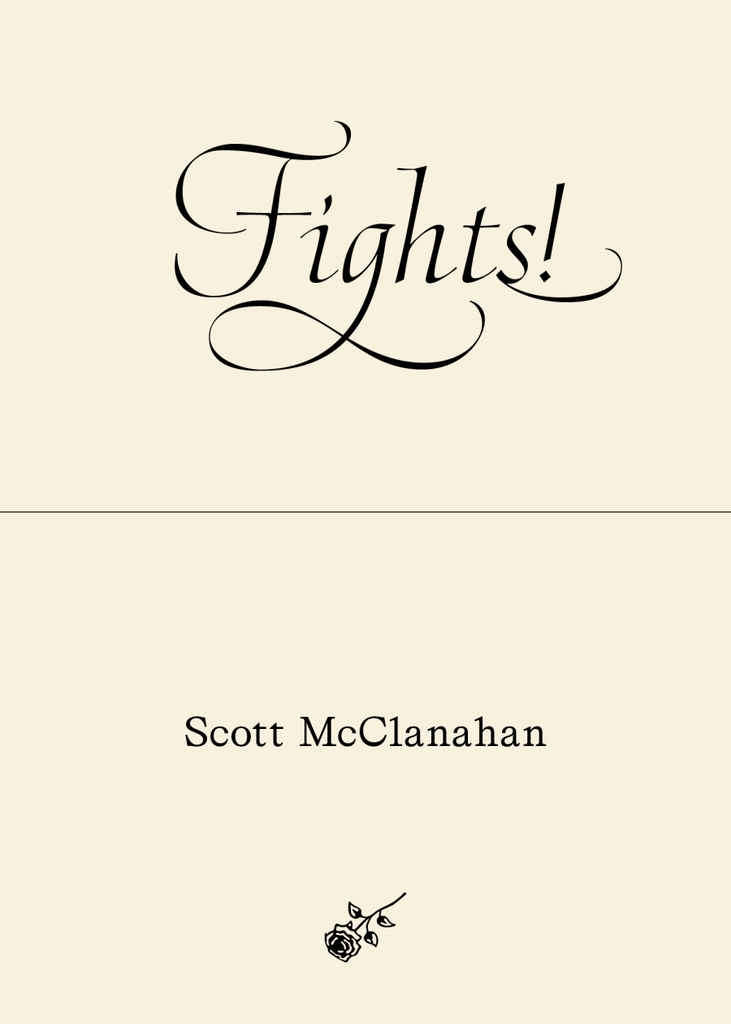
This meta-literary tradition directly influenced Scott McClanahan’s novel Fights!, a tribute to the late Giancarlo DiTrapano and his publishing house, Tyrant Books. The novel focuses on the volatile, creative energy of two married writers and an editor operating on the margins of the commercial publishing world, proving that small-press publishing remains one of the few places where true communal art survives.
Supporting Context & Metrics: Structural Realities of Bookmaking
The creation of literature requires material conditions, social structures, and economic support. When examining how books come into existence, critical metrics reveal a stark divide between commercial publishing models and community-driven, personal writing.
Literary output can be categorized into two primary models:
Commercial / "State Literature": High-volume fiction or institutional non-fiction designed for broad consumer markets. These works follow predictable genre conventions, prioritize plot over raw experience, and conform to the demands of large corporate publishers and institutional funding bodies.
Personal Literature: Uncompromising, community-focused texts that prioritize artistic authenticity over broad market appeal. The narrative drive stems from a desire to document real relationships, pay homage to mentors, and translate personal experience into narrative art.
The Material Cost of Creative Production
Behind every published text lies an invisible infrastructure of domestic labor and financial support:
Housing and Space: Creative work requires physical stability. As McClanahan notes, even the production of minor or flawed literature requires "a warm place to shit."
Domestic Patronage: Throughout history, spouses, partners, and family members have provided unpaid editorial work, secretarial duties, and financial sustenance. Livia Svevo managed her family’s industrial holdings, giving Italo Svevo the financial security to write; Dorothy Wordsworth transcribed and edited her brother William’s manuscripts.
Small Press Networks: Independent publishers like Tyrant Books, Asterism Books, and specialized literary journals operate with minimal overhead. They act as incubators for innovative work that traditional corporate publishers consider commercially risky.
The Dynamics of Literary Larceny
Personal literature often relies on "literary larceny"—the act of directly lifting characters, dialogues, and conflicts from one’s immediate social circle.
The Moral Risk: Transforming real friends and family into characters can ruin personal relationships, as seen with De Quincey and Wordsworth.
The Artistic Payoff: By anchoring narratives in real human behavior rather than abstract character concepts, writers achieve a level of psychological realism that formulaic fiction rarely attains.
Official Statements and Historical Testimony
The historical record is filled with direct admissions from writers, critics, and contemporaries confirming that literature is inherently collaborative, volatile, and deeply personal.
On the Myth of Solitary Genius
"We usually think of the writer as a solitary being, whereas if you actually look at the record, books spring up from complex ecosystems… Wives, husbands, friends, finances, and housing are all responsible for creating these communal objects."
— Scott McClanahan, Author of Fights!
"My uncle died."
— Juan Rulfo, Mexican author, explaining why he stopped publishing new fiction after relying on his uncle’s oral stories.
On the Feuds Born from Personal Writing
"[De Quincey is] a pest in society and one of the most worthless of mankind."
— William Wordsworth, following the publication of De Quincey’s candid memoir detailing Wordsworth’s domestic life and physical appearance.
"Did he really say that? This is so true that I can forgive him almost anything else he says."
— William Wordsworth, reacting to De Quincey’s written comment that Wordsworth’s wife, Mary Hutchinson, was "a better wife" than the poet deserved.
On Literary Ego and Modernist Rivalries
"But why would anyone read him, when I have done it so much better."
— George Augustus Moore, dismissing the radical innovations of his younger contemporary, James Joyce.
"After my father, I never quarreled with another so much."
— Frank O’Connor, reflecting on his turbulent creative relationship with William Butler Yeats at the Abbey Theatre.
"Why worry about literary eminence? You and I will provide that."
— W.B. Yeats, brushing aside O’Connor’s objections regarding the inclusion of a minor poet in an anthology they were co-editing.
On the True Purpose of Literature
"What is wanted is enthusiasm and devil-may-careism; and the very aspect of a tavern is a snort of defiance at… leather arm chairs."
— George Augustus Moore, on rejecting formal literary institutions in favor of bohemian art spaces.
"The writer must do just the opposite [of killing the reader]. The writer must bring the reader to life."
— Enrique Vila-Matas, reflecting on his early avant-garde ambitions in Never Any End to Paris.
Future Outlook: The Resurgence of Ecosystem-Driven Storytelling
As corporate publishing continues to consolidate—relying increasingly on algorithmic trends, celebrity memoirs, and risk-averse franchise fiction—the traditional avenues for raw, personal literature are narrowing. However, literary history shows that when mainstream institutions stagnate, decentralized creative ecosystems emerge to take their place.
The Evolution of Indie Publishing and Digital Communities
Micro-Presses and Independent Distributors: The legacy of houses like Tyrant Books lives on through contemporary independent presses and distribution platforms like Asterism Books. By maintaining low overhead and focusing on niche, dedicated audiences, these operations allow writers to produce personal literature without conforming to mass-market demands.
Direct-to-Reader Publishing Subscriptions: Platforms such as Substack, independent newsletters, and boutique print runs are allowing authors to bypass corporate gatekeepers entirely. Writers can cultivate direct financial support from the very communities they write about, echoing the patronage systems of the 19th century.
The Return of the Literary Salon: As online fatigue grows, physical reading series, house presses, and localized writing groups are seeing a resurgence. Writers are once again seeking out the "taverns" described by George Augustus Moore—informal spaces where real-world friction generates artistic innovation.
Ultimately, the works of De Quincey, Svevo, Gaskell, O’Connor, Manto, Vila-Matas, and McClanahan demonstrate a fundamental truth about human culture: books are not born in quiet, sterile isolation. They are forged in the noise, intimacy, and complexity of human relationships. As long as writers continue to draw from the lives of those they love, fight with, and live alongside, personal literature will survive—offering an authentic mirror to the human experience.






Comments
Facebook App ID not configured. Please add it in the Customizer.