
Executive Overview
For nearly two decades, the social media industry operated behind a formidable legal shield, largely insulated from the real-world harms generated by its platforms. While public outrage grew over skyrocketing rates of adolescent depression, anxiety, self-harm, and online child exploitation, tech platforms successfully routinely cited Section 230 of the Communications Decency Act and First Amendment protections to rebuff legal accountability.
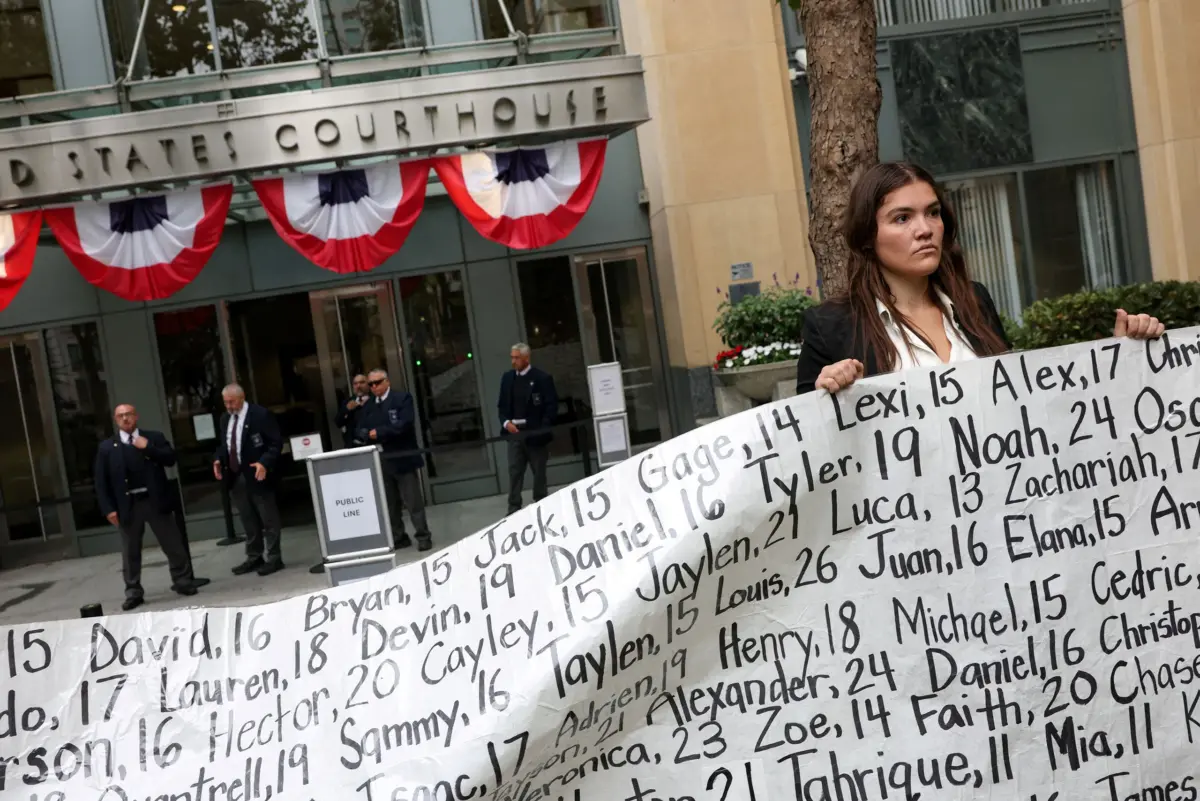
That era of legal invulnerability has officially drawn to a close. In a landmark conclusion to a consolidated lawsuit brought by more than two dozen state attorneys general, Meta Platforms Inc.—the $1.5 trillion parent company of Facebook and Instagram—has agreed to a sweeping settlement valued at a minimum of $12 billion over ten years. The settlement, which abruptly cut short a high-profile trial in Oakland, California, imposes unprecedented operational, technical, and financial mandates on the social media giant.
+-----------------------------------------------------------------------------------+
|                        KEY SETTLEMENT MANDATES AT A GLANCE                       |
+-----------------------------------------------------------------------------------+
|  • Financial Terms:       $12 Billion minimum over 10 years (Up to $17B conditional) |
|  • Usage Restrictions:    2-hour daily time limit for teenagers                   |
|  • Overnight Blackout:    Feeds locked for teens between 12:00 AM and 6:00 AM        |
|  • Push Notifications:    Suppressed overnight and during official school hours   |
|  • Social Comparison:     "Like" counts hidden by default on teen accounts        |
|  • Triage Timelines:      90%+ of flagged abusive content handled within 6 hours  |
|  • Independent Oversight: 10-year third-party auditor with full discovery access |
+-----------------------------------------------------------------------------------+
Legal analysts and public health experts are widely comparing the agreement to the landmark 1998 Tobacco Master Settlement Agreement. Just as Big Tobacco was forced to overhaul its marketing tactics and fund public health initiatives after internal documents revealed it knew its products were addictive and carcinogenic, Meta has tacitly conceded that its core product architecture poses fundamental risks to child safety.
Read Also
While Meta refuses to legally admit wrongdoing, the structural concessions codified in the 35-page agreement represent a seismic shift in Silicon Valley’s economic calculus. By capping youth engagement, turning off push notifications during school and sleep hours, enforcing strict six-hour response windows for reported abuse, and submitting to a decade of independent third-party auditing, Meta has accepted that its legacy business model—unfettered attention maximization—can no longer be applied to children.
Detailed Chronology: The Legal Pivot from Content to Design Liability
The path to this watershed settlement reflects a strategic revolution in how state prosecutors and civil litigation attorneys approach technology regulation.
                    CHRONOLOGY OF LEGAL SHIFT

  2004–2020         2020–2022               Late 2022               Early 2026
+------------+    +------------+          +------------+          +------------+
|  Era of    |    | Strategic  |          | AG Cases   |          | Oakland    |
| Section 230| -> | Legal      | -------> | Consoli-   | -------> | Trial &    |
| Immunity   |    | Pivot      |          | dated      |          | Settlement |
+------------+    +------------+          +------------+          +------------+
  Defended on      Shift to                 Over 20+ AGs            Arturo Béjar &
  speech ground    product design           charge product          Adam Mosseri
  protections      defects                  exploitation            testify
The Era of Absolute Immunity (2004–2020)
For years, civil claims alleging social media harm collapsed upon launch. Plaintiffs focused on specific harmful posts, cyberbullying, or predatory content, allowing platforms to easily claim immunity under Section 230, which treats internet companies as distributors rather than publishers of third-party content.
The Strategic Legal Pivot (2020–2022)
Recognizing the statutory dead end of content-based litigation, state prosecutors and legal strategists pivoted to personal injury product liability law. Instead of suing social media companies for what users posted, prosecutors began targeting the platforms’ internal engineering and product design choices.
Lawsuits began framing features like algorithmic recommendations, infinite scroll, push notifications, read receipts, and variable-ratio reward schedules (such as "likes" and follower counts) as defective, intentionally addictive product features designed to exploit adolescent brain chemistry.
Escalating Precedents (2022–2025)
As state investigations deepened, individual and state actions gained momentum:
- Late 2022: More than two dozen state attorneys general consolidated their claims into a massive federal complaint in the U.S. District Court for the Northern District of California (Oakland), alleging Meta knowingly deployed features that "exploit and manipulate its most vulnerable consumers: teenagers and children."
- Early Precedent Trials: In a bellwether trial, a jury awarded $3 million to a young woman who demonstrated that exposure to Meta’s algorithms caused catastrophic mental health deterioration.
- State Enforcement: In New Mexico, Attorney General Raúl Torrez secured a historic court order forcing Meta to pay $942 million in fines and implement strict child protections after establishing that Instagram’s recommendation algorithms directly facilitated child sexual abuse material (CSAM) networks and grooming behavior. (Meta is currently appealing this ruling).
The Oakland Trial and Unexpected Settlement (2026)
The consolidated multi-state trial opened in Oakland, California, slated to run for several weeks. However, explosive courtroom disclosures quickly accelerated settlement negotiations:
+-----------------------------------------------------------------------------------+
|                         PIVOTAL TESTIMONY IN OAKLAND                              |
+-----------------------------------------------------------------------------------+
|  Arturo Béjar (Former Engineering Director for Product Safety):                   |
|  "The company culture made it so that it was practically impossible to deliver    |
|  features that addressed the well-being and safety issues that we've been talking |
|  about."                                                                          |
|                                                                                   |
|  Adam Mosseri (Head of Instagram):                                                |
|  Defended the platform's engagement algorithms and contested the lawsuit's       |
|  characterization of excessive social media consumption as a "clinical addiction."|
+-----------------------------------------------------------------------------------+
Following this testimony, Meta’s legal team abruptly halted proceedings to execute a master settlement agreement, ending the trial in exchange for a massive restructuring of its teen safety architecture and financial penalties.
Supporting Context & Metrics: Deconstructing Meta’s Teen Engagement Model
To understand the magnitude of the $12 billion settlement, it must be measured against the financial and behavioral mechanics of adolescent social media consumption.
The Economics of Teen Engagement
Adolescents are among the most valuable cohorts for digital advertising, as brand preferences formed during teenage years often yield high lifetime dividends for marketers.
- Historical Lifetime Value (LTV): According to internal Meta emails unsealed during discovery, company executives estimated in 2018 that the "lifetime value" of a 13-year-old user was approximately $270.
- Settlement Penalty Ratio: The baseline $12 billion financial penalty equates to over $500 for every American teenager aged 13 to 17—effectively forcing Meta to forfeit more revenue than it projects to generate from domestic teenage users over the life of the agreement.
- Extreme Usage Distribution: Internal Meta studies disclosed during litigation showed that 1% of users spent more than 5 hours per day on Meta apps. This hyper-engaged minority generated a disproportionate share of the advertising impressions that powered Meta’s revenues.
           TEEN USER INSTAGRAM ENGAGEMENT (PEW RESEARCH 2024)
  +----------------------------------------------------------------+
  |  Total Teen Users (60%)                      | Non-Users (40%) |
  +----------------------------------------------------------------+
  |  "Almost Constant" (12%)  |  Regular Teen Users (48%)           |
  +----------------------------------------------------------------+
Data from Pew Research underscores the reach of these platforms: 60% of U.S. teens reported using Instagram, with 12% stating they accessed the application "almost constantly."
Product Vulnerabilities and Broken Safety Architecture
The trial laid bare significant gaps between Meta’s public relations assertions and its internal operational reality:
+-----------------------------------------------------------------------------------+
|                        INTERNAL DEFICIENCIES DISCLOSED                            |
+-----------------------------------------------------------------------------------+
|  • Severe Reporting Barriers: Internal 2022 memos revealed that "the current FB  |
|    reporting flow is extremely hard to use, near impossible for mobile users."    |
|  • Pervasive Unwanted Contact: Survey data presented by whistleblower Arturo      |
|    Béjar showed over 50% of Instagram users experienced bad experiences weekly;   |
|    24% of teens aged 13–15 reported receiving unwanted sexual advances.           |
|  • Algorithmic Shift: CEO Mark Zuckerberg acknowledged that non-friend,           |
|    algorithmically recommended content accounts for ~90% of Instagram feeds.      |
+-----------------------------------------------------------------------------------+
The Enforcement Mechanism: Independent Third-Party Oversight
The most significant aspect of the agreement is the establishment of an independent, third-party auditor jointly selected by Meta and state attorneys general.
                        INDEPENDENT AUDITOR ARCHITECTURE

   +--------------------+     Jointly Appoints     +-------------------+
   |   State AGs &      | <----------------------> |   Meta Platforms  |
   |   Prosecution      |                          |     Executive     |
   +--------------------+                          +-------------------+
             ^                                               |
             | Reports Deviations                 Provides   | Unrestricted
             | & Non-Compliance                   Data Access| Discovery Access
             |                                               v
   +-------------------------------------------------------------------+
   |                    INDEPENDENT THIRD-PARTY AUDITOR                |
   |  • 10-Year Mandate                                                |
   |  • Litigative-Level Access to Internal Documents, Data, and Code  |
   |  • Real-Time Enforcement Tracking for Child Safety Standards      |
   +-------------------------------------------------------------------+
Unlike previous regulatory oversight agreements—such as Meta’s 2019 Federal Trade Commission privacy settlement, which faced criticism for limited operational impact—this auditor receives litigation-level discovery rights for ten years. The monitor will have continuous access to internal code, engineering specifications, usage metrics, communications, and safety logs.
If the auditor detects non-compliance with the settlement’s terms, they are legally bound to report the infraction directly to state attorneys general, exposing Meta to swift judicial sanctions and immediate financial penalties.
Official Statements and Strategic Public Relations
The fallout from the trial and settlement triggered immediate responses across the technology sector, regulatory agencies, and corporate communications channels.
Inside the Courtroom: Public Statements and Deposition Disclosures
Whistleblower Arturo Béjar, former Meta Engineering Director for Product Safety:
"The company culture made it so that it was practically impossible to deliver features that addressed the well-being and safety issues that we’ve been talking about… When you raise these issues to leadership, they are repeatedly evaluated through the lens of growth, engagement, and user retention rather than fundamental safety."Adam Mosseri, Head of Instagram (Testimony excerpt):
"We do not agree with the assertion that social media usage constitutes a ‘clinical addiction’ akin to substance abuse. While we acknowledge that young people sometimes spend more time on our platforms than is optimal, our focus has been on empowering parents with supervisory tools, rather than arbitrarily restricting user choice."Raúl Torrez, Attorney General of New Mexico:
"Meta designed a product that prioritized corporate profits over the physical and psychological safety of children. This settlement establishes a legal precedent: Silicon Valley can no longer build toxic algorithmic feedback loops, deploy them on our children, and claim innocence when disastrous harms follow."
Meta’s Public Counter-Offensive
Immediately following the announcement of the consent decree, Meta sought to reframe the narrative by launching an aggressive public relations campaign aimed at its primary market competitors.
+-----------------------------------------------------------------------------------+
|                        META'S OPEN LETTER TO COMPETITORS                          |
+-----------------------------------------------------------------------------------+
|  Targeted Entities:  TikTok (ByteDance) and YouTube (Google/Alphabet)             |
|  Public Demand:      Voluntarily adopt identical 2-hour daily caps, overnight     |
|                      feed lockouts, and school-hour notification blackouts.       |
|  Financial Strategy: Settlement includes a clause requiring Meta to pay an        |
|                      additional $5 BILLION if TikTok and YouTube do not agree to  |
|                      similar terms or legislative restrictions.                   |
+-----------------------------------------------------------------------------------+
Industry analysts view Meta’s public call for competitors to adopt these restrictions as a strategic move. By tying part of its settlement payout to broader industry adoption, Meta is attempting to transform a regulatory penalty into an opportunity to force similar operational constraints onto its chief competitors, TikTok and YouTube.
Future Outlook: Toward an Intentional Internet
While the $12 billion settlement represents a historic regulatory breakthrough, structural challenges remain in the effort to create a safe digital environment for children.
===================================================================================
                       PARADIGM SHIFT IN SOCIAL PLATFORMS
===================================================================================

  LEGACY ATTENTION ECONOMY                   EMERGING INTENTIONAL ECONOMY
  ------------------------                   ----------------------------
  • Infinite Scroll Feeds                    • Hard Daily Time Caps (2-Hour Limits)
  • Default Autoplay Media                   • Mandatory Nighttime Blackouts
  • Constant Push Notifications              • Suppressed School-Hour Alerts
  • Algorithmic Engagement Hooks             • Hidden Social Validation Metrics ("Likes")
  • Unchecked Platform Growth                • Independent Third-Party Auditing
===================================================================================
Unresolved Systemic Weaknesses
Despite the settlement’s comprehensive scope, legal and technical experts highlight several key areas where structural remedies fell short:
- Algorithmic Curation: The settlement explicitly omits bans on core retention mechanisms, including infinite scroll and default autoplay. Recommendation engines remain largely free to algorithmically promote external content to young users, provided the content does not violate Meta’s general safety standards.
- Self-Polled Age Verification: While Meta is tasked with strengthening age gating, the settlement leaves the evaluation of these verification protocols largely under the company’s internal purview. Tech companies have historically struggled to build reliable age-verification systems that do not infringe on adult user privacy.
- The Core Business Model: The settlement imposes strict boundaries on time spent, but it does not dismantle the fundamental ad-based revenue engine that incentivizes attention capture.
The Macro Trend: From Attention to Intentionality
Despite these limitations, the broader legal landscape has been permanently altered. The success of state prosecutors in treating platform architecture as a personal injury liability vector creates a template for future enforcement against other tech companies, including ByteDance (TikTok), Alphabet (YouTube), and Snap Inc.
By attaching multi-billion-dollar liabilities to aggressive engagement designs, the legal system has reshaped the financial incentives for social media platforms. For two decades, Silicon Valley prioritized continuous usage above all other metrics. Following this settlement, product managers and software engineers must now weigh engagement mechanics against significant legal and financial liabilities.
This watershed settlement marks the beginning of a fundamental shift in the architecture of the internet: transitioning away from an unconstrained Attention Economy engineered for endless consumption, toward an Intentional Economy bounded by regulatory oversight, corporate accountability, and real protection for youth.





Comments
Facebook App ID not configured. Please add it in the Customizer.