
Executive Overview
On Thursday, 1 October 2026, the United Kingdom will once again bear witness to one of its most anticipated cultural celebrations: National Poetry Day. Coordinated annually by the Forward Arts Foundation, this year’s nationwide festival anchors itself around a singular, evocative, and boundary-pushing theme: “Wonder!”
From bustling urban open-mics and grassroots regional slam events to digital workshops and sweeping schools programmes, the 2026 edition promises to be one of the most comprehensive celebrations of verse in recent memory. Across the nation, poets, educators, environmentalists, and literary enthusiasts are preparing to harness the transformative power of language to interrogate, celebrate, and reimagine our shared reality.
At the heart of this year’s celebrations is a deliberate focus on ecological hope, youth empowerment, and public engagement. This is exemplified by high-profile collaborations with climate-focused poetry collectives like Hot Poets, national educational rollouts featuring beloved literary figures such as Michael Rosen, and a dynamic array of programming spearheaded by The Poetry Society. Whether through physical gatherings at the historic Poetry Cafe in Covent Garden or via global digital streams reaching remote classrooms, National Poetry Day 2026 aims to prove that poetry is not an elitist art form confined to the page, but a living, breathing, and wildly accessible medium for human expression.
Read Also
This comprehensive report explores the multifaceted dimensions of National Poetry Day 2026. It examines the structured chronology of events, details the extensive educational infrastructure mobilizing across the British Isles, highlights official statements and curatorial directions, and projects the long-term cultural impact of this year’s festival on the future of British letters.
Detailed Chronology: A Day-by-Day and Event-by-Event Guide to National Poetry Day 2026
The official pinnacle of National Poetry Day falls on Thursday, 1 October 2026, yet the cultural momentum spans weeks of pre-event preparation and post-festival literary programming. To fully grasp the scale of the initiative, it is vital to map out the chronological flow of key events, digital broadcasts, and live showcases that define the 2026 calendar.
Pre-Festival Phase: Resource Deployment and School Preparations
Throughout September 2026, the groundwork for National Poetry Day was meticulously laid by various literary bodies.
- Mid-September: The Forward Arts Foundation and The Poetry Society released comprehensive pedagogical toolkits to thousands of registered schools across the UK. These packs included specially commissioned writing prompts, visual stimuli, and lesson plans tailored to the "Wonder" theme.
- Late September: Educational institutions finalized bookings for The Poetry Society’s Poets in Schools service, scheduling specialized poet-educators to visit classrooms in regions spanning from Wigan to West Sussex ahead of and immediately following the October date.
Thursday, 1 October 2026: The Main Stage of Events
The schedule for National Poetry Day itself is packed with concurrent physical and digital happenings designed to engage diverse demographics, from primary school children to seasoned literary veterans.
-
Morning: The National Schools Assembly (Live-Streamed)
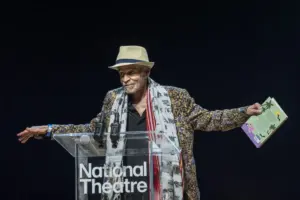
The official day kicks off with a massive virtual gathering. Partnering with the Forward Arts Foundation, legendary children’s author and poet Michael Rosen will host a live-streamed National Poetry Day assembly. Designed to be broadcast directly into interactive whiteboards across British classrooms, the assembly aims to introduce hundreds of thousands of pupils to the mechanics of wonder, demonstrating how everyday observations can be alchemized into verse. Concurrently, the climate-focused poetry group Hot Poets takes over digital channels, releasing a series of short-form, hopeful poetic narratives addressing global ecological shifts. -
Midday: Stanza Competition Winners Announced
As the morning progresses, The Poetry Society formally announces the winners of its highly competitive regional Stanza poetry competition. Restricted to members of its nationwide network of regional poetry reading and writing groups, this year’s contest challenged participants to interpret the theme of "Wonder." Judged by acclaimed poet Maya C. Popa, the winning entries offer a nuanced, mature exploration of awe, existential reflection, and contemporary life. The announcements are disseminated via digital channels, accompanied by publication of the winning verses on the Poetry Society’s web portal. -
Afternoon: The Young Poets Network Digital Takeover
Targeting the next generation of literary talent, the Young Poets Network hosts a dedicated, free online workshop via Zoom at 16:00 BST. Titled “Young Poets Takeover: A National Poetry Day Special,” the session brings together participants aged 14 to 25. Led by an established contemporary mentor, attendees dissect the aesthetic and emotional dimensions of "Wonder" before transitioning directly into a fast-paced, highly collaborative online open mic session. This digital space ensures that geographic isolation is no barrier to participation for young writers living outside major metropolitan hubs. -
Evening: "National Poetry Day Unplugged" at The Poetry Cafe
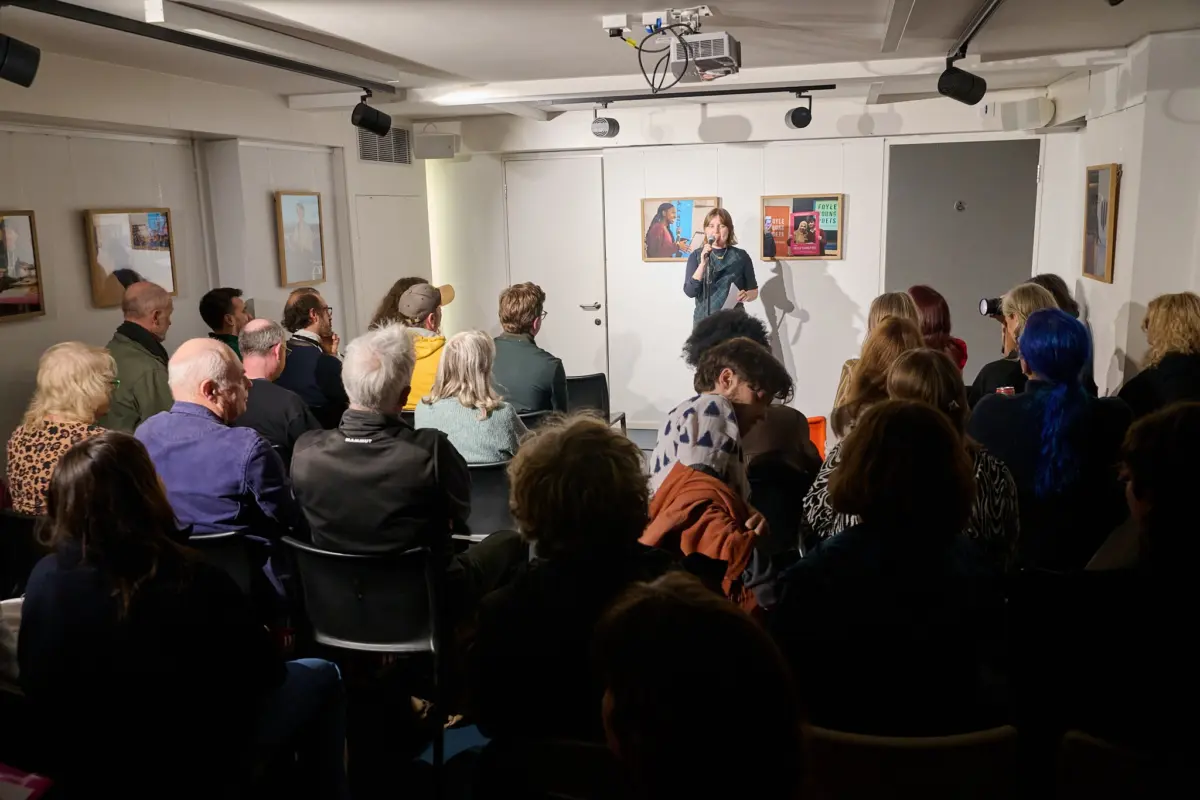
As evening falls, physical performance takes center stage in central London. The Poetry Society’s iconic Poetry Cafe hosts the return of its legendary Poetry Unplugged series, customized into a special "National Poetry Day Unplugged" edition. Open to all writers and performers aged 18 and over, the event welcomes walk-in sign-ups and pre-booked slots alike. Standing room only is anticipated as an eclectic mix of emerging voices and established local talents take to the microphone to deliver raw, unfiltered lyricism in celebration of the day’s central theme.
Supporting Context & Metrics: The Infrastructure of National Poetry Day
National Poetry Day is far more than a localized celebration; it is a meticulously coordinated national campaign backed by substantial institutional infrastructure, quantitative reach, and rigorous educational support.
The Ecological Turn: Hot Poets and Climate Narratives
A defining contextual feature of the 2026 festival is the integration of environmental themes through the leadership of Hot Poets. Historically, poetry days have focused primarily on introspection and classical aesthetic beauty. However, the 2026 curation recognizes that "Wonder" in the 21st century is inextricably linked to our relationship with the natural world. By collaborating with scientists, conservationists, and grassroots activists, Hot Poets utilizes verse to reframe climate anxiety into constructive, imaginative engagement, telling positive and surprising stories about ecological adaptation, renewable futures, and planetary resilience.
Geographic Reach of the Poets in Schools Service
The structural democratization of poetry remains a core mandate for organizing bodies. Through the Poets in Schools service, professional poet-educators are deployed to communities that historically experience lower levels of cultural funding and arts infrastructure. For the 2026 campaign, targeted residencies and workshops have been confirmed in a diverse cross-section of the UK:
- Northern England: Wigan, Durham
- The Midlands: Birmingham, Lincolnshire
- The South and East: Sussex, London, Wiltshire
This program is not a one-off stunt; it operates on a year-round rolling basis, allowing schools to anchor creative writing initiatives deep within their academic curricula long after the tinsel of National Poetry Day has been packed away.

Pedagogical Innovation: The Rachel Plummer & Maggie Wang Resource
To assist educators who may feel intimidated by the abstract nature of "Wonder," The Poetry Society commissioned a brand-new, multi-disciplinary teaching resource for the 2026 campaign. Written by acclaimed poet Rachel Plummer, the resource is conceptually inspired by young poet Maggie Wang’s striking poem “Let the Night Be Dark” (itself an homage to the traditions of Robert Frost).
Breaking away from traditional, overly simplistic approaches to nature poetry, Plummer’s resource dives headfirst into the mysteries of darkness:
- Thematic Scope: Explores deep-sea bioluminescence, nocturnal ecosystems, and outer-space phenomena.
- Classroom Activities: Combines rigorous reading comprehension exercises with creative writing prompts designed to stretch metaphorical thinking.
- Cross-Curricular Integration: Features a specialized, hands-on chromatography activity, bridging the gap between artistic exploration and empirical science, thereby proving that poetry and scientific inquiry are natural allies in the pursuit of wonder.
Official Statements and Curatorial Directions
Organizers, judges, and cultural leaders have emphasized the urgent social and psychological necessity of celebrating "Wonder" during a period marked by global geopolitical tension and rapid technological change.
In a joint statement released ahead of the festival, representatives from the Forward Arts Foundation noted:
"In a world that often feels fractured, fast-paced, and excessively cynical, the act of pausing to experience wonder is a radical act. Poetry gives us the precise linguistic architecture to capture those fleeting moments of awe—whether gazing into the cosmos, observing the resilience of a local ecosystem, or recognizing the quiet beauty in human vulnerability. National Poetry Day 2026 is an invitation for the entire nation to pick up a pen, open their ears, and remember how to be astonished."
Maya C. Popa, the judge for this year’s regional Stanza competition, reflected on the exceptional standard of submissions received from across the UK’s poetry networks:
"Judging the Stanza competition this year has been a masterclass in emotional range and technical precision. The poets in our regional groups didn’t treat ‘wonder’ as a passive or purely decorative concept; instead, they interrogated its shadows, its complexities, and its capacity to heal. The winning poems demonstrate that regional poetry writing in the UK is vibrant, urgent, and profoundly connected to the pulse of contemporary life."
Furthermore, leadership at The Poetry Society underscored the importance of physical communal spaces—such as the Poetry Cafe—alongside digital accessibility:
"While digital platforms have allowed us to democratize access, connecting rural schoolrooms to Michael Rosen and rural teenagers to the Young Poets Network, there remains an irreplaceable magic in the physical room. The human voice vibrating in a shared space, whether at Poetry Unplugged or in a school assembly room, is where poetry truly comes alive. We have built 2026 to honour both dimensions of this wonderful art form."
Future Outlook: The Legacy of National Poetry Day 2026
As the dust settles on 1 October 2026, the true measure of Nationaloty Poetry Day will not be found solely in the immediate ticket sales, live-stream view counts, or social media impressions. Rather, its legacy will be measured in the structural changes it fosters within British cultural and educational life.
Long-Term Impacts on Literacy and Youth Engagement
By embedding professional poets directly into schools across deprived and regional postcodes—such as Wigan, Durham, and Lincolnshire—the festival helps address persistent regional disparities in cultural capital. Students who participate in the Poets in Schools workshops or interact with the Rachel Plummer teaching resource are more likely to view creative writing not as an intimidating chore reserved for academic elites, but as an accessible emotional outlet and a viable career path. The continued growth of the Young Poets Network further ensures that writers aged 14 to 25 have a digital home where their early works can be nurtured, critiqued, and published.
Environmental Consciousness Through Art
The partnership with Hot Poets marks a potential turning point in how ecological themes are handled within mainstream British literature initiatives. By demonstrating that climate communication can be artful, hopeful, and emotionally resonant rather than merely didactic or panic-inducing, the 2026 festival sets a new template for future environmental campaigns. Poetry is increasingly being recognized by policymakers and educators as a vital tool for ecological literacy—one that bypasses intellectual fatigue to speak directly to human empathy and shared stewardship of the planet.
The Ongoing Evolution of Public Poetry
Finally, the enduring popularity of institutions like Poetry Unplugged at the Poetry Cafe illustrates a robust public appetite for live, unvarnished human performance. In an era dominated by algorithmic feeds and hyper-curated digital personas, the physical poetry open mic remains a sanctuary for authentic human connection.
As National Poetry Day 2026 concludes, it leaves behind an expanded archive of new verse, a galvanized community of educators and students, and a renewed cultural consensus: that wonder is not a luxury to be discarded in times of crisis, but an essential human compass guiding us toward a more imaginative and empathetic future.
For more information on upcoming events, to download the 2026 educational resources, or to book a poet for your school, visit the official websites of The Poetry Society and the Forward Arts Foundation.


Comments
Facebook App ID not configured. Please add it in the Customizer.