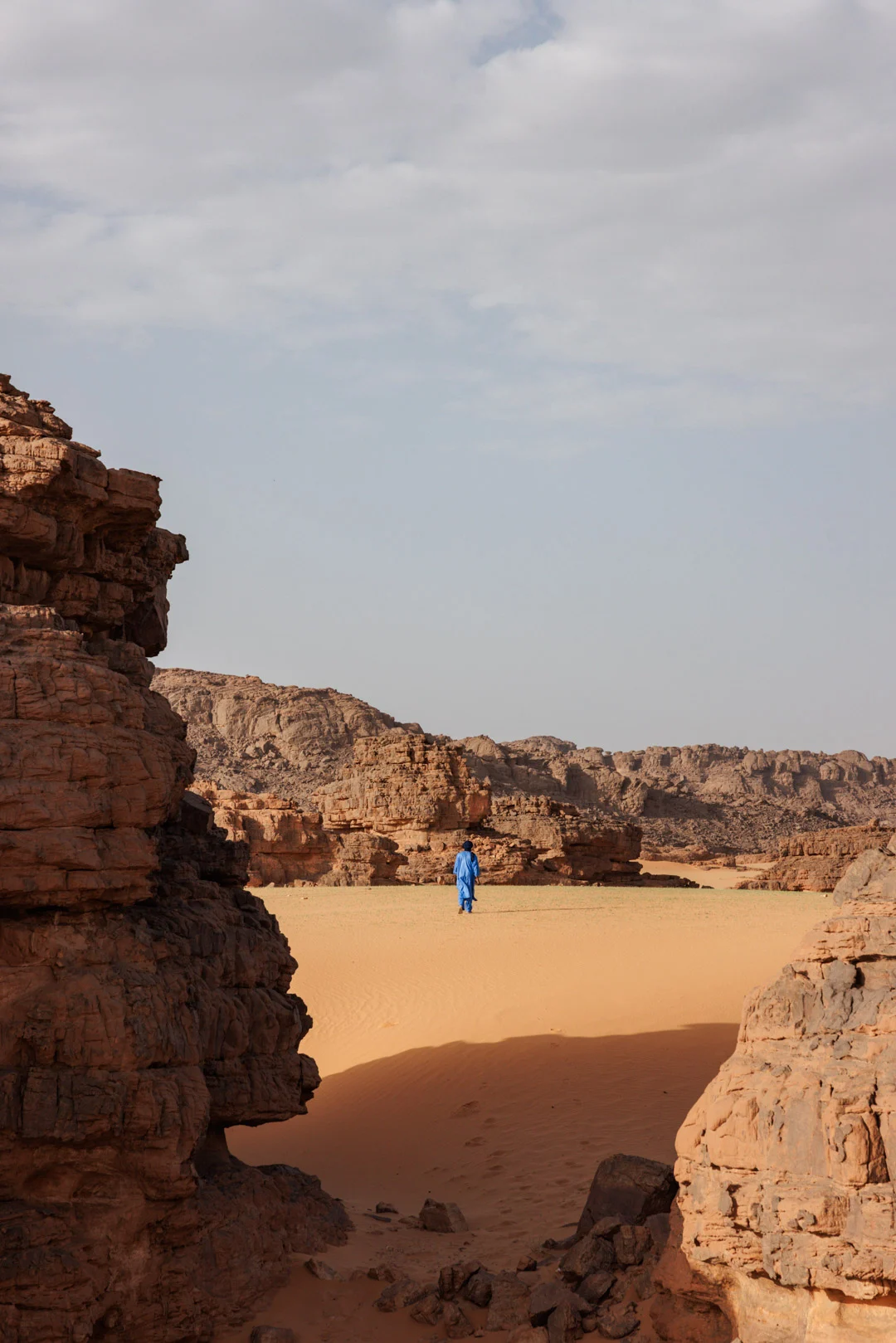
Deep in the heart of the Algerian Sahara, where ancient sandstone monoliths rise like gothic cathedrals from golden oceans of sand, the desert is experiencing a rare, paradoxical awakening. Following sudden, heavy afternoon rains, a faint, ethereal green tinges the dunes—a vivid reminder that the Sahara, far from being a static wasteland of pure emptiness, is a dynamic and patient landscape perpetually poised between life and dormancy.
Against this backdrop of ecological renewal unfolds Sebeïba, a transcendent annual festival that traces its origins back three millennia. Staged in the oasis town of Djanet, the day-long cultural contest pits two historical factions (ksours)—El Mihan and Zelouaz—against one another in an intricate choreography of drumming, poetry, swordplay, and song.
Yet, as journalists Ben Buckland and photographer Carissa Western document in their sweeping visual and narrative dispatch, Sebeïba is far more than a living museum exhibit or a cultural performance preserved in amber. It is a living, breathing social organism caught in the crosscurrents of modern geopolitical pressures, climate shifts, state tourism initiatives, and the creeping digitization of indigenous life.
Representing the ultimate expression of Imuhar (preferred over the exonym Tuareg) identity, Sebeïba serves as a cultural anchor for a community whose transnational ties across the Sahara have steadily fractured. As state-led tourism replaces cross-border community gatherings and smartphones blink against the backdrop of traditional indigo garments, the festival stands at a fragile crossroads. It is a vital examination of how ancient traditions adapt, survive, and occasionally compromise when forced to interface with the modern world.
Detailed Chronology: From the Fog of Algiers to the Saffron Sands of Djanet
Phase I: The Northern Threshold
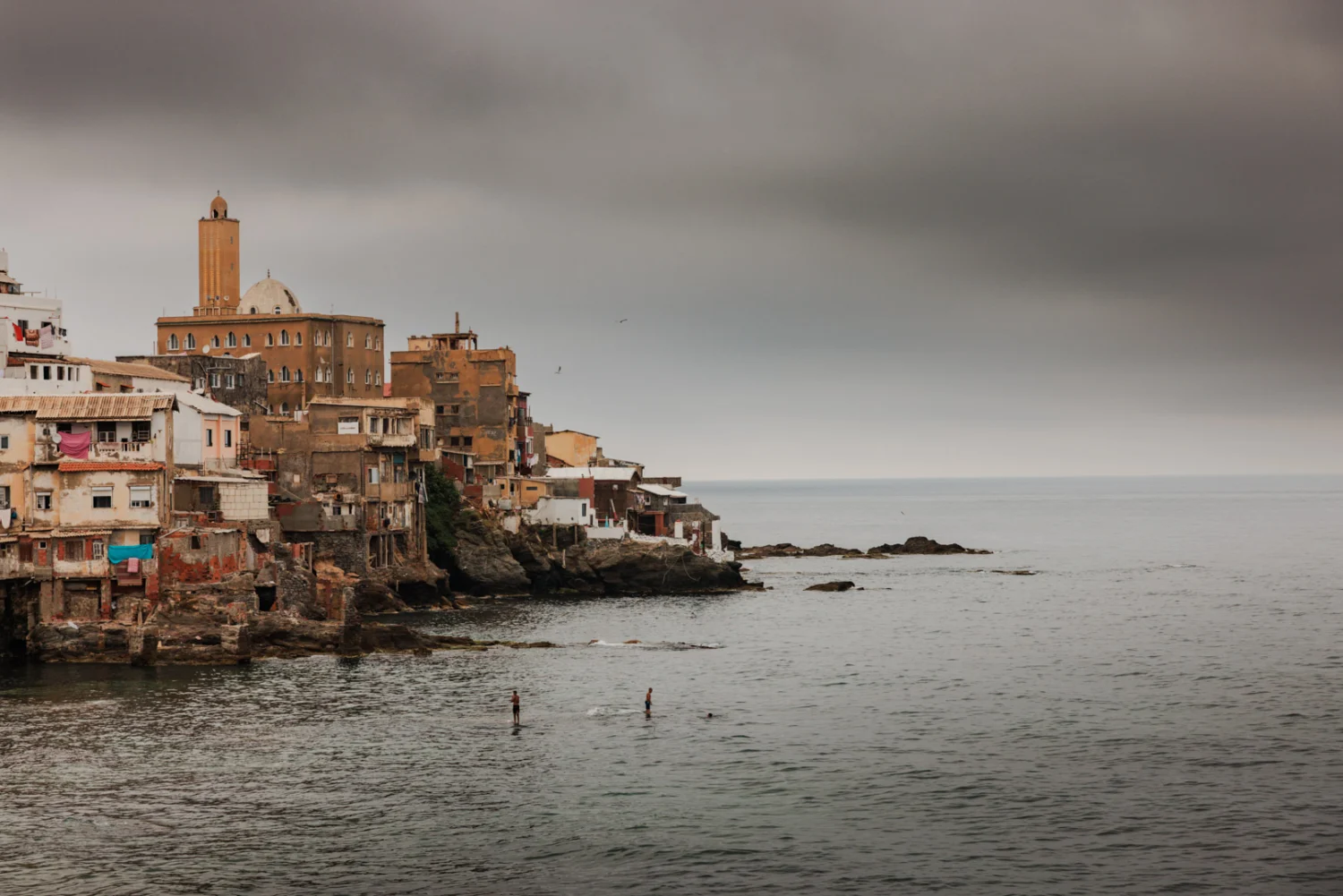
The journey toward Sebeïba begins days prior on the Mediterranean coast in Algiers, a city draped in a cold, slate-gray sea fog that creeps through the steep, labyrinthine alleys of the Casbah and wraps ancient minarets in white wool. Down below, neoclassical Haussmann boulevards grid the rocky cliffs, looking out over dark waters where fishermen cast lines and sleek swimmers test the chilly surf.
Yet, these coastal streets carry heavy historical baggage. This was the crucible of the twentieth century’s most brutal urban conflicts—the systematic torture and suppression of the Battle of Algiers—followed decades later by the uncounted casualties of the Algerian Civil War, leaving behind lingering, unanswered questions of national trauma (qui tue qui). For generations, the deep south—the sovereign domain of the Imuhar nomads—remained geographically and politically marginalized. Today, however, both the central Algerian state and a burgeoning wave of domestic and international tourists have turned their gaze southward, integrating the periphery into the national imagination.
Phase II: Midnight Arrival in the Sahara
Flights descending into the deep Sahara touch down in the pitch black of night. Explanations for the nocturnal scheduling vary: some cite the absence of fierce daytime atmospheric turbulence in the cool desert air, while others whisper that daytime aircraft are sated for more prestigious northern commercial routes.
Stepping off the plane, travelers are immediately enveloped by total darkness and shifting sands. Headlights catch fine grains pouring across asphalt like liquid silver—a visual testament to the desert’s relentless drive to reclaim human infrastructure at a moment’s notice.
Phase III: Weeks of Preparation in Djanet
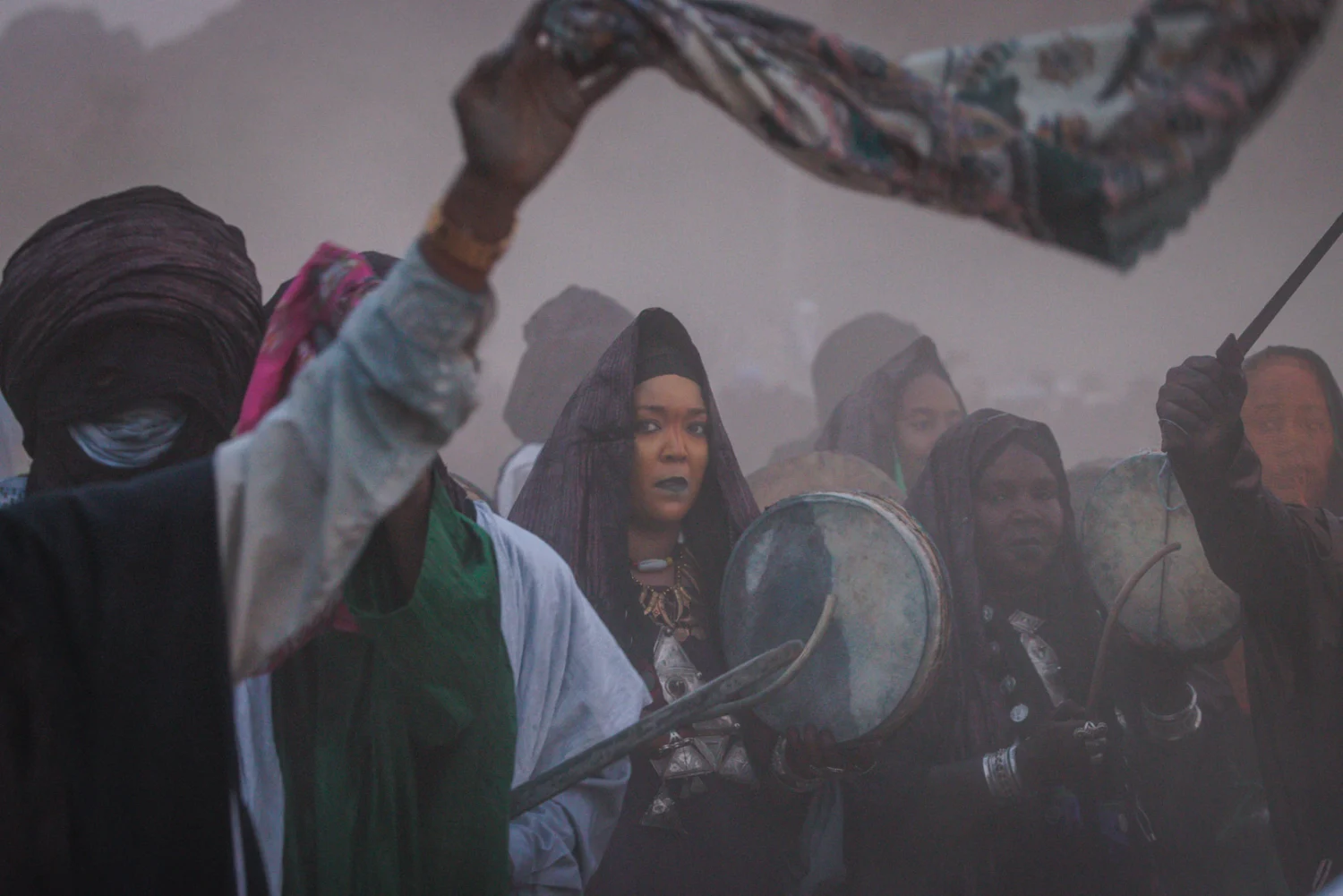
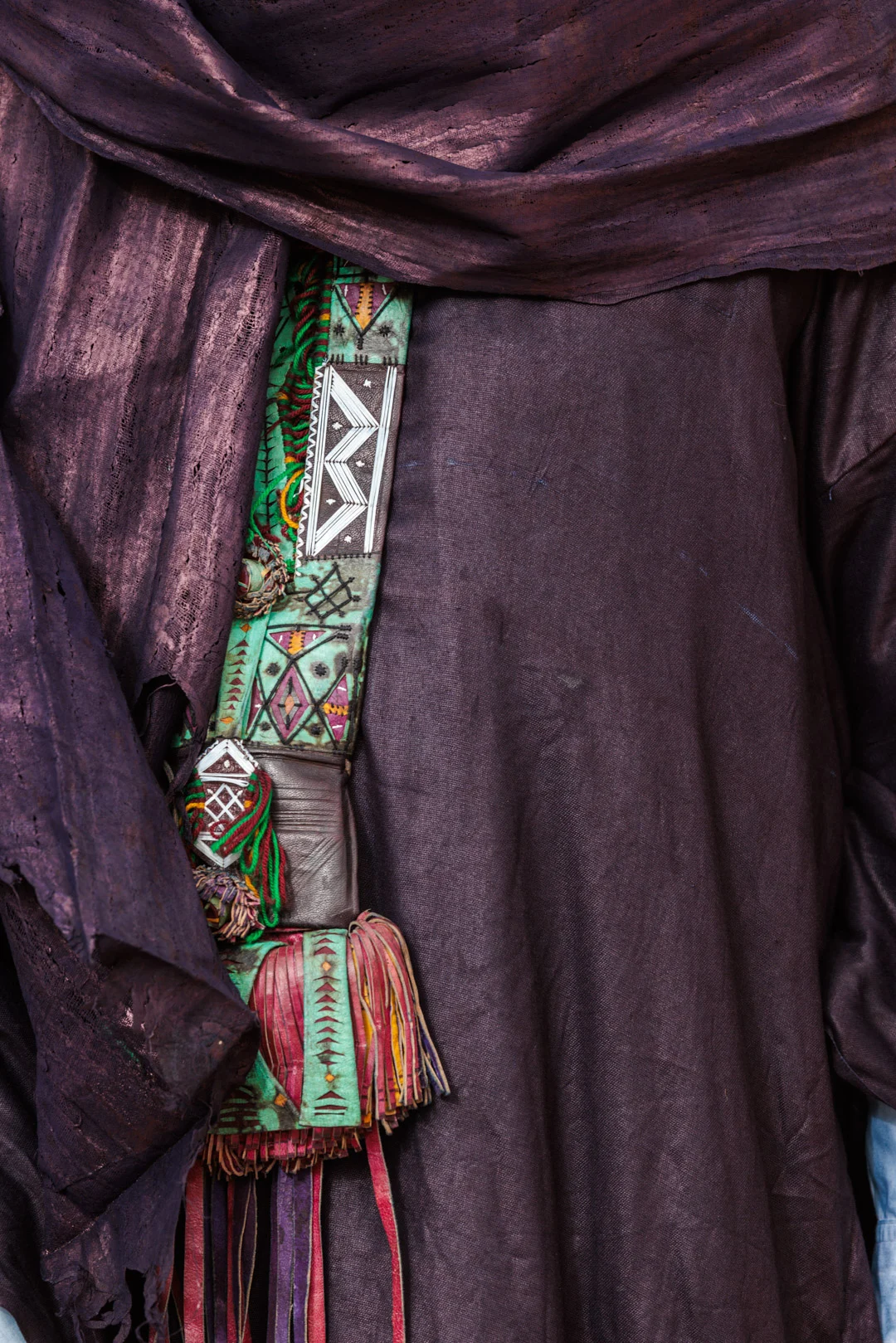
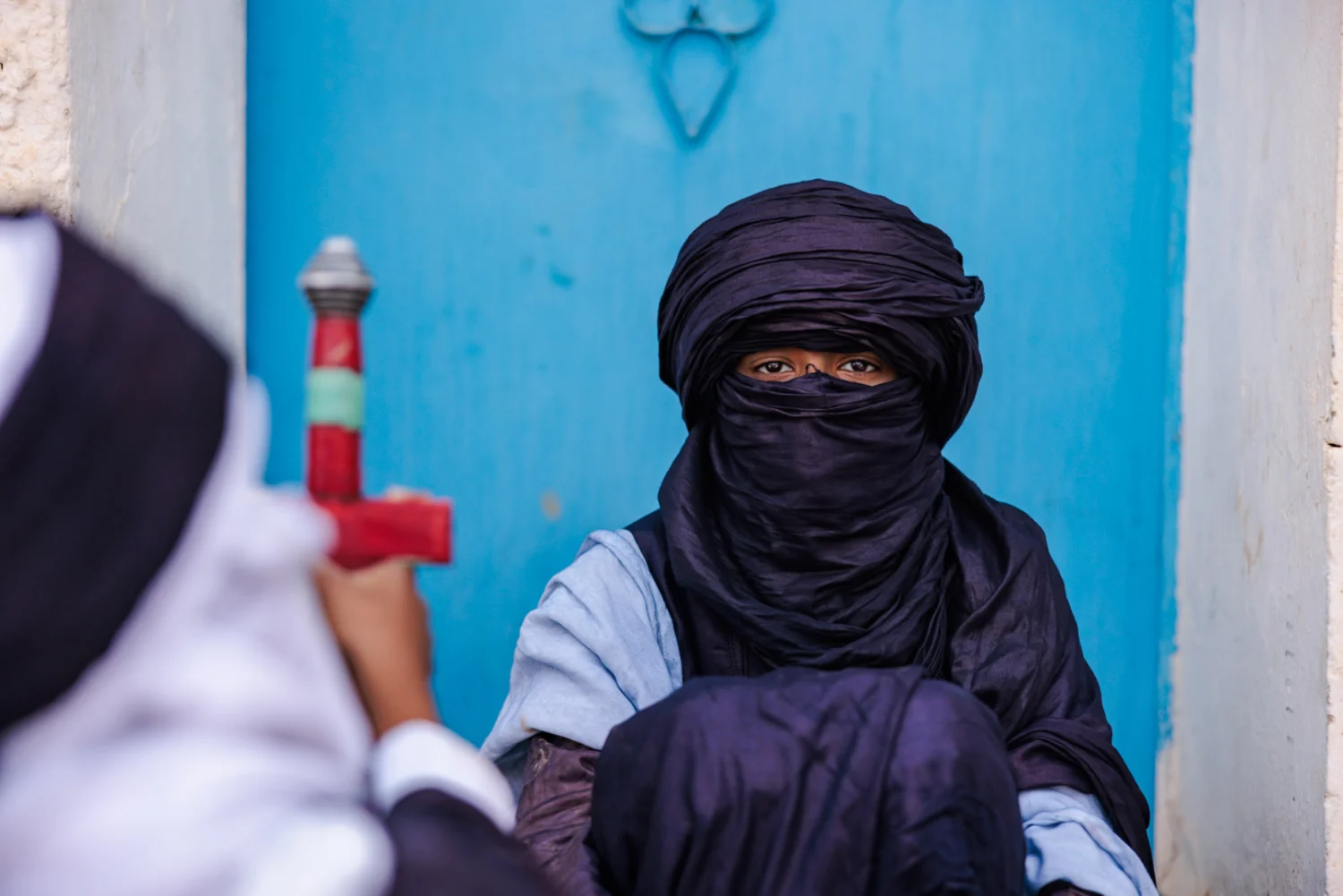
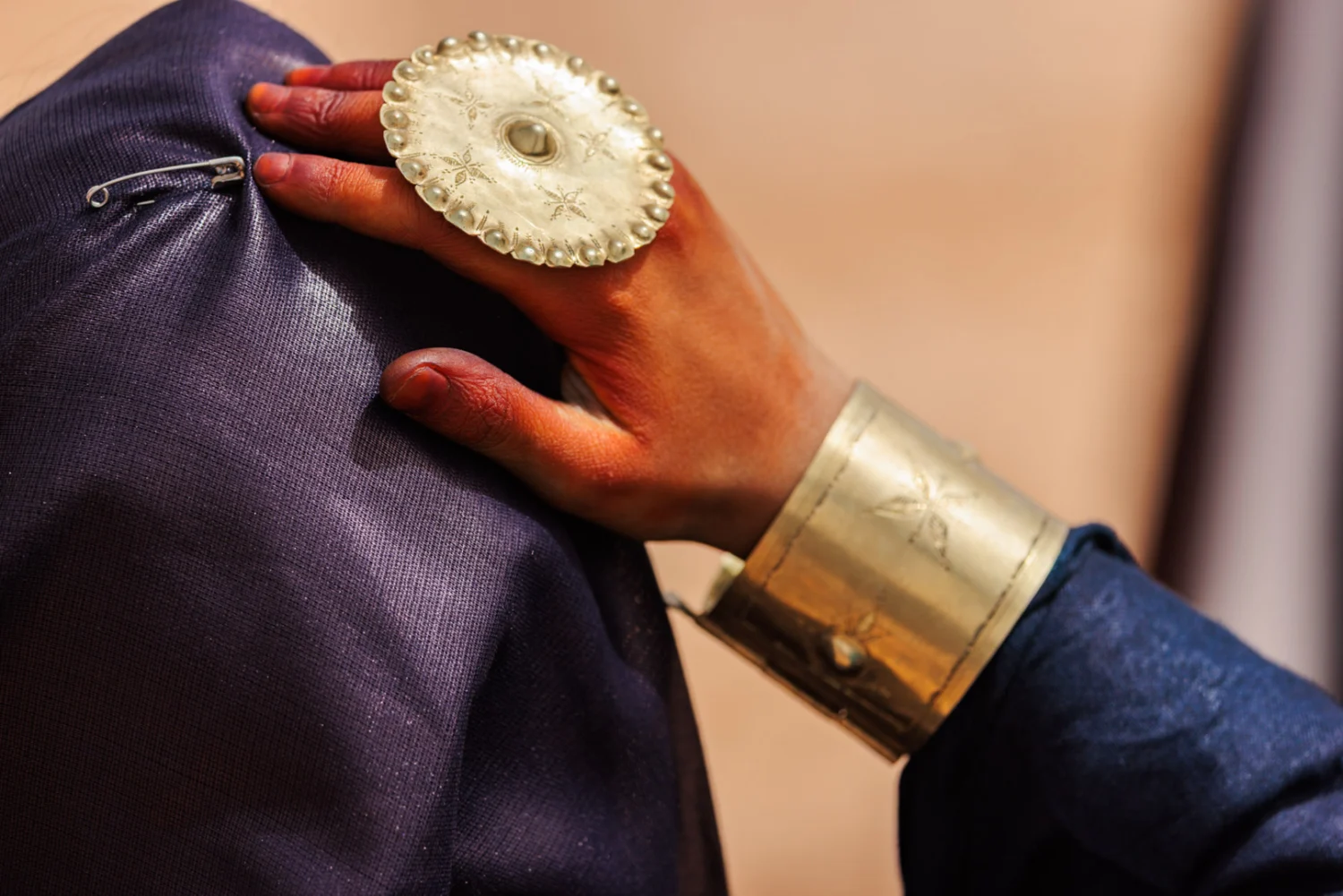
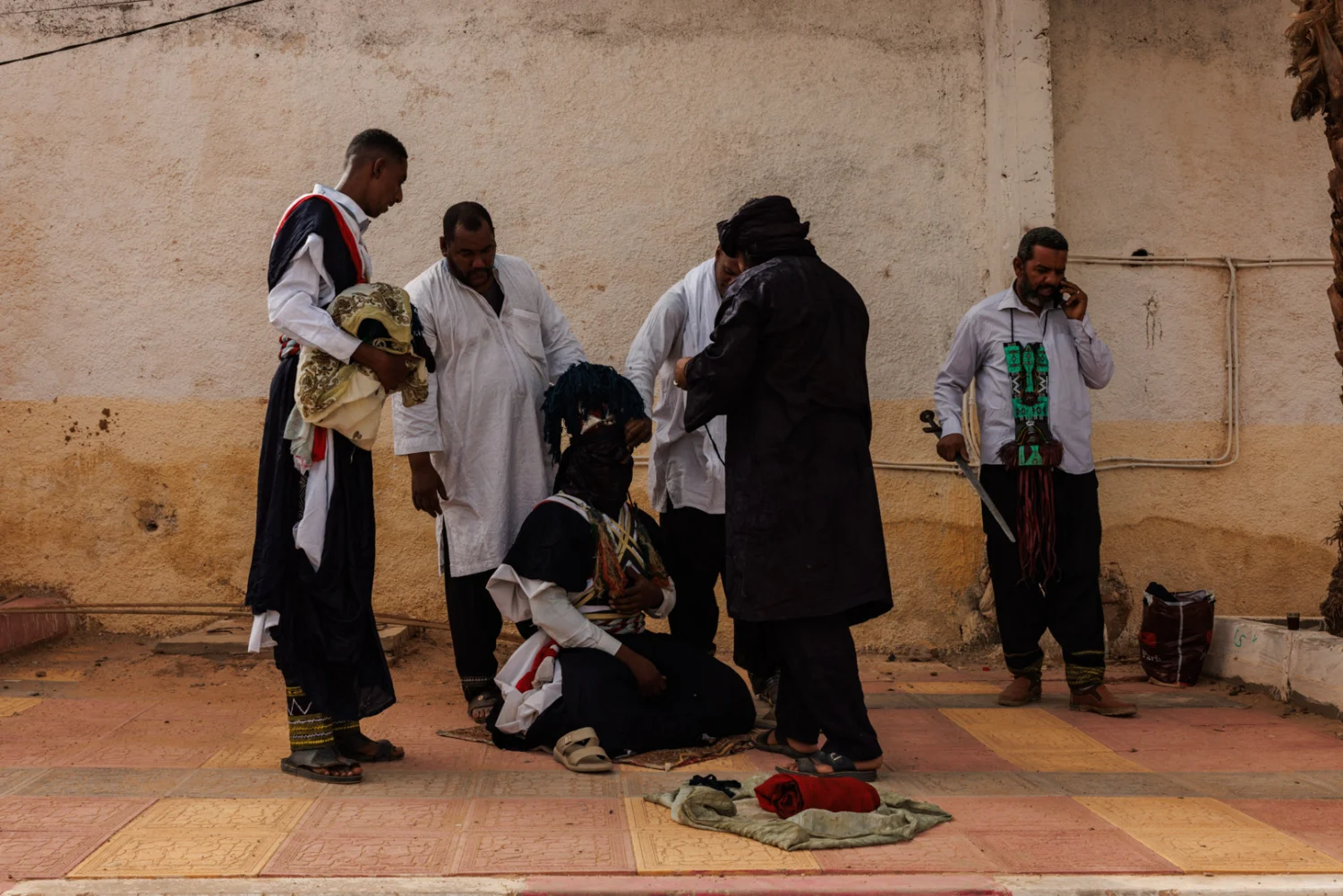
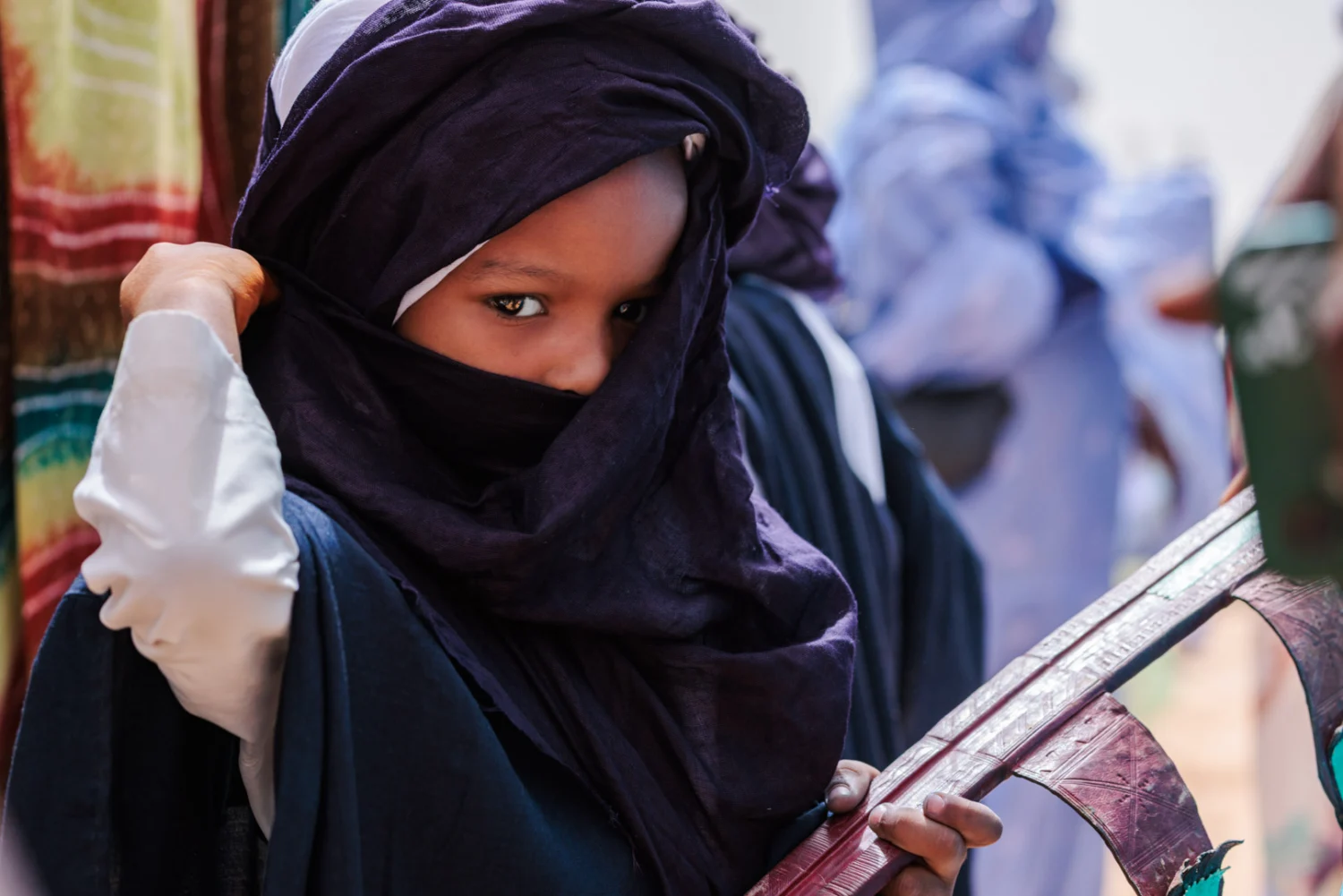
In Djanet itself, preparations for Sebeïba span weeks. Women labor over hearths, polish ancestral silver, and inspect deep indigo tagelmust headwraps that appear almost black in the shade. Musicians and dancers rehearse rigorously, selecting the performers who will carry their respective oasis quarters to victory.
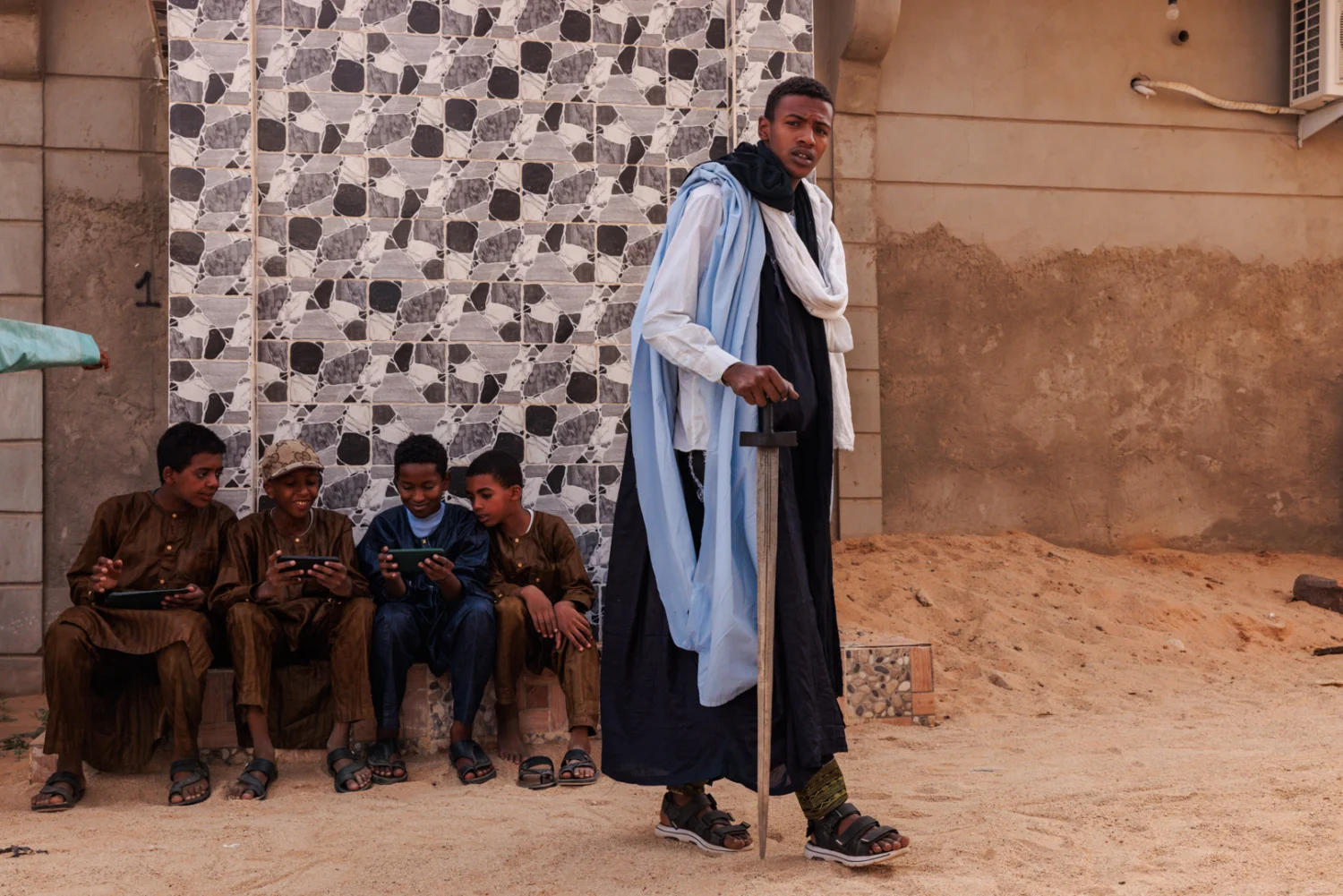
Crucially, these preliminary days serve as an educational pipeline. While children were historically barred from participating in the high-stakes rituals of the main festival day, contemporary social shifts allow youth to enter and remain within the ceremonial circle. Elders like Moussa, born into one of Djanet’s foundational families, emphasize that instilling an early, passionate love for Sebeïba is essential to keeping the tradition alive amidst encroaching modern distractions.
Phase IV: The Climax of the Festival Day
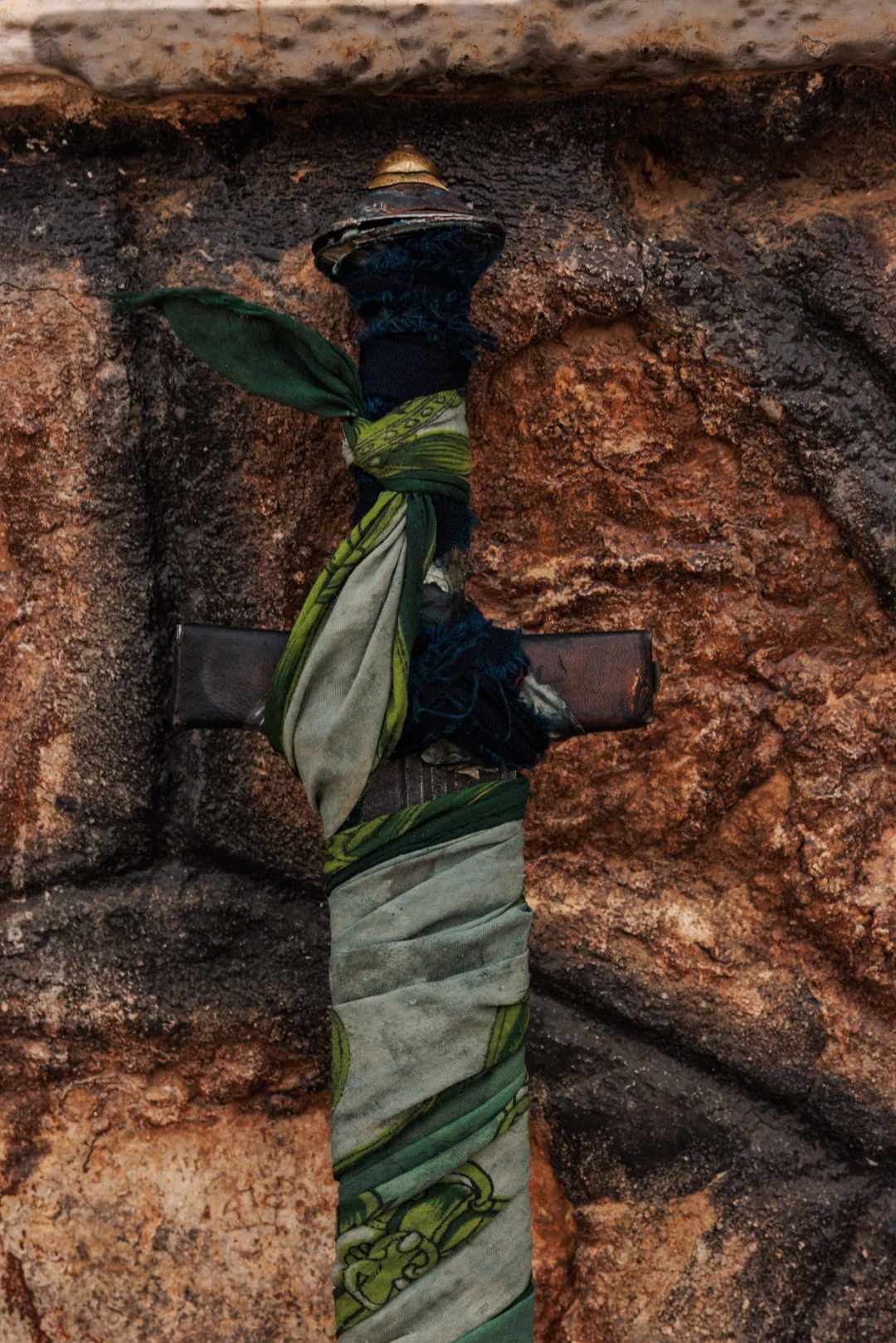
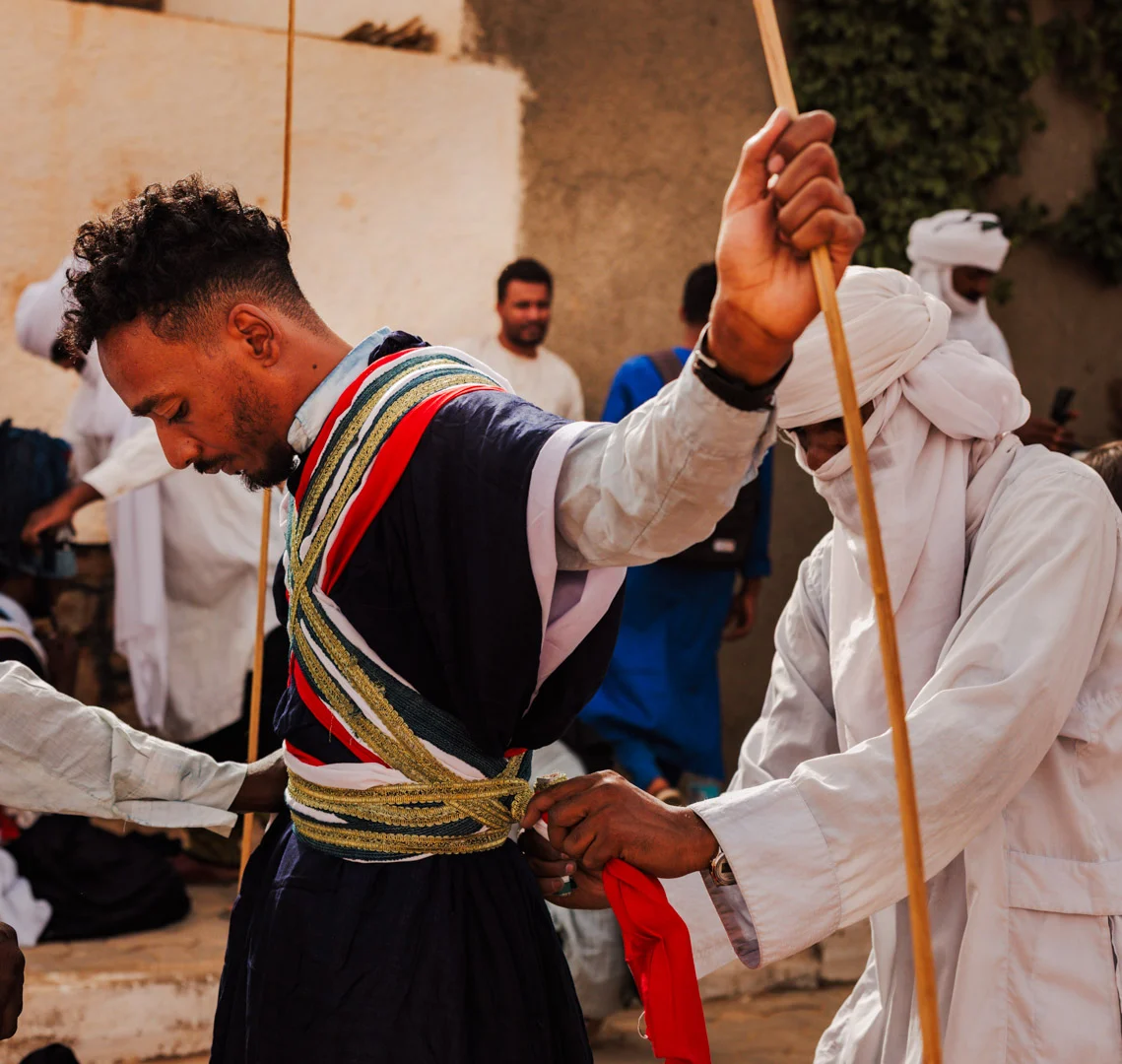
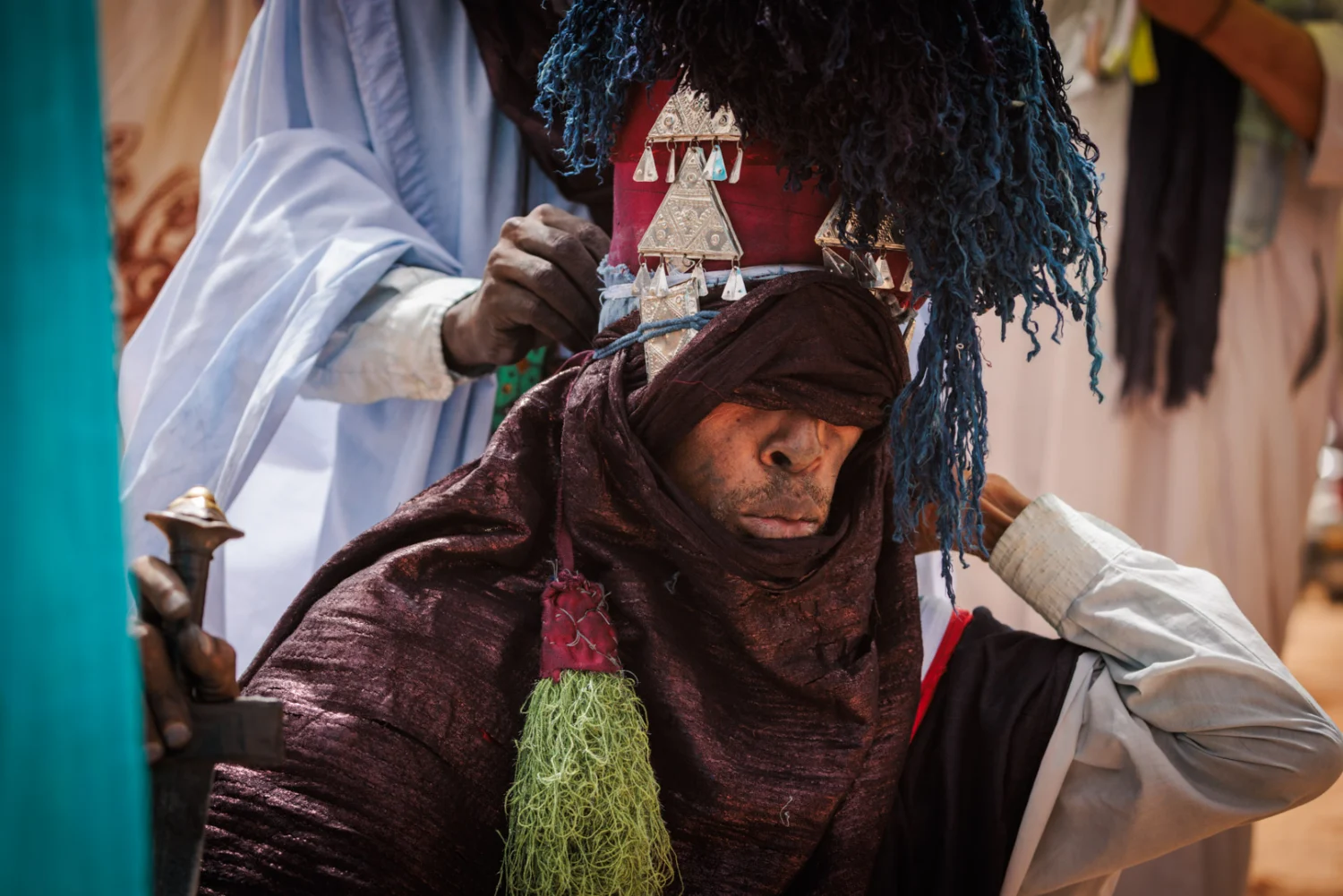
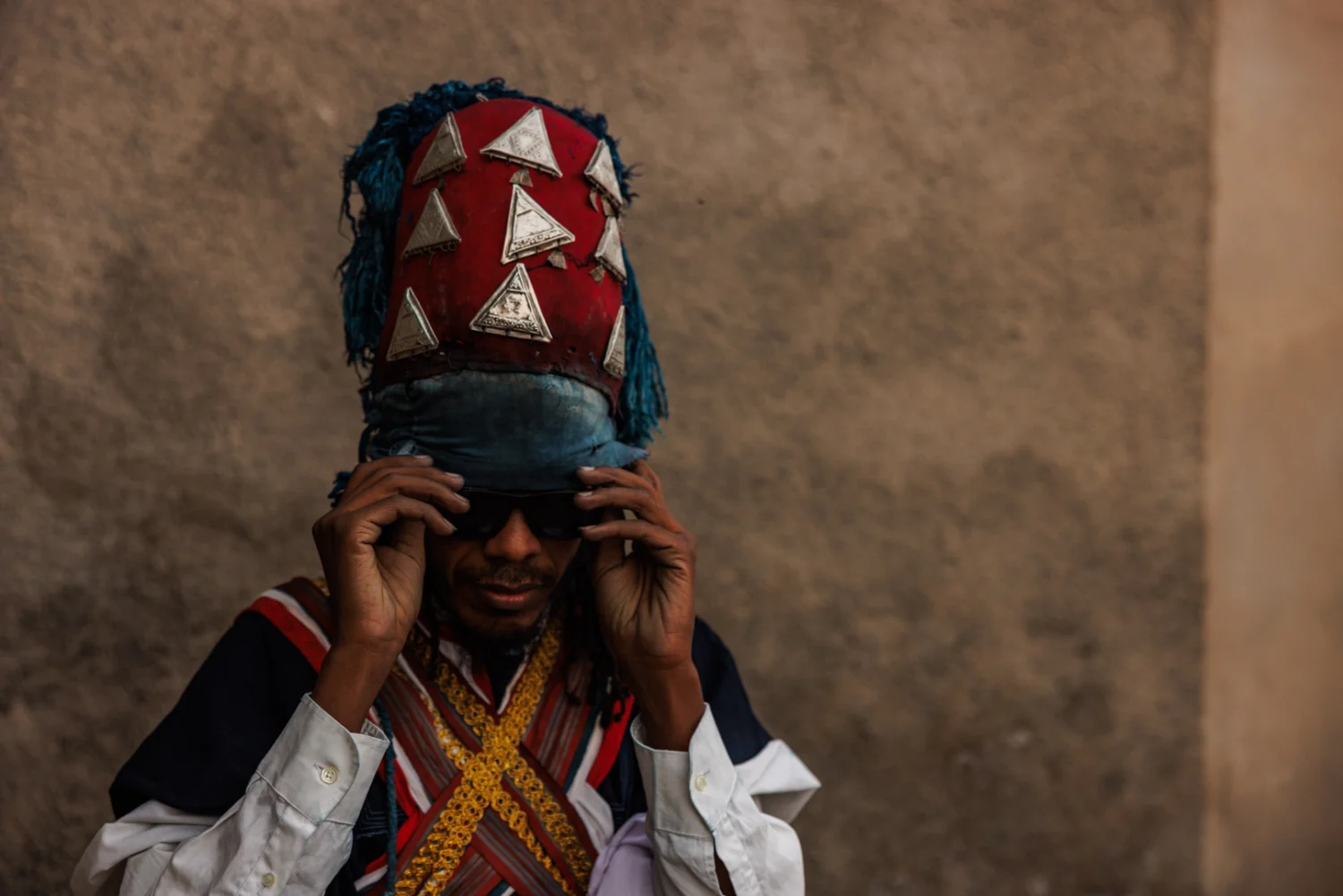
As the festival day dawns, the oasis communities of El Mihan and Zelouaz assemble along the edges of the dry riverbed (wadi). The morning (Tunfar) features intense competition judged by the quantity and quality of traditional regalia: towering red tkumbut hats studded with silver triangles, and heavy tekamest swords.
As afternoon gives way to dusk, the women’s percussion units drive the tempo. Their rhythmic mastery dictates every movement of the men’s swords. Amid rising dust, the boundaries between past and present dissolve: camel riders emerge like ships through a sand haze, swords hum like beetle wings, and the collective heartbeat of Djanet pulses to life.
Supporting Context & Metrics: Cultural Preservation vs. Modern Realities
To understand the stakes of Sebeïba, one must contextualize the broader socio-political landscape of the central Sahara. The Imuhar people face an accelerating erosion of regional connectivity.
The Loss of Transnational Networks
Historically, Sebeïba was part of a vast constellation of nomadic gatherings that stitched together communities across present-day Algeria, Niger, Libya, and Mali. Today, many of these vital links have been systematically severed:
The Hoggar: The traditional Tafsit and Ziyara festivals have largely vanished.
Trans-Saharan Gatherings: Cross-border festivals in Niger and northern Mali have ground to a halt due to regional insecurity, armed insurgencies, and counter-terrorism military operations.
State Security Overwatch: Central governments across the Sahel view transnational indigenous meet-ups with deep suspicion, fearing vectors for radicalization or separatist organizing.
Internalization and Commercialization
Cut off from their regional neighbors, Djanet’s Sebeïba has been forced to turn inward. Historically, neutral judges were brought in from as far away as Niger and Libya to ensure absolute impartiality. Today, the community must judge itself.
Simultaneously, the demographic makeup of the audience has shifted. International and trans-Saharan attendees have been largely replaced by northern Algerian tourists seeking a connection to an indigenous heritage long sidelined by mainstream urban culture.
However, this commercial and touristic integration carries a profound existential risk. As Ibrahim, a veteran local historian and teacher, warns:
"We fear that one day people will go looking for Sebeïba and we’ll be forced to buy a ticket… like at the cinema."
Material Shifts and Economic Realities
The physical artifacts of Sebeïba are also undergoing transformation:
Jewelry: Master silversmiths (Inaden) are increasingly utilizing nickel, zinc, and alloyed metals alongside diminishing reserves of pure silver to craft traditional cuffs, rings, and pendants.
Heirlooms: Once passed down rigidly from father to son or preserved within single lineages, items like the tkumbut red hats and precious swords are now frequently pooled by the municipality and assigned to the most talented active performers.
Textiles: Modern synthetic fabrics, glossy cottonades, and imported Indian saris now shimmer alongside traditional indigo weaves.
Official Statements and Local Perspectives
The preservation of Sebeïba is not maintained through institutional mandates or state-sponsored heritage boards, but through the lived philosophies of its custodians.
Moussa, Djanet Elder and Guardian of Tradition:
"Sebeïba is my ID card in the world… You will not find Sebeïba in other places."
Reflecting on the shifting origins of the festival—ranging from a celebration of Moses’ victory over the Pharaohs to a centuries-old memorial for the Queen of Sheba (the tkumbut hat) designed to ensure youth never forget her death—Moussa stresses that adaptation is built into the ritual’s DNA.
Ibrahim, Historian and Educator:
"The people who reflected on it were desert sages. It has been reasoned through, not stumbled into."
Ibrahim remains fiercely protective of the festival’s authenticity, warning against the dangers of cultural dilution. "If you have changed, you will change again and again… if you falsify today, you’ll falsify your whole life."
Aicha, Oasis Farmer and Performer:
"Our society is matriarchal, the woman is at the base of everything. All the poems are from women, all the music and rhythm is from the women, everything is from the women, the men just dance."
Aicha highlights the central role of women (elganga drummers and the hierarchical adjutum formation) in directing the emotional and structural core of the festival.
Future Outlook: The Resilience of the Oasis
As dusk settles over the Tassili N’Ajjer mountain range—where towering sandstone formations stand like silent sentinels—the immediate sensory chaos of Sebeïba fades into a profound stillness. A pair of desert jackals dart silently across the wadi, and a traditional goatskin abayoug (camel sidepiece) bounces gently against the window of a departing vehicle.
The future of Sebeïba hangs in a delicate balance. On one hand, the festival faces acute threats from the pressures of modern tourism, smartphone distractions among the youth, economic pressures that limit traditional craftsmanship, and the rigid securitization of the Sahara by national governments.
On the other hand, the sheer tenacity of Djanet’s people proves that the desert’s apparent emptiness is an illusion. By integrating younger generations directly into the rituals, pooling community resources to maintain regalia, and continuing to compose dynamic new poems honoring modern societal heroes alongside ancient verses, Sebeïba demonstrates an extraordinary capacity for self-renewal.
It remains a blazing cultural lighthouse in the heart of the Sahara—a defiant assertion of identity, memory, and communal survival that refuses to be buried by the shifting sands of time.




Comments
Facebook App ID not configured. Please add it in the Customizer.