
Executive Overview
For a quarter-century, the public narrative surrounding public health and body weight in the United States has moved in only one direction: upward. Despite decades of well-intentioned public health initiatives, menu calorie-labeling mandates, localized soda taxes, wellness programs, and an extensive library of nutritional research, the statistics have remained stubbornly grim. Decades of admonishments urging Americans to "eat less and move more" failed to turn the tide. According to data from the Centers for Disease Control and Prevention (CDC), the proportion of US adults with obesity remained virtually unchanged between 2013 and 2023, hovering near an age-adjusted 40.3 percent, while severe obesity climbed from 7.7 percent to 9.7 percent.
This plateau in physical metrics carried a devastating toll. Epidemiological models estimate that obesity contributed to approximately 18 percent of all deaths among Black and white Americans aged 40 to 85 between 1986 and 2006. Acting as a silent delivery system for a constellation of life-threatening conditions—ranging from type 2 diabetes and kidney failure to heart disease and obstructive sleep apnea—obesity has long been one of modern medicine’s most intractable challenges.
Read Also
However, recent data suggests a watershed moment has arrived. A landmark report published by Gallup revealed that the self-reported US adult obesity rate dropped to 36.4 percent, falling from a peak of 39.9 percent in 2022. Concurrently, the percentage of American adults utilizing GLP-1 receptor agonists for weight management surged from 3 percent in 2024 to 11 percent by 2026—translating to roughly 29 million people.
While researchers are quick to note that correlation does not equal causation—and that self-reported survey data cannot be directly conflated with clinical CDC measurements—the timing is striking. Yet, as transformative as these medications are for weight loss, framing them merely as cosmetic or weight-management tools fundamentally misses the mark. Emerging clinical trials reveal that weight loss may not be what GLP-1 receptor agonists do best. Their true value lies in a sweeping array of systemic benefits that are quietly rewriting the future of internal medicine, cardiology, nephrology, and neurology.
Detailed Chronology: From Gila Monsters to Global Blockbusters
The journey of GLP-1 (glucagon-like peptide-1) receptor agonists from obscure biochemical derivatives to the cornerstone of modern pharmacology is a testament to serendipity in medical research.
- The Origins: The scientific pathway to semaglutide and tirzepatide began decades ago, partly inspired by isolating exendin-4—a peptide found in the venom of the Gila monster (Heloderma suspectum). Researchers discovered that this venom-derived compound mimicked human incretin hormones, which stimulate insulin secretion and regulate blood sugar.
- 2005–2010 (The Diabetes Era): Early iterations of GLP-1 medications were developed and approved strictly as adjunct treatments for type 2 diabetes. Weight loss was initially observed merely as an intriguing side effect during clinical trials.
- 2021 (The Anti-Obesity Breakthrough): Recognizing the profound appetite-suppressing qualities of these compounds, pharmaceutical developers tested higher therapeutic doses explicitly for chronic weight management. The subsequent FDA approval of Wegovy in 2021 marked the official entry of GLP-1s into the weight-loss arena.
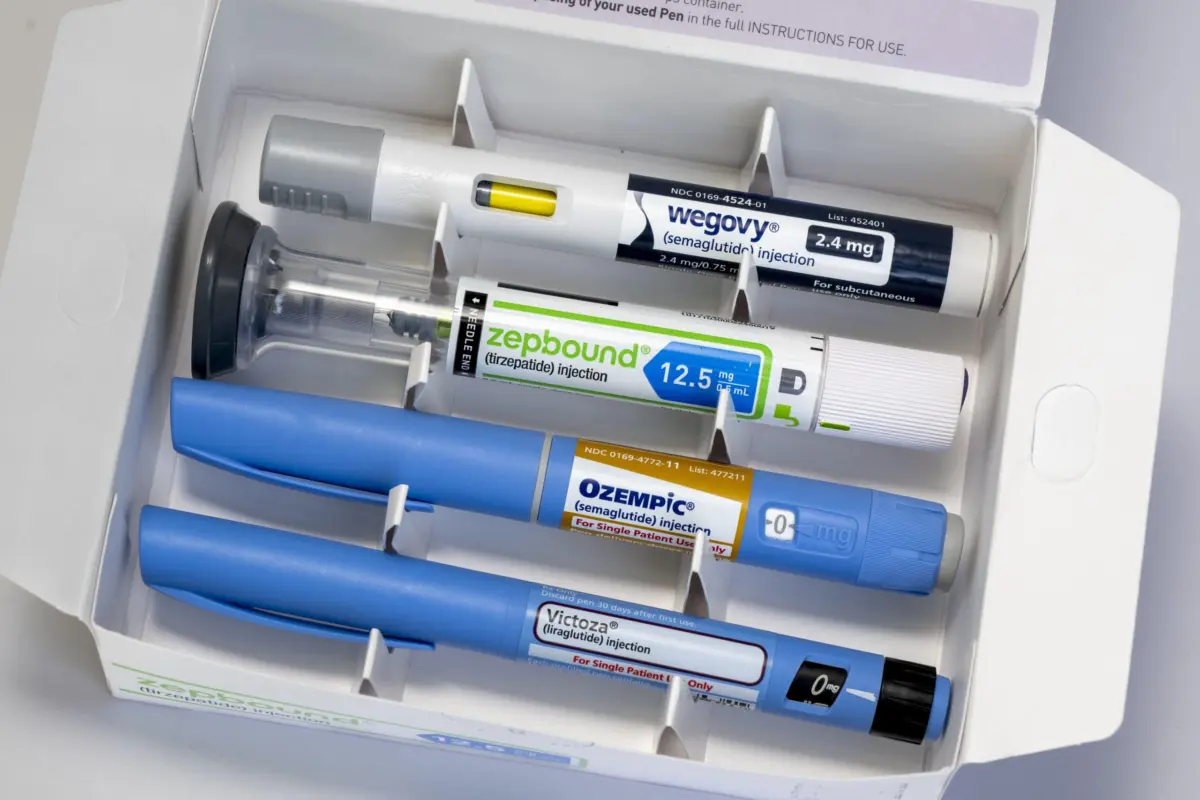
- 2024–2026 (The Systemic Shift): As millions began utilizing drugs like Ozempic, Mounjaro, Zepbound, and Wegovy, clinical attention shifted rapidly from aesthetic transformations to profound multi-organ health improvements. By 2026, oral formulations began entering the market at reduced price points, democratizing access and accelerating adoption to nearly 29 million American users.
Supporting Context & Metrics: The Expanding Frontier of Health Benefits
While popular culture remains fixated on the cultural debates surrounding "Ozempic face" and celebrity weight loss, the medical community is grappling with a rapidly expanding portfolio of clinical victories.
1. Obstructive Sleep Apnea
For patients suffering from severe sleep apnea, breathing can stop dozens of times every hour throughout the night, driving up blood pressure, straining the cardiovascular system, and spiking the risk of stroke. In two landmark one-year clinical trials involving 469 participants, treatment with tirzepatide (sold as Mounjaro and Zepbound) reduced breathing interruptions by more than 50 percent. Crucially, roughly half of the trial participants concluded the year with complete remission of their sleep apnea or with such minimal residual symptoms that daytime fatigue was eliminated.

2. Chronic Kidney Disease
Nephrology has experienced some of the most profound impacts from GLP-1 therapy. A major clinical trial tracking 3,533 patients with type 2 diabetes and chronic kidney disease for a median of 3.4 years found that semaglutide reduced the relative risk of a composite endpoint—encompassing kidney failure, a sustained 50 percent loss of kidney function, or death from renal or cardiovascular causes—by 24 percent. Furthermore, all-cause mortality in the treatment group was 20 percent lower than in the control group.
3. Metabolic Dysfunction-Associated Steatohepatitis (MASH)
Liver disease, particularly fatty liver disease accompanied by inflammation and fibrosis, has historically lacked effective pharmacological interventions. In an ongoing biopsy-controlled trial evaluating 800 patients with advanced liver scarring, participants receiving semaglutide experienced a complete clearing of liver inflammation in nearly 63 percent of cases after 72 weeks, without worsening fibrosis, compared to just 34 percent in the placebo cohort.
4. Knee Osteoarthritis
Weight-bearing joints bear the brunt of metabolic disease. In a study of 407 adults with obesity and moderate knee osteoarthritis, pain scores measured on the standardized 0-100 WOMAC metric dropped by 41.7 points among those taking GLP-1 therapy, compared to a 27.5-point reduction in the placebo group.
5. Cardiovascular Protection
Perhaps the most definitive data involves macrovascular health. A massive 17,604-person trial evaluating overweight and obese participants without diabetes demonstrated a definitive 20 percent reduction in major adverse cardiovascular events (such as heart attack and stroke) among those treated with GLP-1 medications.
Official Statements and Institutional Perspectives
The rapid societal integration of GLP-1 therapeutics has forced public health agencies, health policy experts, and medical institutions to reevaluate clinical guidelines and economic frameworks.
Public health economists and endocrinologists increasingly emphasize that treating obesity as a chronic metabolic disease—rather than a failure of personal willpower—is essential for long-term population health. Institutional bodies have pointed out that while the upfront cost of biologic therapies remains high, mitigating downstream expenditures related to dialysis, coronary bypass surgeries, and stroke rehabilitation could ultimately balance healthcare ecosystems.
However, institutional watchdogs also maintain rigorous vigilance regarding potential risks. Regulatory bodies, including the US Food and Drug Administration (FDA), continue to monitor rare safety signals. While early rodent studies suggested a link between high-dose GLP-1s and thyroid C-cell tumors, extensive human epidemiological reviews—such as recent studies from the Mayo Clinic—have largely attributed initial signals to detection bias rather than direct causation, though specific warnings remain on product labeling. Furthermore, large-scale meta-analyses, such as a Harvard-led pooling of 48 trials encompassing over 94,000 patients, confirm that while the drugs do not universally alter broad cancer risks, ongoing surveillance is mandatory.
Future Outlook: Overcoming Barriers to a New Medical Paradigm
Despite their astonishing clinical efficacy, GLP-1 therapies face persistent structural, financial, and cultural barriers as they enter their next phase of adoption.

The Affordability Crisis and Economic Evolution
Cost remains the single greatest impediment to universal healthcare delivery for these compounds. According to a 2025 KFF health tracking poll, 56 percent of adults who had ever used a GLP-1 reported that the medications were difficult to afford, with 27 percent paying out-of-pocket despite holding health insurance coverage. Clinical chart reviews from institutions like the Cleveland Clinic indicate that financial barriers—rather than adverse side effects—are the primary driver for discontinuation among non-diabetic patients.
Nevertheless, market forces are actively shifting. The recent approval of oral GLP-1 formulations—which debuted with cash-pay options starting around $149 a month—alongside expanding Medicare coverage models bridging weight-loss indications for specific cohorts, signal a trend toward broader economic accessibility.
Muscle Mass Management
Clinical data indicates that approximately 25 percent of the total weight lost during GLP-1 therapy stems from lean muscle mass. While this proportion mirrors normal physiological adaptation seen in standard diet-induced weight loss, preserving muscle integrity remains a vital focus for geriatric and metabolic researchers, particularly when treating older demographics where sarcopenia poses severe functional risks.
The Cultural Stigma of Body Weight
Beyond biology and economics lies a deeply entrenched cultural hurdle: societal judgment. Sociological research from institutions like Rice University demonstrates that individuals utilizing GLP-1 medications often face harsher social stigmatization than those who never lost weight at all. This cultural paradox underscores the toxic relationship American society maintains with weight, morality, and appearance.
Medicine’s Happy Accidents
History suggests that medical breakthroughs frequently arrive through serendipity. Just as sildenafil (Viagra) transitioned from a failed angina treatment to a revolutionary cardiovascular and urological asset, and minoxidil shifted from a hypertension pill to a hair-growth solution, GLP-1 receptor agonists have transcended their diabetic origins to redefine internal medicine.
Ultimately, two profound truths coexist: American culture continues to struggle with a deeply problematic, moralized discourse surrounding weight, yet tens of millions of individuals are experiencing life-altering medical benefits across multiple organ systems. For modern medicine, weight loss is no longer the destination; it is simply where the true healing begins.





Comments
Facebook App ID not configured. Please add it in the Customizer.