
Executive Overview
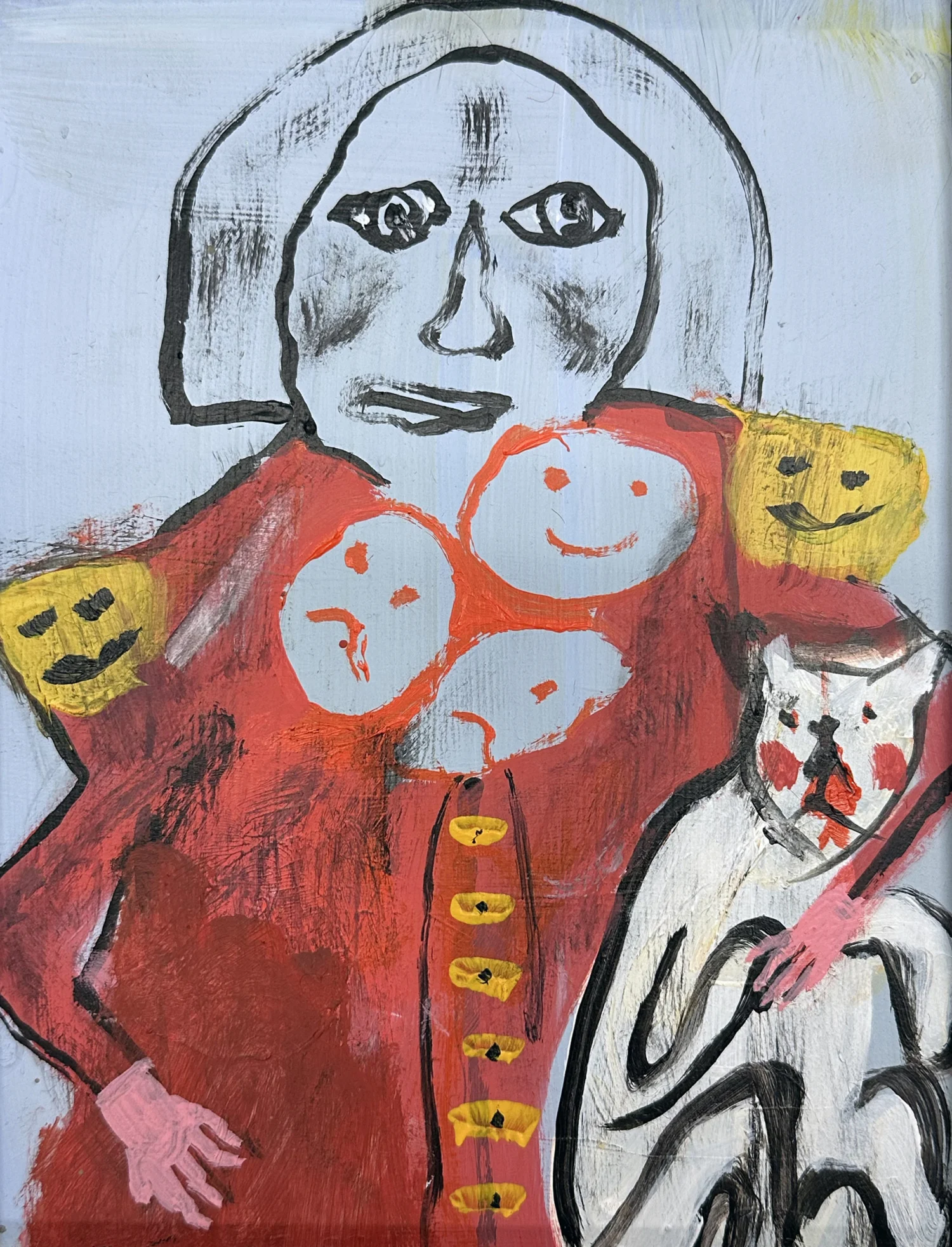
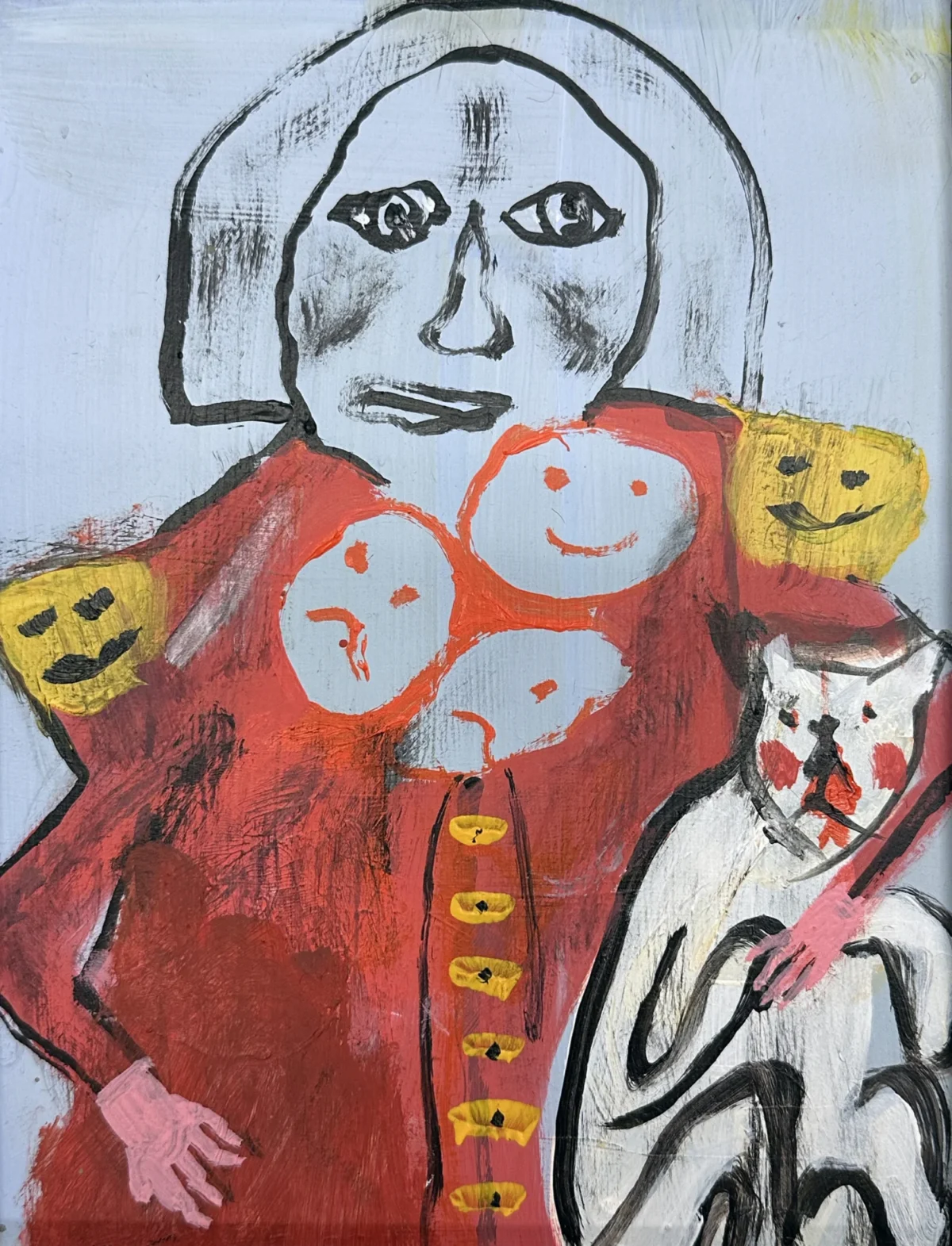
In the quiet hours of domestic labor, far from the gaze of public accountability, homes can become pressure cookers of profound alienation. A recently published literary work, circulating through high-profile cultural journals like Guernica, has once again thrust the harrowing realities of maternal burnout, isolation, and systemic neglect into the public discourse. Though presented in verse by translator and writer Melissa Monroe, the text reads as a stark sociological case study—an unflinching look at a household fractured not merely by interpersonal friction, but by institutional intrusion, extreme exhaustion, and a chilling dynamic of psychological dominance.
At the center of this narrative is an unnamed mother trapped within a suffocating ecosystem of absolute responsibility and invisible labor. Flanked by five children and armed with a single kitchen knife, her breaking point manifests as an eruption of despair that society is all too quick to dismiss as madness. Yet, beneath the sensationalized surface of the tragedy lies a much more insidious reality: a husband indifferent to the crushing weight of unpaid domestic labor, and an enigmatic, omnipresent figure known only as "Doctor D."
This investigative review examines the structural conditions that give rise to such domestic breakdowns. By analyzing the intersection of maternal isolation, financial subjugation, and psychological surveillance, this article explores how contemporary households can transform into sites of quiet terror. Through structural critique, expert commentary, and a detailed examination of the literary and sociological motifs embedded within the text, we unpack the anatomy of a breakdown and the systemic failures that leave caregivers entirely unmoored.
Read Also
Detailed Chronology: The Anatomy of a Breakdown
To understand the final, shattering collapse of the domestic space, one must trace the invisible timeline of erosion that precedes it. Domestic tragedies rarely occur in a vacuum; they are built upon years of unacknowledged labor, psychological attrition, and systemic entrapment.
Phase One: The Foundation of Solitude
The trajectory begins long before any overt crisis emerges. It starts with the division of labor that is structurally uneven yet culturally mandated as "natural." In the narrative account, the protagonist shoulders the entire burden of survival. She is the sole caretaker, waking through the night alone, washing diapers by hand, hauling the heavy loads of domestic sustenance, and rearing the children while maintaining a social facade—smiling through the exhaustion.
Sociologists often refer to this as the "second shift," but in conditions of absolute isolation, it is a twenty-four-hour marathon with no relief pitcher. The physical toll is matched only by the psychological degradation: the image of her scratching hardened eggs from the stone floor with her bare fingernails is a potent metaphor for the reduction of a human life to endless, menial remediation.
Phase Two: The Architecture of Entrapment
Enter "Doctor D." A contradictory and overbearing presence, Doctor D. was initially opposed to the couple’s marriage, yet he orchestrated their material foundation, gifting them a house, a car, and financial capital for their wedding. This paradox establishes a dangerous dynamic of indebtedness. From day one, Doctor D. is not an external acquaintance; he is an institutional fixture embedded within the private sphere.
His encroachment is totalizing. He names the children, stripping the parents of their autonomous legacy. He invades the most intimate spaces—breathing on the necks of the infants in the marital bed, and eventually inserting himself physically and psychologically between the spouses the moment sleep overtakes them. His justification is simple and absolute: He said everything was his, after all. Through financial leverage, Doctor D. transforms the home from a sanctuary into a panopticon.
Phase Three: The Erasure of Reality and the Final Act
As the pressure mounts, the protagonist attempts to voice her grievances, shifting the blame to a husband who remains willfully blind and devoid of empathy for her solitary struggle. Yet, her accusations fall on deaf ears. When the breaking point arrives—symbolized by the five children and the single kitchen knife—the external world refuses to examine the systemic causes of her desperation.
Instead, society offers a reductive diagnosis: She has completely lost her mind. She is cast into isolation, ostensibly separated from the source of her trauma, yet the haunting persists. Even within institutional confines or new surroundings, the specter of Doctor D. remains. In his white lab coat reeking of chlorine, with cold hands and a perpetual smile, he traverses walls just as he always did. She is left in a state where she is simultaneously alone and never truly free.
Supporting Context & Metrics: The Crisis of Maternal Isolation and Domestic Control
The themes captured in the narrative reflect chilling statistical realities regarding modern domestic labor, maternal mental health, and the mechanics of coercive control.
The Invisible Economy of Unpaid Labor
According to data compiled by global labor organizations and sociological institutes, women globally perform more than three-quarters of all unpaid care work. In high-stress environments lacking robust communal or state-sponsored childcare infrastructure, this imbalance acts as a primary catalyst for clinical depression and anxiety disorders among primary caregivers.
- The Sleep Deficit: Chronic sleep deprivation—such as the endless night-wakings described in the text—is known to impair cognitive function, emotional regulation, and neural plasticity, effectively reducing an individual’s capacity to withstand psychological stressors.
- The Toll of Physical Labor: Repetitive, physically demanding chores without ergonomic support or mechanical aid contribute to chronic musculoskeletal pain, further eroding the caregiver’s physical and mental resilience.
Financial Subjugation and Coercive Control
The role of "Doctor D." as a benefactor who simultaneously strips away autonomy mirrors classic patterns of coercive control and financial abuse. Abusive or domineering entities often utilize gift-giving and financial dependency to establish traps from which escape is virtually impossible.
- The Panopticon Home: When a third party provides the housing, transportation, and capital, the boundaries separating private life from outside surveillance dissolve. The victim loses the fundamental right to privacy within their own sanctuary.
- Psychological Gaslighting: By dictating foundational elements of the family’s life—such as naming the children—the controlling entity asserts ontological dominance, making the victims feel as though their identity is merely an extension of the controller’s will.
Official Statements and Expert Perspectives
Mental health professionals, sociologists, and legal advocates specializing in domestic dynamics emphasize that cultural narratives like this poetry-turned-cautionary-tale serve a vital function in exposing hidden abuses.
"When we look at cases of extreme maternal breakdown or domestic violence, our judicial and social systems often suffer from acute myopia. We judge the final act—the knife, the scream, the breakdown—while entirely ignoring the decades of structural isolation, financial entrapment, and emotional abandonment that built the cage."
— Dr. Elena Vance, Institute for Gender and Domestic Dynamics
Experts argue that society’s rush to label overburdened mothers as "insane" is a defense mechanism. To acknowledge that a domestic environment can be so thoroughly toxic and demanding as to break a human mind requires confronting systemic failures in how we value caregiving, distribute domestic labor, and regulate privacy within the home.
Furthermore, legal scholars note that figures resembling "Doctor D."—individuals who use economic leverage to infiltrate and subvert family autonomy—often operate in a legal gray area. Because the control is exerted through voluntary financial arrangements and psychological manipulation rather than overt physical violence, victims find little recourse within traditional law enforcement frameworks.
Future Outlook: Reforming the Domestic Sphere
As public discourse increasingly intersects with artistic explorations of domestic trauma, several critical pathways forward emerge for policymakers, mental health advocates, and communities seeking to prevent such tragedies:
- Redefining Domestic Labor Support: Universal access to mental health resources, respite care, and community-based support networks must be prioritized to dismantle the isolation that traps primary caregivers.
- Expanding Legal Definitions of Abuse: Legal frameworks must evolve to better recognize and prosecute non-physical forms of abuse, including coercive control, financial entrapment, and systemic psychological surveillance by third parties.
- De-stigmatizing Maternal Mental Health: Society must move away from the pathologization and immediate demonization of mothers in crisis, replacing moral judgment with rigorous investigative empathy that uncovers why the breaking point was reached.
Ultimately, the haunting persistence of figures like Doctor D., and the desperate acts of women left to fight impossible battles alone, serve as an urgent warning. Until we dismantle the architectures of isolation that turn homes into prisons, the cries emanating from behind closed doors will continue to echo—unheard, unheeded, and tragically misunderstood.





Comments
Facebook App ID not configured. Please add it in the Customizer.