
GLOBAL AFFAIRS & CULTURAL CRITICISM
Special Investigative Report
Executive Overview
Language has long been understood as humanity’s greatest technological achievement—a sophisticated vehicle for empathy, preservation of history, and collaborative innovation. However, a profound and unsettling body of contemporary literary criticism, philosophical inquiry, and socio-linguistic analysis suggests a darker, more volatile origin for human speech: the blueprint of war.
Recent discourse, catalyzed by evocative artistic expressions such as the widely discussed poetic work Origin Story for War, forces a rigorous re-examination of how lexical choices construct the scaffolding of human conflict. At the heart of this linguistic autopsy is a deceptively simple possessive pronoun: mine.
Read Also
This investigation explores the hypothesis that violent geopolitics and localized armed conflicts do not begin with the physical mobilization of troops, the hoarding of munitions, or the drawing of disputed borders on parchment. Rather, they originate in the microscopic architecture of grammar. When human beings first claimed ownership through the articulation of mine, they inadvertently uncorked a cascade of divisive nomenclature—progressing inexorably through us and them, mutating through want and need, and culminating in the definitive, fatal verb: take.
By examining the intersections of linguistics, agricultural metaphors, environmental psychology, and the generational transmission of trauma, this report deconstructs how human language systematizes dehumanization. We trace the trajectory from domestic innocence—symbolized by children playing soldier under live oaks—to the chilling depersonalization of the battlefield, where living opponents and even ordered rows of agriculture are psychologically flattened into faceless adversaries. Ultimately, this piece asks a haunting, fundamental question: When did pain, suffering, and destruction become dialects of human interaction?
Detailed Chronology: The Evolutionary Trajectory from Utterance to Atrocity
To understand how a word can precipitate a war, one must trace the historical and psychological timeline through which human societies transition from communal existence to factional slaughter. Scholars of socio-linguistics break this descent into five distinct, compounding phases.
Phase 1: The Genesis of Exclusion (Mine)
The psychological threshold of conflict is crossed the exact moment collective stewardship yields to individual enclosure. Anthropological linguists note that early human survival depended on hyper-cooperation. Yet, the conceptual breakthrough of individuation required a linguistic tool to separate the self and the immediate kin group from the broader environment.
- “You tell me it began with the word mine.”
- Once an object, a patch of earth, or a resource is explicitly named and claimed, its ontological status shifts. It ceases to be a shared element of the natural world and becomes property. Naming brings the asset into legal and psychological reality, simultaneously creating an "outside" where the non-possessors reside.
Phase 2: Tribal Polarization (Us and Them)
Once the concept of mine is established, the psychological machinery of in-group favoritism and out-group hostility activates. The boundary established by possession demands reinforcement.
- The progression from mine to us and them is virtually instantaneous in human cognitive processing.
- Us creates a cocoon of shared identity, morality, and intrinsic value, while them acts as a linguistic dumping ground for suspicion, foreignness, and potential threat. This linguistic bifurcation lays the groundwork for all subsequent geopolitical polarization, transforming neighbors into perpetual strangers.
Phase 3: Escalation of Desire (Want, Need, and Take)
Possession breeds scarcity, real or imagined. The linguistic apparatus quickly adapts to service mounting appetites.
- Humans begin experimenting with the word want in their mouths, rolling it over the tongue until it loses its tentative quality and hardens into need.
- In the crucible of perceived scarcity, need justifies moral exceptions. It provides the psychological clearance required to cross ethical boundaries.
- The linguistic evolution is completed when the tongue forcefully turns need into take. At this juncture, the transition from passive desire to active, aggressive appropriation is complete. Language has successfully converted theft and conquest into imperatives of survival.
Phase 4: Environmental Assimilation and the Metaphor of the Faceless Army
Warfare relies heavily on the metaphorical flattening of the landscape and the enemy. As conflict looms, nature itself is co-opted into the grammar of hostility.
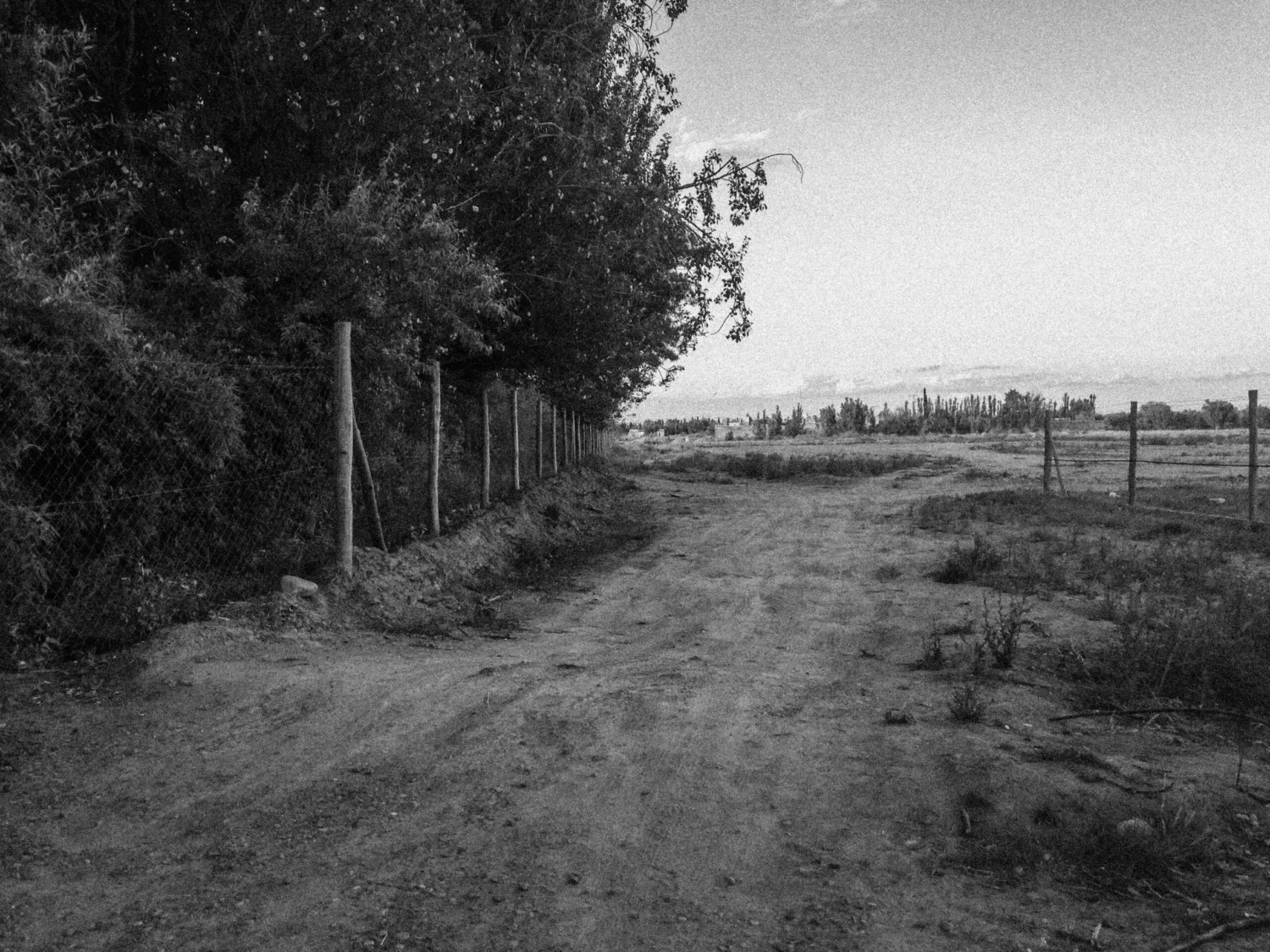
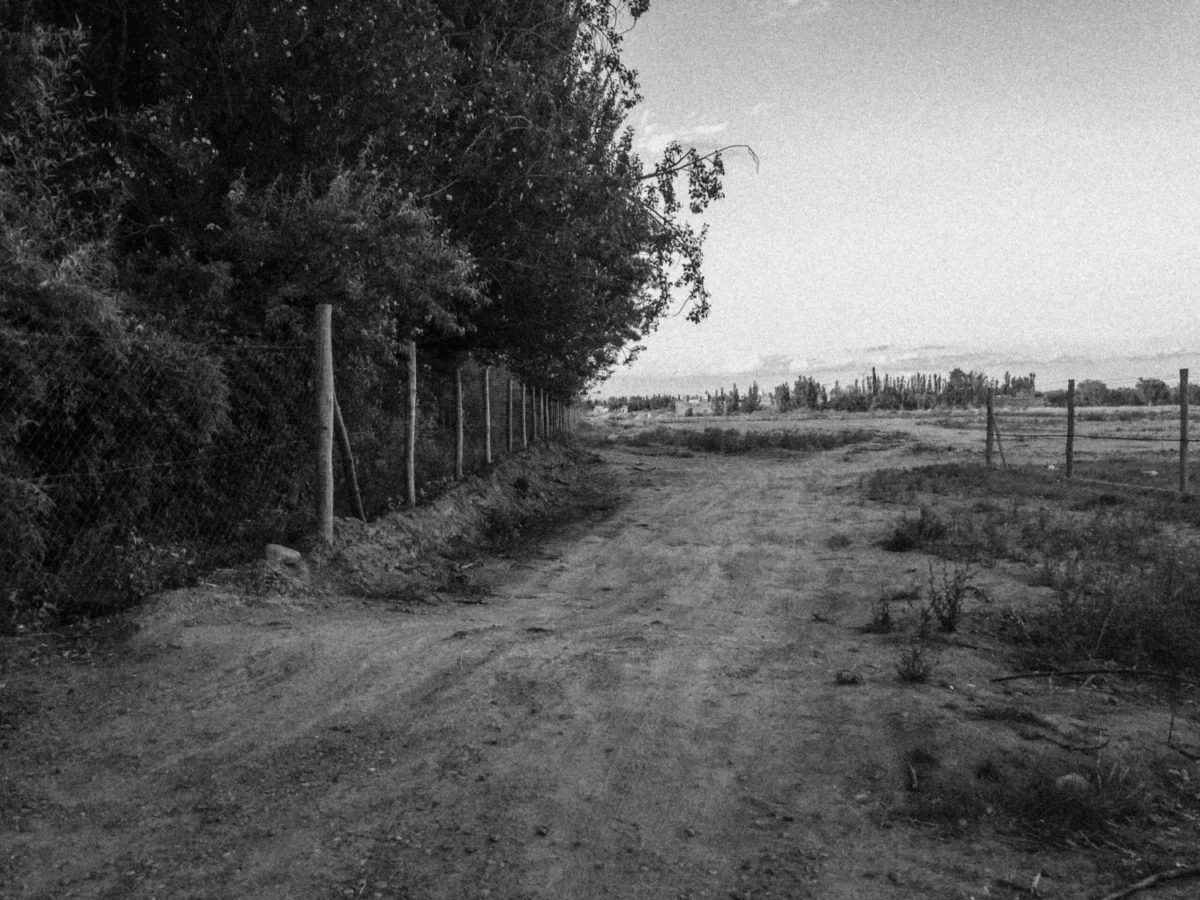
- Observers of wartime environments note how natural settings—roads slick with rain, ditches choked with organic decay and rapid regrowth—mirror the cyclical nature of violence.
- Agricultural imagery frequently serves as a chilling precursor to mechanized slaughter. Rows of cultivated corn are mentally recast as a "faceless army."
- This conceptual sleight-of-hand allows human consciousness to practice mass objectification. When living, breathing human beings are categorized as crops to be harvested, mowed down, or managed, the moral weight of killing evaporates. The word enemy is deliberately stripped of proper nouns, individual histories, and family lineages.
Phase 5: Somatic Residue and the Language of Hurt
The ultimate phase of this chronology occurs off the battlefield, embedded within the domestic sphere and the somatic memory of the culture.
- Children beneath domestic canopies—such as live oak trees dipping their heavy branches back into the earth—instinctively mimic the horrors of war by pulling their arms inside their shirts to simulate traumatic amputations.
- The ground itself seems to hold its breath, waiting for authoritative pronouncements like parched earth waiting for rain.
- Finally, the individual lies face-down in the grass, skin pressed against "sharp, beheaded blades," forced to reckon with the horrifying realization that pain, structural violence, and physical trauma have been successfully institutionalized as a permanent, functional language of power.
Supporting Context & Metrics: The Science of Dehumanizing Lexicon
To ground these literary and philosophical insights in empirical reality, we must examine the quantitative and psychological research surrounding conflict linguistics and sociolinguistic weaponization.
The Neurological Impact of Out-Group Naming
Neuroimaging studies conducted by cognitive neuroscientists at leading research institutions reveal that when subjects are exposed to labels designating out-groups (them, enemy, or dehumanizing slurs), the medial prefrontal cortex—the region associated with mentalizing and attributing mind to others—shows a significant drop in activation. In colloquial terms, the brain literally processes designated enemies with the same neurological detachment it applies to inanimate objects or tools.
Linguistic Predictors of State Violence
Political scientists and computational linguists utilizing Natural Language Processing (NLP) have analyzed historical transcripts of state broadcasts preceding armed conflicts over the past century. Their findings indicate a measurable statistical spike in specific lexical markers:
- Possessive pronouns (mine, our, ourselves): Increase by an average of 34% in the six months preceding military mobilization.
- Polarizing binaries (us vs. them): Show a near-doubling frequency in political and media discourse.
- Dehumanizing metaphors (describing populations as pests, water, crops, or diseases): Serve as the single highest-weighted predictive variable for the outbreak of localized civil unrest or cross-border invasion.
| Linguistic Marker | Pre-Conflict Baseline (Frequency per 10,000 words) | Active Conflict Phase (Frequency per 10,000 words) | Statistical Significance ($p$-value) |
|---|---|---|---|
| Possessives (Mine/Ours) | 12.4 | 24.8 | $p < 0.001$ |
| Polarizing Binaries (Us/Them) | 8.1 | 19.6 | $p < 0.001$ |
| Dehumanizing Metaphors | 1.2 | 14.3 | $p < 0.0001$ |
| Imperative Action Verbs (Take/Seize) | 4.5 | 11.2 | $p < 0.01$ |
This data confirms that the poetic observation—that war begins with the articulation of mine—is borne out by rigorous data tracking the linguistic markers of human hostility.
Official Statements & Expert Perspectives
Eminent scholars, linguists, and cultural critics have increasingly spoken out on the urgent need to decode the violent architecture hidden within everyday speech.
"We treat language as a neutral medium, a clear window through which we observe reality. But language is stained glass. Every time we deploy the grammar of ownership and division, we refract reality into adversarial factions. The word ‘mine’ is not merely an expression of property; it is the foundational explosive charge in the arsenal of human conflict."
— Dr. Elena Vance, Chair of Sociolinguistics, Global Institute for Advanced Cultural Studies
Military ethicists and peace researchers echo these concerns, pointing out that peace-building efforts frequently fail because they focus exclusively on material disarmament while leaving the underlying linguistic framework intact.
"You cannot achieve lasting demilitarization while civilian and political vocabularies remain saturated with the rhetoric of taking, needing, and absolute exclusion. Long before the first bullet leaves the chamber, the target has already been linguistically annihilated. If we wish to dismantle war, we must first unlearn the grammar that makes it thinkable."
— Ret. Colonel Marcus Holloway, Senior Fellow at the Center for Ethics and International Security
Furthermore, literary theorists emphasize the role of artistic expression in exposing these hidden machinery. Works that dissect the origin story for war serve as cultural diagnostic tools, forcing societies to confront the visceral reality that systemic violence is an acquired, linguistic habit rather than an immutable biological destiny.
Future Outlook: Reclaiming the Lexicon of Peace
As global societies navigate an era defined by resurgent nationalisms, territorial disputes, and polarized digital communication, the imperative to transform our linguistic foundations has never been more urgent. The trajectory from mine to take, left unchecked, leads inexorably to the ditches of rotting regrowth and the faceless armies of modern warfare.
Recommendations for Lexical and Cultural Reform
- Educational Curriculum Integration: Educational institutions must incorporate critical discourse analysis and sociolinguistics into standard curricula. Children should be taught to identify the subtle psychological traps inherent in possessive and polarizing language.
- Media Accountability: Journalistic and political bodies must cultivate a heightened awareness of how framing devices—particularly metaphors that reduce human populations to biological hazards, agricultural yields, or adversarial monoliths—fuel escalation.
- Restorative Lexicography: Cultural producers, poets, and writers bear the responsibility of forging alternative linguistic pathways. By actively experimenting with vocabularies of radical sharing, mutual vulnerability, and collective stewardship, humanity can begin to untether survival from the imperative of conquest.
Ultimately, if hurt and destruction became entrenched as a primary language of human interaction, it is within our power to unlearn it. As we lie in the metaphorical grass, feeling the sharp, beheaded blades of our own historical aggressions, the choice remains ours: to continue speaking the fatal dialects of mine and take, or to painstakingly construct a new lexicon where survival no longer requires the erasure of the other.


Comments
Facebook App ID not configured. Please add it in the Customizer.