
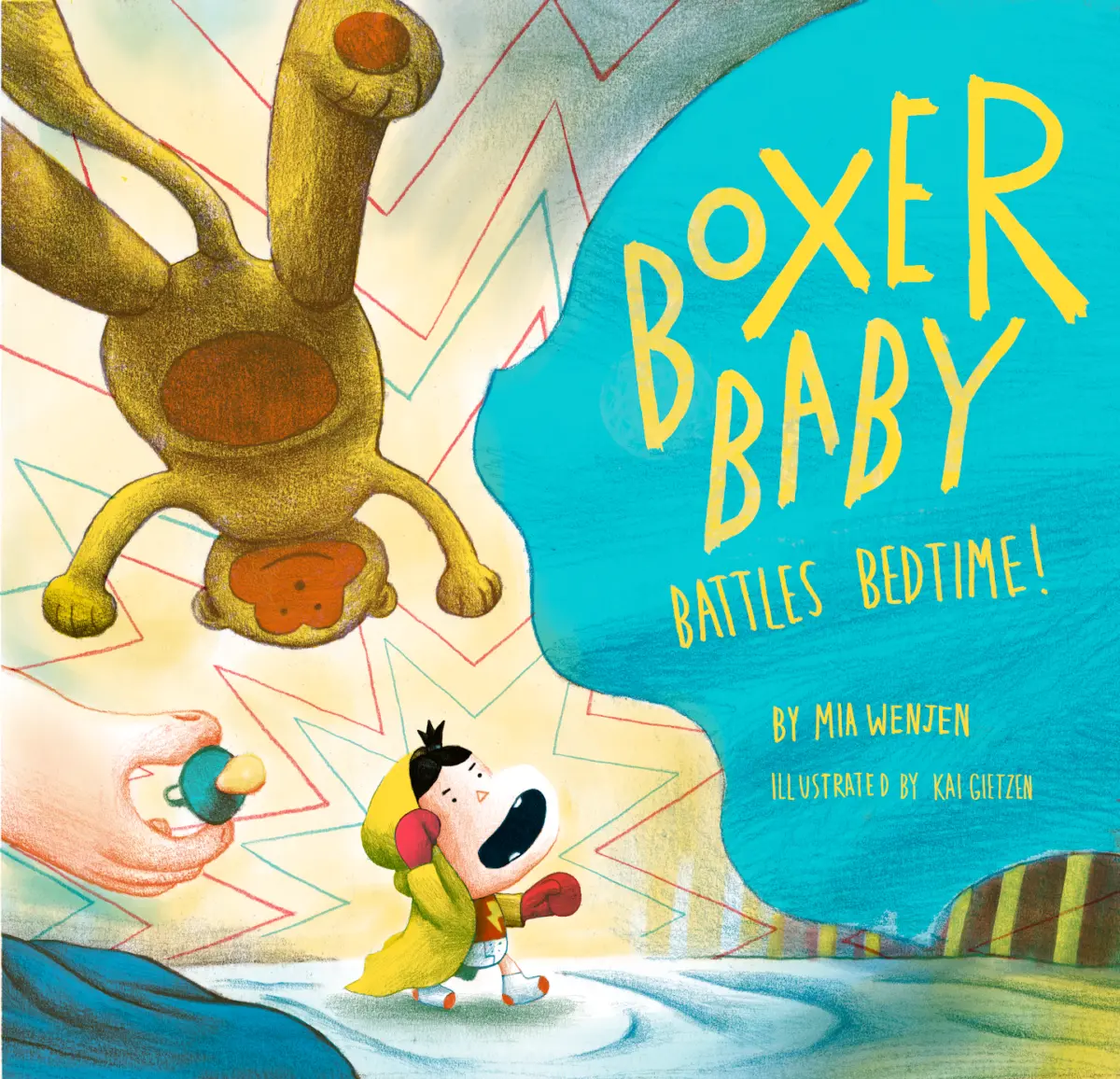
Executive Overview
As the lazy, unstructured days of summer slowly draw to a close, parents and educators alike face the annual challenge of the "summer slide"—the well-documented loss of academic retention and skills that occurs when children are away from the traditional classroom environment. Transitioning back to school requires more than just buying new backpacks, fresh notebooks, and properly fitted shoes; it demands a strategic, multifaceted approach to reignite young minds and bridge the gap between vacation relaxation and rigorous academic expectations.
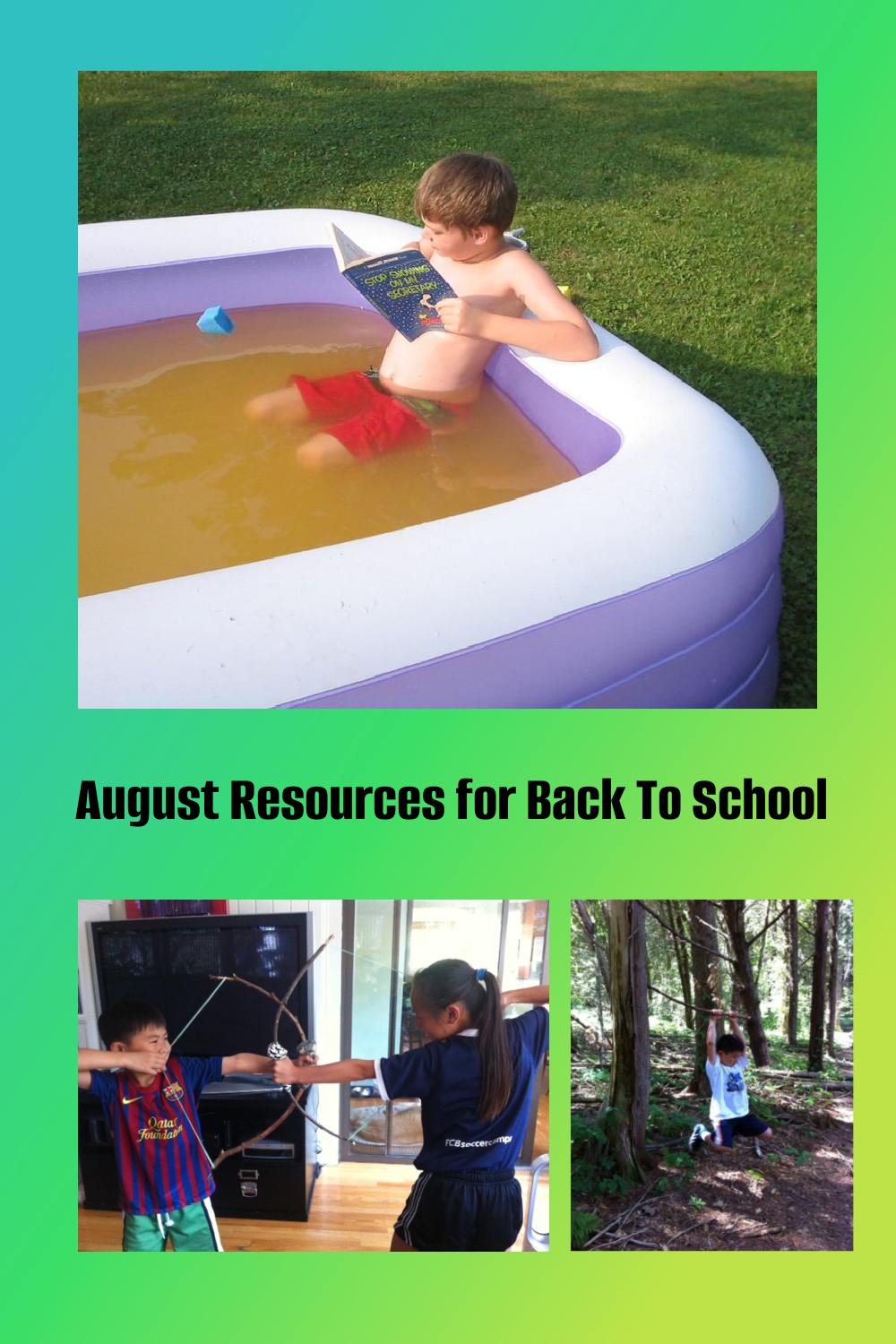
Reflecting on years of experiential learning with three children, successful educational strategies emphasize a balanced blend of structured math supplementation, immersive reading programs, hands-on STEM experimentation, and unstructured outdoor exploration. Furthermore, preparing for milestone transitions—such as entering preschool or kindergarten—requires intentional focus on developmental milestones, including fine motor skill dexterity.
This comprehensive guide serves as an authoritative repository for parents, educators, and caregivers looking to combat the summer slide. Inside, you will find chronological milestones for learning, vital metrics on educational retention, official insights on foundational childhood development, and an extensive, categorized directory of curated book lists, DIY math games, STEM projects, and developmental tools designed to ensure a seamless and triumphant return to the classroom.
Read Also

Detailed Chronology of Summer Enrichment and Transition
A successful summer learning strategy is not built on cramming information into the final week of August; rather, it is a steady, progressive journey that balances cognitive growth with seasonal play. Below is a structural chronology of how an effective summer-to-school transition unfolds across a typical family calendar.

Phase 1: Early Summer (June) — Establishing the Baseline and Literacy Foundations
- Setting the Reading Culture: The transition out of the school year begins by leaning into the slower pace of summer. Families should immediately establish routines that incorporate bedtime reading, regular trips to local public libraries, and community author events. Utilizing state-sponsored and library-curated reading lists ensures that children are exposed to age-appropriate, diverse, and engaging literature.
- Integrating Social Literacy: Hosting informal book club events with peers transforms reading from a solitary assignment into a collaborative, social event, maintaining enthusiasm for literature outside of school walls.
Phase 2: Mid-Summer (July) — Targeted Skill Reinforcement and Experiential STEM
- Intuitive Math Supplementation: Mid-summer is the ideal time to introduce low-stress math workbooks focused heavily on word problems. Rather than relying on rote memorization, word problems foster an intuitive sense of mathematical concepts. Implementing a structured incentive system—combining short-term rewards for completing individual chapters with a major milestone reward upon finishing the workbook—keeps motivation high.
- Case Study in Resilience: The profound impact of consistent summer math supplementation is often underestimated. For instance, when a sixth-grade student suffered a severe, long-term concussion that forced him to miss the vast majority of his academic classes, he nevertheless managed to ace his comprehensive end-of-year math final. Educators and parents alike can credit consistent, low-pressure summer math workbooks with preserving and teaching the core curriculum during periods of academic absence.
- Hands-On STEM Exploration: Moving beyond textbooks, mid-summer provides ample daylight and warmth for applied science, technology, engineering, and math (STEM) projects. Conducting weather experiments, building DIY bee houses, exploring the physics of motion through sports like soccer, and constructing simple bridges out of skewers allow children to touch, test, and witness scientific principles in action.
Phase 3: Late Summer (August) — Nature, Fine Motor Prep, and Back-to-School Readiness
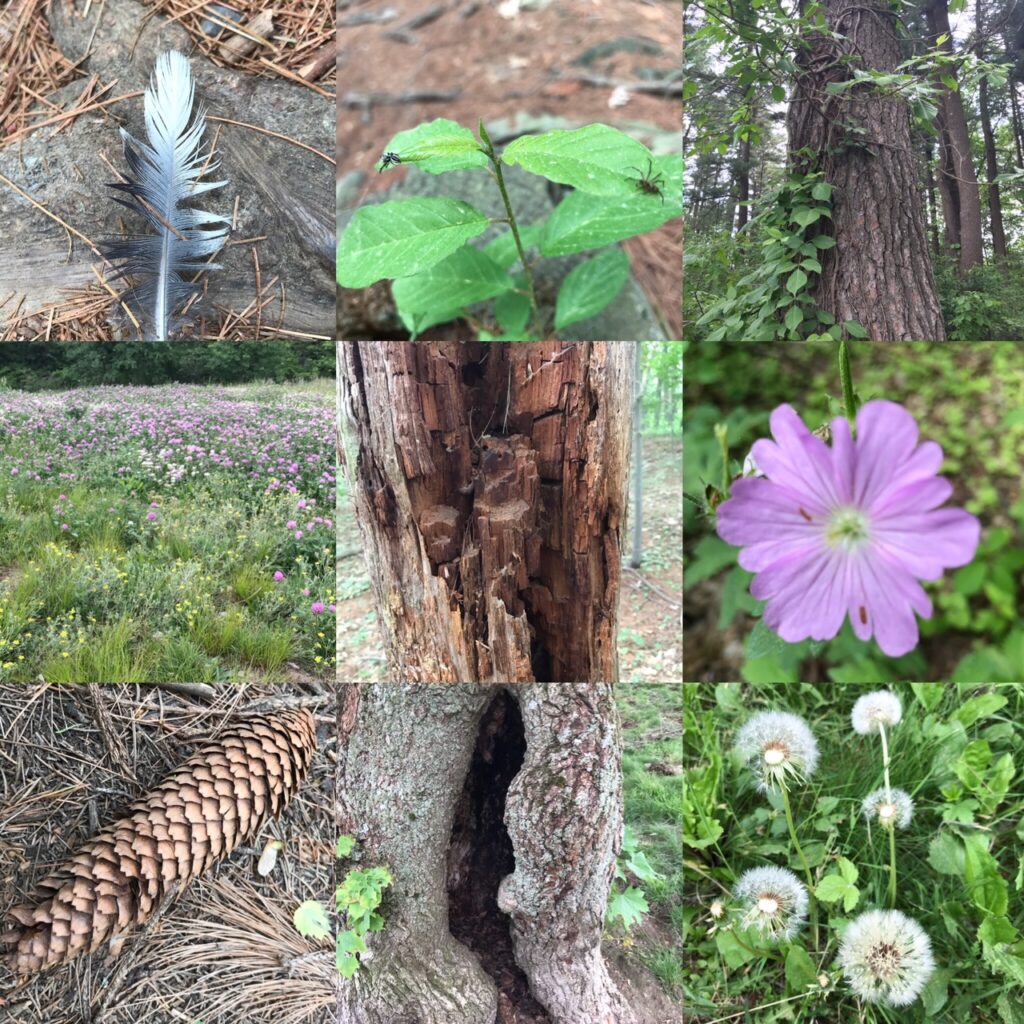
- Outdoor Engineering and Nature Exploration: Capitalizing on local natural environments (such as stream exploration in urban centers like Boston) transforms outdoor play into organic engineering lessons. Activities such as "hydroengineering" in local streams, building stick toys, and executing structured nature scavenger hunts encourage observational skills and spatial awareness.
- Developmental Readiness for Young Learners: For children entering preschool or kindergarten, late summer marks the shift toward fine motor skill preparation. Before demanding that children hold a pencil and write on paper, caregivers must prioritize activities that build strength and dexterity in the hands and fingers.
- The Pencil Grasp Principle: Engaging in fine motor activities—such as working with custom homemade playdough, manipulating small objects, and engaging in sensory play—eliminates the root causes of inappropriate pencil grasps. Ensuring finger dexterity is developed first prevents lifelong hand fatigue and poor writing habits that frequently emerge when children are rushed into pencil-and-paper tasks before their small muscles are fully matured.
Supporting Context & Metrics: The Mechanics of Academic Retention
Understanding why certain interventions work requires examining the data behind educational retention and developmental psychology.

The Cost of the Summer Slide
Research consistently demonstrates that students can lose up to two months of reading skills and up to three months of math computation skills over the summer break. This cumulative deficit widens achievement gaps year after year. However, targeted interventions dramatically alter this trajectory:

- Math Remediation Impact: Studies show that children who complete just two to three hours of math-focused exercises or word-problem practice per week over the summer maintain grade-level equivalency upon returning to school.
- Literacy Engagement: Access to diverse books and regular reading routines prevents the regression of vocabulary acquisition and reading comprehension metrics. Inclusion of diverse, multicultural, and inclusive literature further boosts empathetic development and personal connection to the material.
Fine Motor Skill Benchmarks in Early Childhood
Occupational therapists and early childhood educators emphasize that fine motor control is directly tied to cognitive processing and academic confidence.

- Hand Muscle Maturity: The small intrinsic muscles of the hand do not fully ossify and strengthen until children reach approximately 5 to 6 years of age.
- Intervention Efficacy: Utilizing playdough recipes, cutting shapes with safety scissors, and engaging with manipulative-based games builds the arch strength of the palm, paving the way for effortless handwriting, scissor control, and art project execution during the kindergarten year.
Official Insights & Developmental Guidelines
Educators, literary figures, and child development advocates emphasize that preparing a child for school is as much an emotional journey as it is an academic one.

Alleviating Starting School Anxiety
Whether a child is bubbling with excitement or paralyzed by anxiety regarding kindergarten or preschool, narrative tools remain among the most powerful psychological preparations. Picture books serve as mirrors and windows, allowing children to visualize classroom environments, understand daily routines, and normalize separation anxiety.
- Recommended Selections: Curated reading lists—ranging from specialized multicultural starting school books to classic kindergarten read-alouds—provide safe spaces for children to discuss their fears with parents.
Holistic Growth Through Maker Activities and STEM
Modern educational frameworks advocate for Maker Education—an approach where students learn by creating, building, and troubleshooting physical objects.
- Projects like DIY paper circuits, bristle-bot toothbrush robots, and protective egg-drop containers teach resilience. When a circuit fails to light up or an egg cracks, children learn the scientific method organically: hypothesize, test, observe, and redesign.
Future Outlook: Navigating the Academic Year Ahead
As the new academic year commences, the habits forged during the summer months will serve as the scaffolding for future success. Parents who maintain open lines of communication with teachers, continue to foster independent reading habits, and encourage hands-on problem-solving will find their children better equipped to handle advanced curricula, standardized testing, and social-emotional challenges.
To assist you in this endeavor, the following comprehensive resource directory provides direct access to curated book lists, DIY math games, STEM activities, and expert-authored literature.

Comprehensive Educational Resource Directory
1. Picture Books for Starting Kindergarten or Preschool
If your child is experiencing starting school anxiety (or simply looking forward to the big day), explore these recommended reading lists:
- 22 Diverse Starting School Picture Books
- 24 Starting School Picture Books
- 26 Perfect Read Alouds for Kindergarten
- Rising Kindergarten Summer Reading List
- 30 Books for Kindergarten & 1st Grade
2. Getting Kids Ready for Kindergarten: Printables & Fine Motor Skills
- Kindergarten Readiness FREE Printable Book: My Book About Me
- Connecting Reading with Writing in Kindergarten
- Make Your Own Playdough Recipe
3. Fun Summer Math Supplementation & DIY Games
- Best Summer Math Supplementation Workbooks and More
- Summer Math Ideas for Elementary and Middle School
- 36 Great Math Picture Books
- 29 Picture Books That Teach Math Concepts
- Math Fun for Kids: Math in Spirals
- 70+ Free Educational Games
- 25 Math Skills Games for Kids
- Adding to Ten Math Games
- Best Math Games to Add to 10
- Subtraction and Adding to Ten Math Facts Games
- Skip Counting Songs for Multiplication and Division Facts
- Mastering Multiplication Math Facts
- More Multiplication Tricks: Strategies from Kids and Teachers That Work!
- DIY Multiplication Math Game: Busted
- Numbers 1 to 11 Drawing Game
- DIY Math Games Invented by Kids (2nd-5th grade)
4. STEM Activities, Videos, & Maker Projects
- STEM Bridge Skewer Challenge
- Great STEM Picture Books paired with Fun Activities
- Fun Activities to Teach Kids About Weather
- DIY Bee House STEM Project for Kids
- Newton’s 3 Laws of Motion for Kids Using Soccer
- Pollination: Video and Ideas for Summer Learning
- Best Science Apps for Kids (ages 4-21)
- Really Fun Videos of STEM Experiments for Kids
- More Really Cool Science and Art Videos for Kids
- DIY Lush Bath Bombs and the Science Behind the Fizz
- Brush Bots: DIY Toothbrush Robots
- DIY STEM Paper Circuits: Light Up Cards
- Fun STEM Project: Make an Easy Pop-Up Card
- 7th Grade Model of Cell Science Project
- One Cut STEM Shape Fun
- Homopolar Motor: Clean Energy Science Project for 5th Grade
- Create a Protective Device for an Egg Experiment for Kids
5. Curated Book Lists by Category
- 78+ Summer Reading Book Lists
- 20 Great Books For Kids of All Ages Set During the Summer
- Best Middle School Books for Summer Reading
- Read Aloud Book Lists By Grade
- Book Lists for Reluctant Readers
- Book Lists for Advanced Young Readers
- 36+ Book Lists by Grade
- Multicultural Books for Children: 60+ Book Lists
- African American Book Lists for Kids
- Hispanic American Book Lists for Kids
- Asian American Book Lists for Kids
6. Featured Works by Author Mia Wenjen
- Barbed Wire Between Us — (Amazon | Bookshop.org | Teacher’s Guide)
- Postcards from Malcolm X: How Yuri Kochiyama Became a Civil Rights Activist — (Amazon | Bookshop.org)
- Fortune Cookies for Everyone! (Smithsonian) — (Amazon | Bookshop.org)
- The Traveling Taco: The Amazing and Surprising Journey of Many of Your Favorite Foods — (Amazon | Bookshop.org)
- We Sing from the Heart: How the Slants® Took Their Fight for Free Speech to the Supreme Court — (Amazon | Bookshop.org)
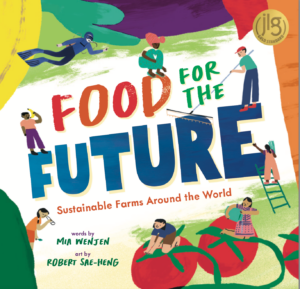
- Food for the Future: Sustainable Farms Around the World — (Amazon | Bookshop.org)
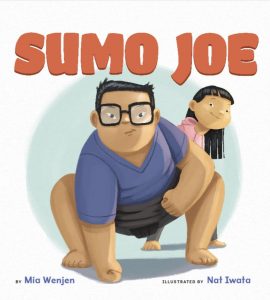
- Sumo Joe — (Amazon | Bookshop.org)

Comments
Facebook App ID not configured. Please add it in the Customizer.