
Executive Overview
In the rapidly evolving landscape of modern horror cinema, few trajectories mirror the democratization of filmmaking quite like that of Curry Barker. Best known as the creative force behind Obsession, which recently cemented itself as one of the most astonishing and unexpected box office successes in recent memory, Barker has rapidly transitioned from indie digital creator to a sought-after cinematic visionary. While currently immersed in pre-production and principal photography for his highly anticipated feature-length follow-up, Anything But Ghosts, Barker has unexpectedly pivoted back to the platform that launched his career.
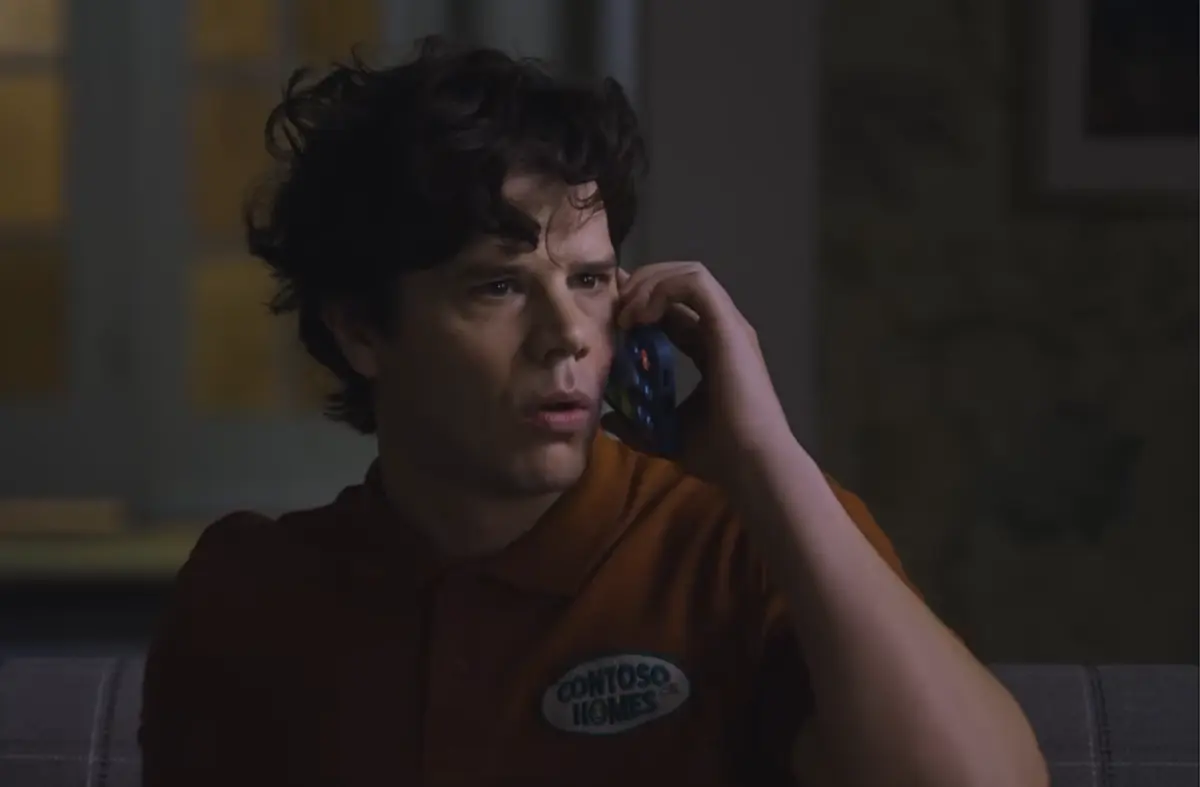
To the delight of horror enthusiasts and digital film historians alike, Barker has quietly debuted a brand-new, five-minute psychological horror short film titled Mama Bear on his legacy YouTube channel. What makes this release particularly fascinating—aside from its unapologetically avant-garde and hallucinatory aesthetic—is its unique corporate backing. Commissioned and sponsored by tech giant Microsoft Windows, Mama Bear stands as a rare artistic triumph within the often-sterile realm of sponsored brand content.
Rather than succumbing to the overt product placement or risk-averse storytelling that typically plague branded entertainment, Barker has delivered a disorienting, nightmarish descent into psychological terror. The short captures the raw, unpredictable energy of a fever dream, proving that even under corporate patronage, an auteur can bend commercial parameters to serve a purely artistic and profoundly unsettling vision. This release not only offers a masterclass in atmospheric dread within a constrained runtime, but it also sparks a broader industry conversation regarding the symbiotic relationship between major tech funding and independent creator incubation. As Barker stands on the precipice of major studio backing and seemingly endless creative resources—the proverbial "blank checks" earned through the monumental success of Obsession—his return to YouTube serves as a poignant reminder of the vital role digital platforms play in allowing filmmakers to test eccentric boundaries without institutional interference.
Read Also
Detailed Chronology: The Genesis and Unveiling of Mama Bear
The timeline leading to the surprise release of Mama Bear reflects the whirlwind schedule of a modern genre auteur balancing micro-budget roots with macro-budget ambitions.
The Post-Obsession Landscape
Following the cultural saturation and critical reappraisal of Obsession, Curry Barker’s stock within the industry skyrocketed. The film, lauded for its taut pacing, atmospheric dread, and psychological depth, outperformed all commercial projections, transforming from an underground digital sensation into a bona fide phenomenon. Industry insiders immediately began speculating on Barker’s next move. Rumors swirled regarding meetings with major Hollywood studios, streaming conglomerates, and venture-backed production houses.
Amidst this high-stakes industry maneuvering, Barker officially announced his next major cinematic venture, Anything But Ghosts. Pre-production demands for a sophomore feature are notoriously exhaustive, requiring intense logistical coordination, script refinement, casting sessions, and visual storyboard development. Logic dictated that Barker would retreat entirely behind the closed doors of a professional studio writers’ room.
The Microsoft Partnership and Conception
Behind the scenes, however, a unique collaborative opportunity was taking shape. Tech giant Microsoft Windows approached Barker with a blank-canvas proposition: produce a piece of original video content that showcases the creative capabilities of the Windows platform and its ecosystem, with absolute freedom regarding the artistic execution.
Recognizing an unmissable opportunity to subvert expectations, Barker agreed to helm the project. Eschewing the sleek, futuristic corporate sci-fi motifs that brands typically demand, Barker leaned into his distinct horror sensibilities. He conceptualized Mama Bear, a project designed to feel less like an advertisement and more like an unauthorized broadcast intercepted from an alternate dimension. Production was executed swiftly, utilizing Barker’s trusted indie-film workflow to maximize atmospheric impact within a strict five-minute duration.
The YouTube Drop and Fan Reception
Without an elaborate marketing campaign or a traditional premiere circuit, Mama Bear simply materialized on Barker’s long-dormant YouTube channel. The stealth drop caught the horror community entirely off guard. Within hours, digital film forums, subreddits, and social media platforms were abuzz with frantic analyses of the short.
Fans immediately noted the deliberate stylistic contrast between the high-gloss production values of Barker’s mainstream work and the deliberately raw, analog-textured nightmare logic of Mama Bear. The video quickly amassed views, outperforming standard corporate sponsored content metrics by wide margins purely through organic word-of-mouth distribution among horror aficionados.
Supporting Context & Metrics: The Anatomy of a Digital Nightmare
To fully appreciate the impact of Mama Bear, one must dissect its narrative structure, thematic ambiguities, and the unique economic metrics governing modern creator-brand partnerships.
Narrative Breakdown: The Architecture of a Nightmare
Clocking in at roughly five minutes, Mama Bear wastes no time establishing an atmosphere of pervasive unease. The narrative opens in media res, dropping the audience directly into the disorienting reality of an unnamed young man.
- The Inciting Incident: The protagonist is jolted awake in the dead of night by a mysterious telephone call. The voice on the other end of the line is intimately familiar yet horrifyingly unplaceable—a classic horror trope executed with chilling acoustic precision.
- The Warning: The caller urgently warns the protagonist about an impending threat: an individual named "Lacy" is actively en route to assassinate him.
- The Dream Logic: From this point forward, the short abandons linear narrative conventions. The subsequent sequences function entirely on nightmare logic. Viewers are subjected to fleeting, out-of-context visual motifs and cryptic references to aspects of the protagonist’s life that are never fully explained. We catch terrifying glimpses of domestic spaces rendered hostile, mundane objects transformed into instruments of dread, and a pervasive sense of inescapable paranoia.
- The Ambiguity: Whether Mama Bear possesses a hidden allegorical meaning—serving as a psychological processing tool for Barker’s own creative anxieties, a conceptual testing ground for visual motifs intended for Anything But Ghosts, or simply a standalone exercise in pure, unadulterated surrealism—remains a subject of intense debate among cinephiles.
Branded Content Metrics and the Paradigm Shift
The financial and logistical framework of Mama Bear offers a fascinating case study in contemporary digital marketing. Historically, corporate-sponsored horror shorts suffer from creative dilution. Brands historically mandate clear product visibility, family-friendly guardrails, and tidy resolutions that neutralize the inherent transgressive nature of the horror genre.
| Metric / Parameter | Traditional Branded Short | Mama Bear (Microsoft Windows / Curry Barker) |
|---|---|---|
| Creative Freedom | Heavily restricted by corporate guidelines | Absolute autonomy granted to the director |
| Pacing & Tone | Formulaic, exposition-heavy, sanitized | Avant-garde, deeply unsettling, dream-logic |
| Product Integration | Overt, intrusive, disruptive to narrative | Subservient to the artistic and atmospheric goals |
| Audience Reception | Often met with cynicism or indifference | Celebrated organically by genre enthusiasts |
By allowing Barker to unleash a product as bizarre and conceptually confounding as Mama Bear, Microsoft Windows successfully executed a counter-intuitive marketing strategy. Rather than forcing the artist to conform to the brand, the brand yielded to the artist, generating massive organic engagement and cementing Microsoft’s reputation as a patron of genuine digital artistry.
Official Statements & Industry Perspectives
While formal press releases from corporate entities often sanitize creative endeavors, statements from industry analysts, platform observers, and creators themselves paint a vivid picture of the cultural significance surrounding Barker’s latest project.
Industry analysts tracking the intersection of streaming media and independent filmmaking have pointed to Mama Bear as a watershed moment for the YouTube creator economy. Speaking on the modern indie landscape, digital media commentator Sarah Al-Mansoor noted:
"We are witnessing the maturation of the YouTube generation. Creators who cut their teeth on low-budget digital shorts are now steering major studio slates. However, what Curry Barker demonstrates with Mama Bear is that the digital ecosystem shouldn’t merely serve as a stepping stone to leave behind; it remains the most vital sandbox for uncompromised creative experimentation. When you give an auteur corporate backing without corporate handcuffs, you don’t get an ad—you get art that happens to be funded by a logo."
Furthermore, representatives close to Barker’s production team emphasized that the short was conceived purely out of a desire to maintain creative agility. While Anything But Ghosts represents a massive logistical undertaking involving dozens of department heads, union crews, and executive stakeholders, Mama Bear allowed Barker to return to the guerilla-style filmmaking ethos that defined his early career.
"There is a unique psychological liberation in returning to your roots," an anonymous production source revealed. "When you’re working on a massive feature film, every frame is meticulously scrutinized by a dozen different entities. With Mama Bear, Curry wanted to capture the raw, midnight-oil energy of his early YouTube days—just pure instinct, a camera, and a desire to scare the audience."
Future Outlook: What Lies Ahead for Curry Barker
As the digital dust settles on the surprise release of Mama Bear, the broader film industry is training its collective gaze on Barker’s immediate and long-term future. The dual trajectory of handling high-profile feature films while maintaining an active presence in the digital DIY space establishes a compelling blueprint for the next generation of filmmakers.
Anything But Ghosts and the Sophomore Slump Test
All eyes are currently locked on Anything But Ghosts. Following the monumental, lightning-in-a-bottle success of Obsession, Barker faces the proverbial "sophomore slump" test—a hurdle that has tripped up many promising genre directors throughout cinematic history.
However, the sheer audacity displayed in Mama Bear suggests that Barker is not interested in playing it safe. If his branded YouTube short is any indication, his upcoming feature will likely double down on psychological disorientation, atmospheric world-building, and narrative subversion. Rather than capitulating to mainstream homogenization, Barker appears determined to inject his idiosyncratic, nightmare-fueled sensibility into studio-backed projects.
The Evolution of Creator-Led Cinema
Barker’s career trajectory underscores a permanent shift in how Hollywood identifies and nurtures talent. The days of studio executives scouting traditional film festivals exclusively are long gone. Today’s major studios—and forward-thinking tech conglomerates like Microsoft—recognize that platforms like YouTube serve as rigorous, battle-tested incubators where directors forge a direct, unfiltered connection with their audiences.
As Barker inevitably transitions into receiving the industry’s proverbial "blank checks," the critical question remains whether he will continue to drop dispatches from the digital underground. If Mama Bear is any indication, the auteur has no intention of forgetting the platform that built him. For horror fans, that is the most terrifying and thrilling prospect of all: knowing that whenever Barker feels the itch to experiment, the digital crypt remains open, ready to unleash another beautifully baffling nightmare upon an unsuspecting internet.



Comments
Facebook App ID not configured. Please add it in the Customizer.