
Executive Overview
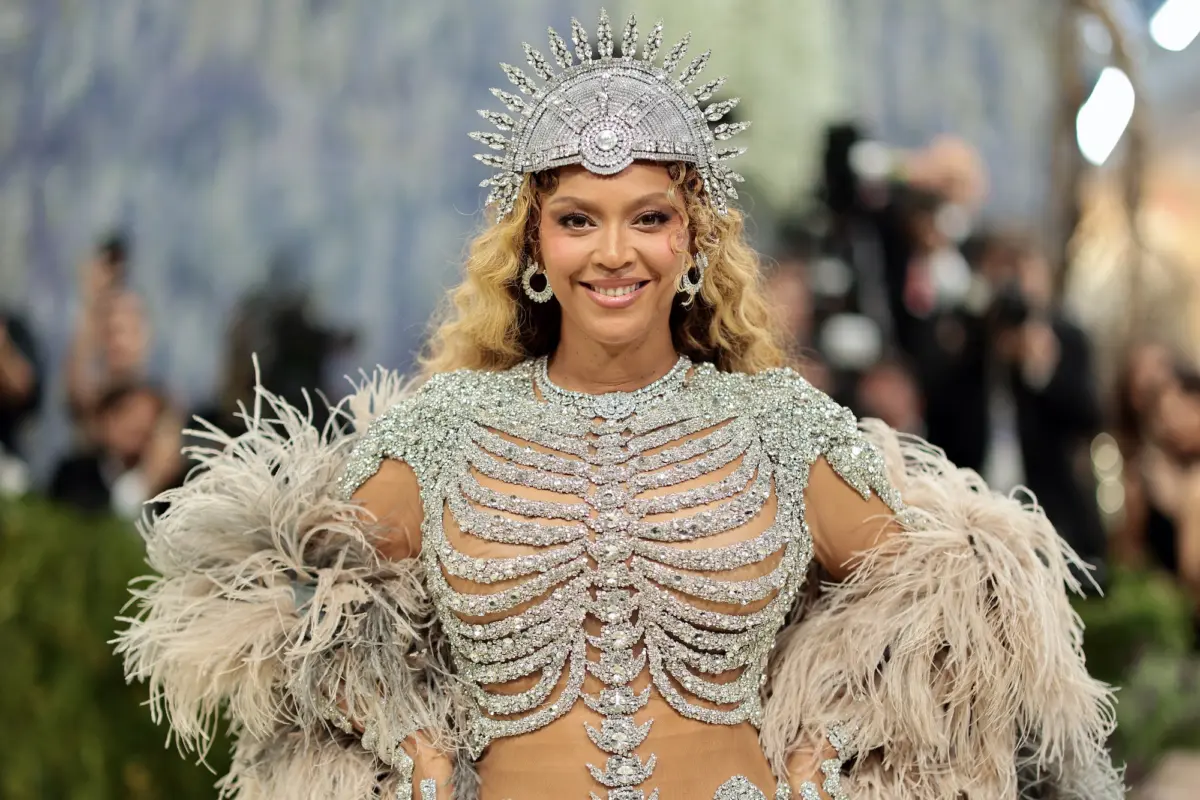
On September 4, global superstar entertainer Beyoncé Knowles celebrated her 45th birthday. Rather than partaking in conventional celebrity self-indulgence or hosting an exclusive private gala, the iconic musician chose to mark the milestone with a profound act of public philanthropy: a monumental $2 million donation directed to the Studio Museum in Harlem.
This multi-million-dollar contribution arrives at a historic juncture for both the artist and the cultural institution. For Beyoncé—a billionaire entrepreneur, record-breaking 35-time Grammy Award winner, and avid collector of contemporary Black art alongside her husband, music mogul Shawn “Jay-Z” Carter—this gift underscores a long-standing commitment to uplifting Black creative communities, visual artists, and cultural spaces. For the Studio Museum in Harlem, the timing could not be more auspicious. The institution recently opened its magnificent, state-of-the-art $160 million home designed by renowned architect Sir David Adjaye on 125th Street, following a transformative seven-year closure.
The infusion of $2 million from one of the world’s most influential cultural figures serves as a powerful validation of the museum’s mission. Founded in 1968, the Studio Museum has spent over half a century operating as a radical incubator for artists of African descent, challenging historical omissions within Western art history, and embedding itself deeply into the social and cultural fabric of Harlem.
Read Also
In this comprehensive report, we examine the details of Beyoncé’s birthday contribution, analyze her deep-seated ties to the contemporary art world, explore the recent renaissance of the Studio Museum under the leadership of Director and Chief Curator Thelma Golden, and contextualize this milestone within the broader landscape of modern arts philanthropy.
Detailed Chronology & Background
The Birthday Announcement and Initial Reactions
The announcement of the $2 million gift was made public via an official press release on September 4, coinciding precisely with the superstar’s 45th birthday. The unusual nature of the gift—giving rather than receiving—immediately generated global headlines, shifting the cultural conversation away from celebrity consumerism and toward community reinvestment.
In her statement accompanying the gift, Beyoncé articulated a deep appreciation for the social power of the visual arts:
"Art tells all our stories; the past and the present, but is not always accessible to everyone. I have always been impressed with the Studio Museum in Harlem because of its intention to make the museum an integral part of the community. I have been introduced to several of my favorite young and upcoming Black artists through exhibits at the Museum. It is a place of inspiration where all audiences can discover new stories through the canvases of diverse storytellers that reflect our humanity."
The institution’s leadership was swift to express their profound gratitude. Thelma Golden, the museum’s visionary Director and Chief Curator, released an official response highlighting the historical significance of the support:
"I am deeply grateful to Beyoncé, both for the generosity of this gift, especially on her birthday, and for recognizing the vital role that the Studio Museum plays in people’s lives. Our institution was founded to shift the arts landscape and reimagine who that landscape serves. This gift will allow us to continue strengthening our work for Harlemites, New Yorkers, and audiences across the globe."
As of press time, the Studio Museum has not yet released detailed blueprints outlining the precise allocations of the $2 million fund. Representatives for the museum have noted that institutional updates regarding programmatic expansions, educational initiatives, and exhibition support will be shared as development plans are finalized.
The Genesis and Evolution of the Studio Museum in Harlem
To fully grasp the gravity of Beyoncé’s investment, one must understand the unique lineage of the Studio Museum in Harlem. Established in 1968 during the height of the civil rights and Black Arts movements, the museum was born out of a radical desire to challenge the exclusionary practices of mainstream cultural institutions. Operating initially out of a modest, temporary second-floor loft space on Fifth Avenue, the museum carved out a vital physical and conceptual zone for Black artists who had long been marginalized by traditional art history curricula and gallery systems.
Over the decades, the institution migrated to its long-standing home on 125th Street before embarking on its most ambitious chapter to date. In November, the museum officially unveiled its breathtaking new $160 million architectural marvel, designed by acclaimed architect David Adjaye. Praised by critics—including ARTnews critic Maximiliano Durón, who dubbed the new space "stunning"—the building represents a quantum leap forward in infrastructural capacity.
The reopening celebrated this architectural triumph with an extraordinary roster of masterpieces and contemporary works. Among them were creations by foundational and vanguard figures such as Barkley K. Hendricks, Kerry James Marshall, Howardena Pindell, Faith Ringgold, and Carrie Mae Weems. Furthermore, the museum’s collection received a monumental boost in 2023 when financiers Joseph and Amy Amy Perella gifted a rare painting by Jean-Michel Basquiat, elevating the Studio Museum into the elite echelon of American institutions holding works by the legendary downtown icon.
Supporting Context & Metrics
Beyoncé and Jay-Z: Titans of the Global Art Market
Beyoncé’s multimillion-dollar gift to the Studio Museum is not an isolated act of transient celebrity philanthropy; rather, it is the latest chapter in a sustained, deliberate engagement with the upper echelons of the visual arts world. Alongside her husband, Shawn "Jay-Z" Carter—who holds a prominent spot on the ARTnews Top 200 Collectors list—Beyoncé has systematically built one of the world’s most significant private collections of Black art.
The couple’s fluency in art history and contemporary visual culture has frequently bled into their musical and cinematic output. In 2018, the power couple shattered internet traffic records and sparked global academic debate by releasing the music video for their single "Apeshit," filmed entirely inside the Louvre Museum in Paris. The visual juxtaposition of Black bodies, dancers, and musicians moving through the halls of classical European art history—specifically framing themselves against works like the Mona Lisa and the Winged Victory of Samothrace—served as a sharp critique of historical institutional bias while simultaneously claiming space at the apex of high culture.
In a 2020 essay for ARTnews, critic Alex Greenberger observed the deep symbiosis between Beyoncé’s musical rollouts and the global art world:
"Each time Beyoncé releases new music, it might as well be considered an art-world event too. She’s been known to include works by vaunted artists in her videos, and with her husband Jay-Z, she’s built up an important collection of Black art."
Greenberger was writing on the occasion of Black Is King, the critically acclaimed 85-minute visual album released on Disney+. The project was saturated with high-concept visual artistry, featuring deep collaborations with contemporary Black artists, photographers, directors, and stylists working behind the scenes to craft a pan-African visual mythology.
Economic and Cultural Footprint
To contextualize the scale of this $2 million endowment, it is helpful to examine the unprecedented commercial and cultural heights Beyoncé has achieved across her multi-decade career:
- Grammy Dominance: Beyoncé stands as the most-awarded recording artist in the history of the Grammy Awards, having amassed an astonishing 35 golden gramophones across various categories.
- Global Record Sales: As a solo artist and former frontwoman of Destiny’s Child, she has sold well over 200 million records worldwide, making her one of the best-selling music artists of all time.
- Touring Powerhouse: Her concert tours consistently rank among the highest-grossing live entertainment events in history, driving billions of dollars into global tourism and hospitality economies.
- Net Worth: According to real-time tracking by Forbes, Beyoncé Knowles-Carter commands an estimated personal net worth of $1 billion, driven by her music catalog, concert touring, her athleisure brand Ivy Park, and various entrepreneurial ventures.
Her ability to mobilize this vast economic power toward the preservation and promotion of Black visual culture highlights a conscious strategy of cultural wealth-building. By directing funds to the Studio Museum, she is directly reinforcing the infrastructural pipelines that support emerging Black artists, curators, and art historians.
Official Statements and Institutional Perspectives
The intersection of high-net-worth celebrity patronage and institutional stewardship has become a defining characteristic of 21st-century museum development. As public funding for the arts faces chronic instability and political headwinds, private endowments from cultural icons play an indispensable role in maintaining institutional health.
The Vision of Thelma Golden
Thelma Golden’s stewardship of the Studio Museum in Harlem has been widely lauded as a masterclass in visionary museum administration. Since taking the helm, Golden has transformed the institution into an international powerhouse without ever losing its grassroots connection to the Harlem community.
In her remarks regarding Beyoncé’s gift, Golden emphasized this delicate balance between global prestige and local accountability:
"Our institution was founded to shift the arts landscape and reimagine who that landscape serves. This gift will allow us to continue strengthening our work for Harlemites, New Yorkers, and audiences across the globe."
This dual commitment—serving as both a hyper-local anchor for the residents of upper Manhattan and a globally recognized beacon for contemporary Black art—requires substantial capital. Unrestricted gifts of the magnitude provided by Beyoncé give institutional leaders the financial agility to launch bold programming, fund artist residencies, expand educational outreach for local youth, and maintain world-class conservation standards for their permanent collection.
Beyoncé’s Articulated Philanthropic Philosophy
Beyoncé’s public comments regarding the donation reveal a sophisticated understanding of art accessibility and representation. By noting that art "is not always accessible to everyone," she touches upon a foundational critique of the traditional museum complex, which has historically functioned as an exclusive domain for elite socioeconomic classes.
Her endorsement of the Studio Museum’s community-centric model highlights why she chose this specific institution for her landmark birthday gift. Unlike sterile, fortress-like museums disconnected from their surroundings, the Studio Museum has systematically positioned itself as an active participant in Harlem’s cultural ecosystem. By providing a platform where audiences can discover new narratives through the canvases of diverse storytellers, the museum acts as a mirror reflecting the lived experiences and humanity of its surrounding community.
Future Outlook: The Next Era of the Studio Museum
With a brand-new architectural home designed by David Adjaye, a strengthened financial foundation bolstered by Beyoncé’s $2 million birthday gift, and a cultural wind at its back following major acquisitions like its rare Basquiat painting, the Studio Museum in Harlem is entering a golden age.
Strategic Priorities Moving Forward
- Expanding Artist-in-Residence Programs: The museum’s famed Artist-in-Residence program has launched the careers of some of the most important contemporary visual artists working today, including Titka Leslie, Njideka Akunyili Crosby, and Kehinde Wiley. Increased funding will undoubtedly fortify these mentorship and studio spaces.
- Deepening Community Educational Outreach: Ensuring that local public school students and Harlem residents have unhindered access to world-class art education remains a core pillar of the museum’s operational ethos.
- Global Exhibition Exchanges: As the institution settles into its expanded galleries on 125th Street, its capacity to curate and circulate groundbreaking international exhibitions centering the African diaspora has never been greater.
A New Paradigm for Celebrity Philanthropy
Beyoncé’s decision to celebrate her 45th birthday by investing $2 million in an institution dedicated to Black artistic excellence establishes a compelling precedent for modern philanthropy. In an era where high-profile figures are frequently scrutinized for conspicuous consumption, leveraging personal wealth to permanently strengthen cultural infrastructure offers a sustainable, visionary alternative.
As the Studio Museum in Harlem deploys these vital funds in the coming months and years, the ripple effects of Beyoncé’s birthday gift will be felt across studios, galleries, classrooms, and exhibition halls worldwide. It is a testament to the enduring truth of the artist’s own words: art tells our stories, preserves our past, illuminates our present, and ultimately reflects our shared humanity.


Comments
Facebook App ID not configured. Please add it in the Customizer.