For decades, the name Barnes & Noble has functioned as a cultural anchor synonymous with quiet reading rooms, towering pine shelves, and the unmistakable scent of fresh paper and printing ink. However, a structural metamorphosis has quietly taken place within the architecture of the world’s largest retail bookseller. While literary distribution remains the bedrock of its commercial identity, Barnes & Noble has aggressively evolved its merchandising strategy, transforming its brick-and-mortar storefronts and digital channels into immersive lifestyle destinations.
This retail pivot relies heavily on a diversified portfolio of non-book inventory: exclusive literary-adjacent merchandise, pop-culture collector’s editions, premium everyday accessories, and design-forward stationery. By expanding far beyond the traditional book distribution pipeline, the company has captured a lucrative cross-section of consumer spending aimed at gift-givers, casual shoppers, and dedicated fandoms alike.
This investigative review examines four flagship non-traditional product offerings available through Barnes & Noble, analyzing their consumer appeal, market positioning, and pricing structures ranging from $19.99 to $35.00. Furthermore, this report explores how these carefully curated items underscore a broader corporate strategy: leveraging retail real estate to foster tactile, experiential shopping habits that resist e-commerce commodification.
Detailed Chronology: The Evolution of Bookstore Merchandising
To understand Barnes & Noble’s contemporary product strategy, one must examine the chronological shifts in physical retail over the past quarter-century.
The Big-Box Era (Late 1990s–2000s)
During the rapid expansion of superstores in the late 1990s and 2000s, Barnes & Noble primarily functioned as a category killer for books, supplemented by basic sidelines such as standard bookmarks, basic reading lights, and audio CDs. The physical environment was optimized for square footage and sheer volume of inventory, prioritizing title breadth over lifestyle integration.
The Digital Disruption and Nook Era (2010s)
With the advent of e-reader technology—spearheaded internally by the Nook—and the aggressive market dominance of online behemoths like Amazon, traditional bookstores faced existential threats. Foot traffic declined as consumers shifted transactional book purchases to digital platforms. In response, leadership recognized that physical stores needed to offer something digital storefronts could not replicate: sensory engagement, discovery, and curated physical artifacts.
The Curated Lifestyle Shift (Present Day)
Under modern operational management, Barnes & Noble reimagined its floor plans. Bookstores ceased to be mere warehouses of printed pages and instead adopted a boutique aesthetic. Specialty items, licensed pop-culture merchandise, artisanal stationery, and exclusive collectibles were given prime real estate near checkout lines and central displays. This chronological evolution transformed the bookstore into a premier destination for thoughtful, design-conscious gifting, culminating in the diverse catalog of exclusive items available to consumers today.
Supporting Context & Metrics: Four Standout Gift Categories
Navigating the modern Barnes & Noble storefront reveals an inventory designed to appeal to varied demographics, from pop-culture enthusiasts to design-conscious commuters. Below is an exhaustive breakdown of four prominent gift ideas that highlight this merchandising strategy.
Product Classification: Exclusive Creative/Quirky Book and Novelty Find
Market Context: Modern consumers—particularly younger demographics navigating high-stress urban and academic environments—exhibit a strong affinity for media that validates emotional realities through whimsical, accessible art. Cute & Anxiety taps directly into this cultural zeitgeist. As a Barnes & Noble exclusive, it carries an inherent scarcity value that standard mass-market titles lack.
Gifting Strategy: Priced at under $20, this item functions exceptionally well as a standalone impulse purchase or as the thematic anchor of a curated birthday gift basket. When paired with artisanal snacks, a handwritten note, or a complementary contemporary novel, it strikes a balance between emotional resonance and playful presentation.
+-------------------------------------------------------------+
|              CUTE & ANXIETY GIFT METRICS                    |
+--------------------------+----------------------------------+
| Price Point              | $19.99                           |
| Distribution Status      | Barnes & Noble Exclusive         |
| Primary Demographic      | Gen Z / Young Millennial         |
| Ideal Pairing            | Gift Baskets, Journals, Snacks   |
+--------------------------+----------------------------------+
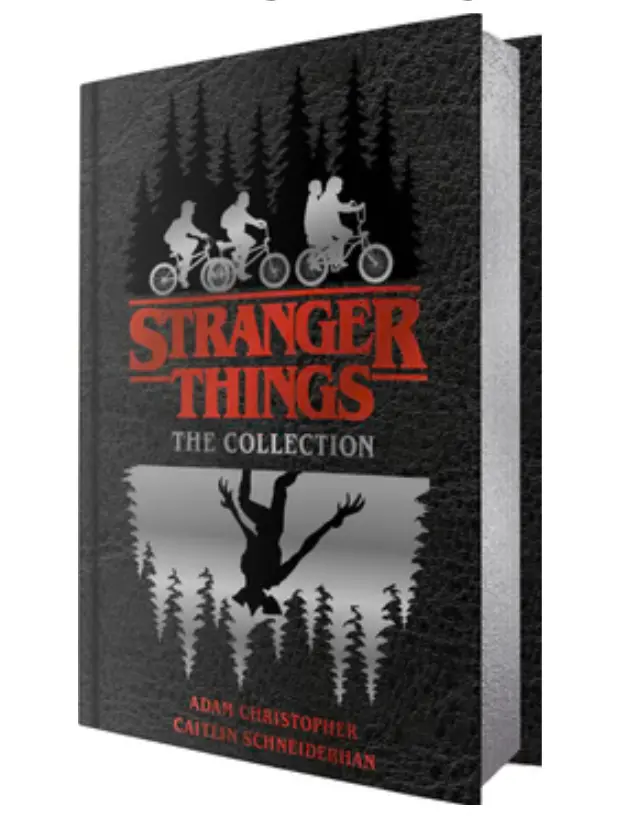
2. Stranger Things Collectible Hardcover Editions
Retail Price: $35.00
Product Classification: Premium Fandom Collectible / Hardcover Literature
Market Context: The intellectual property surrounding the fictional town of Hawkins, Indiana, and the Upside Down commands global attention. However, standard paperback or mass-market media formats often fail to satisfy collectors who view books as display art. Credited to authors such as Caitlin Schneiderhan and Adam Christopher, the Stranger Things Barnes & Noble Collectible Editions bridge the gap between ephemeral pop-culture consumption and permanent home library curation.
Gifting Strategy: At $35.00, this hardcover edition is engineered for milestone gift occasions, including birthdays and winter holidays. Its sophisticated binding and cover presentation elevate it above standard franchise merchandise, making it an ideal conversation starter or centerpiece for dedicated science-fiction enthusiasts. Retail analysts recommend verifying a recipient’s existing bookshelf inventory prior to purchase to prevent accidental duplicate acquisitions of specialized editions.
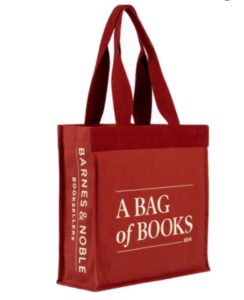
3. Barnes & Noble "Bag of Books" Tote in Burgundy (by re-wrap)
Market Context: Sustainable fashion and functional utility converge in the "Bag of Books" tote series manufactured by re-wrap. The burgundy edition offers a sophisticated, classic colorway designed for year-round utility. Unlike novelty items that risk sitting unused on a shelf, a durable, canvas-style tote seamlessly integrates into the daily routines of students, educators, and literary commuters.
Gifting Strategy: Retailing at $24.99, this bag serves a dual purpose: it acts as both a stylish carrying vessel and an eco-friendly gift wrap alternative. Savvy gift-givers frequently transform the tote into a ready-made present by stuffing the interior with a paperback novel, a custom metal bookmark, and local confections. This elevates the perceived value of the gift while promoting sustainable consumer habits.
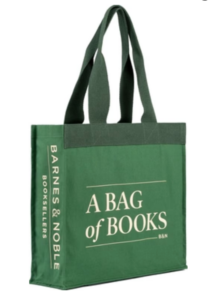
4. Barnes & Noble "Bag of Books" Tote in Green (by re-wrap)
Retail Price: $24.99
Product Classification: Sustainable Everyday Accessory / Colorway Alternative
Market Context: Operating as the vibrant counterpart to the burgundy model, the green iteration of the re-wrap "Bag of Books" tote provides consumers with a fresh, botanical aesthetic. Maintaining the exact price point of $24.99, this product variant ensures that budgetary constraints do not dictate aesthetic choice; shoppers select their preferred color entirely based on personal style alignment.
Gifting Strategy: The green colorway appeals to individuals who gravitate toward earthy, vibrant tones. When selecting between the burgundy and green models, gift-givers are encouraged to analyze the recipient’s existing wardrobe and accessory preferences. Furthermore, matching the bag’s color theme to the covers of the books packed inside creates a cohesive, highly personalized presentation.
Official Statements & Industry Perspectives
Retail analysts and corporate strategists point to this diversification of inventory as a masterclass in experiential retail survival.
Industry observers note:
"The modern consumer does not visit a physical bookstore merely to extract a single title; they seek a tactile sanctuary. By curating high-margin, lifestyle-oriented non-book products—ranging from exclusive graphic novels to sustainable canvas totes—retailers like Barnes & Noble successfully elevate the average transaction value while deepening emotional brand loyalty."
Furthermore, internal retail philosophy emphasizes that physical storefronts must serve as discovery engines. By partnering with independent creators and sustainable manufacturers like re-wrap, the corporation positions itself not just as a merchant of printed goods, but as a tastemaker within contemporary popular culture. This deliberate blurring of the lines between literature, art, and daily utility ensures that the brand remains resilient against purely transactional e-commerce platforms.
Future Outlook: The Next Frontier of Bookstore Retail
Looking ahead, the trajectory of Barnes & Noble’s merchandising strategy suggests continued expansion into curated, community-driven retail segments. As digital noise increases across online spaces, the physical sanctuary of the bookstore will likely lean even further into sensory and tactile experiences.
Several trends are poised to shape the future of bookstore gift ecosystems:
Hyper-Localized Exclusives: Expect an increase in localized and regional exclusive merchandise, fostering a deeper sense of community connection between individual store branches and their neighborhoods.
Sustainable Partnerships: With consumer demand shifting decisively toward eco-friendly goods, collaborations with ethical manufacturers for apparel, stationery, and home goods will likely expand.
Fandom Integration: As cross-media franchises continue to dominate entertainment, premium collectible publishing formats will remain a primary driver of high-margin retail revenue, cementing the bookstore as a premier destination for dedicated subcultures.
Ultimately, Barnes & Noble’s successful transition proves that the traditional bookstore model is far from obsolete. By expanding its horizons beyond the bookshelf and embracing a holistic lifestyle inventory, the enterprise has secured its place as an enduring cornerstone of modern retail culture—offering thoughtful, memorable finds for casual shoppers and dedicated bookworms alike.








Comments
Facebook App ID not configured. Please add it in the Customizer.