
Executive Overview
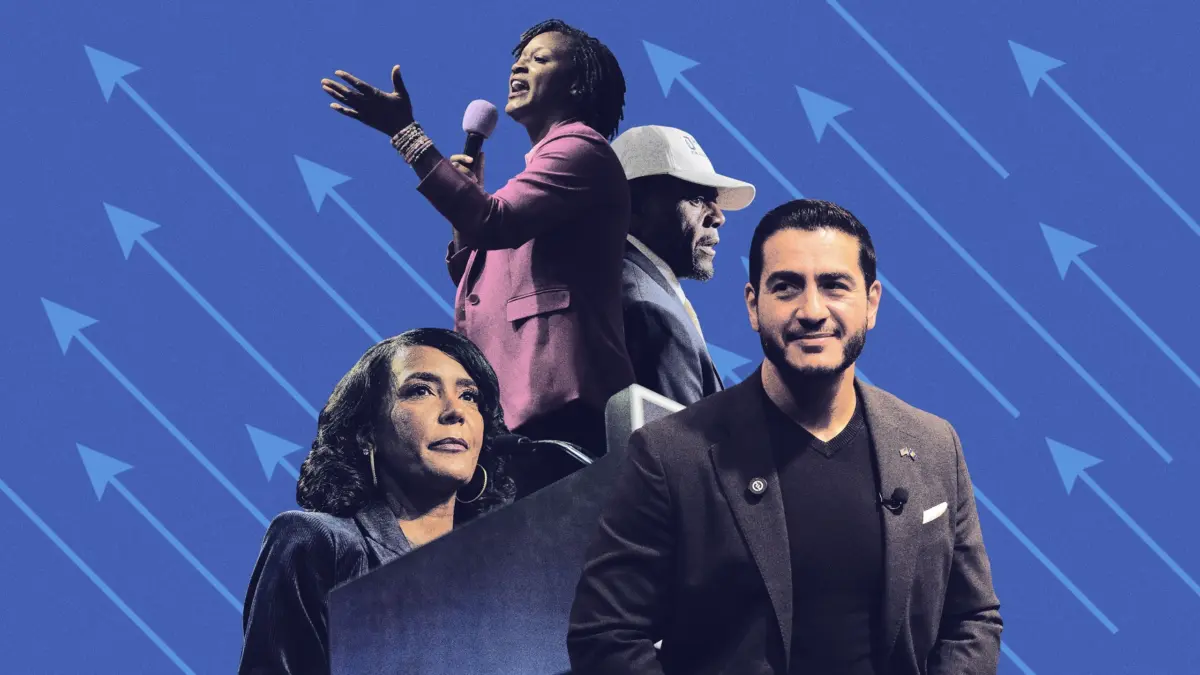
The 2026 midterm elections marked a critical inflection point in American political history, challenging long-held assumptions about the durability of right-wing identity politics and the electoral geography of the Deep South. Following Donald Trump’s return to the presidency in 2024, the Republican platform leaned aggressively into grievances centered on alleged "white victimhood," framing civil rights protections as systemic discrimination against white Americans. Supported by high-profile surrogates and aggressive administrative policy changes—including sweeping federal workforce liquidations and post-Callais redistricting—the GOP sought to solidify a populist coalition built on racial grievance and political polarization.
However, the 2026 midterm results revealed the clear limitations of this strategy. Across key battlegrounds in the Rust Belt and the Deep South, voters demonstrated growing fatigue with culture-war rhetoric, responding instead to economic populism, material governance issues, and anti-corruption campaigns. Democratic candidates—many running in deep-red districts with minimal financial backing from the national party—engineered significant realignments by focusing on cost-of-living pressures, health care expansion, corporate accountability, and land-use rights against speculative industrial developments.
From historic statewide victories in Georgia and Mississippi to surprisingly tight margins in Florida and Louisiana, the election underscored two major trends: the rapid mobilization of Black electorates targeted by federal cutbacks and legislative disenfranchisement, and a measurable crossover of working-class white voters disillusioned by persistent economic instability.
Read Also
Detailed Chronology
Early 2026: Escalation of Administrative Retaliation and Rhetorical Offensives
The political backdrop of the 2026 midterms was shaped by a series of aggressive policy maneuvers and rhetorical escalations originating from the White House. Leading up to Martin Luther King Jr. Day in January 2026, President Trump expanded his ongoing narrative of white disenfranchisement, claiming that statutory protections established under the Civil Rights Act of 1964 had resulted in white Americans being treated "very badly." Vice President J.D. Vance echoed these assertions on the campaign trail, repeatedly framing white men as primary victims of contemporary racial discrimination.
Simultaneously, the administration executed radical structural changes across the executive branch. Operating under the auspices of the short-lived Department of Government Efficiency (DOGE), led by Elon Musk, the administration systematically downsized the federal civil service. By September 2026, federal employment had decreased by approximately 328,000 jobs. Because Black workers comprised roughly 18 percent of the federal workforce in 2024, these reductions disproportionately impacted Black civil servants, triggering a wave of civil rights lawsuits alleging systemic racial bias.
The legal landscape shifted further in April 2026, when the U.S. Supreme Court delivered its decision in Callais. The ruling permitted states to dismantle ("crack") majority-minority voting districts previously established under the Voting Rights Act to ensure minority representation. Republican-controlled legislatures swiftly redrew congressional maps:
- Louisiana dismantled its second majority-Black congressional district.
- Tennessee fragmented the predominantly Black communities of Memphis across three separate congressional districts.
- Alabama readopted a map that substantially reduced the voting-age share of Black residents in its Second Congressional District.
Timeline of Key 2026 Events Leading to the Midterm Elections
┌─────────────────────────┬────────────────────────────────────────────────────────┐
│ Date                    │ Event / Policy Shift                                   │
├─────────────────────────┼────────────────────────────────────────────────────────┤
│ January 2026            │ Trump & Vance launch racial grievance campaign         │
│ April 2026              │ Supreme Court issues *Callais* decision on district    │
│                         │ maps                                                   │
│ July 2026               │ DSCC allocates $40M battleground strategy, excluding   │
│                         │ MS/LA                                                  │
│ September 2026          │ DOGE federal job cuts top 328,000 positions            │
│ November 2026           │ 2026 Midterm Elections yield record Black turnout &    │
│                         │ historic gains                                         │
└─────────────────────────┴────────────────────────────────────────────────────────┘
Mid-Campaign: Strategic Clashes Across the Rust Belt and Sun Belt
As the midterm campaigns entered their final months, the Republican leadership applied its identity-driven playbook to key races across the country. In Michigan’s high-profile U.S. Senate race, Vice President Vance focused his attacks on Democratic nominee Abdul El-Sayed, accusing him of harboring "hatred in his heart" for Michigan residents and suggesting El-Sayed viewed voters as "too white or too proud or too American." El-Sayed maintained a message focused on health care access and economic opportunity, ultimately defeating Republican nominee Mike Rogers by seven percentage points.
In Florida, state representative and union organizer Angie Nixon launched a Senate campaign targeting Republican incumbent Ashley Moody. Nixon ran on an explicitly populist platform advocating for Medicare for All, universal child care, and increased taxation on billionaires. In response, Nixon became the target of intense racialized attacks from key Trump allies. Far-right activist Laura Loomer used explicitly derogatory language to demean Nixon’s background and speech patterns, while President Trump publicly disparaged her intelligence, labeling her a "very-low-I.Q. person."
Despite being heavily outspent and under attack, Nixon closed the gap dramatically, losing to Moody by only three percentage points and converting an estimated six percent of Florida voters who had backed Trump in 2024.
       2026 Florida U.S. Senate Race Margin
       ┌────────────────────────────────────────────────────────┐
       │ Ashley Moody (R) [Incumbent]               51.5%       │
       ├────────────────────────────────────────────────────────┤
       │ Angie Nixon (D)                            48.5%       │
       └────────────────────────────────────────────────────────┘
       *Nixon converted ~6% of 2024 Trump voters on a progressive platform.
In Georgia, the gubernatorial race pitted former Atlanta Mayor Keisha Lance Bottoms against Rick Jackson, a billionaire health care executive who invested over $200 million of his personal fortune into his campaign. Jackson conflated crime statistics with the social unrest of 2020, seeking to hold Bottoms personally accountable. During a rally near Macon, Trump joined the attack, asserting that Bottoms had "destroyed Atlanta with her crime and filth and constant riots."
Bottoms countered by highlighting her mayoral executive actions—including her refusal to allow municipal facilities to detain federal immigration detainees under ICE—and focusing on regional infrastructure and state-level healthcare support. Bottoms won the governorship by nearly nine percentage points, becoming the first Black woman elected governor of any U.S. state. Her victory anchored a historical slate of outcomes across Georgia, where seven additional Black women secured statewide executive offices.
       2026 Georgia Gubernatorial Election Result
       ┌────────────────────────────────────────────────────────┐
       │ Keisha Lance Bottoms (D)                   54.2%       │
       ├────────────────────────────────────────────────────────┤
       │ Rick Jackson (R)                           45.4%       │
       └────────────────────────────────────────────────────────┘
       *Bottoms becomes the first Black woman elected governor in U.S. history.
The Deep South: Class Politics, Corporate Scandals, and Disinvestment
The dynamics of the 2026 midterms were tested most severely in the Deep South, where Democratic candidates mounted competitive campaigns despite receiving minimal financial assistance from national party committees.
In Louisiana, third-generation Black farmer Jamie Davis challenged Republican incumbent Representative Julia Letlow for the U.S. Senate. Davis campaigned on a platform he termed the "four pillars": economic affordability, public education, health care accessibility, and constitutional protections. He combined these core points with opposition to the rapid construction of energy-intensive data centers and pledged to prohibit elected officials from signing non-disclosure agreements (NDAs) tied to corporate developments.
Davis’s anti-corruption messaging gained traction following investigative reporting by local outlet WWNO, which revealed that Letlow had signed an NDA regarding a proposed $50 billion Meta data center project in her district. Records indicated Letlow subsequently purchased stock in Meta and failed to report the financial transactions for over a year, in violation of federal disclosure requirements. Letlow’s campaign stated the stock transactions were conducted independently by a financial manager without her direct input.
As internal polling showed Davis closing the distance with Letlow late in the autumn, a Republican Political Action Committee released a digitally altered advertisement depicting an AI-generated version of Davis aggressively approaching the camera in farm attire. Bernie Pinsonat, a veteran Louisiana Republican pollster, publicly acknowledged to a Fox News affiliate that the ad was engineered specifically to suppress support among white voters who might consider backing Davis.
Despite the attack and a lack of national funding, Davis lost by just two percentage points—a margin of roughly 25,000 votes. He secured 92 percent of the Black vote, 34 percent of the white vote, and 11 percent of voters who supported Trump in 2024. Every parish in Louisiana recorded a margin shift toward Democrats of at least nine points compared to previous cycles.
   Breakdown of Voter Support for Jamie Davis (LA Senate)
   ┌───────────────────────────┬────────────────────────────────┐
   │ Demographic / Group       │ Percentage Supporting Davis    │
   ├───────────────────────────┼────────────────────────────────┤
   │ Black Voters              │ 92%                            │
   │ White Voters              │ 34%                            │
   │ 2024 Trump Voters         │ 11%                            │
   └───────────────────────────┴────────────────────────────────┘
A parallel dynamic unfolded in Mississippi, where Democratic candidate Scott Colom challenged incumbent Republican Senator Cindy Hyde-Smith. In July 2026, the Democratic Senatorial Campaign Committee (DSCC) had announced a $40 million strategy across ten primary battleground states, completely excluding Mississippi and Louisiana despite internal polling showing Colom within three points of Hyde-Smith. The national committee allocated a modest $500,000 ad buy to Mississippi only six days before Election Day. Colom went on to win the Senate seat in a closely contested result, capturing nine percent of Mississippians who had voted for Trump two years prior.
Supporting Context & Metrics
The election results demonstrated a major shift in voter alignment across diverse demographic sectors. While the Republican Party had previously made modest inroads with non-white voters in the 2024 presidential election, the 2026 midterm results pointed to a sharp reversal of those trends.
Black Male Support for Republican Candidates (2024 vs. 2026)
  2024: [█████████████████████████] 25%
  2026: [██████████] 10%
According to data compiled by the AP Voter Poll:
- Approximately 90 percent of Black voters supported Democratic House candidates nationwide in 2026, up from the 80 percent recorded for the Democratic presidential ticket in 2024.
- Support for Republican candidates among Black male voters dropped to 10 percent, down from an estimated 25 percent in 2024.
- In Louisiana, early and absentee ballot participation among Black voters exceeded 86,000 votes, representing an 83 percent increase relative to the 2022 midterm elections.
Key Metric Indicators: 2026 Midterm Realignments
┌──────────────────────────────────────┬────────────────────────────────────────┐
│ Metric Indicator                     │ Observed Value / Shift                 │
├──────────────────────────────────────┼────────────────────────────────────────┤
│ Federal Jobs Eliminated under DOGE   │ ~328,000 (Black workers: 18% of prior  │
│                                      │ workforce)                             │
│ Democratic House Support (Black      │ 90% (Up from 80% in 2024)              │
│ Voters)                              │                                        │
│ Black Voter Turnout Surge (LA Early  │ +83% compared to 2022 midterms         │
│ Voting)                              │                                        │
│ Louisiana Shift Left                 │ All parishes shifted left by ≥9 points │
│ 2024 Trump Voters Supporting Colom   │ 9% in Mississippi                      │
│ (MS)                                 │                                        │
└──────────────────────────────────────┴────────────────────────────────────────┘
The impact of judicial redistricting post-Callais varied across state lines:
- In Alabama’s altered Second Congressional District, Democratic Representative Shomari Figures secured reelection by nearly eight percentage points.
- In Louisiana’s Sixth District, candidates were forced into a runoff election due to fragmented vote totals.
- In Tennessee, state representative Justin J. Pearson contested the redrawn district, which had been expanded from its original base in Memphis to span over 200 miles across 15 counties—14 of which had voted heavily for Trump in 2024. Pearson secured 48.5 percent of the total vote, losing by approximately 2,500 votes.
Official Statements
Republican Surrogates and Strategists
The rhetoric used by leading conservative figures throughout the cycle concentrated heavily on identity, law and order, and cultural loyalty.
Speaking at a campaign event prior to the midterms, Vice President J.D. Vance characterized the campaign in Michigan as a fundamental cultural defense:
"Perhaps it’s because he sees them as too white or too proud or too American."
— J.D. Vance, Vice President of the United States, targeting candidate Abdul El-Sayed.
At a rally outside Macon, Georgia, President Donald Trump attacked former Atlanta Mayor Keisha Lance Bottoms’ administrative record:
"She destroyed Atlanta with her crime and filth and constant riots. She’s not of the intellect that should be running for office."
— Donald Trump, President of the United States.
Regarding Florida candidate Angie Nixon, President Trump stated:
"She’s not of the intellect that should be running for the Senate. She’s a very-low-I.Q. person."
— Donald Trump, President of the United States.
Commentator Laura Loomer offered extreme public critiques of Nixon’s candidacy:
"She is a ghetto, black, communist… Maybe I need to bark at you and tug your leash and then you’ll finally understand."
— Laura Loomer, Political Commentator and Trump Associate.
In Louisiana, Republican pollster Bernie Pinsonat explained the operational intent behind the AI-generated television ad aimed at Jamie Davis:
"The intention was to turn any whites off that would think about voting for him. You know, we do have a lot of RINOs—Republicans in Name Only—in this state."
— Bernie Pinsonat, Louisiana Republican Pollster.
Democratic Strategists and Field Operators
Conversely, Democratic candidates and local campaign operatives pointed out a severe disconnect between national party funding strategies and real opportunities on the ground.
Reflecting on the lack of national financial backing for Southern candidates, veteran strategist James Carville expressed frustration over party resource allocation:
"I beat my head against the wall trying to get some national money in here. It’s almost impossible."
— James Carville, Democratic Party Consultant and Louisiana Native.
A field organizer working on Jamie Davis’s campaign in rural Louisiana noted the unusual coalition emerging across traditional party lines:
"I’ve never worked with Republicans this much. Ever. The economic issues are cutting right through the old party designations."
— Louisiana Field Organizer, Jamie Davis for Senate Campaign.
Future Outlook
The outcome of the 2026 midterms challenges traditional political strategy, demonstrating that right-wing identity politics and racial grievance are vulnerable to targeted economic populism. Despite structural disadvantages—ranging from aggressive legislative redistricting under the Callais precedent to deep funding disparities—Democratic candidates who focused on class dynamics, cost-of-living issues, infrastructure, and corporate corruption made substantial gains across historically conservative states.
These dynamics suggest that rural voters, working-class communities, and non-white populations in the South are far more receptive to economic messaging than traditional national political strategy suggests. However, the degree to which these results mark a permanent political shift depends on how both major parties respond to the underlying data:
                      2026 Electoral Realignments
                                  │
         ┌────────────────────────┴────────────────────────┐
         ▼                                                 ▼
 Democratic Strategy Dilemma                    Republican Tactical Dilemma
 ├─ Invest long-term in Deep South              ├─ Maintain identity grievance rhetoric
 ├─ Embrace class-conscious populism            ├─ Address working-class economic drag
 └─ Build permanent state apparatus             └─ Recalibrate post-Callais mapping
Strategic Implications for National Democrats
- Resource Reallocation: Continued neglect of Deep South contests by national funding bodies risks leaving competitive seats on the table. The late-stage victory in Mississippi and narrow losses in Louisiana and Florida show that even minor investments can yield major competitive dividends.
- Economic Messaging over Culture Wars: Candidates who focused on practical economic concerns—such as housing costs, healthcare expansion, data center moratoriums, and corporate transparency—outperformed national baseline polling across deep-red districts.
Electoral Dilemmas for the GOP
- Diminishing Returns on Cultural Grievances: Relying primarily on white victimhood and racial division proved insufficient to offset voter dissatisfaction driven by federal employment cutbacks, high living costs, and corporate overreach.
- Voter Re-Alignment: The sharp drop in Black male support for Republican candidates, alongside measurable defections among working-class white voters, points to vulnerabilities in the current populist-conservative coalition heading into the next presidential election cycle.
Ultimately, the 2026 midterm elections demonstrated that when political campaigns address the material financial struggles of everyday life, traditional electoral maps become far less predictable—opening up long-overlooked regions to real political competition.



Comments
Facebook App ID not configured. Please add it in the Customizer.