
Executive Overview
In the rapidly evolving landscape of mobile technology, smartphone manufacturers have largely iterated along predictable vectors: brighter displays, higher megapixel counts, faster processors, and incremental battery capacity bumps. However, a persistent friction point remains unaddressed for millions of digital consumers—eye fatigue and cognitive overload caused by prolonged screen time. Enter TCL with its groundbreaking P80 series, featuring the newly minted TCL P80 Pro and the flagship TCL P80 Ultra. Launched globally in September 2026, these devices seek to harmonize the traditional, high-utility smartphone experience with the ergonomic, eye-comfort benefits historically reserved for dedicated e-readers.
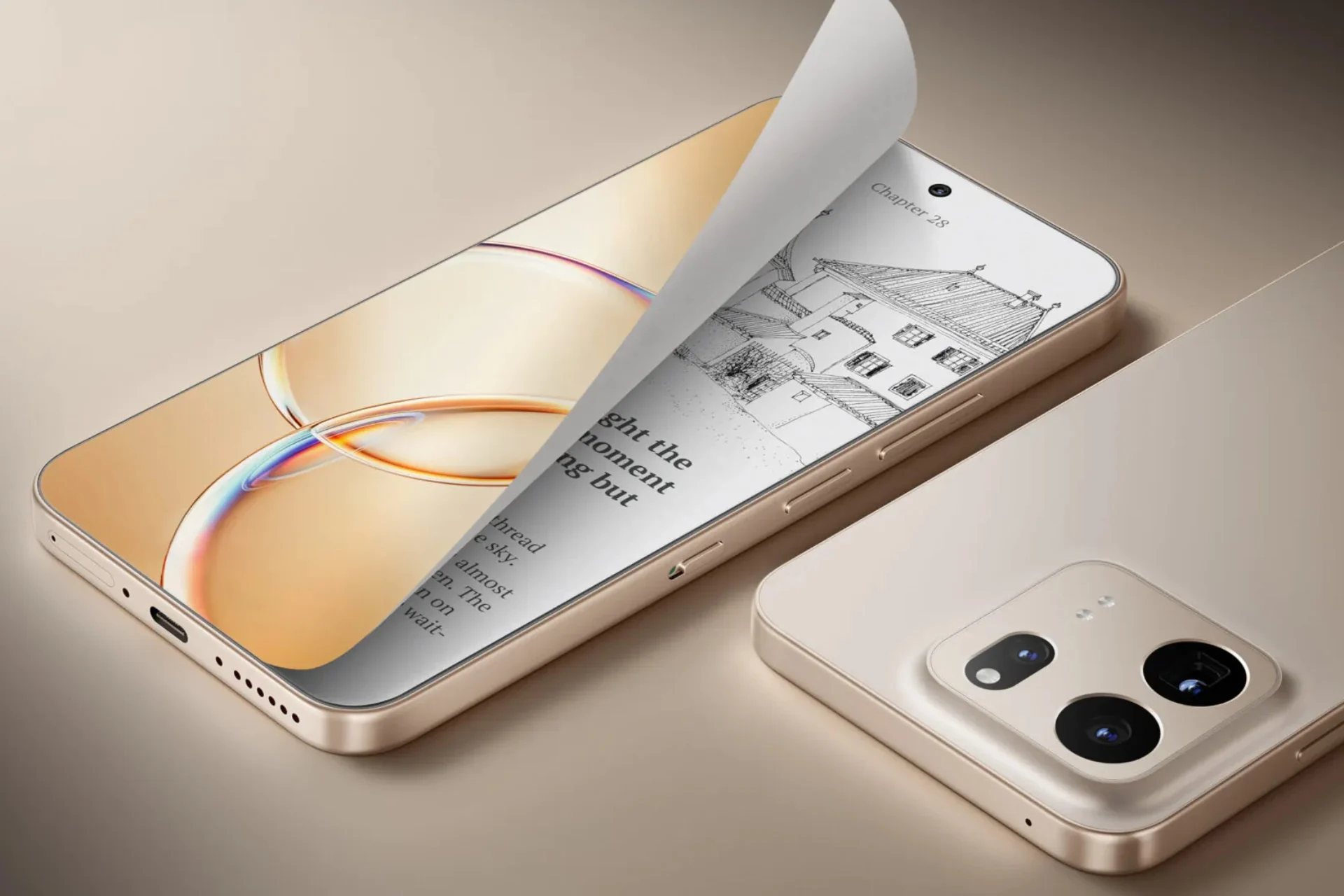
At the core of the P80 series lies TCL’s revolutionary NXTPAPER AMOLED display technology. By marrying the vibrant color reproduction and deep contrast of active-matrix organic light-emitting diodes with a matte, anti-glare finish and circular polarization, TCL has engineered a hybrid screen that drastically cuts blue light emissions without sacrificing fidelity.
Beyond optical comfort, the P80 lineup introduces a physical hardware intervention: the "Max Ink Mode" side slider. With a single flick, users can pivot their device from a vibrant multimedia powerhouse into a low-distraction, monochrome e-reader interface. Combined with robust internals, advanced AI-driven audio transformations, and a commitment to longevity featuring Android 16 alongside seven years of security patches, the TCL P80 Pro and P80 Ultra represent a bold paradigm shift in how consumers interact with pocket-sized computing.
Read Also
Detailed Chronology: The Evolution of NXTPAPER to the P80 Series
To fully appreciate the significance of the TCL P80 launch, it is essential to trace the developmental lineage of TCL’s NXTPAPER initiative. When TCL first introduced NXTPAPER hardware several years ago, the technology was primarily viewed as a niche alternative for budget tablets and specialized media consumption devices. These early iterations relied heavily on reflective LCD panels, which excelled in bright sunlight and eliminated harmful blue-light spikes, but struggled significantly with contrast ratios, viewing angles, and responsiveness in dimly lit environments.
As consumers increasingly migrated their entire digital lives—reading, working, communicating, and consuming entertainment—onto smartphones, the demand for an all-in-one device that wouldn’t strain eyes during late-night reading sessions intensified. TCL responded by funneling research and development capital into merging NXTPAPER patents with modern AMOLED panel architectures.
The breakthrough culminated in the lead-up to the September 2026 commercial rollout. Prototypes showcased at global technology expos throughout early 2026 hinted at a device that could seamlessly cross the boundary between a traditional multimedia smartphone and a paper-like reading tablet. By September 2026, the technology was finalized, resulting in the simultaneous global release of the P80 Pro and P80 Ultra. This milestone marks the first time a mainstream flagship-tier smartphone family has embedded e-reader ergonomics directly into its foundational hardware design, signaling a major evolution in device versatility.
Supporting Context & Metrics: Hardware Engineering and Specifications
The TCL P80 Pro and P80 Ultra share a formidable foundational hardware architecture, balancing high-end display science with rugged physical engineering.
The Visual Core: 6.83-Inch NXTPAPER AMOLED
Both smartphones are built around a sprawling 6.83-inch 1.5K display panel boasting a resolution of 2772 x 1280. Unlike traditional glossy smartphone screens that act like mirrors under harsh overhead lighting, the NXTPAPER AMOLED surface incorporates a specialized matte finish and advanced circular polarization layers. This dramatically minimizes specular reflection and ambient glare. Despite the matte texture, the display maintains a fluid 120Hz refresh rate for seamless scrolling and an astonishing 3,200 nits of peak outdoor brightness, ensuring legibility under direct sunlight.
Power, Battery, and Durability
Beneath the exterior, both devices house a robust 5,800mAh silicon-carbon-infused battery designed to withstand the rigorous demands of mixed media usage and prolonged reading sessions. This cell supports 45W fast charging, mitigating downtime.
Performance baselines are anchored by 8GB of RAM and up to 512GB of internal storage, ensuring multi-tasking headroom. Durability is equally prioritized: the P80 series achieves an IP68 dust and water resistance rating alongside a MIL-STD-810H military-grade drop and shock resistance certification.

Software Ecosystem and Longevity
The series launches with Android 16 out of the box. Recognizing enterprise and consumer demands for device longevity, TCL has pledged a comprehensive software support roadmap: four major Android operating system upgrades and seven years of continuous security patches.
Model Differentiation: Pro versus Ultra
While the foundational specifications are identical, the P80 Pro and P80 Ultra diverge in processing horsepower and optical capabilities to serve distinct market segments:
- TCL P80 Ultra (The Flagship): Driven by the high-performance MediaTek Dimensity 7400 Elite processor, the Ultra is built for power users and mobile photographers. Its camera array features a versatile triple-lens setup: a 50MP primary wide sensor with Optical Image Stabilization (OIS), an 8MP ultra-wide lens, and a dedicated 50MP periscope telephoto lens capable of crisp 3x optical zoom.
- TCL P80 Pro (The Value-Focused Alternative): Designed for consumers prioritizing budget efficiency without sacrificing the core NXTPAPER experience, the Pro features the capable MediaTek Dimensity 7300 processor. The camera system scales back to a dual-lens array, omitting the telephoto lens while retaining the core 50MP main and 8MP ultra-wide sensors.
Official Statements and Innovative Features
TCL’s design philosophy for the P80 series centers on mitigating digital fatigue. Company representatives and product engineers have repeatedly emphasized that modern smartphones are designed to capture and hold human attention through high-stimulation interfaces, often at the expense of user wellbeing.
Max Ink Mode: A Physical Digital Detox
The centerpiece of this philosophy is the physical side slider located on the chassis of both the P80 Pro and P80 Ultra. Unlike software toggles buried deep within pull-down notification shades or settings menus, this tactile switch instantly alters the user interface into "Max Ink Mode."
When engaged, the display shifts to a high-contrast, black-and-white monochrome aesthetic reminiscent of traditional electronic paper. Simultaneously, the operating system suppresses heavy, attention-draining application notifications. In this mode, the power draw drops significantly, allowing the 5,800mAh battery to sustain up to 7 continuous days of dedicated book reading.
Intelligent Reading Assistants
Recognizing that modern consumption habits extend beyond static text, TCL has integrated advanced artificial intelligence reading assistants into the P80 software suite. These tools feature robust text-to-speech capabilities, allowing users to convert standard e-books and long-form documents into podcast-style audiobooks on the fly. This bridges the gap between active visual reading and passive audio consumption during commutes or workouts.
Future Outlook: Implications for the Mobile Industry
The launch of the TCL P80 Pro and P80 Ultra raises critical questions regarding the future direction of smartphone design. For over a decade, the industry has been trapped in an arms race of processing benchmarks and camera pixel counts, largely ignoring the physiological toll that high-intensity, glossy OLED screens take on human eyes.
By successfully commercializing a display technology that offers the best of both worlds—vibrant, high-refresh-rate color multimedia when you want it, and glare-free, eye-soothing monochrome paper when you need to focus—TCL has mapped out a viable path forward for ergonomic mobile hardware.
Priced competitively—with the TCL P80 Pro slated between $500 and $580, and the flagship P80 Ultra ranging from $640 to $650 across global storefronts like Amazon and regional markets throughout September 2026—these devices are positioned to disrupt traditional mid-to-high-tier market segments. If consumer adoption aligns with industry anticipation, competitors may find themselves forced to develop their own iterations of eye-comfort display hybrids, ultimately transforming eye health from an afterthought into a core selling point of the next generation of mobile computing.


Comments
Facebook App ID not configured. Please add it in the Customizer.