
Executive Overview
Literacy is the bedrock of modern education, lifelong learning, and civic participation. Yet, for millions of children around the globe, the journey to becoming a confident reader is fraught with anxiety, frustration, and systemic roadblocks. Despite the best efforts of dedicated parents and passionate educators, many students develop a profound aversion to books. Far too often, this resistance is misattributed to laziness or behavioral defiance. In reality, it is frequently the outward manifestation of deep-seated reading anxiety, lingering trauma from past academic failures, and cognitive disconnects that traditional instructional methods fail to address.
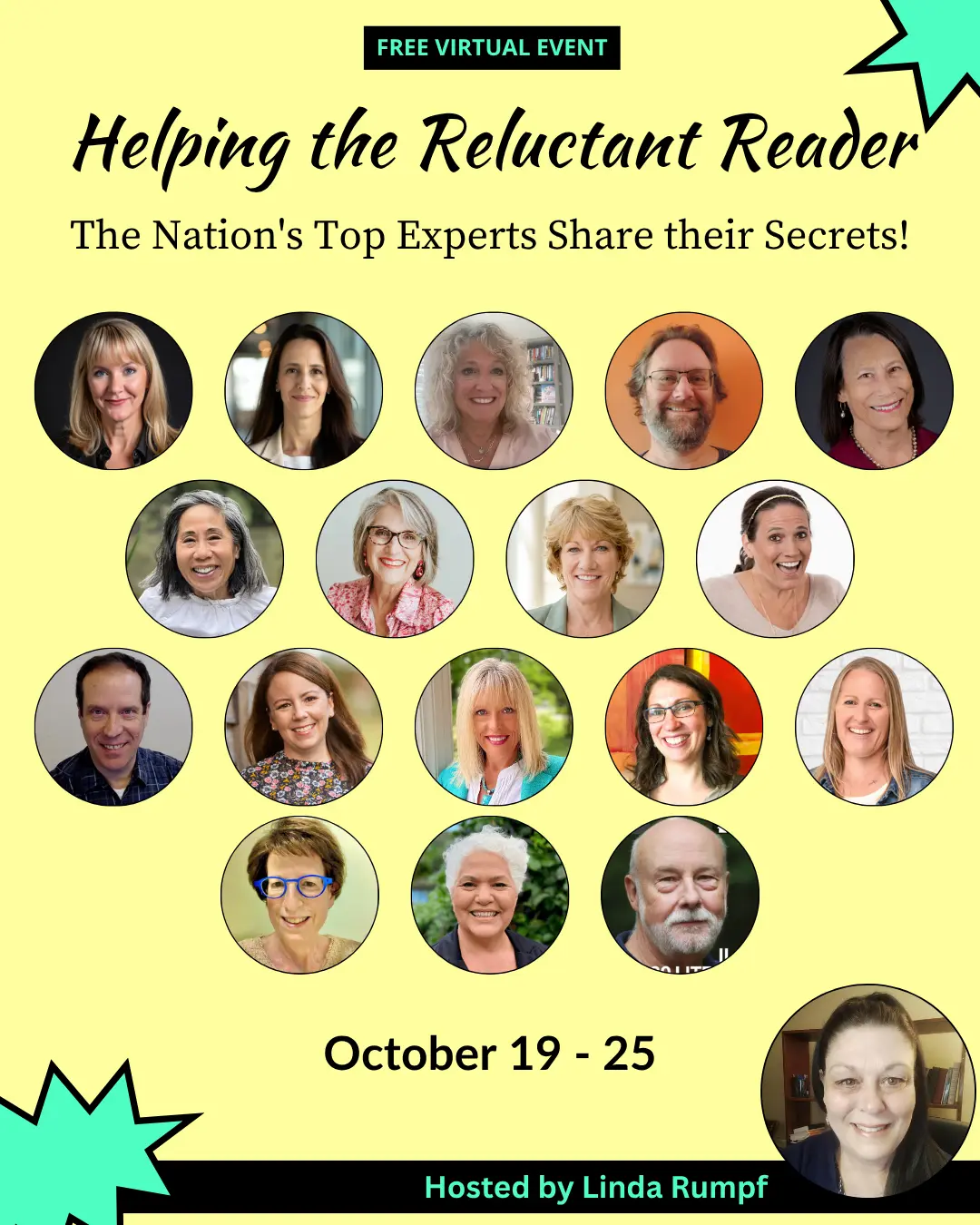
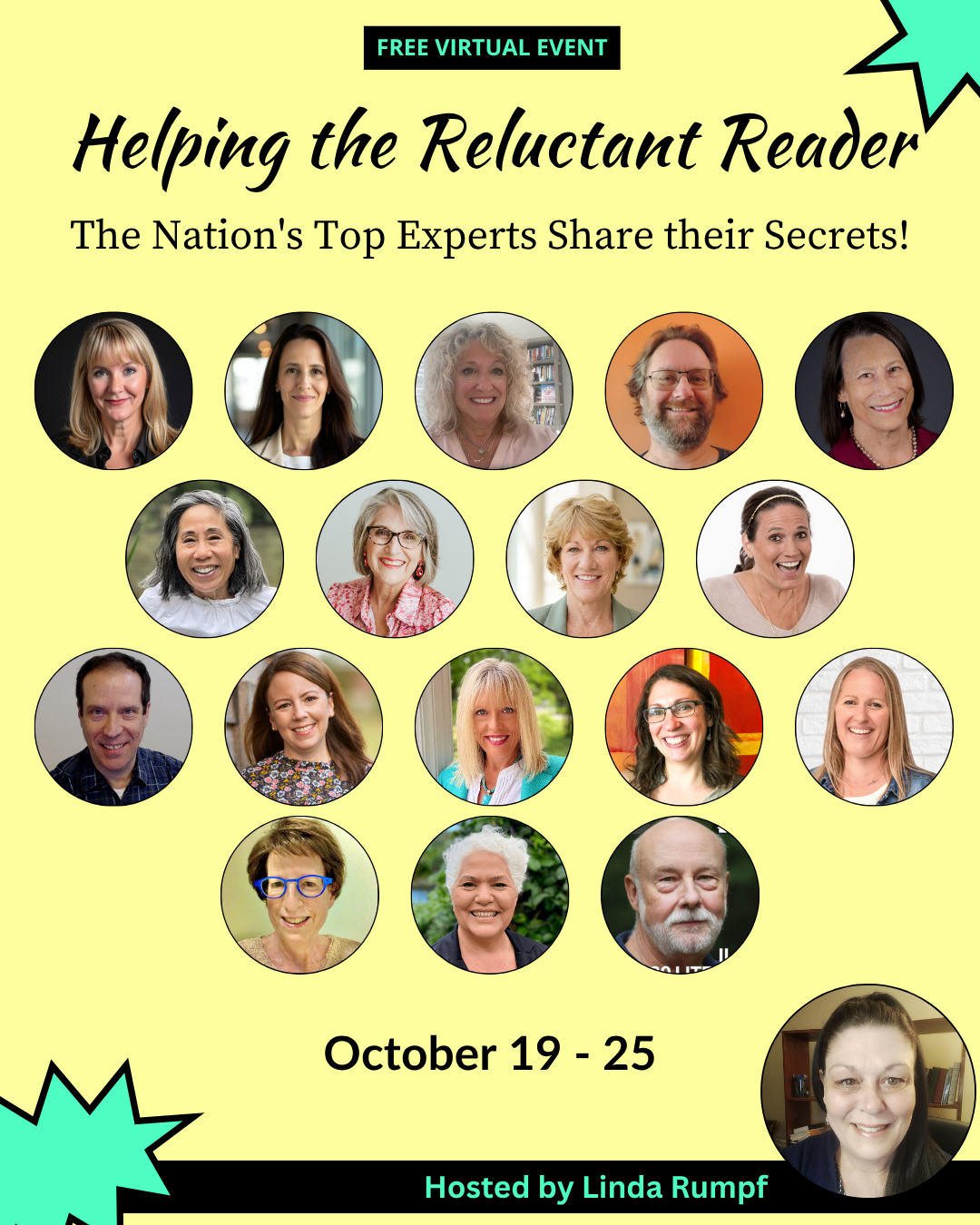
To combat this pressing educational challenge, the global literacy community is gathering for the annual Close the Reading Gap Summit. Kicking off on October 19th, this comprehensive, free virtual event is specifically tailored for parents, caregivers, and educators seeking actionable, evidence-based strategies to reach and support struggling students. The theme for this year’s landmark event is Helping the Reluctant Reader.
The core philosophy driving this year’s summit challenges traditional deficit-based mindsets. Children who resist reading are not defiant; they are overwhelmed. They are exhausted by the cycle of doing things "wrong" and failing to register visible progress. However, educational experts emphasize that this narrative can be rewritten. With the right tools, psychological insights, and instructional scaffolds, adults can "flip the script," transforming reluctant readers into engaged, confident participants in literacy. Furthermore, because reading and writing are intrinsically connected, the 2026 summit features a dedicated track designed to help transition reluctant writers into empowered, "Brave Writers."
Read Also
This special report provides an exhaustive, multi-faceted look at the literacy crisis, the psychological dimensions of reading refusal, and a comprehensive breakdown of the seven-day schedule, featuring world-renowned literacy researchers, educators, and authors.
Detailed Chronology: The Seven-Day Masterclass Lineup
The 2026 Close the Reading Gap Summit has curated an unprecedented roster of international literacy experts, cognitive scientists, and experienced educators. Spanning seven distinct days, the event moves methodically from foundational decoding and psychological reframing to practical, high-engagement classroom and home strategies. Below is the detailed daily chronology of the speaker lineup and core developmental themes.
+-----------------------------------------------------------------------------------+
|                        2026 SUMMIT CHRONOLOGICAL OVERVIEW                         |
+-------------------+---------------------------------------+-----------------------+
| Day               | Core Focus Theme                      | Featured Experts      |
+-------------------+---------------------------------------+-----------------------+
| Day One           | Working With Reluctant Readers        | Dr. Louisa Moats et al|
| Day Two           | Turning Reluctant Writers             | Julie Bogart          |
| Day Three         | Psychology of Reading Refusal         | Dr. Melanie Wilson et |
| Day Four          | Teaching So They Can’t Fail           | Kurt Engelmann, etc   |
| Day Five          | Fun with Words: Morphology & Poetry   | Dr. Pete Bowers, etc  |
| Day Six           | Enticing Books: Your Secret Weapon    | Mia Wenjen, et al     |
| Day Seven         | Strategies for Winning Them Over      | Emily Laidlaw, et al  |
+-------------------+---------------------------------------+-----------------------+
Day One: Working With Reluctant Readers
The summit opens with a powerhouse panel focusing on the foundational realities of working directly with students who actively push back against literacy tasks.
- Dr. Louisa Moats: A globally recognized authority on literacy education, Dr. Moats brings decades of research in the Science of Reading, emphasizing structured literacy and explicit decoding instruction.
- Nora Chahbazi: Founder of Transformation Literacy, Chahbazi is renowned for her advocacy on systemic shifts in how reading difficulties are identified and remedied.
- Emily Gibbons: A seasoned educator and interventionist who specializes in bridging the gap between Orton-Gillingham methodologies and practical classroom application for struggling learners.
- Dr. Marnie Ginsberg: An expert in reading intervention and school-wide literacy reform, Dr. Ginsberg provides insights into identifying root causes of reading failure.
Day Two: Turning Reluctant Writers into Brave Writers
Because literacy is a dual-engine vehicle comprising both receptive skills (reading) and expressive skills (writing), Day Two shifts focus entirely to the written word.
- Julie Bogart: Creator of the widely acclaimed "Brave Learner" home and homeschool philosophy, Bogart addresses the emotional blocks associated with writing. Her session provides concrete methods to lower the stakes of composition, helping children find their authentic voice without fear of red-ink corrections.
Day Three: Understanding the Psychology of Reading Refusal
Day Three delves deeply into the cognitive and emotional landscapes of children who reject reading entirely, exploring how trauma and frustration manifest as behavioral avoidance.
- Dr. Melanie Wilson: A psychologist and educator who examines the mental health impacts of academic struggle.
- Melanie Jeffrey: An expert in neurodiversity and learning differences, focusing on how executive dysfunction impacts literacy engagement.
- Sarah Collins: Specializes in instructional scaffolding, teaching adults how to break monumental reading tasks into manageable, bite-sized components that prevent cognitive overload.
Day Four: Teaching So They Can’t Fail
Designing instructional loops where success is inevitable forms the core curriculum of Day Four.
- Kurt Engelmann: Focuses on mastery learning models and errorless teaching strategies.
- Sherrie Rain: Offers diagnostic teaching frameworks that ensure students master foundational concepts before advancing, thereby eliminating gaps that lead to reading trauma.
Day Five: Fun with Words: Generating Interest via Morphology and Poetry
Language play, structural word analysis, and rhythmic verse take center stage on Day Five, injecting joy back into literacy instruction.
- Dr. Pete Bowers: A pioneer in "Structured Word Inquiry," Dr. Bowers demonstrates how teaching English morphology (word roots, prefixes, and suffixes) empowers children to decode complex vocabulary naturally and inquisitively.
- Dr. Tim Rasinski: A legendary professor of literacy education known worldwide for his research on reading fluency, automaticity, and the transformative power of poetry and expressive reading.
Day Six: Enticing Books: Your Secret Weapon
Matching the right book to the right child at the right time can alter the trajectory of a young reader’s life. Day Six is dedicated to curating high-interest, irresistible literature.
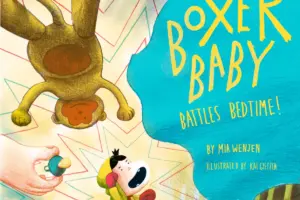
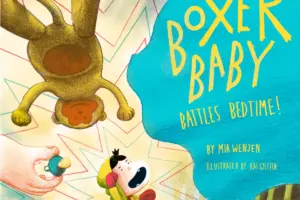
- Mia Wenjen: A prominent children’s author, literacy advocate, and founder of Pragmatic Mom, Wenjen shares strategies on leveraging diverse, engaging, and graphic-heavy literature to hook hesitant readers.
- Joanne Kaminski: An expert in online reading tutoring and student engagement.
- Lori Josephson: Focuses on bridging comprehension strategies with high-interest narrative texts.
Day Seven: More Amazing Strategies for Winning Them Over
The summit concludes with a masterclass in advanced engagement strategies, offering parents and teachers a final set of versatile tools to cement long-term reading habits.
- Emily Laidlaw: Specializes in multisensory literacy techniques that engage kinesthetic and visual learners.
- Kim Yarson: Provides practical routines and positive reinforcement frameworks designed to cultivate sustainable, independent reading cultures at home and in the classroom.
Supporting Context & Metrics: The Anatomy of Reading Resistance
To fully appreciate the urgency of the Close the Reading Gap Summit, one must examine the broader socioeconomic and psychological landscape of modern literacy. According to recent educational assessments, reading proficiency rates remain a matter of national and international concern. A significant percentage of students fail to reach proficiency benchmarks by the end of elementary school, setting off a cascade of academic and emotional hurdles.
The Cycle of Reading Trauma
When a child repeatedly struggles to sound out words in front of peers, teachers, or parents, their brain registers this repeated friction as a threat. Over time, this dynamic creates what educational psychologists term reading trauma. Symptoms of reading trauma include:
- Somatic Complaints: Stomachaches, headaches, or anxiety flare-ups specifically around designated reading times.
- Avoidance Behaviors: Hiding books, zoning out, acting out to disrupt reading sessions, or displaying extreme emotional volatility.
- Learned Helplessness: The adoption of phrases like "I’m stupid," "I hate reading," or "I can’t do this," signaling a total collapse in self-efficacy.
[ Academic Difficulty ]
       │
       ▼
[ Public/Private Frustration ]
       │
       ▼
[ Somatic Stress & Avoidance ]
       │
       ▼
[ "Reading Trauma" / Learned Helplessness ]
Flipping the Script: The Shift from Deficit to Scaffold
The 2026 summit’s central thesis relies on shifting adult behaviors to alter child outcomes. Traditional interventions often double down on what is not working—forcing more drill-and-kill phonics or increasing time spent on frustrating texts. Conversely, modern evidence-based frameworks advocate for:
- Radical Scaffolding: Breaking down texts into digestible chunks, utilizing audio-assisted reading, and sharing the reading load via paired reading.
- Decoupling Performance from Joy: Removing graded quizzes and comprehension pressure during initial exposures to a text, allowing the child simply to experience the pleasure of a story.
- Leveraging High-Interest Mediums: Embracing graphic novels, comic books, informational magazines, and audiobooks as legitimate, high-value literacy tools rather than "lesser" reading material.
Official Statements and Expert Perspectives
The organizing committee and featured speakers of the Close the Reading Gap Summit have released several overarching statements regarding the philosophy of the 2026 event.
"Children who resist reading are not lazy, nor are they misbehaving. They are profoundly frustrated. They are sick of doing it ‘wrong’ or feeling like their daily efforts yield nothing but failure. The good news is that this trajectory can be radically reversed. Helping a reluctant reader succeed does not require an advanced degree in neuropsychology; it hinges on strategies that become entirely accessible once you know what tools belong in your toolbox."
— Summit Organizing Committee
Furthermore, experts emphasize the symbiotic relationship between reading and writing. As literacy specialist and speaker Julie Bogart notes, writing anxiety often mirrors reading reluctance. When children are asked to produce text before they have internalized structural models or before their emotional comfort level is established, they freeze. By shifting the paradigm from mechanical compliance to authentic expression—turning reluctant writers into "Brave Writers"—educators can unlock doors that have long remained bolted shut.
Future Outlook: The Road Ahead for Literacy Advocates
As education systems continue to navigate post-pandemic learning recovery, the demand for specialized, empathetic literacy intervention has never been higher. Events like the Close the Reading Gap Summit represent a vital lifeline for parents who feel isolated in their advocacy and teachers striving to reach diverse, mixed-ability classrooms with limited resources.
Looking toward the future, the integration of structured literacy methodologies with trauma-informed psychological frameworks promises to redefine remediation. By treating reading refusal not as a behavioral infraction to be punished, but as an emotional wound requiring precise pedagogical care, the educational community moves closer to universal literacy.
How to Participate
For parents, educators, interventionists, and administrators eager to gain immediate access to these world-class strategies, registration for the 2026 summit is entirely free. Attendees will gain actionable toolkits designed to dismantle reading anxiety, foster lifelong literacy habits, and ultimately empower every child to experience the joy of reading.
To secure your spot at this transformative event, click the official registration portal link below:
👉 Register for the Close the Reading Gap Summit Here
Don’t miss this opportunity to revolutionize your approach to struggling readers and writers. Together, we can close the reading gap and ensure no child is left behind in the dark corners of literacy frustration.

Comments
Facebook App ID not configured. Please add it in the Customizer.