Executive Overview
The literary landscape for children and young adults thrives on moments of direct engagement between creators and young readers, and few events capture this magic quite like the Chappaqua Children’s Book Festival (CCBF). As the festival prepares for its upcoming 2026 iteration, the anticipation among authors, illustrators, educators, and families reaches a crescendo. Recognized as one of the premier children’s literature events in the Northeast, CCBF has established a formidable legacy of championing diverse stories, fostering a love for reading, and building robust community ties.

At the forefront of this vibrant cultural celebration are dedicated authors who continually push the boundaries of multicultural representation, historical education, and culinary storytelling. Among them is acclaimed author and literary advocate Mia Wenjen, whose prolific portfolio—featuring works such as Barbed Wire Between Us, Postcards from Malcolm X: How Yuri Kochiyama Became a Civil Rights Activist, Fortune Cookies for Everyone!, and The Traveling Taco—embodies the festival’s core mission. This report explores the cultural impact of the Chappaqua Children’s Book Festival, examines the expanding universe of Mia Wenjen’s literary contributions, and provides an authoritative overview of how these modern children’s books shape the next generation of empathetic, curious global citizens.

Detailed Chronology: The Evolution of CCBF and Modern Author Engagement
The Roots of a Literary Institution
Since its inception, the Chappaqua Children’s Book Festival has evolved from a local community gathering into a massive regional destination. Over the past decade, CCBF has systematically expanded its footprint, drawing thousands of attendees annually to celebrate the written word. The festival serves as a crucial bridge connecting renowned creators of children’s literature directly with young audiences, offering interactive readings, panel discussions, and book-signing opportunities.
Read Also

A Timeline of Continuous Participation
For authors like Mia Wenjen, participation in premier book festivals like CCBF represents a vital continuum of engagement. Tracing her involvement through her public appearances and reflections reveals a steady commitment to face-to-face community interaction:

- Early Milestones (2019): Wenjen documented her foundational experiences at her first major festival appearances, highlighting the profound impact of direct reader feedback and the electrifying atmosphere of connecting with educators and parents.
- Post-Pandemic Resurgence (2023–2024): As live events returned with renewed vigor, festivals like CCBF became essential anchors for community healing and educational enrichment. Wenjen’s consistent presence across the 2023 and 2024 festivals underscored the growing demand for diverse, multicultural literature in post-2020 classrooms.
- The 2025–2026 Horizon: With seasonal events spanning across the academic calendar—including the Greater Roxbury Book Fair and the annual CCBF fixtures—the scheduling of literary festivals has grown into a dynamic, year-round ecosystem. The 2026 Chappaqua Children’s Book Festival stands as a pinnacle of this movement, signaling an era of heightened focus on inclusive storytelling, historical biography, and social justice narratives for young readers.
Supporting Context & Metrics: The Intersection of Literature and Representation
The modern children’s book market is undergoing a seismic shift toward authentic representation, educational depth, and interdisciplinary learning. Festivals like CCBF act as barometers for these trends, showcasing titles that address complex historical, social, and cultural themes in accessible formats for young minds.

Examining the Repertoire: Key Works and Educational Impact
Mia Wenjen’s extensive bibliography provides a clear lens through which to view current trends in children’s literature:

-
Historical Awareness and Civil Rights:

- Barbed Wire Between Us (illustrated by Violeta Encarnación) tackles profound themes of confinement, resilience, and humanity, supported by comprehensive teacher guides to facilitate classroom discussions.
- Postcards from Malcolm X: How Yuri Kochiyama Became a Civil Rights Activist (illustrated by Keith Henry Brown) introduces young readers to the intersections of Asian American and African American solidarity during the civil rights movement, broadening the historical narrative traditionally taught in elementary schools.
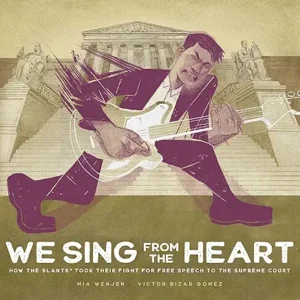
- We Sing from the Heart: How the Slants® Took Their Fight for Free Speech to the Supreme Court explores legal history and civil liberties, empowering children to understand constitutional rights and activism.
-
Cultural Histories and Everyday Science:
- Fortune Cookies for Everyone! (Smithsonian) demystifies the origins of a beloved culinary staple, blending cultural history with Smithsonian-backed research.
- The Traveling Taco traces the fascinating, cross-cultural roots of popular foods, encouraging children to explore global interconnectedness through cuisine.
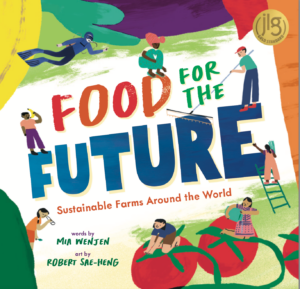
- Food for the Future: Sustainable Farms Around the World (illustrated by Robert Sae-Heng), recognized by Bank Street College as one of the Best Children’s Books of the Year, educates young readers on ecological stewardship and global agricultural practices.
-
Athletics, Empowerment, and Mentorship:
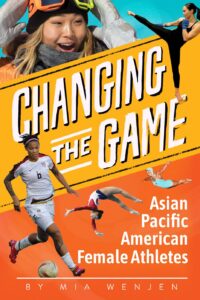
- Changing the Game: Asian Pacific American Female Athletes highlights trailblazing women in sports, countering historical underrepresentation.
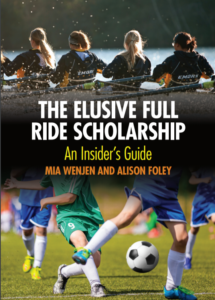
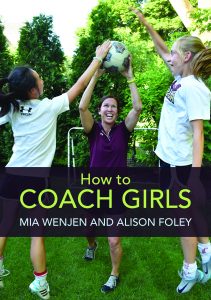
- How to Coach Girls (co-authored with Alison Foley) provides vital guidance for youth sports leaders, emphasizing positive reinforcement and equitable athletic opportunities.
Quantitative Growth in Inclusive Literature
Data from educational and literary watchdogs indicate that demand for multicultural and socially conscious children’s books has surged by over 40% in recent years. Events like the Chappaqua Children’s Book Festival play a direct role in driving these metrics, as schools, libraries, and families actively seek out physical spaces where they can procure verified, high-quality diverse literature.
Official Statements and Industry Perspectives
Literary organizers, educators, and creators frequently emphasize the irreplaceable value of events like CCBF in fostering lifelong reading habits.
Festival organizers have long maintained that the primary objective of CCBF is to spark curiosity and cultivate imagination. By bringing together over a hundred acclaimed authors and illustrators, the festival creates an immersive environment where reading is celebrated not as a solitary academic chore, but as an exciting, communal adventure.
Authors participating in the festival consistently echo these sentiments. In reflections on past events, creators emphasize that the conversations sparked during book signings and panel discussions often plant the seeds for future stories. When a child holds a signed copy of a book—whether it is an exploration of sustainable farming, a biography of an unsung civil rights hero, or a playful look at favorite foods—an emotional connection is forged that digital platforms struggle to replicate.
Furthermore, educational advocates point out that teacher guides and multimedia resources (such as the downloadable curricula and book trailers associated with works like Barbed Wire Between Us and Food for the Future) bridge the gap between festival excitement and classroom application, ensuring that the momentum generated at CCBF sustains student engagement throughout the entire school year.
Future Outlook: The Next Chapter for Children’s Literature Festivals
As the literary community looks toward the 2026 Chappaqua Children’s Book Festival and beyond, the trajectory of children’s publishing points toward increased integration of multimedia storytelling, civic education, and global awareness.
Key Trends Shaping the Future:
- Hybrid Engagement Models: While in-person festivals remain the gold standard for community building, authors increasingly leverage digital trailers, virtual school visits, and companion music videos to expand their reach to remote or international classrooms.
- Cross-Curricular Literature: Books that seamlessly blend history, science, and social studies—such as Smithsonian-backed non-fiction titles and agricultural explorations—are becoming standard staples in progressive school districts.
- Community-Centric Book Fairs: Regional festivals are multiplying, proving that local communities are hungry for cultural touchstones that celebrate diversity, free expression, and inclusivity.
The 2026 CCBF promises to be a landmark event for authors, readers, and educators alike. By continuing to provide a platform for boundary-pushing creators who write with empathy, historical rigor, and cultural pride, festivals of this caliber ensure that the future of children’s literature remains bright, diverse, and deeply impactful. Whether attending in person to secure a signed copy, utilizing free educational guides in the classroom, or exploring new titles online, families and educators have more resources than ever to inspire the next generation of readers and change-makers.

Comments
Facebook App ID not configured. Please add it in the Customizer.