
Executive Overview
In the fast-evolving landscape of contemporary television drama, few series manage to successfully bridge the intricate, often cynical mechanics of statecraft with the raw, volatile pulse of human emotion. Over the past several months, the political drama Leader—which premiered to considerable anticipation on March 28—staked a compelling claim in this demanding genre.
Centred around a potent cocktail of power dynamics, romance, resilience, and an unwavering crusade against entrenched injustice, the series quickly cemented its place as a focal point of water-cooler conversations across the region. At the beating heart of this narrative tempest was Rubab Agha, a character etched in equal parts strength, vulnerability, and unyielding pride.
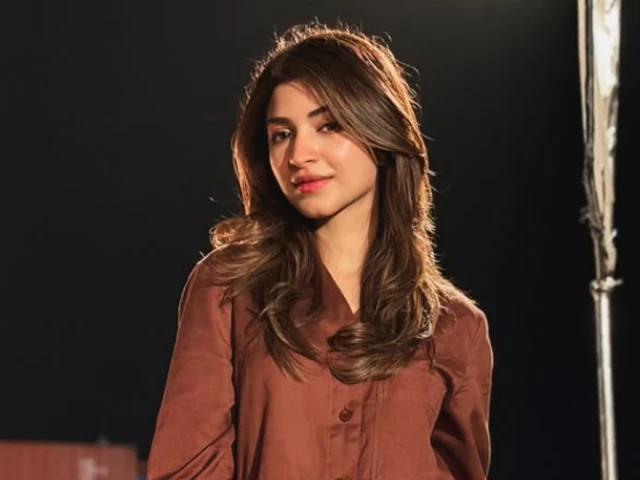
As the curtains draw to a close on the series, the actor who brought Rubab to life, Kinza Hashmi, has officially bid farewell to the role that defined a significant chapter of her career. In a deeply personal, widely shared Instagram retrospective, Hashmi pulled back the curtain on the emotional architecture of her performance, sharing a curated carousel of behind-the-scenes photographs and production stills. Her farewell message was not merely a standard industry sign-off, but an introspective meditation on artistic immersion, creative vulnerability, and the bittersweet finality of closing a cherished chapter.
Read Also
Hashmi’s poignant reflection—underscored by the Hindi-Urdu sentiment "Yeh safar hamesha yaad rahega" (This journey will always be remembered)—serves as a fitting coda for a production that defied standard television tropes. It tackled heady themes of political corruption and moral fortitude while anchoring its stakes in deeply human relationships.
Alongside her co-star Ali Raza, whose portrayal of the resilient Mansoor served as a vital narrative counterweight, Hashmi helped steer Leader through a turbulent broadcast run. This comprehensive retrospective examines the conclusion of the series, the depth of Hashmi’s personal connection to Rubab Agha, the collaborative engine driving the production, and the broader implications of Leader’s cultural footprint within the South Asian television ecosystem.
Detailed Chronology: From First-Look Intrigue to the Final Frame
The trajectory of Leader from a promising concept to a definitive fixture of primetime television is a study in careful pacing, thematic ambition, and strategic audience engagement. Understanding the arc of the series requires a step-by-step examination of its release timeline, structural milestones, and the evolving reception of its narrative core.
The Premise and March 28 Premiere
When Leader made its official debut on March 28, it stepped into a fiercely competitive television landscape traditionally dominated by domestic melodramas and formulaic family sagas. Created by a team willing to take calculated creative risks, the series boldly positioned itself at the intersection of high-stakes political machinations and deeply personal emotional trials. The narrative spine of the show was built upon a universal thematic struggle: the individual standing resolute against systemic injustice.
From its opening episodes, the series established a brooding, atmospheric tone. It invited viewers into a world where backroom political deals carried immediate, devastating personal costs. At the centre of this storm was Rubab Agha, played by Kinza Hashmi. Rubab was introduced not as a passive bystander caught in the crossfire of political ambition, but as a woman of formidable intellect, unshakeable pride, and striking emotional fortitude. Her introduction immediately signaled to the audience that Leader would eschew damsel-in-distress clichés in favor of complex, morally grey characters who had to navigate the corrosive effects of power.
The Introduction of Mansoor and On-Screen Chemistry
As the narrative expanded, the introduction of Mansoor, portrayed with steady conviction by Ali Raza, provided the necessary friction and ideological balance to Rubab’s world. Mansoor was written as a determined voice of dissent—a figure who refused to bow to intimidation, standing as an unmovable object against an unstoppable wave of institutional corruption.
Significantly, Leader marked the historic first on-screen pairing of Hashmi and Raza. In an industry where casting directors frequently rely on tried-and-tested, familiar romantic pairings to guarantee initial ratings, the decision to pair Hashmi and Raza was a bold gamble. However, this gamble paid off almost instantaneously.
Long before the first episode aired, the release of the series’ official trailer generated palpable online buzz, largely driven by the undeniable, crackling chemistry between the two leads. Their initial interactions on screen—marked by a delicate dance of ideological disagreement, mutual respect, and eventual emotional reliance—became the gravitational pull that kept audiences hooked week after week.
Navigating Political Turmoil and Romance
As the weeks progressed, the plot thickened, mirroring the unpredictable nature of real-world political landscapes. The writers did not shy away from exposing the rot within institutional corridors, placing their characters in agonizing ethical dilemmas. Rubab’s heart, in particular, was subjected to a brutal crucible. Tested relentlessly by political betrayal, societal pressures, and her evolving feelings for Mansoor, her character arc evolved from one of guarded defense to one of radical, sacrificial resilience.
The chronology of the series was marked by key narrative turning points: dramatic confrontations in sterile boardrooms, tense domestic stand-offs where political loyalties were traded like currency, and quiet moments of vulnerability shared between Rubab and Mansoor against a backdrop of impending danger. These tonal shifts required immense versatility from the cast, transitioning seamlessly from high-decibel political shouting matches to intimate, whispered conversations loaded with emotional subtext.
The Conclusion and the Instagram Farewell
The series finale, which aired to a flurry of social media speculation and high viewership metrics, resolved the primary narrative conflicts while leaving an indelible emotional impression on the audience. It was within hours of this broadcast that Kinza Hashmi took to Instagram to officially close the book on Rubab Agha.
Her post featured a meticulously curated carousel of images: candid behind-the-scenes shots of the actors cracking up between heavy dramatic takes, production clips showcasing the high-production-value set designs, and framed stills capturing the intense emotional climaxes of her character’s journey. The accompanying caption laid bare the psychological toll and artistic fulfillment of embodying such a complex woman over several months of grueling shooting schedules.
Supporting Context & Metrics: The Anatomy of a Political Drama
To fully appreciate the cultural weight of Leader’s conclusion, it is necessary to examine the broader context of the television industry in which it operated, as well as the professional backgrounds of its principal architects.
Genre Evolution in Contemporary Television
For years, regional television dramas have been critiqued by cultural analysts for occasionally retreating into insular domestic conflicts, often leaning heavily on tropes of familial rivalry and marital discord. While these themes resonate deeply with broad demographics, the appetite for elevated, genre-bending content has grown exponentially.
Leader capitalized on this shifting viewer palate. By fusing political intrigue with romantic drama, the series tapped into a tradition of political thrillers that interrogate power structures while retaining an emotional anchor. The show’s success proves that contemporary audiences are hungry for narratives that respect their intelligence—stories that weave macroeconomic or political stakes directly into the personal relationships of the protagonists.
Cast Credentials and Industry Standing
The success of Leader was heavily dependent on the caliber of its principal cast, both of whom brought considerable institutional weight and dedicated fanbases to the project.
- Kinza Hashmi: A powerhouse performer who has consistently pushed the boundaries of her craft, Hashmi entered Leader with a formidable reputation. Her breakout turn in the 2018 hit Ishq Tamasha established her as an actor capable of conveying profound emotional depth. This was further reinforced by her commanding performance in the 2022 runaway success Ruposh. In Leader, Hashmi shed any lingering traces of ingénue typecasting, delivering a mature, layered portrayal of a woman wrestling with power, pride, and love. Her ability to anchor heavy political scenes with subtle facial expressions and controlled vocal delivery elevated the entire production.
- Ali Raza: Representing the exciting new wave of talent reshaping the television landscape, Raza has quickly built a reputation for intense, character-driven performances. Following his widely praised work in Meesni (2023) and his upcoming project Dastak (2025), Raza brought an earnest, grounded intensity to the role of Mansoor. His ability to portray unwavering moral clarity without veering into self-righteousness made him the ideal foil for Hashmi’s more strategically complex Rubab.
Production Design and Technical Execution
Behind the camera, Leader benefited from a production team committed to visual authenticity. The political environments depicted in the series—ranging from dimly lit, wood-paneled offices heavy with the scent of compromise to stark, modern urban backdrops—were constructed to reflect the cold, calculating nature of institutional power. Cinematography played a crucial role; directors and camera operators utilized tight framing during intense dialogue exchanges to trap the characters in a visual metaphor of their political constraints, contrasting sharply with the wider, softer lenses used during moments of emotional intimacy between Rubab and Mansoor.
Official Statements and Personal Reflections
The emotional resonance of Leader’s conclusion was crystallize in the statements released by its lead actor. Kinza Hashmi’s social media tribute offers a rare, unfiltered glimpse into the psychological architecture of professional acting—the phenomenon of an artist blurring the lines between self and character.
The Psychology of Embodying Rubab Agha
In her Instagram post, Hashmi did not merely thank her fans; she eulogized the fictional persona she had inhabited for months. Her words revealed the deep immersion required to bring Rubab to life:
"What a rollercoaster this journey has been. It feels strange knowing I won’t be stepping into Rubab’s world again. I lived her, felt her, and somewhere along the way, a little part of her stayed with me."
This statement speaks volumes about the empathetic leap required of actors working in long-form television. Unlike feature films, where a character’s arc is compressed into a two-hour window, television actors live with their characters for months. They absorb their trauma, celebrate their victories, and internalize their moral dilemmas. For Hashmi, Rubab was not just a collection of lines on a script, but a psychological entity that left a permanent imprint on her own emotional landscape.
Acknowledging the Collective Effort
True to her reputation as a collaborative professional, Hashmi utilized her platform to deflect the spotlight onto the entire production ecosystem. Her farewell note extended deep gratitude to the creative machinery that made the show possible:
- The Viewers: Acknowledging the grassroots support that propelled the show through its broadcast run, Hashmi noted: "The way you all loved and supported LEADER means more than I can put into words. Thank you for being a part of this beautiful journey with us."
- The Creative Team: Hashmi explicitly thanked the series director, her fellow cast members, and the behind-the-scenes crew—recognizing that the high production value and seamless narrative flow of Leader were the result of late-night editing sessions, rigorous rehearsals, and tireless on-set coordination.
She concluded her digital farewell with a line that instantly struck a chord with her multi-ethnic, cross-border fan base: "Yeh safar hamesha yaad rahega" (This journey will always be remembered). The phrase quickly became a trending hashtag, utilized by fans across social media platforms to share their own farewell edits, video tributes, and emotional reflections on the conclusion of the series.
Future Outlook: The Legacy of ‘Leader’ and Next Steps for Its Stars
As the dust settles on the final broadcast of Leader, industry analysts and fans alike are left to evaluate the long-term impact of the series on the television landscape, while casting an eye toward the future professional trajectories of its breakout stars.
Redefining Narrative Boundaries in Serialized Drama
Leader has left an indelible mark on the current television season by proving that political narratives can achieve mainstream commercial success without sacrificing artistic integrity. By refusing to talk down to its audience, the show raised the bar for writing rooms across the industry. It demonstrated that viewers are eager to engage with complex moral frameworks, institutional critique, and multi-dimensional female protagonists who refuse to be sidelined by patriarchal power structures.
The success of the Hashmi-Raza pairing also signals a shift in casting methodologies. Network executives and casting directors are likely to take note of the organic, electric chemistry generated by fresh pairings, moving away from repetitive casting formulas in favor of bold, unexpected artistic combinations.
What Lies Ahead for Kinza Hashmi and Ali Raza
For Kinza Hashmi, the successful conclusion of Leader marks another significant milestone in an already stellar career. Having successfully carried a complex political drama with critical and commercial acclaim, Hashmi has cemented her status as one of the most bankable and versatile actors of her generation. Industry insiders speculate that her nuanced performance as Rubab Agha will open doors to more ambitious, boundary-pushing cinematic and streaming projects, as the boundaries between traditional television and digital platforms continue to blur.
Similarly, Ali Raza’s stellar work in Leader—bolstered by his earlier success in Meesni and anticipation surrounding his upcoming role in Dastak (2025)—cements his position as a rising leading man of exceptional caliber. His ability to hold his own opposite heavyweights like Hashmi in dramatically intense, politically charged environments proves that he possesses the range and screen presence required to sustain a long, influential career in the industry.
Conclusion: A Lasting Impression
While the political corridors of Leader have fallen quiet and the fictional world of Rubab Agha and Mansoor has been archived into television history, the emotional resonance of the project remains undiminished. Through meticulous performances, bold narrative choices, and an authentic connection between the cast and their audience, the series transcended the standard definitions of primetime entertainment.
As Kinza Hashmi’s heartfelt farewell reminds us, the true magic of television lies not just in the plots that unfold on screen, but in the transformative, human connections forged along the way—connections that linger long after the final credits roll and the screen fades to black.


Comments
Facebook App ID not configured. Please add it in the Customizer.