
Executive Overview
In the modern digital landscape, the boundary between professional critique and personal cyber-harassment has grown increasingly porous. Nowhere is this tension more visible than in the hyper-connected, high-stakes ecosystem of Pakistani entertainment and social media commentary. A recent, rapidly escalating online clash between actor Mehar Bano and prominent social media commentator Dr. Ejaz Waris has laid bare the deep-seated cultural anxieties, gender dynamics, and ethical grey areas governing digital critique in South Asia.
What began as a localized debate over public art and accountability has spiraled into a bitter, multi-platform war of words. The dispute touches upon fundamental questions regarding the nature of celebrity, the limits of free speech, the weaponization of language, and the responsibilities of public figures in the digital age. This report provides an exhaustive, multi-dimensional analysis of the confrontation, tracing its origins, dissecting the escalating rhetoric, and contextualizing the broader socio-cultural implications of a feud that has captivated—and polarized—millions of internet users across Pakistan and beyond.
Detailed Chronology of the Conflict
The Catalyst: Satire, Critique, and the Digital Mirror
The roots of the current standoff trace back to an ongoing cultural debate surrounding public performances by Pakistani media personalities. Dr. Ejaz Waris, a social media commentator known for his pointed and frequently unsparing critiques of actors, musicians, and other public figures, had previously released commentary targeting actor Amna Ilyas. Waris’s critique focused on Ilyas’s recent public dance performance—a form of expression that frequently serves as a lightning rod for cultural debate in conservative and traditional Pakistani media spaces.
Read Also
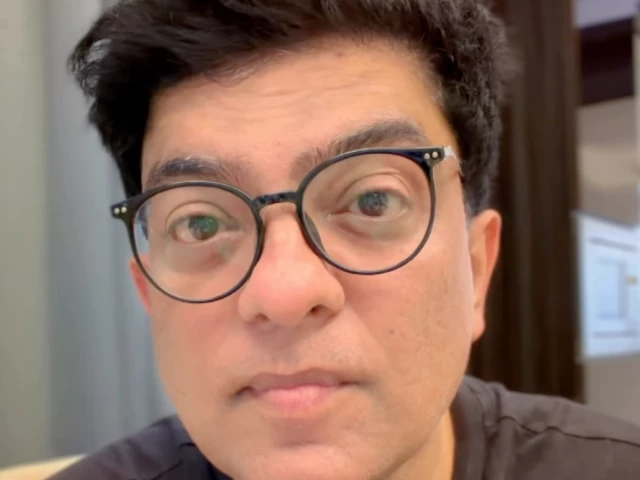
Rather than issuing a standard text-based defense, actor Mehar Bano chose to respond through the medium that fueled the criticism itself: social media satire. Bano published a short, satirical video clip designed to mock Dr. Waris’s signature delivery style and public persona. In the video, Bano donned glasses reminiscent of those worn by the commentator and captioned the clip with a pointed, dismissive jab: "That one doctor on my feed."
The parody was lightweight in execution but heavy in implication. It sought to de-escalate through ridicule, reducing a self-appointed moral critic to a caricature of internet annoyance. However, within the high-pride ecosystem of social media commentary, the maneuver was interpreted not as harmless humor, but as a direct, unprovoked assault on professional dignity.
The Counter-Strike: Dr. Waris’s Video Rebuttal
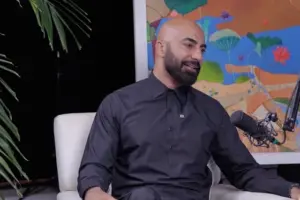
Dr. Waris did not let the satire pass quietly. Taking to Instagram, the commentator unleashed a blistering multi-pronged response that escalated the rhetoric from professional disagreement to a personal character assassination.
Waris opened his rebuttal by calling Bano’s remarks entirely uncalled for, directly questioning her status as a legitimate celebrity and lambasting the register of language she employed.
"Can you even call these people celebrities? Look at the language she is using," Waris fired back in a video statement.
He framed Bano’s satirical video not as an independent creative act, but as a proxy defense launched on behalf of her friend, Amna Ilyas. According to Waris, the incident exposed a profound hypocrisy within the entertainment industry: the wide chasm between the curated, polished personas actors project on-screen and their actual conduct off-screen.
Escalation: Personal Digs and Professional Relevancy
As the video progressed, Waris shifted from critiquing Bano’s tone to attacking her professional footprint, questioning the commercial viability of her recent acting projects and dismissing her cultural relevance entirely.
"I don’t know which of her recent dramas was ever a hit, and I don’t see her in any movies. But I know she made some reels on suicide. All of her work has flopped, and she has nothing to do. Bichari, she does not even know acting. So she is like, okay, let’s just talk about Dr. Ejaz," Waris remarked.
By weaponizing her career metrics—accusing her of professional failure and irrelevance—Waris sought to strip Bano of her authority to critique his commentary. He positioned himself as a public watchdog working on matters of genuine societal importance, contrasting his supposed civic engagement with what he framed as the self-serving, frivolous defensiveness of the entertainment elite.
"Whenever something bad happens in the country, like a child dies or is raped, I have always raised my voice," Waris argued, defending his platform. "Now they are here to defend dances. You guys have nothing to do with this. I have never spoken about your personal lives. I have only criticised the work that is publicly shown."
Concluding his remarks, Waris returned to the core issue of Amna Ilyas’s contested dance performance, asserting that Bano’s satirical impersonation was merely a clumsy smoke-screen designed to deflect well-deserved public scrutiny away from her friend’s controversial art.
Supporting Context & Metrics
To fully understand the resonance of this digital war of words, one must examine the broader metrics of influencer culture, digital engagement, and public accountability in Pakistan’s media ecosystem.
The Rise of the Independent Digital Commentator
Over the past half-decade, traditional entertainment journalism in Pakistan has undergone a radical decentralization. Mainstream television networks and print publications no longer hold a monopoly on celebrity commentary. Instead, independent digital commentators—operating across YouTube, Instagram, and TikTok—have carved out massive, highly engaged audiences by offering unfiltered, often polarizing takes on celebrity culture.
Figures like Dr. Ejaz Waris occupy a unique niche in this ecosystem. By blending civic outrage with pop-culture critique, these commentators cultivate an aura of populist accountability. Their followers view them as truth-tellers cutting through the artifice of the entertainment industry. However, critics argue that such commentary often crosses the line into manufactured outrage, targeted harassment, and misogynistic policing of women’s bodies and artistic expressions.
The Celebrity Vulnerability Index
For actors like Mehar Bano and Amna Ilyas, the digital space is simultaneously a primary marketing tool and a hostile battleground. The table below outlines the core friction points between independent commentators and mainstream media celebrities in Pakistan:
| Dimension | Independent Commentators (e.g., Dr. Waris) | Mainstream Celebrities (e.g., Mehar Bano) |
|---|---|---|
| Primary Objective | Audience retention, engagement metrics, ad revenue/clout. | Brand preservation, artistic freedom, personal dignity. |
| Method of Engagement | Direct video monologues, reaction reels, satirical call-outs. | Curated social media statements, artistic performances, counter-satire. |
| Perceived Role | Public watchdogs holding elite culture "accountable." | Targets of systemic online harassment and moral policing. |
| Weapons of Choice | Algorithmic amplification, questioning professional success, moral framing. | Satire, legal threats (infrequent), appeals to fan solidarity. |
The Gendered Dynamic of Online Critique
Sociological observations of this specific feud highlight an uncomfortable underlying reality: the vast majority of viral online commentary targeting Pakistani female celebrities focuses heavily on personal appearance, moral purity, clothing choices, and dance performances. While male actors frequently escape intense scrutiny regarding their personal lives or public demeanor, female performers like Ilyas and Bano are routinely subjected to moral policing under the guise of "public critique."
When Bano utilized satire to push back against this dynamic, she inadvertently exposed the friction between female artists demanding autonomy over their public expressions and male commentators asserting their right to police those very expressions in the name of public discourse.
Official Statements and Social Media Fallout
As of press time, Mehar Bano has maintained a strategic silence following Dr. Waris’s extensive video rebuttal. Observers note that Bano’s decision not to issue an immediate counter-statement may reflect media training—starving an antagonist of the algorithmic oxygen required to sustain a viral controversy.
However, the silence from the celebrity camp has done nothing to quell the digital storm. The online community remains deeply fractured along ideological and parasocial lines:
The Pro-Waris Faction
Followers and supporters of Dr. Waris have rallied fiercely around his defense of free speech and public critique. Their arguments center on the following core tenets:
- The Right to Critique: Public figures who consume public adulation and taxpayer-funded media attention must accept public evaluation of their work.
- Hypocrisy in the Industry: Supporters argue that celebrities are quick to cry foul when criticized, yet slow to address the substantive points raised about cultural appropriateness or artistic merit.
- The Power Imbalance: In the eyes of his base, Waris is an independent individual speaking truth to power against wealthy, insulated media elites.
The Pro-Bano / Anti-Harassment Faction
Conversely, defenders of Mehar Bano and the broader artistic community view Waris’s response as a textbook example of fragile masculinity and targeted cyber-bullying:
- Ad Hominem Attacks: Critics point out that Waris quickly abandoned a debate about art to launch low blows regarding Bano’s acting career, financial relevance, and personal output.
- Encouraging Toxicity: By mobilizing his follower base against an individual actress, commentators argue that figures like Waris unleash waves of misogynistic abuse upon female performers.
- Weaponized Patriotism: Observers noted the logical leap in Waris’s defense—invoking tragic national news stories (such as child abuse and rape) to justify his hyper-focus on policing women dancing on social media.
Future Outlook: The Intersection of Celebrity and Commentary
The public war of words between Mehar Bano and Dr. Ejaz Waris is far more than a petty celebrity squabble; it serves as a case study for the evolving relationship between media consumers, creators, and critics in the digital age.
As social media algorithms continue to reward polarization, outrage, and ad hominem attacks, the space for nuanced, respectful cultural critique is rapidly shrinking. Several key trends will likely define the aftermath of this controversy:
- Tightening Digital Boundaries: Pakistani entertainment unions and artist collectives are facing mounting pressure to establish formal guidelines and legal frameworks to protect performers from coordinated online harassment disguised as "independent commentary."
- The Weaponization of Satire: Artists are increasingly realizing that standard PR statements fail to counter viral negativity. Expect to see a rise in creative, satirical pushback from celebrities who refuse to take traditional takedowns lying down.
- Algorithmic Accountability: Platforms like Instagram and YouTube will continue to face scrutiny regarding how their recommendation engines amplify vitriolic content, rewarding creators who drive engagement through personal attacks rather than substantive debate.
Ultimately, until a healthy digital etiquette is established—one that separates critique of public art from personal degradation—feuds like the one between Mehar Bano and Dr. Ejaz Waris will remain a regular, exhausting feature of the South Asian digital landscape.

Comments
Facebook App ID not configured. Please add it in the Customizer.