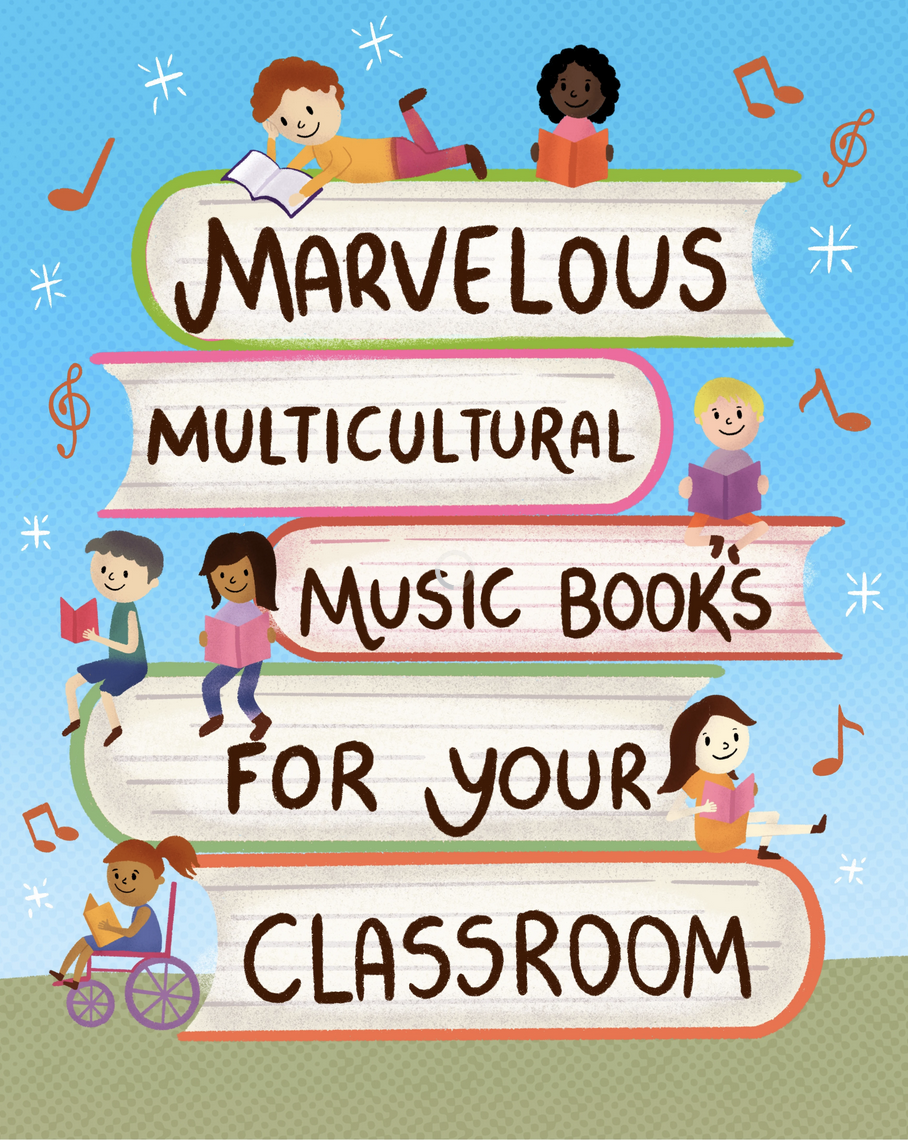
In an era of rapid globalization and evolving educational standards, the demand for culturally responsive pedagogy has never been more urgent. Educators increasingly recognize that traditional curricula often fall short of reflecting the rich tapestry of human experiences, particularly within the arts. Enter the Marvelous Multicultural Music Books for Your Classroom Summit—a virtual convening designed to bridge the gap between intent and implementation for modern educators.
Sponsored by Read Your World, this free, three-day digital event (running from Friday, November 13th, through Sunday, November 15th) addresses a critical pain point in contemporary education: how teachers can authentically integrate global perspectives into their music rooms without resorting to tokenism or cultural appropriation. By equipping educators with practical tools, curated resources, and deep cultural insights, the summit serves as a vital catalyst for building inclusive, globally-minded learning environments. This report provides a detailed examination of the summit’s mission, its structural framework, related literary developments in multicultural music and education, and the broader implications for the future of classroom inclusivity.
Detailed Chronology & Event Architecture
The formulation of the Marvelous Multicultural Music Books Summit represents the culmination of years of advocacy by educators, authors, and global musicians seeking to transform classroom spaces.
For decades, music education has leaned heavily on Western classical traditions and standardized folk repertoires, frequently sidelining the indigenous, contemporary, and diverse cultural expressions that define our interconnected world. Recognizing this imbalance, community organizers, led by prominent voices in multicultural children’s literature and global music pedagogy, conceptualized a digital summit that would lower the barrier to entry for busy classroom teachers.
The Three-Day Immersive Timeline
Day 1: Friday, November 13th – Opening and Global Foundations
The summit kicks off with foundational keynote sessions addressing the ethics of cross-cultural teaching. Educators are introduced to frameworks that help them identify authentic resources and navigate the complexities of cultural sensitivity. Panels focus on dismantling Eurocentric defaults in music curricula and establishing inclusive classroom codes of conduct.
Day 2: Saturday, November 14th – Practical Implementation & Literature Integration
The second day dives deep into the mechanics of the classroom. Workshops demonstrate how to pair children’s literature with musical exploration. Teachers participate in interactive sessions exploring global rhythm structures, indigenous storytelling through song, and lesson-plan designs that honor the cultural originators of diverse musical traditions.
Day 3: Sunday, November 15th – Community Building & Future Outlook
The final day centers on peer collaboration, resource sharing, and Q&A sessions with leading authors, ethnomusicologists, and global artists. Educators leave with actionable toolkits, community support networks, and strategies for sustaining multicultural integration throughout the academic year.
Supporting Context & Metrics: The Shift Toward Global Literacy
The necessity for summits of this magnitude is underscored by shifting demographics and educational research pointing to the cognitive and social benefits of multicultural education.
The Problem of Practice
Surveys of elementary and middle school music teachers frequently reveal a common paradox: while educators express a strong desire to teach diverse musical styles, a significant percentage report feeling ill-equipped to do so. Common hurdles include:
Fear of Misrepresentation: Worrying about inadvertently offending cultural groups or misinterpreting sacred or traditional practices.
Resource Scarcity: Difficulty in finding peer-reviewed, authentic materials and lesson plans that go beyond surface-level celebrations.
Curricular Constraints: Pressure to adhere to standardized testing metrics that traditionally prioritize core subjects over comprehensive arts education.
Literature as a Bridge
Children’s literature has emerged as one of the most effective entry points for introducing complex cultural concepts to young learners. By anchoring musical studies in picture books that celebrate global musicians, historical movements, and cultural traditions, teachers can contextualize sound within storytelling. Notable works highlighted in related educational circles include:
Barbed Wire Between Us by Mia Wenjen, illustrated by Violeta Encarnación, alongside its award-winning companion song (Global Music Award winner), which explores resilience and connection through music.
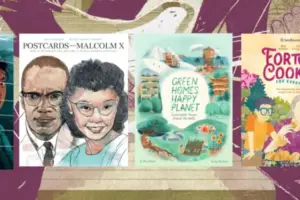
Biographies and stories highlighting musical pioneers, such as works celebrating John Cage (Beautiful Noise), Elvis Presley, African-American female musical pioneers, and civil rights icons like Yuri Kochiyama (Postcards from Malcolm X).
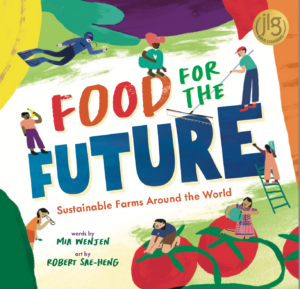
Explorations of global foodways and culture—such as The Traveling Taco and Food for the Future: Sustainable Farms Around the World—which demonstrate how cultural exchange naturally manifests in daily life, paving the way for thematic cross-curricular studies in the music room.
Official Statements and Pedagogical Philosophy
Organizers and participating educators emphasize that multicultural music education is not merely an "add-on" or a periodic celebration of heritage months; it is a foundational approach to empathy, history, and global citizenship.
"Educators want to bring authentic global perspectives into their music rooms, but they often feel overwhelmed by where to start or how to do so with cultural sensitivity," notes the organizing committee behind the summit. "Our mission is simple yet transformative: we want to empower teachers with practical tools and authentic resources to celebrate world music, helping them create a more inclusive and globally-minded curriculum."
By partnering with organizations like Read Your World, the summit aligns with a broader movement dedicated to diversifying children’s media and educational spaces. The focus remains steadfastly on shifting the teacher’s role from a gatekeeper of a single cultural tradition to a facilitator of global discovery. Sessions explicitly train educators to ask critical questions about the resources they bring into their classrooms: Who authored this piece? Is the culture being represented by its own members? Does the lesson honor the historical context of the music?
Future Outlook: Sustaining Multiculturalism in Education
As the Marvelous Multicultural Music Books Summit opens its virtual doors to educators worldwide, the long-term implications for schools are profound.
Moving Beyond the One-Off Lesson
The ultimate goal of the summit is systemic integration. Future initiatives spawned by this event aim to establish ongoing professional development networks, digital resource repositories, and mentorship programs pairing experienced global music educators with classroom novices. By making the summit entirely free and accessible online, the organizers ensure that systemic budget cuts in school districts do not prevent teachers from accessing world-class professional development.
The Road Ahead
As classrooms continue to diversify, the demand for culturally responsive pedagogy will only accelerate. Events like the Marvelous Multicultural Music Books Summit provide a vital blueprint for how educational communities can respond: with collaboration, practical empowerment, and an unwavering commitment to authenticity. Teachers equipped with these resources are not just teaching notes on a page; they are teaching students how to listen to the world with respect, curiosity, and an open heart.
Educators interested in participating in the upcoming virtual event can secure their free registration through the official portal.




Comments
Facebook App ID not configured. Please add it in the Customizer.