In an era saturated by highly curated digital imagery, unrealistic societal beauty standards, and pervasive media messaging, children are encountering concepts of physical appearance and self-worth at increasingly younger ages. The cultural pressure to conform to narrow molds of beauty, ability, and expression can deeply impact a child’s developing self-esteem. In response to this pressing developmental challenge, a growing movement of authors, illustrators, and child advocates has curated a vital subgenre of children’s literature: books dedicated to body positivity, physical diversity, inclusivity, self-acceptance, and disability justice.
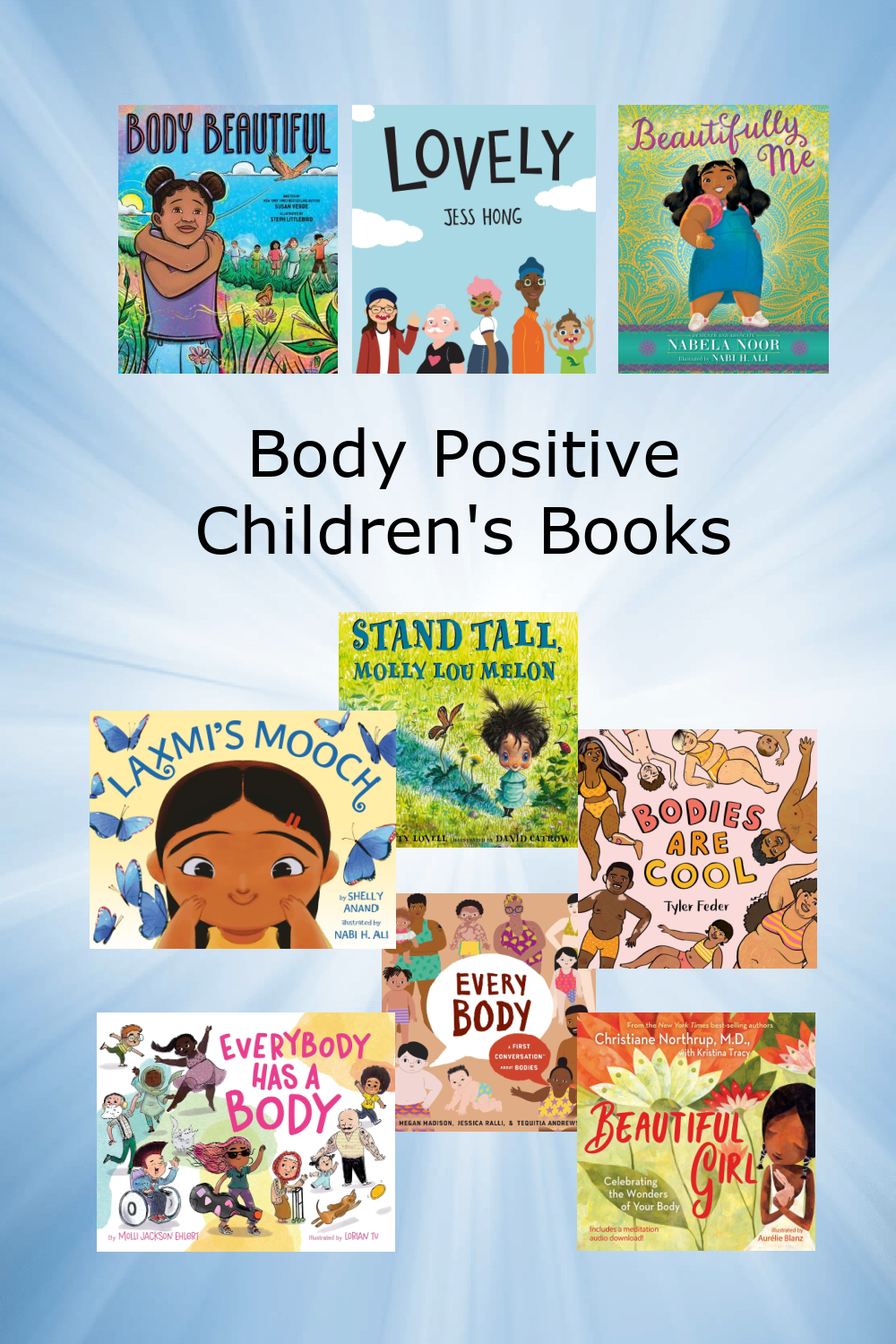
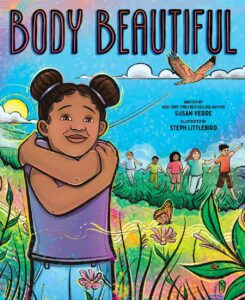
Inspired by Susan Verde’s poignant new picture book, Body Beautiful—which serves as the focal point for an ongoing community book giveaway—this comprehensive literary review examines a curated selection of picture books and middle-grade novels. These works challenge traditional paradigms of beauty, address systemic issues such as fatphobia, ableism, and cultural microaggressions, and champion the intrinsic value of every unique body. By reframing how young readers perceive functionality, diversity, and emotional resilience, these titles equip children, parents, and educators with the cognitive and emotional tools necessary to foster lasting self-love.
Detailed Chronology: The Evolution of Body-Positive Children’s Literature
The landscape of children’s literature has experienced a profound shift over the past two decades. Historically, mainstream children’s books featured overwhelmingly homogenous depictions of physical appearance, rarely addressing systemic body insecurity, neurodiversity, or physical disabilities outside of an oversimplified moral lesson.
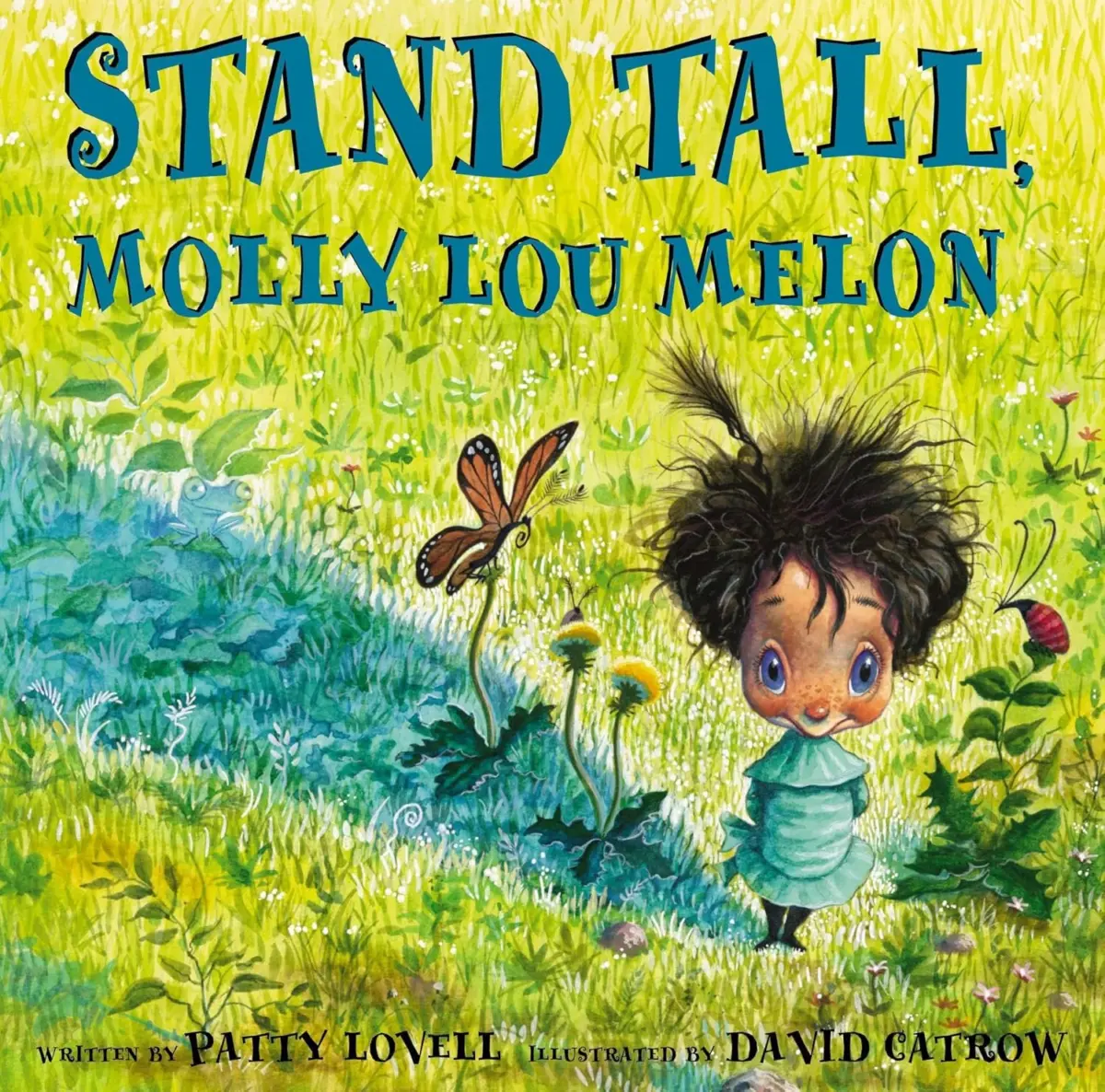
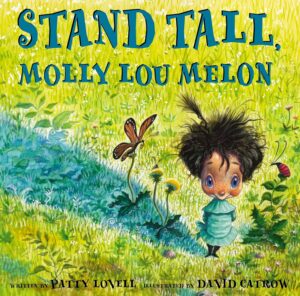
Early Milestones (Early 2000s): Groundbreaking titles such as Patty Lovell’s Stand Tall, Molly Lou Mellon (2001) laid early groundwork by encouraging children to embrace physical traits often targeted by peers—such as short stature or buck teeth—transforming potential insecurities into sources of personal pride and resilience.
**The Cultural Shift Toward Intersectionality (2
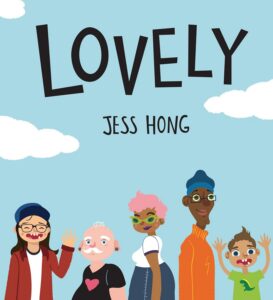
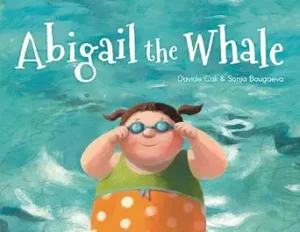
010s):* As conversations surrounding diversity expanded, authors began tackling identity through intersectional lenses. Jess Hong’s Lovely (2015) introduced minimalist text paired with expansive visual representations of diversity, redefining beauty to include everyone. Similarly, Davide Cali’s Abigail the Whale* (2016) brought cognitive reframing and growth mindsets to the forefront of body image discussions.
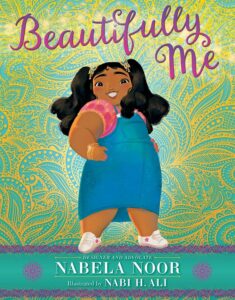
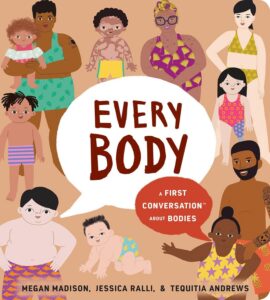
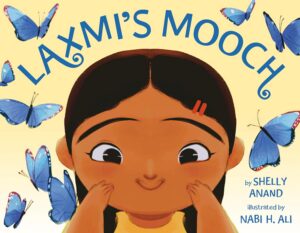
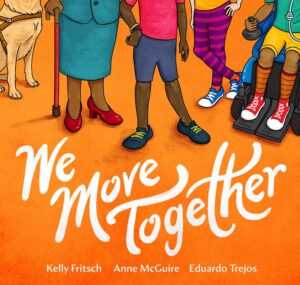
Modern Expansion and Activism (2020–Present): Recent years have seen a rapid acceleration in titles that directly confront specific social constructs. Books like Nabela Noor’s Beautifully Me (2021) and Shelly Anand’s Laxmi’s Mooch (2021) directly address generational body talk and cultural norms regarding body hair. Concurrently, sociological and activist frameworks have entered early childhood education through works such as Megan Madison and Jessica Ralli’s Every Body: A First Conversation about Bodies (2023) and Kelly Fritsch and Anne McGuire’s We Move Together (2020), embedding concepts of disability justice and accessibility into picture books for preschoolers and early elementary students.
Supporting Context & Metrics: The Urgent Need for Body Positivity in Youth
Child development experts and psychological researchers have long emphasized that children form foundational impressions about their bodies and self-worth as early as preschool. According to extensive educational research highlighted by parenting advocates and literacy platforms:
Early Onset of Body Dissatisfaction: Studies indicate that children as young as four and five years old can internalize societal dissatisfaction regarding weight, shape, and physical features, often absorbed directly from familial "fat talk" or media exposure.
The Role of Representation: Diverse representation in literature acts as both a mirror and a window. For marginalized children—whether due to size, disability, race, or neurodiversity—seeing characters who look like them validates their lived experiences. For other readers, these books foster essential empathy and dismantle prejudice before it solidifies.
The Interplay of Bullying and Mental Health: Microaggressions, racial stereotyping (such as anti-Asian bias targeting facial features), and ableist exclusion are primary drivers of school-related anxiety. Literature providing coping strategies and positive self-talk—such as Debbie Min’s The Ouchiest Words—provides a crucial buffer against the psychological toll of bullying.
Curated Literary Reviews: Essential Titles for Young Readers
1. Beautifully Me by Nabela Noor, illustrated by Nabi H. Ali
“A beautiful person is someone who embraces who they are and helps others do the same. There is only one Zubi, and that makes you beautiful, you.”
Target Audience: Picture book, ages 2 and up
Synopsis: Zubi is thrilled for her first day of school until she hears casual, negative self-talk from her family members regarding their weights and physical appearances. At school, a classmate’s comment about looking "fat" in a dress compounds her distress. Distraught, Zubi attempts to go on a diet, triggering an immediate realization and apology from her family. They pivot toward self-compassion, and Zubi’s name—meaning loving and understanding—guides her toward a renewed perspective.
Impact: A powerful exploration of how generational body anxiety trickles down to young children, emphasizing the importance of mindful adult language.
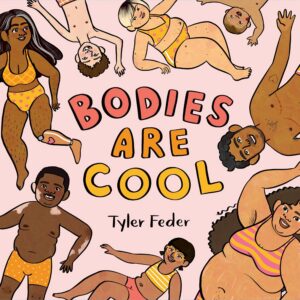
2. Bodies Are Cool by Tyler Feder
Target Audience: Picture book, ages 2 and up
Synopsis: Tyler Feder’s vibrant, body-positive book embraces every imaginable physical variation with infectious enthusiasm. Designed as an energetic read-aloud chant, it normalizes body hair, scars, skin tones, body sizes, and adaptive devices.
Impact: It offers an uncompromising celebration of physical diversity, making it an indispensable tool for joyful, shame-free early childhood discussions.
3. Stand Tall, Molly Lou Mellon by Patty Lovell, illustrated by David Catrow
Target Audience: Picture book, ages 2 and up
Synopsis: Armed with the wisdom of her grandmother, Molly Lou Mellon navigates a new school despite being short, buck-toothed, and possessing a booming voice. When confronted by a schoolyard bully, she maintains her composure and distinct charm, ultimately winning over her peers.
Impact: A classic text that teaches children to stand proudly in their unique attributes rather than shrinking to fit expectations.
4. Every Body: A First Conversation about Bodies by Megan Madison and Jessica Ralli, illustrated by Tequitia Andrews
Target Audience: Picture book, ages 3 and up
Synopsis: Taking a serious, didactic approach, this primer introduces preschoolers to complex sociological topics, including ableism, body diversity, disability justice, fatphobia, and body affirmation.
Impact: An essential conversation starter that provides parents and educators with precise, inclusive language to discuss bodily autonomy and justice with young minds.
5. Body Beautiful by Susan Verde, illustrated by Steph Littlebird
Target Audience: Picture book, ages 4 and up
Synopsis: Verde and Littlebird reframe how children view their physical forms—shifting the focus from aesthetic conformity to functional brilliance, emotional expression, and innate wisdom.
Impact: Serving as the inspiration for this comprehensive review and an ongoing community book giveaway, this title actively counteracts the unrealistic beauty standards pushed by modern social media.
6. Lovely by Jess Hong
“Lovely is different, weird, and wonderful.”
Target Audience: Picture book, ages 4 and up
Synopsis: Utilizing sparse, poetic text and bold illustrations, this book champions an expansive definition of loveliness that honors diversity in all its forms.
Impact: A visual triumph that teaches young readers that difference is synonymous with beauty.
7. Laxmi’s Mooch by Shelly Anand, illustrated by Nabi H. Ali
Target Audience: Picture book, ages 4 and up
Synopsis: When classmates tease Laxmi for having mustache hairs, she feels deep embarrassment. Upon returning home, her supportive parents reframe the narrative, explaining that all bodies—regardless of gender—grow hair. Laxmi returns to school empowered to share this liberating truth.
Impact: Directly tackles rigid gender norms and body hair stigmas with warmth and cultural resonance.
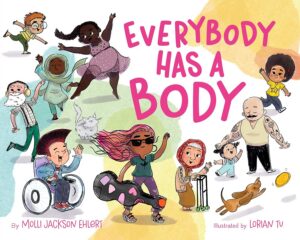
8. Every Body Has a Body by Molli Jackson Ehlert, illustrated by Lorian Tu
Target Audience: Picture book, ages 4 and up
Synopsis: Focusing entirely on utility, this book reminds readers that a body’s primary value lies in what it allows us to do—move, explore, and experience the world—rather than its external appearance.
Impact: Promotes functional appreciation over aesthetic evaluation.
9. Abigail the Whale by Davide Cali, illustrated by Sonja Bougaeva
Target Audience: Picture book, ages 5 and up
Synopsis: Teased in swimming class for making a big splash, Abigail learns from her coach how to "think light" like a fish or a bird. She applies this cognitive reframing technique to various challenges throughout her day, unlocking a growth mindset and creative resilience.
Impact: Illustrates the profound power of positive self-talk, empathy, and cognitive reframing.
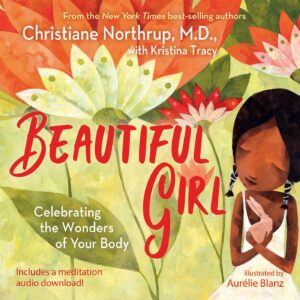
10. Beautiful Girl: Celebrating the Wonders of Your Body by Christiane Northrup, M.D. and Kristina Tracy, illustrated by Aurelie Blanz
Target Audience: Picture book, ages 5 and up
Synopsis: Serving as a gentle precursor to traditional developmental talks, this book uses inspirational metaphors to help young girls understand and celebrate their changing bodies.
Impact: Combines medical expertise with accessible imagery to foster early bodily appreciation.
11. We Move Together by Kelly Fritsch and Anne McGuire, illustrated by Eduardo Trejos
“All bodies are unique and essential. All bodies are whole… We move together, with no body left behind. This is disability justice.”
Target Audience: Picture book, ages 6 and up
Synopsis: This accessibility-focused picture book explores ableism and community inclusion, demonstrating how physical spaces and social structures can be adapted so that everyone can participate fully.
Impact: Introduces disability justice frameworks to early readers, fostering solidarity and systemic awareness.
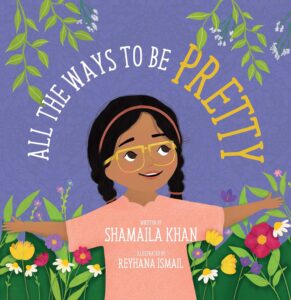
12. All the Ways to Be Pretty by Shamila Khan, illustrated by Reyhana Ismail
Target Audience: Picture book, ages 7 and up
Synopsis: Written specifically to help Muslim parents guide their daughters, this book redefines beauty to encompass intelligence, wisdom, bravery, piousness, resiliency, and kindness.
Impact: Elevates inner character above physical presentation within a culturally grounded framework.
13. Eyes that Kiss in the Corners by Joanna Ho, illustrated by Dung Ho
Target Audience: Picture book, ages 4 and up
Synopsis: A young Taiwanese girl realizes her eyes are shaped like those of her mother, grandmother, and sister—eyes that carry stories of the past and hope for the future. Drawing strength from her lineage, she embraces her unique identity.
Impact: A gorgeous celebration of cultural heritage and self-love that directly counters Eurocentric beauty standards.
14. The Big Bath House by Kyo Maclear, illustrated by Gracey Zhang
“You’ll all dip your bodies, your newly sprouting, gangly bodies, your saggy, shapely jiggly bodies, your cozy, creased, ancient bodies. Beautiful bodies.”
Target Audience: Picture book, ages 4 and up
Synopsis: Following a visit to a traditional Japanese public bathhouse with her aunties and cousins, a young girl observes and celebrates women of all ages and body types in a joyful, intergenerational setting.
Impact: Promotes body neutrality and cross-generational appreciation within a rich cultural context.
15. The Ouchiest Words by Debbie Min, illustrated by Putri Ayu Sekarmentari
Target Audience: Picture book, ages 4 and up
Synopsis: Nari struggles with anti-Asian bullying by a classmate, Zach, who mocks her appearance. Observing another victim, Patty, handle bullying with resilience, Nari learns to deploy positive self-talk and verbal boundaries.
Impact: Provides realistic coping mechanisms for dealing with racial microaggressions and schoolyard harassment.
16. A Kids Book About Body Image by Rebecca Alexander
Target Audience: Mostly nonillustrated picture book, ages 5 and up
Synopsis: Written by the founder of AllGo—a platform rating public accessibility for plus-size individuals—this book directly addresses adult and child co-readers. Alexander shares her personal struggles with fatphobia, media pressure, and body image, championing radical self-acceptance.
Impact: Serves as an honest, direct conversational bridge between adults and children regarding systemic body bias.
17. The Comeback: A Figure Skating Novel by E. L. Chen
Target Audience: Middle grade, ages 8 and up
Synopsis: Maxine, a young skater, resorts to extreme measures like adhesive tape to alter her eyelids to escape appearance-based microaggressions at school. Through mentorship, academic struggles, and competitive sports, she navigates cultural identity and self-acceptance.
Impact: As noted by literary reviewers, this novel realistically captures the intersection of adolescent insecurity, cultural expectations, and systemic accountability in middle school environments.
Official Statements & Community Engagement
The discourse surrounding body image in children’s literature is increasingly supported by authors, educators, and community leaders who recognize that literature is a primary vehicle for social change.
"Counteracting social media’s narrow and unrealistic definitions of beauty requires deliberate, proactive intervention from parents, educators, and authors alike," notes community literacy advocate Mia Wenjen. "When we give children books that reflect functional brilliance, cultural diversity, and disability justice, we armor them against the pervasive pressures of modern consumer culture."
To further support this mission, community initiatives—including ongoing physical book giveaways of titles like Susan Verde’s Body Beautiful—actively encourage parents to engage in dialogue with their children. Readers and educators are invited to participate in these conversations by sharing their thoughts and reviewing diverse titles that champion inclusivity.
Future Outlook
As the publishing industry continues to evolve, the demand for authentic, diverse, and inclusive children’s literature will only intensify. Future directions in body-positive publishing point toward an even greater integration of intersectional identities, neurodiversity, and chronic illness representation.
By normalizing physical differences, dismantling fatphobia and ableism, and celebrating functional diversity from an early age, these literary works are helping to shape a more empathetic and self-accepting generation. Ensuring that every child can look into a book—and into a mirror—and declare their body whole, capable, and beautiful remains one of the most critical educational and cultural imperatives of our time.


Comments
Facebook App ID not configured. Please add it in the Customizer.