
Executive Overview
The landscape of children’s and young adult biographical literature has experienced a transformative shift in recent decades, moving away from sanitized historical figures toward complex, multifaceted change-makers whose lives intersect with major national movements. Among the most recent and anticipated
contributions to this literary evolution is Postcards From Malcolm X: How Yuri Kochiyama Became a Human Rights Activist, written by Mia Wenjen, illustrated by Keith Henry Brown, and published by Red Comet Press.
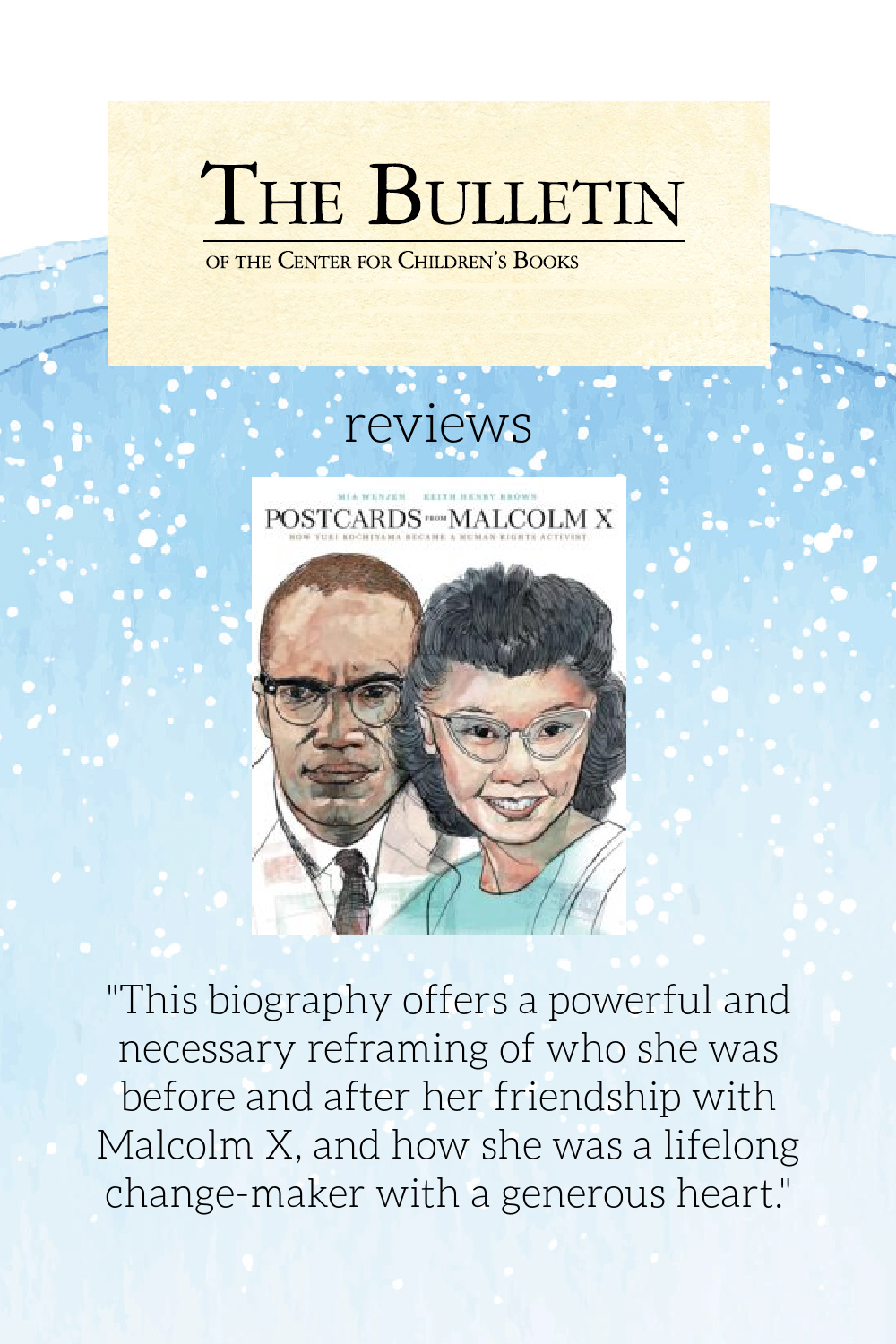
The 42-page picture book biography, targeted at readers ages 6 to 8, recently earned a glowing and critical review in the Bulletin of the Center for Children’s Books. Reviewers lauded the text for offering a powerful, necessary reframing of Yuri Kochiyama’s life—transcending the common public perception that reduces her legacy to a single, devastating historical moment: cradling Malcolm X’s head as he died.
Read Also
Instead, Wenjen and Brown construct an intimate yet sweeping narrative detailing Kochiyama’s lifelong evolution into a fierce, community-driven human rights organizer. Born in the 1920s, Kochiyama endured the forced removal and unjust incarceration of Japanese Americans during World War II. This formative trauma, compounded by her observations of systemic oppression targeting her Black and Puerto Rican neighbors in Harlem, catalyzed a lifelong dedication to solidarity, grassroots organizing, and coalition building.

At its core, Postcards From Malcolm X is more than a historical account; it is a pedagogical roadmap for young readers who may feel intimidated by the traditional, charismatic models of leadership. By spotlighting Kochiyama’s quiet, persistent, behind-the-scenes methodology—fueled primarily by letters, postcards, and steadfast physical presence—the book validates alternative forms of civic engagement. Supported by evocative watercolor illustrations, extensive backmatter, and a growing wave of critical acclaim, Wenjen’s latest work stands as an essential addition to multicultural literature and social justice education.
Detailed Chronology: The Evolution of a Changemaker
To fully understand the narrative weight of Mia Wenjen’s biographical picture book, one must trace the historical milestones that shaped Yuri Kochiyama’s worldview. Postcards From Malcolm X structures its narrative across distinct temporal and emotional arcs, taking young readers on a journey from personal heartbreak to global solidarity.

The Formative Years and World War II Incarceration
Yuri Kochiyama was born in the 1920s, entering a world marked by profound racial segregation and xenophobia. The defining crisis of her youth arrived with the outbreak of World War II, when the United States government enacted Executive Order 9066, forcibly removing over 120,000 individuals of Japanese descent—the majority of them American citizens—from their West Coast homes and incarcerating them in desolate concentration camps.
For Kochiyama, this institutionalized betrayal was a foundational lesson in systemic racism. Experiencing the loss of liberty, economic stability, and civil rights firsthand instilled in her an acute awareness of state-sponsored injustice. Yet, rather than breeding bitterness, this trauma cultivated in Kochiyama an expansive empathy for other marginalized communities fighting for survival and dignity in America.

Relocation to Harlem and the 1963 Courthouse Encounter
Following the war, Kochiyama eventually settled in Harlem, New York, alongside her husband, Bill Kochiyama. Living in a vibrant, predominantly Black and Puerto Rican community, she immersed herself in local civil rights struggles, housing justice campaigns, and anti-poverty initiatives. Her life shifted dramatically in 1963 at a Brooklyn courthouse, where she had gone to support civil rights demonstrators.
There, she had a brief, electric encounter with Malcolm X. What began as a chance meeting blossomed into a profound intellectual and political acquaintanceship built upon mutual respect. Because Malcolm X maintained a grueling travel and speaking schedule, their relationship was primarily sustained through written correspondence—exchanging letters and postcards that debated strategy, shared updates on local organizing, and discussed the global intersections of human rights.

The Bond of Solidarity and Beyond
The tragic assassination of Malcolm X on February 21, 1965, at the Audubon Ballroom in Washington Heights, New York, marked a national trauma. In the public consciousness, Kochiyama is forever etched into history as the woman who rushed to the stage and cradled Malcolm X’s head in her lap as he drew his final breaths.
However, Postcards From Malcolm X refuses to let this tragedy define the entirety of her narrative arc. Wenjen details how Kochiyama’s relationship with Malcolm’s family deepened in the wake of his death. For decades following, she remained an indefatigable champion of radical human rights, working tirelessly behind the scenes. Whether she was supporting the Republic of New Africa, advocating for political prisoners, or mentoring a new generation of Asian American, Black, and Indigenous activists, Kochiyama’s life demonstrated that true solidarity is measured by steadfast, daily persistence.

Supporting Context & Metrics: Visual Storytelling and Pedagogical Value
The brilliance of Postcards From Malcolm X lies not only in Mia Wenjen’s accessible yet poignant prose but also in the dynamic visual ecosystem created by illustrator Keith Henry Brown. In picture book biographies aimed at early elementary readers, the interplay between text and image is paramount for cognitive retention and emotional resonance.
The Art of Contrast: Brown’s Watercolor Techniques
Brown employs a snapshot approach to illustration, utilizing fluid, evocative watercolors that fill nearly every page. This aesthetic choice mirrors the episodic nature of building a life through key moments, correspondences, and shared struggles. Furthermore, Brown uses spatial dynamics and color theory to visually communicate the distinct leadership styles of Malcolm X and Yuri Kochiyama:

- Malcolm X as the Regal Anchor: On the page, Malcolm X is rendered with commanding presence. He is depicted as regal and authoritative, naturally drawing the reader’s eye and capturing the electrifying energy of his public platform.
- Kochiyama as the Persistent Warmth: In contrast, Kochiyama is portrayed as a steady, persistent visual presence. Often appearing smaller within the expansive compositions, she is shown tirelessly writing letters at her desk, marching in the background of demonstrations, or offering a warm, supportive shoulder to neighbors.
This deliberate artistic contrast provides a vital lesson for young readers: social movements require both the bold, visionary orators who command the stage and the quiet, persistent organizers who hold the community together through endless administrative and interpersonal labor.
Book Specifications and Educational Endmatter
Published in 2026 by Red Comet Press, Postcards From Malcolm X is designed with classrooms and libraries in mind.
| Publication Detail | Specification |
|---|---|
| Author | Mia Wenjen |
| Illustrator | Keith Henry Brown |
| Publisher | Red Comet Press |
| Publication Year | 2026 |
| Target Audience | Ages 6–8 years |
| Page Count | 42 pages |
| ISBN | 9781636550893 |
| Included Endmatter | Timeline, Glossary, Bibliography, Contributor Notes |
The robust endmatter transforms the book from a standard narrative biography into an interactive educational tool. Teachers and school librarians can leverage the timeline to anchor the civil rights movement within broader American history, while the glossary helps demystify complex sociopolitical terms for young minds, ensuring comprehension and inspiring critical inquiry.
Critical Reception and Industry Praise
The literary community has embraced Postcards From Malcolm X with widespread acclaim, recognizing its vital role in expanding the canon of multicultural children’s literature.
The review from the Bulletin of the Center for Children’s Books served as a critical cornerstone, praising the biography for offering a "powerful and necessary reframing" of Kochiyama’s life. Reviewers emphasized that the book successfully bridges the gap between historical biography and emotional empathy, making the lofty concepts of intersectionality and grassroots organizing digestible for six-to-eight-year-olds.
This praise has been echoed across major institutional review outlets. School Library Journal similarly commended the title for its nuanced portrayal of cross-racial solidarity during a turbulent era in American history. By highlighting how an incarcerated Japanese American woman and a prominent Black nationalist leader forged a lasting intellectual partnership, the book provides a masterclass in coalition-building.
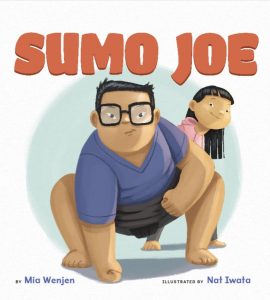
The title is part of a broader, highly celebrated body of work by Mia Wenjen, who has established herself as a leading voice in nonfiction children’s literature. Her recent bibliography includes acclaimed titles such as Barbed Wire Between Us (illustrated by Violeta Encarnación), Fortune Cookies for Everyone! (Smithsonian) (illustrated by Colleen Kong-Savage), The Traveling Taco, and We Sing from the Heart: How the Slants® Took Their Fight for Free Speech to the Supreme Court. Across these diverse subjects—ranging from agricultural sustainability and food history to free speech battles and civil rights activism—Wenjen consistently champions stories that illuminate underrepresented histories with nuance, joy, and rigorous historical accuracy.
Future Outlook: Legacy, Pedagogy, and Ongoing Impact
As Postcards From Malcolm X circulates through classrooms, public libraries, and home bookshelves throughout 2026 and beyond, its long-term impact on youth literacy and civic education promises to be profound.

Redefining Leadership for the Next Generation
In an era where children are increasingly exposed to hyper-curated, performative displays of leadership on digital platforms, books like Wenjen and Brown’s offer a grounding counter-narrative. By celebrating Kochiyama’s behind-the-scenes contributions—her letters, her listening, her physical presence at protests, and her unyielding support for her neighbors—the biography expands the definition of what it means to be a "hero."
Listeners and young readers who may feel overwhelmed by the prospect of taking bold, public charge are given a different permission slip: the license to make steady, meaningful impacts that may fly under the radar of mass media, but are no less transformative for the communities they touch.
Accessibility and Cross-Curricular Integration
With the inclusion of multimedia trailers, free downloadable educator guides associated with Wenjen’s broader catalog, and extensive backmatter, Postcards From Malcolm X is exceptionally well-positioned for cross-curricular integration. Educators can seamlessly weave the text into history, social studies, art (analyzing Brown’s watercolor techniques), and language arts (exploring epistolary writing through letters and postcards).
Ultimately, Postcards From Malcolm X: How Yuri Kochiyama Became a Human Rights Activist transcends the traditional boundaries of the picture book biography. It is a monument to endurance, an instructional manual for cross-racial allyship, and a tender tribute to a woman whose heart was wide enough to embrace the struggles of the entire world—one postcard, one letter, and one human connection at a time.





Comments
Facebook App ID not configured. Please add it in the Customizer.