
Executive Overview
Literacy is the bedrock of modern education, personal empowerment, and lifelong achievement. Yet, for millions of children around the world, the journey to becoming a confident reader is fraught with anxiety, frustration, and systemic failure. Despite the best efforts of dedicated parents and well-meaning educators, children frequently develop deep-seated reading aversion, reading anxiety, or even psychological trauma stemming from years of repeated struggles in the classroom. Far too often, these struggling children are mislabeled as lazy, defiant, or disengaged. In reality, they are overwhelmed, exhausted from doing things "wrong," and caught in a cycle of diminishing confidence.
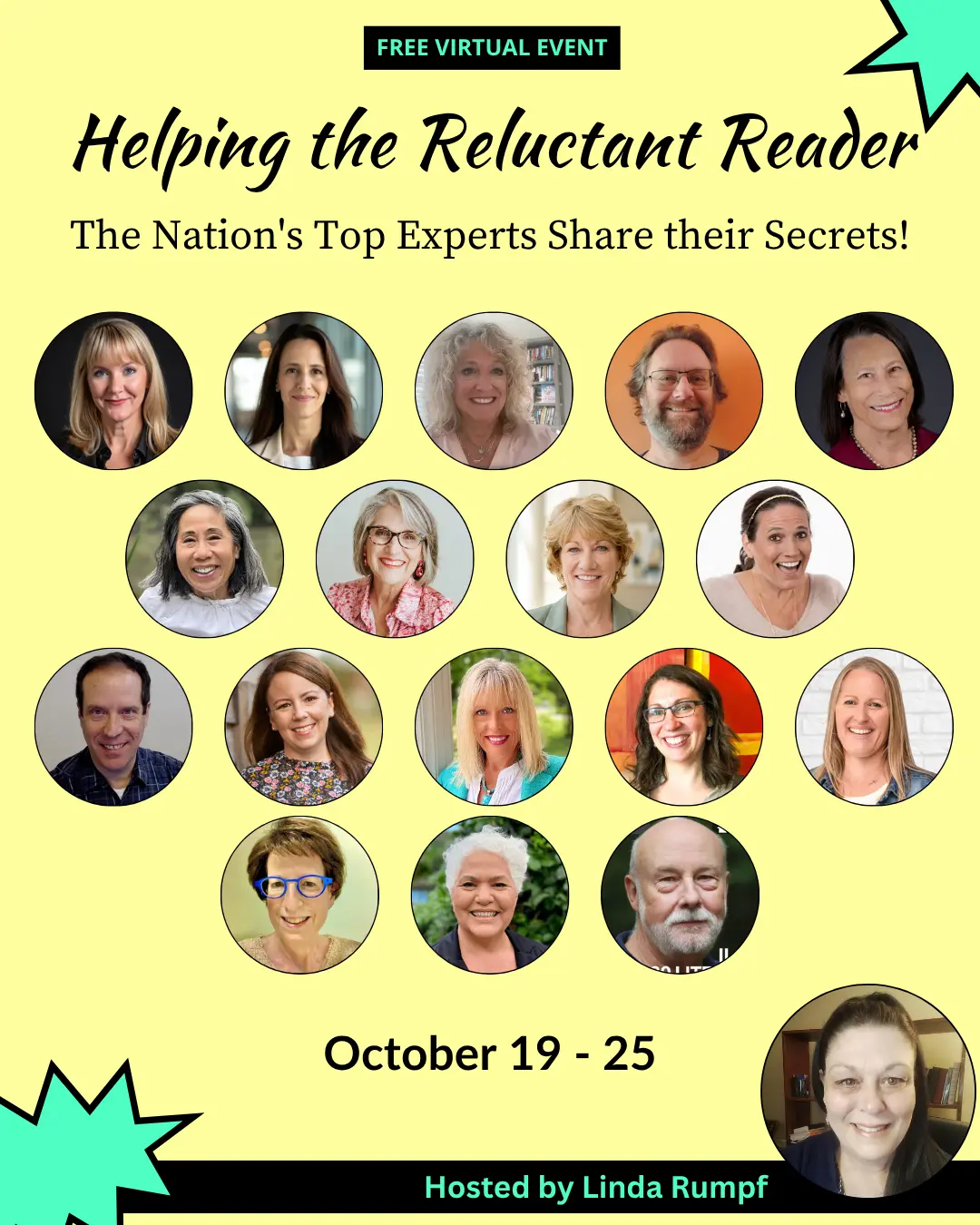
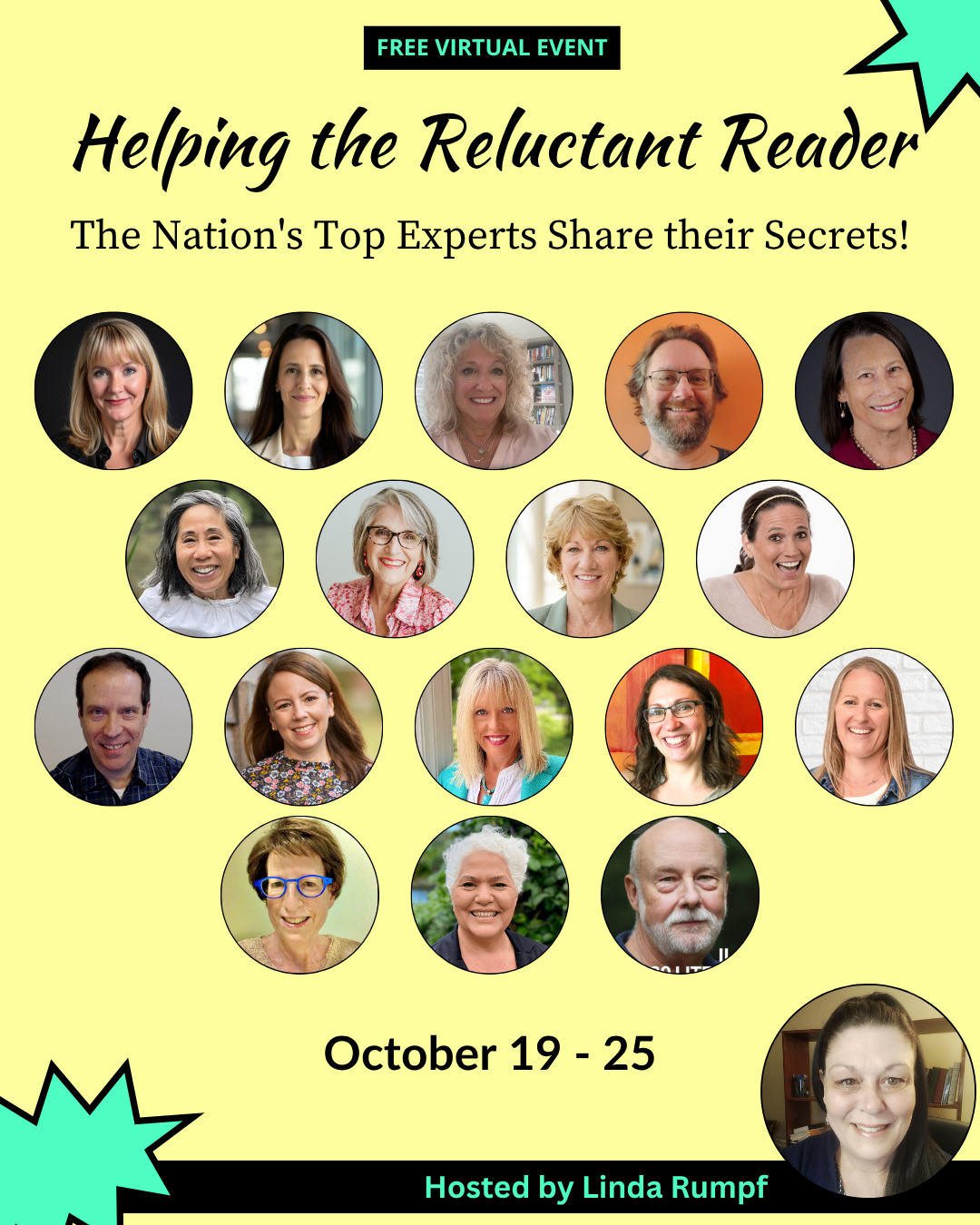
To confront this silent crisis head-on, the annual Close the Reading Gap Summit has announced its definitive 2026 program, themed Helping the Reluctant Reader. Scheduled to launch on October 19, this comprehensive, entirely free virtual event brings together an unprecedented assembly of literacy experts, neuroscientists, veteran educators, and specialized authors. Designed specifically for parents, caregivers, and classroom teachers, the seven-day summit aims to dismantle the myths surrounding reading reluctance, decode the underlying psychology of reading refusal, and provide actionable, research-backed strategies to help children "flip the script."
This in-depth report examines the core issues driving reading and writing hesitancy among youth, details the daily schedule and key presentations featured at the 2026 summit, analyzes the broader educational context of modern literacy challenges, and outlines the transformative future outlook for children struggling to connect with the written word.
Read Also
Detailed Chronology and Event Structure
The 2026 Close the Reading Gap Summit is structured as a comprehensive, multi-day masterclass. Rather than offering generic tips, the event is meticulously divided into thematic daily tracks. Each day targets a distinct dimension of the literacy puzzle—ranging from foundational cognitive science and writing development to morphological play and the strategic selection of enticening literature.
Day One: Working With Reluctant Readers
Kicking off the summit on October 19, Day One lays the theoretical and practical groundwork for understanding why children push back against books.
- Featured Speakers: Dr. Louisa Moats, Nora Chahbazi, Emily Gibbons, and Dr. Marnie Ginsberg.
- Focus: This powerhouse panel dives straight into the mechanics of reading acquisition, looking at how structured literacy approaches intersect with student motivation. The experts explore why traditional methods sometimes fail vulnerable learners and how educators can identify early warning signs of reading trauma before they calcify into full-blown avoidance.
DayTwo: Turning Reluctant Writers into Brave Writers
Because reading and writing are fundamentally reciprocal cognitive processes, literacy remediation is incomplete without addressing the written word.
- Featured Speaker: Julie Bogart.
- Focus: Renowned writing expert Julie Bogart takes center stage to address the paralyzing fear of the blank page. Day Two provides parents and teachers with creative, low-pressure techniques to transform intimidated scribblers into expressive, confident "Brave Writers."
Day Three: Understanding the Psychology of Reading Refusal
Why do children slam books shut, fake illness during reading time, or exhibit behavioral outbursts when asked to read?
- Featured Speakers: Dr. Melanie Wilson, Melanie Jeffrey, and Sarah Collins.
- Focus: This session investigates the psychological dimensions of reading avoidance. Presenters unpack concepts such as cognitive load, academic scaffolding, bite-sized learning increments, and the psychological mechanisms required to "flip the script" for a demoralized child.
Day Four: Teaching So They Can’t Fail
Designing foolproof instructional frameworks is the core objective of Day Four.
- Featured Speakers: Kurt Engelmann and Sherrie Rain.
- Focus: The speakers present systematic, error-less learning strategies designed to build momentum. By carefully calibrating difficulty levels, educators learn how to construct learning environments where even historically reluctant students experience consistent, repeatable wins.
Day Five: Fun with Words—Generating Interest Through Morphology and Poetry
Making word study engaging and artistic is the prescription for Day Five.
- Featured Speakers: Dr. Pete Bowers and Dr. Tim Rasinski.
- Focus: Dr. Pete Bowers explores morphology—the study of word parts and structures—to unlock vocabulary acquisition through structural logic. Meanwhile, Dr. Tim Rasinski highlights the rhythmic, low-stakes power of poetry in building fluency, expression, and affective connection to literature.
Day Six: Enticing Books—Your Secret Weapon
Sometimes, the solution to reading reluctance is simply finding the right book at the right time.
- Featured Speakers: Mia Wenjen, Joanne Kaminski, and Lori Josephson.
- Focus: This panel serves as a masterclass in literary matchmaking. The speakers discuss how graphic novels, high-interest non-fiction, diverse character representation, and serial formats can act as secret weapons to hook reluctant readers and spark genuine curiosity.
Day Seven: More Amazing Strategies for Winning Them Over
The summit concludes with a high-impact session dedicated to advanced engagement tactics.
- Featured Speakers: Emily Laidlaw and Kim Yarson.
- Focus: Day Seven delivers a final toolkit of creative, real-world interventions, bridging the gap between home and school environments to ensure lasting behavioral and cognitive change.
Supporting Context & Metrics: Decoding Reading Reluctance
To fully appreciate the urgency of the 2026 Close the Reading Gap Summit, one must examine the broader socioeconomic and psychological data surrounding childhood literacy.
The Myth of the "Lazy" Reader
A foundational message echoed by summit organizers is that children who resist reading are rarely lazy or defiant. In educational psychology, avoidance is almost universally recognized as a self-preservation mechanism. When a child repeatedly experiences humiliation, confusion, or cognitive overload while looking at a page of text, their brain registers the activity as a threat.
Educational researchers point out that reluctance manifests in several distinct ways:
- Active Refusal: Tantrums, arguing, or flatly refusing to open a book during designated reading times.
- Passive Avoidance: Daydreaming, staring blankly at pages, choosing excessively simple books far below grade level, or frequently asking to use the restroom during reading blocks.
- Physical Somatization: Headaches, stomachaches, or fatigue specifically triggered by academic reading tasks.
The Cumulative Deficit and the Matthew Effect
In literacy research, the "Matthew Effect"—coined by sociologist Robert K. Merton, referencing the biblical parable—describes how early success in reading leads to later success, while early failure compounds into wider deficits. Good readers read more, expand their vocabularies, and develop stronger cognitive stamina. Conversely, reluctant readers read less, fall further behind their peers in vocabulary acquisition and background knowledge, and experience a widening achievement gap year after year.
Unresolved reading trauma creates a psychological barrier that standard phonics instruction alone cannot dismantle. This is precisely why the 2026 summit places heavy emphasis on the psychology of reading refusal, emotional safety, and structured scaffolding.
Official Perspectives and Expert Insights
As anticipation builds for the October 19 launch, prominent figures associated with the summit have shared critical insights regarding the paradigm shift needed in modern classrooms and homes.
Advocates stress that parents and educators must move away from punitive measures—such as withholding privileges or enforcing rigid, joyless reading minutes—and instead adopt an empathy-first, diagnostic approach.
"Children who resist reading are sick of doing it ‘wrong,’ sick of feeling exposed, and exhausted by the daily friction of academic struggle," notes event commentary. "When we provide adults with the right tools—shifting our focus from compliance to confidence—we can entirely reverse years of negative conditioning. It is not about forcing them to read more; it is about making reading safe again."
Furthermore, experts emphasize the symbiotic relationship between literacy skills. The inclusion of specialized writing sessions led by figures like Julie Bogart underscores a vital truth: reading helps children understand how texts are constructed, while writing gives them agency over their own narratives. By breaking down writing into manageable, imaginative steps ("Brave Writing"), children realize that they are not just consumers of stories, but creators capable of wielding language.
Future Outlook: Transforming Literacy Interventions
The 2026 Close the Reading Gap Summit arrives at a pivotal juncture in education. As schools continue to navigate post-pandemic learning recovery, the demand for targeted, evidence-based literacy intervention has never been higher.
Looking forward, the insights generated during this seven-day virtual event point toward several transformative trends in education:
- Decentralized Professional Development: Free, accessible online summits are democratizing expert knowledge, ensuring that parents in rural areas and underfunded teachers in urban districts have equal access to top-tier pedagogical strategies.
- Trauma-Informed Literacy Instruction: The growing recognition of "reading trauma" will likely influence future teacher preparation programs, embedding mental health awareness directly into reading instruction methodologies.
- Multimodal Literacy Acceptance: The integration of morphology, poetry, graphic formats, and low-pressure creative writing signals a broader acceptance that literacy can—and should—take many forms to accommodate diverse neurological profiles.
How to Participate
For parents, educators, and specialists eager to transform their approach to struggling learners, registration for the 2026 Close the Reading Gap Summit is currently open and free of charge. Attendees can secure their virtual seats by visiting the official registration portal via the designated Close the Reading Gap Summit Link.
By equipping adults with actionable tools, psychological insights, and evidence-based strategies, events like this ensure that no child is left behind in the dark margins of the reading gap—paving the way for a more confident, articulate, and literate generation.


Comments
Facebook App ID not configured. Please add it in the Customizer.