
Executive Overview
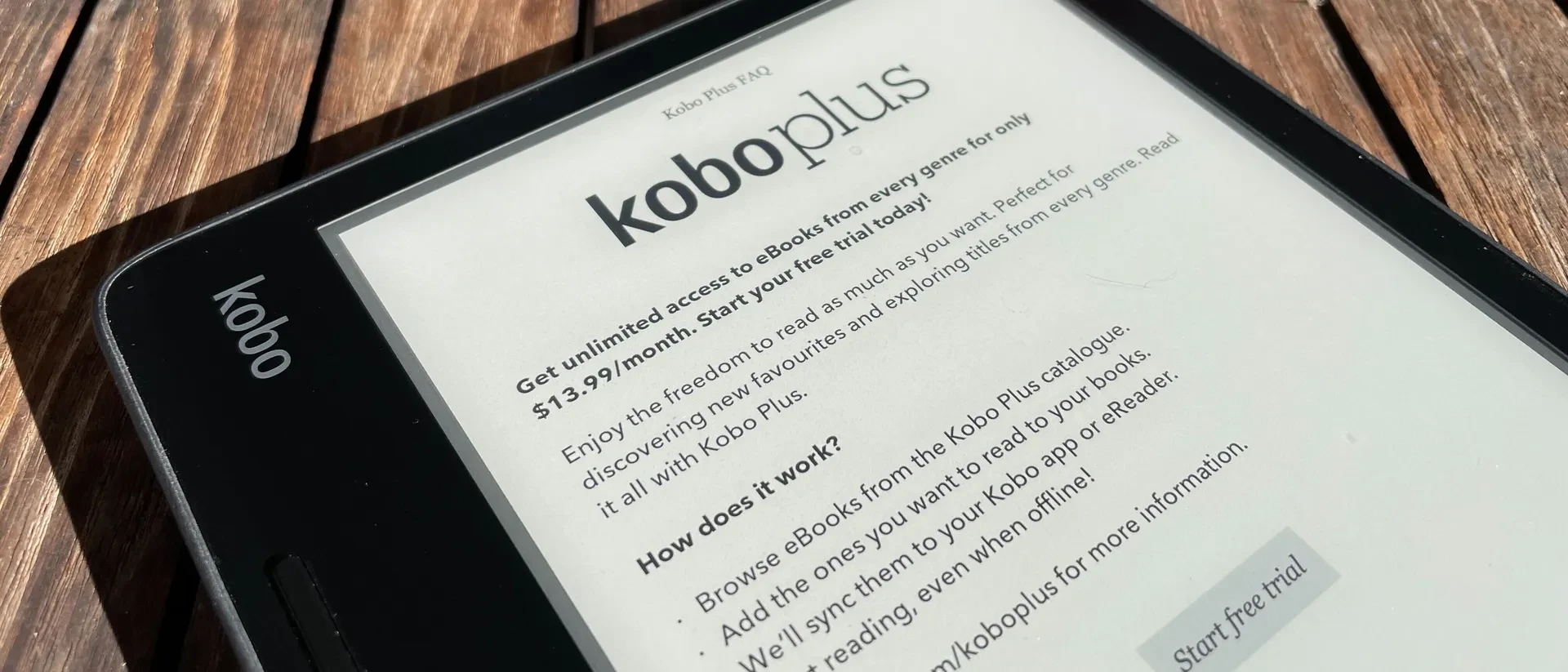
In a strategic move designed to consolidate its footprint across Eastern and Central Europe, Rakuten Kobo has officially announced the rollout of its premier unlimited e-book and audiobook subscription service, Kobo Plus, to three new European Union member states: Estonia, Lithuania, and Slovenia. This expansion brings the company’s extensive, all-you-can-read and all-you-can-listen library directly to millions of readers in the Baltic and Balkan regions, marking another milestone in Kobo’s aggressive global market penetration strategy.
For years, digital reading enthusiasts in Estonia, Lithuania, and Slovenia have navigated a fragmented landscape of localized digital bookstores, individual title purchases, and limited regional subscription alternatives. By introducing Kobo Plus, the company is bridging the gap between global digital distribution and localized literary consumption. The service launches with a risk-free, 14-day trial period, giving potential subscribers unfettered access to the complete, ever-expanding catalogue without upfront financial commitments.
As the digital publishing ecosystem continues to shift toward subscription-based consumption models—akin to the streaming revolutions experienced by the music and video industries—Kobo’s latest expansion signals a broader institutional belief in borderless, digital-first literary access. This comprehensive report explores the operational mechanics of the Kobo Plus rollout, analyzes the regional pricing structures, contextualizes the competitive landscape within the Baltic and Slovenian digital markets, and evaluates the long-term outlook for digital reading across these rapidly developing territories.
Read Also
Detailed Chronology and Rollout Mechanics
The introduction of Kobo Plus into Estonia, Lithuania, and Slovenia did not happen in a vacuum; it represents the culmination of years of infrastructural scaling, regional publisher negotiations, and localization efforts.
Building the Infrastructure
Rakuten Kobo has steadily built its foundational presence in Europe by establishing direct retail relationships, localized storefronts, and hardware distribution channels. Over the past several years, the company has worked closely with regional publishers, independent literary agencies, and translation syndicates to ensure that its catalog reflects both international bestsellers and culturally resonant regional titles.
While Kobo hardware—such as the Clara, Libra, and Elipsa lines of e-readers—has been accessible to enthusiasts in the Baltic states and Slovenia via third-party electronics retailers and cross-border shipping, the native software ecosystem lacked a unified subscription layer. The integration of Kobo Plus into these markets resolves this friction.
Day-One Availability and Hardware Integration
From day one, the subscription service is deeply integrated into the existing Kobo infrastructure. Subscribers do not need to purchase specialized new hardware to take advantage of the service. Instead, Kobo Plus is natively embedded within:
- The Kobo Books App for Android, ensuring seamless synchronization across smartphones and tablets.
- The Kobo Books App for iOS, catering to Apple ecosystem users.
- The complete lineup of current-generation Kobo e-readers, allowing users to read under direct sunlight utilizing E Ink technology without eye strain or notification distractions.
The user experience has been engineered to minimize friction. A user signing up for the 14-day trial on their smartphone can instantly sync their reading progress, bookmarks, and annotations to their dedicated Kobo e-reader, or vice versa, realizing a truly omnichannel reading environment.
Supporting Context and Pricing Metrics
A critical component of Kobo’s international expansion strategy is its tiered pricing model, meticulously tailored to balance perceived value for consumers with sustainable revenue shares for authors and publishing partners.
Unpacking the Tiers and Costs
Kobo Plus has structured its subscription model into three distinct pathways, giving users the autonomy to choose how they wish to consume media:

- Kobo Plus Read (€9.99 / month): This tier grants subscribers unlimited access to millions of e-books spanning fiction, non-fiction, academic texts, sci-fi, romance, and self-help. For avid readers who consume multiple books per month, the fixed monthly cost represents a significant discount compared to purchasing individual digital volumes.
- Kobo Plus Listen (€9.99 / month): Designed for the booming auditory media market, this tier unlocks hundreds of thousands of audiobooks. With narration talent becoming a primary selling point for modern literature, this standalone option caters to commuters, multi-taskers, and individuals who prefer listening to stories during daily chores or physical activity.
- Kobo Plus Read & Listen (€12.99 / month): Recognizing that many modern consumers oscillate between reading text and listening to audio depending on the context of their day, Kobo offers a combined bundle. For an incremental cost over the individual tiers, users gain total, unfettered access to both the millions of e-books and the extensive audiobook library.
Economic and Purchasing Power Context
When evaluating the pricing of €9.99 and €12.99 across Estonia, Lithuania, and Slovenia, analysts point out that these rates align closely with Western European pricing standards while remaining competitive within local digital subscription frameworks (such as Spotify, Netflix, and regional streaming services). Although disposable income varies across the three nations compared to economic powerhouses like Germany or France, the high digital literacy rates, exceptional broadband infrastructure, and strong historical reading cultures in Estonia, Lithuania, and Slovenia suggest a high ceiling for adoption.
Furthermore, the 14-day free trial serves as a crucial conversion funnel. By eliminating the initial barrier to entry, Kobo lowers consumer hesitation, allowing readers to explore the depth and breadth of the catalog before incurring any charges.
Official Industry Statements and Strategic Vision
Leadership at Rakuten Kobo has long championed the democratization of reading through technological innovation. Although specific regional statements accompanying the Baltic and Slovenian launch emphasize user flexibility, they echo the broader corporate philosophy that has guided Kobo’s expansions in North America, Western Europe, Australia, and New Zealand.
Industry observers note that Kobo’s strategy consistently focuses on empowering independent bookstores and providing an open ecosystem—contrasting sharply with closed, proprietary platforms that lock users into single hardware ecosystems. By bringing Kobo Plus to Estonia, Lithuania, and Slovenia, the company reinforces its commitment to supporting readers wherever they are, on whatever device they choose to use.
Publishing analysts have pointed out that subscription models offer a vital secondary revenue stream for authors, particularly in smaller linguistic markets where print runs can be economically constrained. By monetizing passive listening and binge-reading habits, platforms like Kobo Plus help ensure that long-tail backlists continue to generate sustainable royalties for creators and rights holders.
Future Outlook: The Digital Reading Landscape in the Baltics and Balkans
The launch of Kobo Plus in Estonia, Lithuania, and Slovenia arrives at a transformative juncture for the European publishing industry. As consumer preferences pivot decisively toward on-demand access, the traditional ownership model of books is facing profound structural shifts.
Market Opportunities
- Surging Audiobook Popularity: While e-books have enjoyed a steady, mature market share across Europe, audiobooks represent the fastest-growing sector of the publishing economy. By introducing Kobo Plus Listen to these three nations, Kobo is positioned to capture a generation of consumers who prefer audio formats.
- Educational and Professional Utility: With millions of e-books available instantly, students, researchers, and lifelong learners in Tallinn, Vilnius, Ljubljana, and beyond gain an invaluable resource for professional development and academic research without prohibitive textbook costs.
- Cross-Border Synergy: Estonia and Lithuania, as part of the digitally advanced Baltic region, boast some of the highest rates of tech adoption and e-government integration in the world. Slovenia, situated at the crossroads of Central, Southern, and Southeastern Europe, provides a strategic gateway to neighboring Balkan markets. Success in these three distinct territories could serve as a blueprint for future expansions into adjacent regions.
Potential Challenges
Despite the overwhelmingly positive outlook, Kobo will encounter distinct regional challenges. Chief among them is the perpetual demand for localized content. While Kobo’s English-language catalog is vast and robust, long-term retention in Estonia, Lithuania, and Slovenia will depend heavily on the continuous acquisition and integration of works published in Estonian, Lithuanian, and Slovenian. Ensuring that local publishing houses find the subscription model financially viable and mutually beneficial will be critical to sustaining subscriber growth.
Additionally, competition from localized audio and e-book apps, as well as global tech giants offering competing media ecosystems, means Kobo must maintain aggressive marketing campaigns and continuous software optimization.
Conclusion
Rakuten Kobo’s expansion of Kobo Plus into Estonia, Lithuania, and Slovenia represents a major triumph for digital readers in Central and Eastern Europe. By offering a flexible, reasonably priced, and comprehensive suite of subscription tiers—backed by a risk-free trial and seamless hardware integration—Kobo has firmly established its readiness to meet the evolving demands of modern readers. As the service takes root in these vibrant new markets, it promises to redefine how stories are discovered, shared, and enjoyed across the Baltics and the Balkans.





Comments
Facebook App ID not configured. Please add it in the Customizer.