In an increasingly interconnected global society, the mandate for modern education extends far beyond standard core competencies. Educators are increasingly tasked with cultivating cultural empathy, historical awareness, and a global mindset in their students from an early age. Yet, for many music teachers, integrating authentic global perspectives into daily lesson plans remains a daunting challenge. Navigating unfamiliar traditions, ensuring cultural sensitivity, and sourcing reliable pedagogical materials often leave well-intentioned educators feeling overwhelmed.
To bridge this critical gap, the upcoming virtual gathering—the Marvelous Multicultural Music Books for Your Classroom Summit—emerges as a transformative resource. Scheduled to run online from Friday, November 13th through Sunday, November 15th, this free, multi-day digital event is explicitly engineered to equip educators with practical, culturally grounded tools. Sponsored by Read Your World, the summit addresses the systemic hurdles teachers face when attempting to move beyond Eurocentric curricula. By highlighting authentic resources, literature-based music integration, and expert-led strategies, the event promises to redefine how world music is introduced and celebrated in contemporary classrooms.
Detailed Chronology and Event Architecture
The three-day virtual summit has been meticulously structured to guide educators from foundational understanding to actionable classroom implementation. Recognizing the time constraints and demanding schedules of modern teachers, the event unfolds across a dynamic weekend timeline:
Day 1: Foundations and Cultural Sensitivity (Friday, November 13th)
Opening Keynote & Welcome: Setting the ideological framework for the weekend, organizers and guest educators address the core mission: empowering teachers with practical tools while emphasizing cultural respect over cultural appropriation.
The Power of Narrative: Sessions focus on how picture books and literature serve as entry points into global soundscapes, making abstract cultural traditions accessible to young learners.
Overcoming Educator Hesitation: Interactive workshops designed to dismantle teacher anxiety regarding unfamiliar musical genres and traditions, establishing guidelines for respectful exploration.
Day 2: Practical Application and Resource Integration (Saturday, November 14th)
Deep Dives into Global Traditions: Specialized sessions showcasing specific musical heritages from around the world, paired with vetted literature and listening guides.
Curriculum Building Workshops: Hands-on sessions where educators learn how to weave multicultural music books into existing lesson plans, aligning with standard educational frameworks without sacrificing authenticity.
Collaborative Q&A Panels: Opportunities for teachers to engage directly with authors, ethnomusicologists, and seasoned global music educators to troubleshoot specific classroom challenges.
Day 3: Future Vision and Community Action (Sunday, November 15th)
Sustaining Global-Minded Classrooms: Discussions on maintaining an inclusive, diverse music library year-round rather than treating global music as a seasonal or tokenistic addition.
Resource Sharing & Networking: Building a supportive community of practice where educators can exchange ideas, success stories, and troubleshooting tips long after the summit concludes.
Closing Plenary: A summary of actionable takeaways and instructions for accessing post-summit downloadable guides, lesson plans, and recorded sessions.
Supporting Context and Metrics: The Shift Toward Inclusive Arts Education
The necessity for a summit of this magnitude is underscored by shifting demographic realities and evolving pedagogical research. Modern classrooms are increasingly diverse, yet arts education has historically lagged behind language arts and social studies in comprehensive multicultural representation.
The Problem of Eurocentrism in Music Education
Traditional Western music education models have long prioritized classical European frameworks, often marginalizing musical traditions from Africa, Asia, Indigenous communities, and Latin America. When non-Western music is introduced, it is frequently done through a filtered, Westernized lens rather than honoring its indigenous context. This dynamic
risks alienating students from diverse backgrounds and depriving all students of a holistic understanding of human expression.
Literature as a Gateway
Integrating picture books and narrative literature into the music room has emerged as one of the most effective pedagogical strategies for bridging this gap. Books that profile international musicians, explore the cultural origins of instruments, or tell stories rooted in global musical traditions provide vital contextual scaffolding. Rather than confronting students with unfamiliar audio tracks in a vacuum, educators can use storytelling to build empathy, spark curiosity, and establish historical and emotional resonance.
The Rise of Award-Winning Global Soundscapes
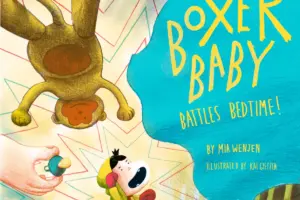
The growing demand for authentic cultural narratives in youth media is reflected in recent critical recognitions. Works such as the critically acclaimed original song "Barbed Wire Between Us"—which recently secured a prestigious Global Music Award—demonstrate a broader cultural appetite for art that addresses complex historical realities and cross-cultural resilience through music. Written by Mia Wenjen and paired with rich multimedia resources, such projects highlight the seamless intersection of storytelling, social justice, and musical expression.
Official Statements and Educational Philosophy
The core philosophy driving the Marvelous Multicultural Music Books for Your Classroom Summit centers on intentionality, respect, and accessibility. While organizers and participating educators champion the joy of global music, they maintain a strict adherence to cultural stewardship.
"We want to empower teachers with practical tools and authentic resources to celebrate world music, helping them create a more inclusive and globally-minded curriculum," state event organizers. "Too often, educators want to do the right thing by incorporating diverse perspectives, but they freeze up out of fear of getting it wrong or tokenizing a culture. This summit removes that barrier by offering vetted, respectful pathways directly from cultural practitioners and experienced global educators."
Experts participating in the summit emphasize that true multicultural education is not merely about adding a diverse song to a holiday concert playlist. Instead, it requires a fundamental shift in how music is valued: viewing every global tradition as a sophisticated, living art form worthy of deep study, contextual understanding, and artistic celebration.
As the educational landscape continues to evolve through the mid-2020s, initiatives like the Marvelous Multicultural Music Books for Your Classroom Summit point toward a more inclusive, empathetic future for the arts. By removing financial barriers—making the entire three-day event completely free to attend—organizers ensure that access is not restricted by school district budgets or geographic location.
Looking ahead, the long-term impact of the summit will be measured in the daily routines of classrooms across the globe. Educators who attend will leave equipped with not only a renewed sense of confidence but also concrete bibliographies, lesson outlines, and digital toolkits. These resources empower teachers to cultivate spaces where every student sees their heritage honored, and where curiosity about the wider world is met with rich, authentic exploration.
For educators eager to transform their music rooms and embrace a truly global perspective, registration for the event is currently open. Comprehensive sign-up details, schedule updates, and community links can be accessed directly via the official registration portal.





Comments
Facebook App ID not configured. Please add it in the Customizer.