When the average consumer hears the name Barnes & Noble, the mind immediately conjures images of towering mahogany bookshelves, the scent of fresh paper, and the quiet ambiance of a literary sanctuary. For decades, the nation’s largest retail bookstore chain has served as the anchor of American literary culture. However, a structural and merchandising evolution has been quietly reshaping the physical footprint of these iconic storefronts. Beneath the towering stacks of contemporary fiction and classic literature lies a sophisticated, highly curated gift ecosystem designed to capture non-traditional bookstore shoppers, impulse buyers, and gift-givers seeking thoughtful, design-forward merchandise.
This strategic diversification extends far beyond standard literary paraphernalia. Today’s Barnes & Noble inventory integrates exclusive pop-culture collectibles, high-end hardcovers tailored for display, artisanal stationery, and sustainable everyday accessories that appeal to demographics extending well beyond the traditional bookworm. By transforming spaces previously reserved for surplus inventory into vibrant lifestyle galleries, the enterprise has successfully recalibrated its retail identity.
This investigative report examines four standout products defining this merchandising shift: Yves’s Cute & Anxiety, the premium Stranger Things Collectible Editions, and the re-wrap Bag of Books Totes available in Burgundy and Green. Through a detailed breakdown of pricing, audience appeal, and retail strategy, this analysis explores how Barnes & Noble is redefining the modern brick-and-mortar shopping experience.
To understand Barnes & Noble’s current positioning in the gift market, one must examine the historical trajectory that forced large-format bookstores to rethink their business models.
The Shift from Mono-Culture to Lifestyle Retail
Late 20th Century (The Superstore Era): During the rapid expansion of physical bookstores in the 1980s and 1990s, inventory was strictly vertically integrated around reading material. While cafes and magazine racks were introduced to increase "dwell time," core revenue relied almost exclusively on printed books.
The E-Reader Disruption (2000s–2010s): The advent of digital reading devices and e-commerce giants threatened to render physical bookstores obsolete. To survive, retail leadership recognized that digital platforms could not replicate the tactile, sensory experience of browsing a physical store. This realization catalyzed the expansion of non-book merchandise categories, including toys, games, artisanal journals, and specialized gifts.
The Curated Renaissance (2020s–Present): Under new executive leadership emphasizing localized store curation over corporate uniformity, Barnes & Noble empowered local store managers to tailor displays to regional tastes. This era birthed the modern "gift and lifestyle" section, introducing high-margin, highly curated exclusive items that merge internet-culture aesthetics with traditional retail prestige.
This evolution paved the way for exclusive publishing partnerships and high-concept lifestyle goods that transform an ordinary retail trip into an exploratory treasure hunt.
Supporting Context & Product Metrics
To evaluate the commercial viability and consumer appeal of Barnes & Noble’s modern gift strategy, a granular examination of four key offerings is required. These products span a price spectrum from $19.99 to $35.00, demonstrating a tiered approach to gifting that accommodates various budgets without sacrificing perceived value.
Target Demographic: Gen Z and Millennial consumers, fans of contemporary web-comics, and individuals drawn to self-reflective, humorous artistic commentary on modern mental health.
Merchandising Context: Exclusive products command distinct advantages in physical retail by eliminating direct price-comparison shopping. By securing exclusive distribution rights for titles like Cute & Anxiety, Barnes & Noble positions itself as a destination rather than a commodity reseller.
Priced under $20, this item functions exceptionally well as an impulse buy or as an anchor piece within a customized birthday gift basket. When paired with artisanal snacks, a handwritten note, or a complementary contemporary novel, it transcends its modest price point to deliver an outsized emotional impact. Retail analysts note that items bridging humor and emotional vulnerability resonate strongly in post-pandemic retail markets, driving foot traffic among younger demographics who value authentic, relatable creative expression.
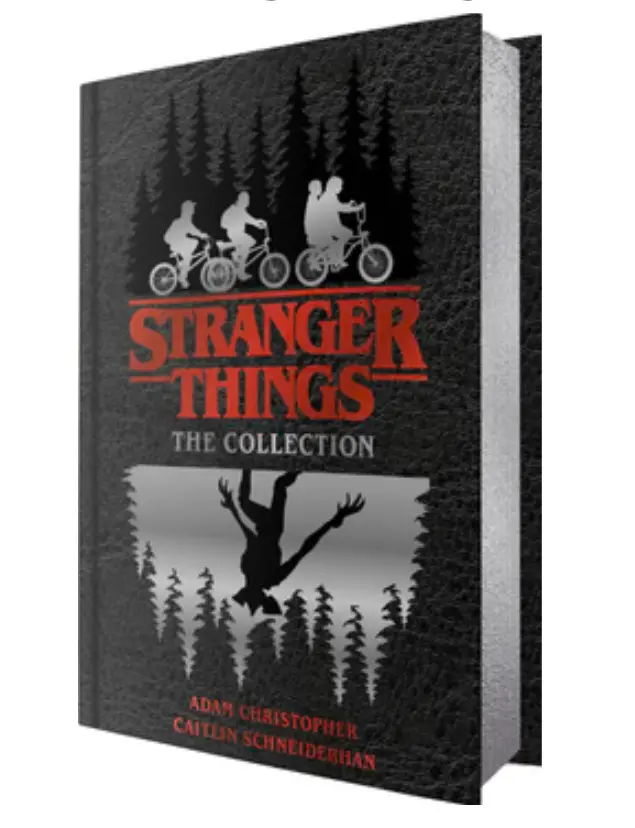
2. Stranger Things Collectible Hardcover Editions
Price Point: $35.00
Format & Classification: Premium Hardcover Collectible / Franchise Tie-In (Authored by Caitlin Schneiderhan and Adam Christopher)
Target Demographic: Sci-fi enthusiasts, pop-culture completionists, and fans of the Netflix phenomenon looking for physical display pieces.
Merchandising Context: The collectible book market has experienced a massive resurgence, fueled largely by TikTok communities (BookTok) and a broader cultural desire for tangible fandom memorabilia. Standard paperbacks are frequently treated as disposable utilities, but premium collectible editions function as decorative centerpieces for home libraries.
At $35.00, the Stranger Things collectible edition commands a higher price ceiling, justified by upgraded binding, exclusive cover art, and enhanced interior design. For gift-givers, this item eliminates the guesswork when shopping for dedicated television and pop-culture fans. However, retail experts advise verifying an existing library before purchase to prevent accidental duplication among avid collectors.
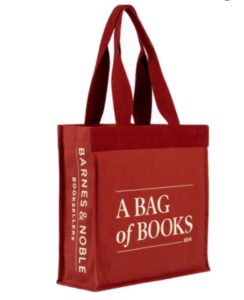
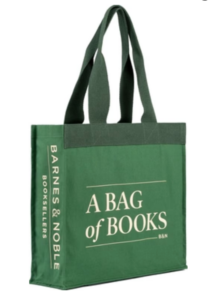
3 & 4. The Bag of Books Totes (Burgundy and Green)
Merchandising Context: Sustainable lifestyle accessories represent one of the fastest-growing sectors in specialty retail. Manufactured by re-wrap—an organization known for its commitment to ethical production and sustainable materials—these tote bags merge utilitarian function with literary identity.
Priced competitively at $24.99, both the Burgundy and Green iterations offer a sophisticated alternative to single-use plastic or generic canvas bags. The rich Burgundy tone appeals to traditionalists who favor deep, classic palettes, while the vibrant Green option caters to shoppers seeking a fresher, more contemporary aesthetic.
Crucially, these totes double as gift-wrapping mechanisms. By filling a burgundy or green tote with a curated paperback, an artisanal bookmark, and specialty treats, the packaging itself becomes a permanent, highly functional keepsake. This dual-purpose design elevates the perceived generosity of the gift while reinforcing Barnes & Noble’s brand association with sustainability and everyday literacy.
Official Statements & Industry Perspectives
Industry observers and retail analysts have taken note of Barnes & Noble’s successful pivot from a struggling traditional bookseller to a vibrant lifestyle destination.
In recent corporate communications and industry panels, retail executives have emphasized the importance of "experiential curation." Unlike online marketplaces driven by algorithmic recommendations, physical bookstores rely on serendipitous discovery—the moment a customer walks in seeking a specific novel and leaves with an exclusive art book, a sustainable canvas tote, and a pop-culture collectible.
"The modern bookstore cannot survive on inventory density alone," notes a prominent retail supply-chain strategist. "Consumers visit physical storefronts for tactile engagement and emotional connection. By curating items that reflect contemporary cultural conversations—ranging from mental health art to sustainable accessories and prestige television tie-ins—Barnes & Noble has transformed its retail real estate into a cultural commons where discovery is the primary product."
Furthermore, manufacturing partnerships with ethical producers like re-wrap underscore a growing corporate commitment to environmental responsibility. Consumers increasingly demand transparency and sustainability from major retail chains; offering ethically produced cotton totes aligns bookstore merchandising with the ethical priorities of modern shoppers.
Future Outlook: The Evolution of Bookstore Merchandising
As the retail landscape continues to navigate the complexities of omnichannel commerce and shifting consumer habits, Barnes & Noble’s diversified gift strategy offers a compelling blueprint for the future of specialty brick-and-mortar retail.
1. Hyper-Local Curation and Regional Exclusives
Looking ahead, industry forecasts suggest that large-scale bookstore chains will increasingly lean into localized merchandising. By analyzing regional purchasing data and cultural nuances, stores can stock exclusive regional art prints, locally manufactured stationery, and hyper-targeted gifts that resonate deeply with local communities, further insulating physical stores from digital competition.
2. Deepening Integration of Lifestyle and Literature
The artificial barrier between "books" and "gifts" will continue to dissolve. Future merchandising models will likely see tighter vertical integration, where books are packaged directly with bespoke accessories—such as a specialized cooking novel bundled with artisanal kitchen utensils, or sci-fi collectibles paired with immersive gaming components. This holistic approach maximizes average transaction value while enhancing the consumer’s perception of value.
3. Sustainability as a Core Metric
As environmental regulations tighten and consumer preferences permanently shift toward eco-friendly goods, partnerships with certified sustainable manufacturers will become standard practice across all non-book categories. The success of the re-wrap Bag of Books totes proves that consumers are willing to invest in durable, ethically produced accessories that reflect their personal values and lifestyle choices.
Conclusion
Barnes & Noble has successfully transcended its historical identity as a purveyor of printed pages. By thoughtfully curating a diverse ecosystem of unique gifts—ranging from the $19.99 artistic exploration Cute & Anxiety and the $35.00 prestige Stranger Things collectible hardcovers to the $24.99 sustainable Bag of Books totes in Burgundy and Green—the enterprise offers compelling solutions for every gifting occasion and budget.
For the modern shopper, visiting a Barnes & Noble no longer means simply replenishing a reading list; it represents an opportunity to uncover unexpected treasures that combine wit, utility, and cultural relevance. Whether shopping for a dedicated pop-culture aficionado, an eco-conscious student, or simply treating oneself, exploring beyond the bookshelves reveals a vibrant retail landscape where thoughtfulness meets everyday functionality.










Comments
Facebook App ID not configured. Please add it in the Customizer.