In an era defined by lightning-fast information streams, generative content, and pervasive digital screens, children are navigating a labyrinth of online data long before they have fully developed the cognitive frameworks to evaluate it. Recognizing an urgent educational imperative, the literacy and advocacy organization Read Your World has officially released its newest comprehensive educational resource: "Beyond Screens: Teaching Kids to Think Critically in a Digital World."
Designed for educators, librarians, parents, and community leaders, this free classroom kit tackles one of the most pressing challenges of modern pedagogy: teaching young learners how to spot fake news, interrogate digital media, and think critically before clicking, sharing, or believing.
The launch comes at a critical juncture in contemporary education. As classrooms increasingly integrate digital devices, educators are tasked not only with technological instruction, but with cultivating cognitive resilience against misinformation. "Beyond Screens" offers a multifaceted, highly curated approach. Inside the kit, educators will find 18 carefully selected children’s books focusing on media literacy and fake news, complimentary fact-checking tools, hands-on interactive games, ready-to-use lesson plans, and dedicated podcast episodes paired with Social-Emotional Learning (SEL) guides and printable worksheets.
Far from being just another digital module, the kit emphasizes a balanced, screen-free methodology to foster vital critical-thinking skills. By blending literature, interactive play, and guided discussions, Read Your World has crafted a timely intervention that empowers youth to become discerning consumers—and creators—of information.
Detailed Chronology: The Evolution of Read Your World’s Classroom Kits
To understand the significance of the "Beyond Screens" release, it is necessary to examine the systematic trajectory of Read Your World’s advocacy work. Over the past decade, the organization has evolved from a single-day celebration of multicultural literature into a powerhouse of curriculum development, releasing a targeted, high-impact classroom kit annually to address society’s most acute educational and social challenges.
2017: The organization introduced foundational empathy-building tools, releasing the FREE Classroom Empathy Kit: Immigration & Refugees in October, closely followed by the Classroom Kindness Kit in January. These early resources established a precedent for using picture books as a springboard for civic empathy.
2018: Shifting economic realities came to the forefront with the release of the Downloadable Classroom Poverty Kit: Understanding Poverty in America, providing educators with sensitive, structured frameworks to discuss socioeconomic disparities in the classroom.
2020–2021: Amid a global reckoning with social justice and civic action, Read Your World released the Activists & Activism kit in July 2020, followed by the groundbreaking Classroom Kit on Structural Racism in September 2021. These kits provided educators with vital resources to navigate complex societal dynamics through diverse children’s literature.
2022–2023: Recognizing mounting external pressures on youth, the organization pivoted toward holistic well-being. The FREE Teacher Classroom Kit: Mental Health Support for Stressful Times (August 2022) addressed post-pandemic psychological needs. The following year, the Climate Change and Understanding Environmental Justice Classroom Kit (August 2023) linked ecological stewardship with community equity.
2025: As communities continued to diversify globally, the organization released Building Community with Bilingual Books, cementing the role of multilingual literacy in fostering inclusive classrooms.
2026 (Present): Marking its most technologically relevant release to date, Read Your World debuts "Beyond Screens: Teaching Kids to Think Critically in a Digital World," directly addressing the cognitive and psychological impacts of the digital age.
Supporting Context & Metrics: The Crisis of Digital Misinformation Among Youth
The urgency behind "Beyond Screens" is underscored by a growing body of research highlighting children’s vulnerability to online misinformation. According to data from media research organizations and educational watchdogs, children and adolescents spend an average of six to seven hours daily consuming media across various platforms. However, cognitive development studies consistently demonstrate that critical source evaluation skills do not fully mature until late adolescence, leaving younger demographics exceptionally susceptible to algorithmic bias, deepfakes, and unverified digital claims.
Key Dimensions Addressed by the Kit:
The Proliferation of Misinformation: Modern children encounter manipulated images, sensationalized headlines, and fabricated statistics daily through social media feeds and online gaming platforms.
The Illusion of Objectivity: Young learners often struggle to distinguish between sponsored content (advertisements), opinion pieces, and objective journalism.
The Screen-Time Paradox: While digital tools are ubiquitous in learning, excessive passive screen consumption can hinder deep cognitive processing. "Beyond Screens" intentionally incorporates offline, tactile activities to build analytical thinking away from the display.
By embedding media literacy into early education through award-winning children’s literature, educators can intercept misinformation habits before they become deeply entrenched belief systems. The 18 curated books included in the kit serve as narrative mirrors and windows, allowing children to safely explore scenarios involving deception, truth-seeking, and scientific inquiry through relatable characters.
Official Statements and Artistic Vision
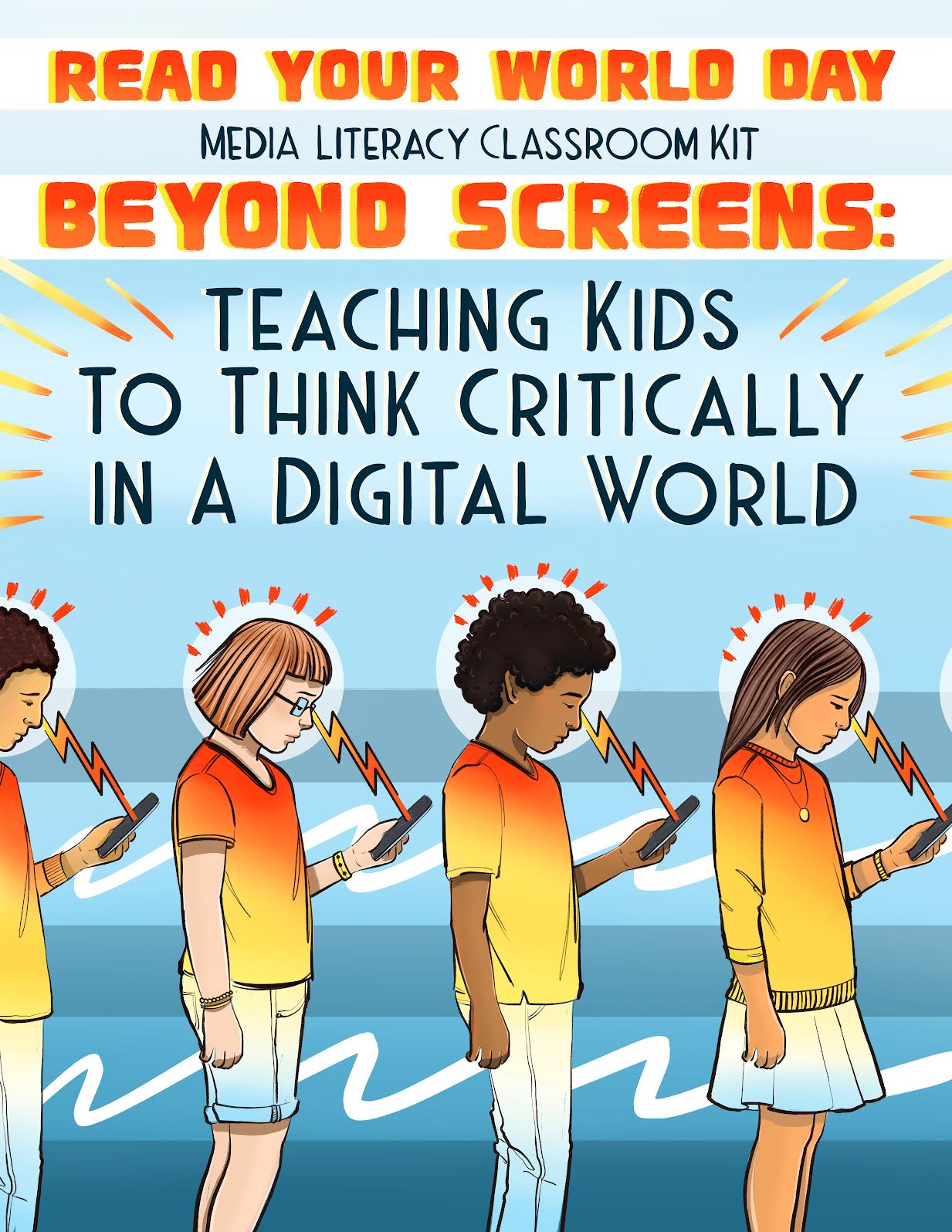
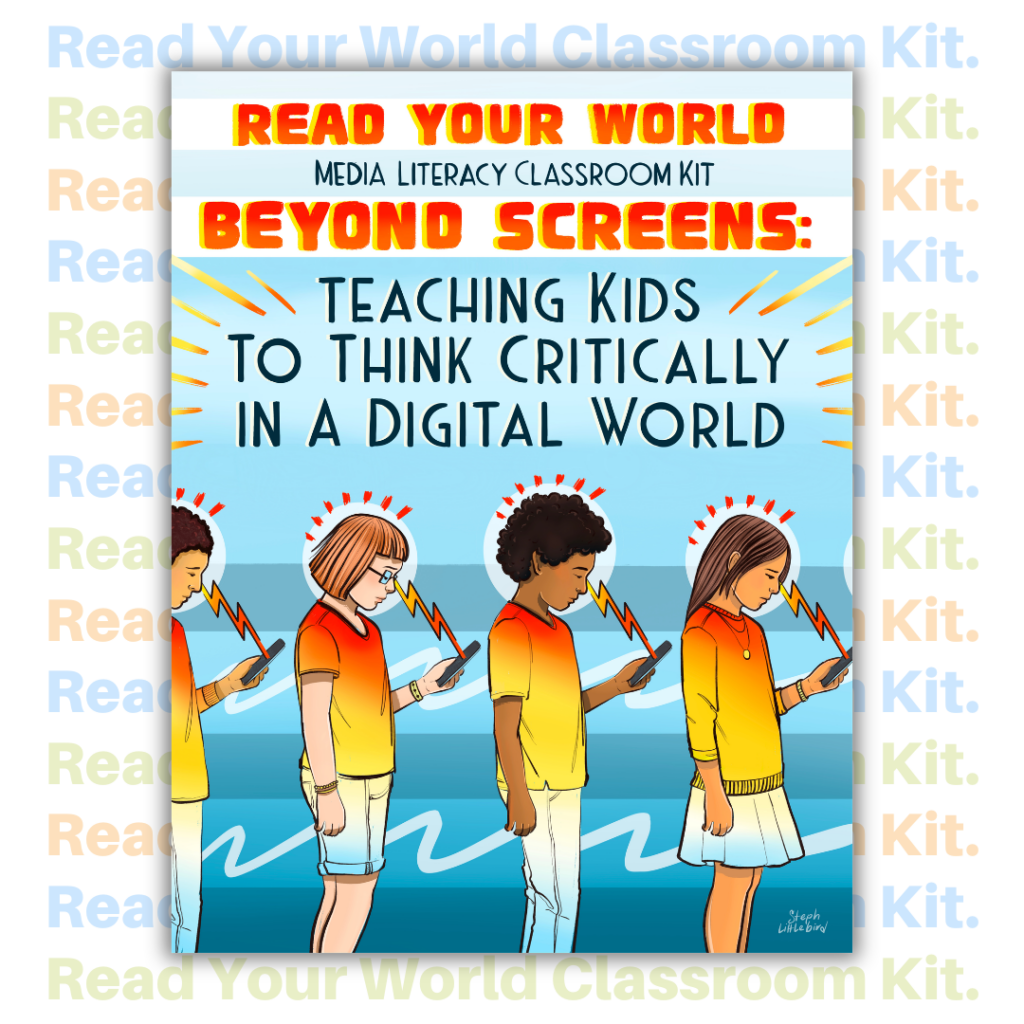
The development of "Beyond Screens" involved a collaborative network of educators, literacy experts, and artists dedicated to youth empowerment. Central to the kit’s visual identity is its striking promotional poster, conceptualized and brought to life by acclaimed illustrator Steph Littlebird.
In an exclusive behind-the-scenes feature shared via the organization’s channels, Littlebird discussed the inspiration driving her visual narrative. Drawing from her background as an indigenous artist and storyteller, Littlebird emphasized the importance of visual sovereignty and the need for children to recognize that images, like text, carry perspectives that must be critically examined.
"When we look at art, photography, or digital graphics, we aren’t just looking at a mirror of reality; we are looking through a lens shaped by whoever made it," Littlebird noted in her artistic commentary. "My goal for this poster was to spark curiosity in kids—to make them ask questions about what they see on their screens and realize that they hold the power to seek out the truth."
Project coordinators at Read Your World echoed this sentiment, stressing that media literacy is no longer an elective skill.
"We are living in an ecosystem where children are targeted consumers of digital content from toddlers to teens," a spokesperson for Read Your World noted. "We cannot simply tell them to log off; we have to teach them how to navigate the digital world safely, skeptically, and intelligently. This kit provides educators with the exact toolkit they need to turn passive scrollers into active, critical thinkers."
Future Outlook: The Road Ahead for Digital Literacy in Education
As artificial intelligence continues to reshape the generation and distribution of digital media, initiatives like "Beyond Screens" represent the vanguard of preventative educational reform. School districts across the country are increasingly looking for turnkey resources that do not require massive budgetary allocations or extensive specialized training to implement.
Because "Beyond Screens" is distributed completely free of charge, its potential reach is virtually limitless. Teachers in underfunded rural districts, urban public schools, and community homeschooling pods alike have immediate access to professional-grade lesson plans, podcast integrations, and fact-checking templates.
Looking forward, Read Your World plans to host virtual professional development workshops and educator panels throughout the academic year to demonstrate best practices for integrating the kit’s contents into existing language arts, social studies, and science curricula.
In an era where truth is frequently contested and attention is the ultimate commodity, equipping children with the tools of critical inquiry is a vital democratic necessity. Through "Beyond Screens," Read Your World has once again delivered an invaluable, timely resource that ensures the next generation will not merely consume the future—they will question, analyze, and shape it.
Explore Related Resources and Works
For educators and families looking to expand their libraries further, Read Your World continues to offer its expansive catalogue of past classroom kits—ranging from structural racism awareness to mental health toolkits—all accessible via the official PragmaticMom and Read Your World networks. Furthermore, founders and affiliated authors continue to champion diverse narratives through acclaimed works such as Mia Wenjen’s Barbed Wire Between Us, Postcards from Malcolm X, Fortune Cookies for Everyone!, and The Traveling Taco.
To access the FREE "Beyond Screens: Teaching Kids to Think Critically in a Digital World" classroom kit, visit the official Read Your World website today.





Comments
Facebook App ID not configured. Please add it in the Customizer.