
For decades, cultural representation in children’s and young adult literature has fought for equitable shelf space, with many regions of the world remaining vastly underrepresented. Malaysia—a vibrant Southeast Asian nation defined by its rich cultural mosaic, lush rainforests, and complex history—has long been a geographic blank spot on Western bookshelves. A decade ago, curating a reading list focused on Malaysia yielded sparse results, leaving educators, parents, and young readers with few avenues for literary exploration.
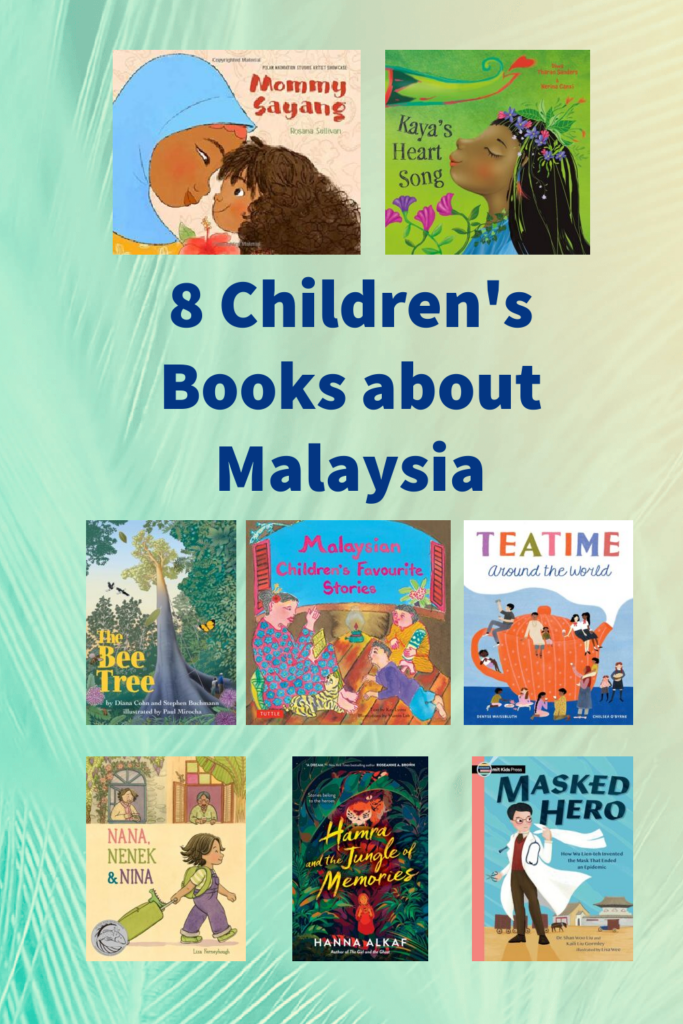
Today, however, the landscape has shifted dramatically. A burgeoning wave of creators, animators, scientists, and folklorists are bringing Malaysian stories to the global stage. From picture books that celebrate Islamic faith and familial devotion to middle-grade quests blending ancient mythologies with contemporary realities, modern publishing has finally begun to bridge the cultural divide.
This comprehensive report examines the newly expanded literary canon centering on Malaysia. By exploring picture books, folktales, narrative nonfiction, and middle-grade fiction, this feature highlights how literature serves as a passport for young readers, fostering cross-cultural empathy and expanding global awareness.
Read Also
Detailed Chronology: The Evolution of Malaysian Children’s Literature in the West
To understand the current renaissance of Malaysian literature in the West, it is helpful to examine how this body of work has slowly materialized over the years.

-
The Early 2010s: The Desert Years of Representation
- State of Affairs: A decade ago, attempting to compile a list of children’s books spotlighting Malaysia resulted in dead ends. Most mainstream publishers heavily favored Western settings or broadly generalized "Asian" tropes that rarely captured the specific nuances of Malaysian culture, geography, or history.
- Impact: Curators and educators kept draft lists dormant, waiting for an influx of authentic voices to break through the traditional publishing bottleneck.
-
The Mid-2010s: The Rise of Global Folktales
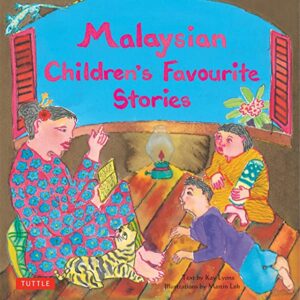
- State of Affairs: Specialty publishers, most notably Tuttle Publishing, began bridging the gap by releasing traditional folktale anthologies. Collections like Malaysian Children’s Favourite Stories introduced Western audiences to indigenous legends, explaining everything from the monochrome coat of the tapir to the cunning nature of the mousedeer.
- Impact: These anthologies laid the groundwork for children to recognize that regional folklore offers unique moral frameworks and cultural aesthetics distinct from European fairy tales.
-
The Late 2010s to Early 2020s: Institutional and Animation Crossovers
- State of Affairs: Major publishing houses and entertainment giants began recognizing the commercial and cultural viability of diverse storytelling. Renowned animators from studios like Pixar transitioned into children’s literature, bringing cinematic visual storytelling to personal narratives rooted in Southeast Asia.
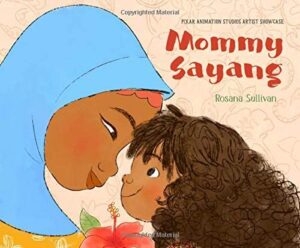
- Impact: Works like Mommy Sayang (2022) demonstrated that picture books could tackle profound emotional themes—such as long-term illness, recovery, and religious devotion—while centering a Malaysian Muslim childhood.
-
The Present Day: Genre Diversification and Multidisciplinary Exploration
- State of Affairs: The contemporary landscape features an eclectic mix of narrative nonfiction, mindfulness guides, biographical picture books, and high-stakes middle-grade fantasy. Authors are pulling from historical milestones, ecological conservation efforts, and modern challenges (such as pandemic lockdowns) to construct multi-layered narratives.
- Impact: Readers now have access to books that range from ages 3 to young adult, allowing for continuous, age-appropriate engagement with Malaysian culture.
Supporting Context & Metrics: Cultural Geography and Literary Diversity
To fully appreciate the books shaping this literary movement, one must understand the socio-cultural fabric of Malaysia. Spanning the Malay Peninsula and the island of Borneo, Malaysia is a pluralistic society defined by its Malay, Chinese, Indian, and indigenous (Orang Asli) populations.
Key Demographic and Cultural Metrics
- Religious Diversity and Islamic Demographics: According to national census data, Islam is practiced by more than 63% of the Malaysian population, making it the official and most widely practiced religion. However, the nation also maintains substantial Buddhist, Christian, Hindu, and indigenous spiritual communities. Books that reflect this Islamic majority—such as Mommy Sayang—provide vital windows into normal, everyday Muslim life in Asia, countering monolithic Western portrayals.
- Biodiversity Hotspots: Malaysia’s tropical rainforests are among the oldest in the world, estimated to be over 130 million years old. They host iconic and endangered wildlife, such as the Malayan tiger, Asian elephants, and the Orang Asli’s sacred tualang trees, which serve as the backdrop for ecologically focused children’s literature like The Bee Tree.
- Culinary and Social Traditions: Cultural touchstones, such as teh tarik ("pulled tea"), act as national symbols of community and craftsmanship. Featuring such elements in global food and drink anthologies helps normalize and celebrate everyday Southeast Asian traditions for international readers.
Featured Literary Works: A Comprehensive Review
The contemporary Malaysian children’s book canon spans multiple genres, offering unique entry points for readers of all ages.

1. Mommy Sayang by Rosana Sullivan
- Target Audience: Picture book, ages 3 and up.
- Thematic Focus: Family bonds, long-term illness, maternal love, and Islamic faith.
- Critical Overview: Written and illustrated by veteran Pixar artist Rosana Sullivan (whose animation credits include The Good Dinosaur, Coco, and Incredibles 2), Mommy Sayang is a deeply personal love letter to her childhood in Malaysia. The story follows young Aleeya, who asks her mother if she will always be by her side as they share daily rituals—cooking, doing laundry, watering vibrant red hibiscus flowers, and watching her mother pray. When the mother falls chronically ill, the roles reverse, and Aleeya must wait patiently for her recovery. The symbolic red hibiscus flower ultimately plays a role in her mother’s healing. Rooted in Sullivan’s own childhood experiences with a long-term ailing mother, the book offers a tender, culturally grounded exploration of empathy, caregiving, and the quiet beauty of everyday Muslim life.
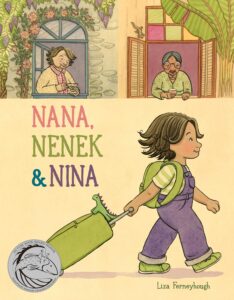
2. Nana, Nenek & Nina by Liza Ferneyhough
- Target Audience: Picture book, ages 4 and up.
- Thematic Focus: Multicultural families, global comparisons, and grandparental love.
- Critical Overview: Nina lives in San Francisco, split between two distinct cultural heritages. One of her grandmothers, Nana, resides in England, while the other, Nenek, lives in Malaysia. Ferneyhough uses brilliant split-page spreads and clever visual juxtaposition to compare and contrast Nina’s visits to both countries. While the environments, foods, and daily customs differ vastly, the universal warmth of a grandmother’s love remains constant. The book serves as an exceptional tool for teaching young children how to appreciate global differences without losing sight of shared human emotions.
3. Kaya’s Heart Song by Diwa Tharan Sanders, illustrated by Nerina Canzi
- Target Audience: Picture book, ages 4 and up.
- Thematic Focus: Mindfulness, meditation, and emotional awareness.
- Critical Overview: Set deep within a Malaysian jungle, this gentle adventure follows a young girl named Kaya as she seeks her "heart song." Along the way, she encounters Pak, the guardian of a gate enclosing a rundown carousel. Through the practice of mindfulness—breathing, focusing, and gently untangling the vines wrapping around the ride—Kaya calms her mind. As the carousel begins to turn, the music of her own heart fills the clearing. This book provides an accessible introduction to meditation for young readers, beautifully framed by the lush, atmospheric backdrop of the Malaysian wilderness.
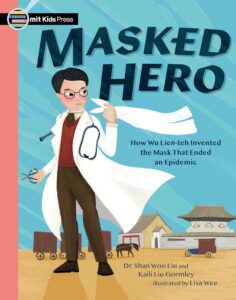
4. Masked Hero: How Wu Lien-Teh Invented the Mask That Ended an Epidemic by Dr. Shan Woo Liu and Kaili Liu Gormley, illustrated by Lisa Wee
- Target Audience: Picture book biography, ages 4 and up.
- Thematic Focus: STEM history, public health innovation, and overcoming systemic racism.
- Critical Overview: Long before the COVID-19 pandemic made face masks a global talking point, Malaysian-born doctor Wu Lien-Teh revolutionized public health. Growing up with limited educational resources in Malaysia, Wu studied diligently to secure a scholarship at the University of Cambridge. Later, his research into how germs spread led him to design a layered cotton-and-gauze mask that successfully contained a devastating plague outbreak in China in the early 20th century—laying the groundwork for the modern N95 mask. Co-authored by descendants of medical professionals, this biography sheds light on an under-recognized historical figure who faced profound anti-Asian racism yet persevered to save countless lives, earning a Nobel Prize nomination in 1935.
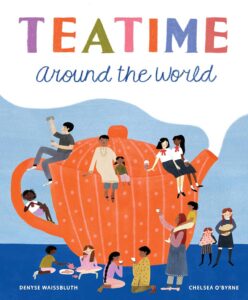
5. Tea Time Around the World by Denyse Waissbluth, illustrated by Chelsea O’Byrne
- Target Audience: Picture book, ages 3 and up.
- Thematic Focus: Global culinary traditions and cultural anthropology.
- Critical Overview: Malaysia takes center stage in this global beverage exploration via its national drink: teh tarik, or "pulled tea." The book details how strong black tea and condensed milk are combined and aerated through a dramatic, arm-length pouring technique that creates a rich, frothy texture. It offers young readers a sensory window into Malaysian hospitality and street-food culture.
6. Malaysian Children’s Favourite Stories by Kay Lyons, illustrated by Martin Loh
- Target Audience: Folktale anthology, ages 5 and up.
- Thematic Focus: Indigenous folklore, moral development, and regional myths.
- Critical Overview: Published by Tuttle Publishing, this collection dives into the rich oral traditions of Malaysia. Unlike homogeneous Western fairy tales, these stories utilize local geography—explaining the origins of majestic mountain ranges—and regional fauna to impart lessons. Readers learn why the tapir possesses a contrasting black-and-white coat, why the crocodile commands caution, and how the tiny mousedeer outsmarts much larger predators through sheer wit. Furthermore, the collection features complex human and animal heroines with authentic character flaws, offering a refreshing departure from passive fairy-tale tropes.
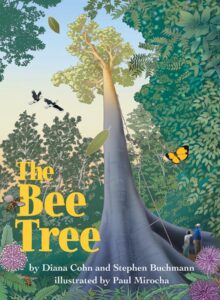
7. The Bee Tree by Stephen Buchmann and Diana Cohn, illustrated by Paul Mirocha
- Target Audience: Narrative nonfiction picture book, ages 7 and up.
- Thematic Focus: Rainforest ecology, indigenous traditions (Orang Asli), and conservation.
- Critical Overview: Deep in the Malaysian rainforest near Pedu Lake, towering tualang trees stretch over 200 feet into the air. On these sacred giants, wild Giant Honey Bees build massive hives. On a moonless night, a young boy named Nizam joins the traditional honey-harvesting ritual practiced for generations by the Orang Asli (the indigenous people of Malaysia). The book details the breathtaking risks, sacred rituals, and ecological importance of sustainable harvesting. Supported by extensive backmatter, it educates older children on rainforest ecology and the critical role of pollinators.
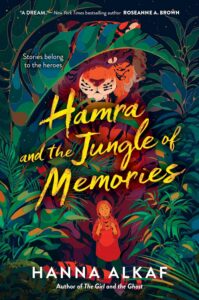
8. Hamra and the Jungle of Memories by Hanna Alkaf
- Target Audience: Middle grade novel, ages 8 and up.
- Thematic Focus: Modern mythology, environmentalism, dementia, and pandemic lockdowns.
- Critical Overview: Award-winning author Hanna Alkaf brilliantly reimagines the classic Little Red Riding Hood trope, infusing it with authentic Malaysian folklore, the isolation of the COVID-19 lockdown, the heartbreaking reality of dementia, and a high-stakes, Percy Jackson-esque magical quest. When headstrong Hamra breaks the strict rules of the jungle, she sets off on a dangerous journey accompanied by her reluctant best friend, Ilyas. Along the way, they encounter a human-trapped weretiger and ancient spirits. Ultimately, the adventure serves as an internal and external journey home, emphasizing the irreplaceable value of true friendship and cultural heritage.
Official Statements and Industry Insights
The growth of Malaysian representation in literature has drawn praise from educators, cultural critics, and authors alike.

- On the Importance of Authentic Windows and Mirrors:
Literary advocates frequently point out that books like those by Hanna Alkaf and Rosana Sullivan fulfill dual roles: they act as "windows" allowing outsiders to peer into the rich tapestry of Malaysian life, and as "mirrors" affirming the lived experiences of diaspora children. - On the Intersection of Science, History, and Culture:
Historians note that biographical works such as Masked Hero are critical in reshaping Eurocentric narratives in STEM education. By highlighting how a scholar from colonial-era Malaysia changed global public health, young readers learn that scientific innovation is truly global.
Future Outlook: Where Do We Go From Here?
The expansion of the Malaysian children’s book market over the past decade signals a promising shift in global publishing. No longer confined to the dusty drafts of passionate educators, Malaysian stories are winning awards, entering school libraries, and captivating international audiences.

However, gaps remain. While picture books and folktales have seen a healthy influx of titles, young adult novels and graphic novels centered specifically on contemporary Malaysian urban and rural life still have room to grow. As publishing houses increasingly prioritize international and intersectional voices, the next decade promises an even richer harvest of stories from the heart of Southeast Asia.

Readers with additional book recommendations or insights are encouraged to share their favorite Malaysian titles in the comments below.



Comments
Facebook App ID not configured. Please add it in the Customizer.