
Executive Overview
The international art ecosystem is experiencing a profound intersection of high fashion, institutional critique, ethical restitution battles, and architectural reinvention. In a landscape where traditional boundaries between luxury branding and conceptual contemporary art continue to dissolve, legendary photographer Cindy Sherman has partnered with Chanel to produce an unfiltered, archival series titled Fabric Matrons. Simultaneously, longstanding cultural property disputes have flared anew in Europe, underscored by an Austrian political candidate’s promise to return a sacred Aztec headdress to Mexico.
These developments unfold alongside intense legal battles in Paris regarding the preservation of nineteenth-century heritage beneath twentieth-century masterpieces, the rapid recovery of stolen Impressionist treasures, and forward-thinking institutional strategies spearheaded by figures like Zoë Ryan at the Hammer Museum in Los Angeles. This report provides a comprehensive, authoritative examination of these pivotal developments, mapping out their broader implications for cultural heritage, art market dynamics, and institutional governance.
Detailed Chronology & Core Developments
Cindy Sherman, Chanel, and the "Fabric Matrons"
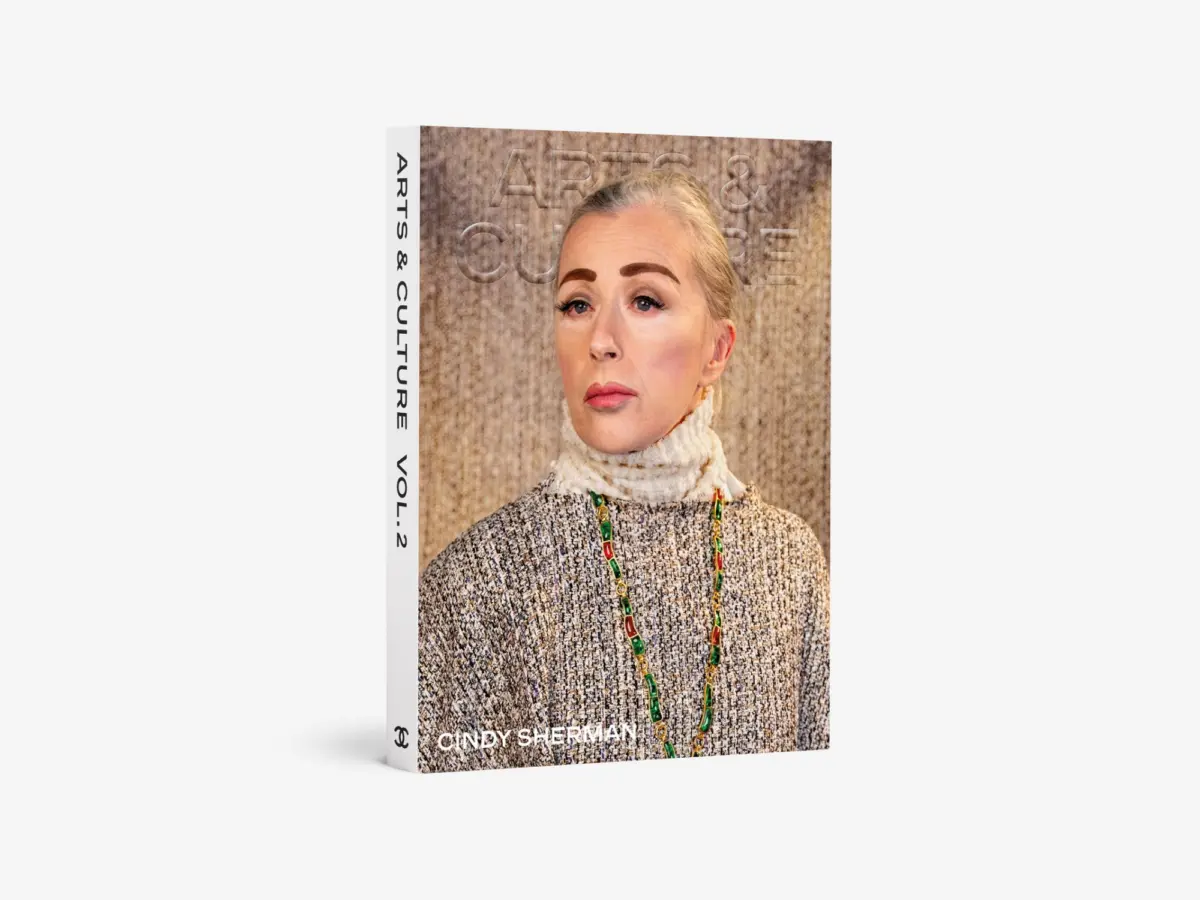
On October 23, French luxury house Chanel released the second volume of its free, 300-page publication, Arts & Culture. The centerpiece of this release is a provocative new photographic series by Cindy Sherman, widely celebrated for her decades-long exploration of identity, masquerade, and the female form. Rather than working with finished garments from the brand’s contemporary collections, Sherman was granted unprecedented access to Chanel’s vaults, receiving rolls of raw, unsewn archival fabrics.
Read Also
True to her subversive methodology, Sherman immediately questioned the parameters of the collaboration. "I said, ‘Well, is it okay if I cut things up, cut holes into them and whatnot?’" Sherman revealed in an interview with Vanity Fair. Assured of complete creative autonomy, the artist draped, wrapped, and mutilated the luxury textiles to construct her latest series, titled Fabric Matrons.
The resulting photographs—scheduled for a concurrent exhibition at Hauser & Wirth’s Mayfair gallery during Frieze London—show Sherman playing dress-up with a distinctively existential twist. The characters populating the images wear poncho-style interventions cut directly into heavy Chanel tweeds. Yet, the effect is neither comical nor farcical; her subjects appear solemn, deeply pensive, and seemingly weighed down by the accumulated gravity of life experience, juxtaposed against the opulent sheen of jeweled, high-fashion remnants. Capturing her internal monologue during the creative process, Sherman noted in her journal, "Who the fuck wants to look at pictures of old ladies anyway?" The art world is now poised to provide a definitive answer.
The Ongoing Battle for the Aztec Quetzal Headdress
In the realm of cultural property and restitution, the debate surrounding the 16th-century quetzalapanecayotl—an ornate feathered headdress associated with the Aztec ruler Moctezuma II—has taken a volatile political turn. Gunther Fehlinger-Jahn, an Austrian presidential candidate, announced that if elected, he would actively facilitate the return of the artifact to Mexico.
Housed in Vienna’s Weltmuseum, the 4½-foot-high and 5¾-foot-wide masterpiece of Mesoamerican featherwork has been the subject of bilateral tension for decades. While historical consensus suggests Moctezuma may never have worn the fragile object, its route out of Mexico remains shrouded in obscurity. Successive Mexican administrations have formally requested its repatriation, only to be rebuffed by Austrian authorities. In 2020, Vienna rejected a temporary loan request, citing the extreme fragility of the quetzal feathers.
"Austria and Mexico should negotiate a bilateral solution based on friendship rather than confrontation," Fehlinger-Jahn stated, signaling a potential shift in Austrian political will regarding colonial-era artifacts—a sentiment that places mounting pressure on European institutions to re-evaluate retentionist policies.
Legal Challenges at the Palais Garnier
In Paris, a high-stakes legal battle has erupted regarding the architectural integrity of the historic Palais Garnier opera house. A direct descendant of the 19th-century classical academic painter Jules-Eugène Lenepveu has initiated legal proceedings demanding the removal of Marc Chagall’s iconic 1964 ceiling painting.
Chagall’s vibrant, multi-hued masterwork, commissioned by Minister of Culture André Malraux, was installed directly over Lenepveu’s original oil-on-copper fresco, which celebrated classical allegories of music and dance. The lawsuit argues that the permanent concealment and potential structural compromise of Lenepveu’s underlying work represents a violation of moral rights and historic preservation principles, reigniting a decades-old debate over the hierarchy of artistic epochs in national monuments.
Swift Recovery of Stolen Renoir Masterpieces
In a rare victory for cultural heritage security, two stolen paintings by Impressionist master Auguste Renoir were recovered by French authorities in "record time." The works, intercepted before they could enter the illicit black market, have been delivered to conservation specialists. Experts are currently conducting rigorous diagnostic examinations to assess potential environmental or physical damage sustained during the theft before the paintings are permanently reinstated at the Renoir Museum in Cagnes-sur-Mer.
Archaeological Confirmation of Welsh Myth
Beyond the gallery and the museum, classical archaeology continues to validate oral and literary traditions. Recent excavations in Wales have unearthed definitive material evidence supporting a medieval Welsh myth claiming that the Roman Emperor Magnus Maximus established a strategic military encampment near Frenni Fawr. The findings bridge the gap between ancient folklore and empirical history, offering new insights into Roman-British administrative networks.
Supporting Context & Market Metrics
To fully understand the weight of these contemporary art world events, one must evaluate them within broader market and institutional frameworks:
- The Luxury-Art Convergence: The collaboration between Cindy Sherman and Chanel exemplifies a growing trend where luxury fashion houses act as primary patrons of conceptual art. By bypassing traditional advertising channels and funding unconstrained editorial projects, brands like Chanel secure cultural capital while offering blue-chip artists unrestricted budgets and archival access.
- Global Gallery Expansion: The announcement that France’s Galerie Christophe Gaillard will open a new space inside the Bangkok Kunsthalle in March 2027 highlights the decentralization of the global art market. Secondary and tertiary art hubs in Southeast Asia are increasingly viewed as essential territories for primary market expansion.
- Exhibition Archaeology: The trend of examining the lives of cultural icons through material culture—such as artist Alex Margo Arden’s simulation-based exhibition Nothing Personal exploring the legacy of Amy Winehouse—demonstrates a shift toward conceptual excavation, moving away from traditional hagiographic retrospectives.
Official Statements & Quotes
The intersection of institutional strategy, political ambition, and artistic autonomy has generated significant public discourse. Key figures have articulated their positions through formal releases and interviews:
"I said, ‘Well, is it okay if I cut things up, cut holes into them and whatnot?’"
— Cindy Sherman, reflecting on her negotiations with Chanel regarding the use of archival fabrics for her Fabric Matrons series."Austria and Mexico should negotiate a bilateral solution based on friendship rather than confrontation."
— Gunther Fehlinger-Jahn, Austrian presidential candidate, addressing the disputed status of the Aztec Quetzal headdress."Who the fuck wants to look at pictures of old ladies anyway?"
— Cindy Sherman, excerpted from her personal journals during the production of her latest photographic works.
Future Outlook
Looking toward the horizon, institutional leadership is actively redefining the public function of art spaces. At the Hammer Museum in Los Angeles, Director Zoë Ryan is spearheading a transformative agenda aimed at anchoring the museum as a vital intellectual hub on the city’s Westside.
Central to Ryan’s vision is a commitment to historical redress—exemplified by major retrospective surveys dedicated to overlooked women artists such as Huguette Caland and Mavis Pusey—and educational equity, including professional development programs for public school teachers integrating arts curricula. Furthermore, the introduction of "The Nook," a ground-floor public room dedicated to open-access artmaking, reading, and collaborative study, represents what Ryan terms a "radical welcome."
As museums pivot toward radical inclusivity, luxury houses partner with critical conceptualists to challenge aesthetic boundaries, and nations grapple with the ethics of repatriation, the global art community stands at a defining crossroads. The coming years will determine whether institutional adaptability and ethical transparency can successfully match the rapid pace of cultural and commercial evolution.

Comments
Facebook App ID not configured. Please add it in the Customizer.