
Executive Overview
On August 11, 2026, the speculative fiction publishing landscape experienced another key weekly release cycle, marking a crucial transition point in the late-summer literary calendar. Spanning Science Fiction, Fantasy, Horror, and Young Adult (YA) literature, this week’s cohort of new releases reflects a broader industry-wide push toward highly specialized, thematic subgenres designed to capture increasingly fragmented reader demographics. From expansive space operas addressing post-scarcity anxieties to gothic horror confronting ecological dread, the mid-August slate illustrates how publishers are leveraging the late-summer window to build momentum ahead of the highly competitive autumn and holiday sales periods.
However, the arrival of these new titles highlights a deeper, more systemic challenge within the literary ecosystem: the survival of independent genre journalism. Alongside its curated weekly video roundup, Locus magazine—historically regarded as the journal of record for the science fiction, fantasy, and horror fields—issued an urgent appeal for reader-supported funding. This juxtaposition underscores a stark industry reality: while speculative fiction continues to enjoy robust commercial success and cultural relevance, the critical infrastructure that chronicles, reviews, and legitimizes these works remains in a state of chronic financial precarity.
This investigative report examines the major thematic currents defining the August 11, 2026 release cycle, analyzes the shifting economic models of speculative fiction publishing, and investigates the structural crises facing independent cultural journalism in the mid-2020s.
Read Also
Detailed Chronology: The August 11, 2026 Release Slate
The mid-August release window is historically a tactical period for publishers. Positioned between the major summer beach-read campaigns and the prestigious, award-targeted autumn releases, the second week of August serves as a launchpad for titles aiming to capture early-fall book club selections and build grass-roots word-of-mouth momentum.
An analysis of the titles debuting on August 11, 2026, reveals distinct thematic patterns across four primary genre categories:
Science Fiction: Anthropocene Realism and Post-AI Humanism
The science fiction titles arriving this week move away from traditional, optimistic techno-utopianism, focusing instead on the social, psychological, and bureaucratic realities of a climate-altered future and advanced automation.
- Decentralized Power and Resource Scarcity: Several prominent novels explore decentralized societies surviving in the wake of collapsed global supply chains. Rather than depicting apocalyptic chaos, these narratives emphasize communal governance, low-tech adaptation, and the tension between localized survivalism and global cooperation.
- The Psychological Costs of Long-Term Space Flight: Moving away from action-oriented space battles, this week’s space-faring narratives lean heavily into psychological realism, examining the cognitive toll of prolonged isolation, artificial gravity degradation, and the existential dread of deep-space voyages managed by inscrutable, automated operating systems.
Fantasy: Cozy Epics and Mythic Subversion
Fantasy releases continue to diverge into two major, contrasting streams: high-stakes political subversions of classic mythologies and the sustained, highly profitable trend of "cozy fantasy."
- The Evolution of Cozy Fantasy: What began as a post-pandemic niche has solidified into a core market segment. The fantasy titles debuting this week highlight low-stakes, domestic magic—centering on community building, culinary witchcraft, and artisanal craftsmanship. This subgenre continues to capture readers seeking comforting, character-driven narratives as an antidote to contemporary socio-political anxieties.
- Anti-Imperialist Myth Retellings: On the opposite end of the spectrum, high fantasy releases on August 11 showcase a sharp focus on non-Western mythologies, subverting traditional Eurocentric tropes of empire, chosen-one destiny, and absolute moral binaries.
Horror: Ecological Dread and the New Techno-Gothic
Horror continues its post-pandemic renaissance, driven by stories that externalize internal psychological trauma through the natural world and digital spaces.
- Eco-Horror and "Folk-Industrial" Terror: This week’s horror titles heavily feature themes of nature reclaiming human spaces, where the environment itself becomes an active, hostile entity. This reflects ongoing collective anxieties regarding climate change and environmental degradation.
- The Digital Haunted House: Writers are increasingly updating gothic tropes for the digital age, utilizing internet-of-things (IoT) smart homes, deepfake technologies, and algorithmic surveillance as modern equivalents of haunted mansions and malevolent spirits.
Young Adult (YA): Climate Migration and Identity Reclamation
The YA speculative fiction arriving on shelves continues to address real-world global crises, framing them through the lens of adolescent agency and identity formation.
- Speculative Coming-of-Age in Border Zones: The dominant theme in this week’s YA sci-fi and fantasy involves young protagonists navigating physical and socio-political borders in worlds altered by climate-induced migration and resource reallocation.
- Queer Joy Amidst Speculative Struggle: While high-stakes conflict remains a staple of YA plots, publishers are increasingly prioritizing narratives that weave themes of queer joy, community, and romantic fulfillment directly into speculative worldbuilding, resisting the historically tragic endings of early speculative fiction.
Supporting Context & Metrics: The Shifting Economics of Speculative Fiction Publishing
To understand the environment in which these new titles are competing, it is necessary to examine the current economic metrics of the publishing industry, specifically within the speculative fiction sectors.
Market Share and Consumer Behavior
According to industry data from mid-2026, speculative fiction (encompassing Sci-Fi, Fantasy, and Horror) remains one of the fastest-growing segments in traditional publishing, second only to romance.
| Metric / Indicator | 2024 Baseline | 2026 Projected / Current | Y-o-Y Change |
|---|---|---|---|
| Sci-Fi/Fantasy Market Share (US) | 14.2% of Fiction | 16.8% of Fiction | +1.3% average |
| Audiobook Format Penetration | 31% of Genre Sales | 38% of Genre Sales | +3.5% |
| Average Hardcover List Price | $27.99 | $31.50 | +12.5% (cumulative) |
| Direct-to-Consumer (D2C) Sales | 12% of Indie Sales | 19% of Indie Sales | +5.8% |
This growth is heavily driven by digital formats, with audiobook sales continuing their double-digit year-over-year expansion. However, the rising cost of physical production—driven by paper supply fluctuations and logistics inflation—has pushed the average price of hardcovers past the $30 threshold, creating a barrier to entry for casual readers and increasing the reliance on libraries and digital subscription models.

The Rise of Multimedia Curation
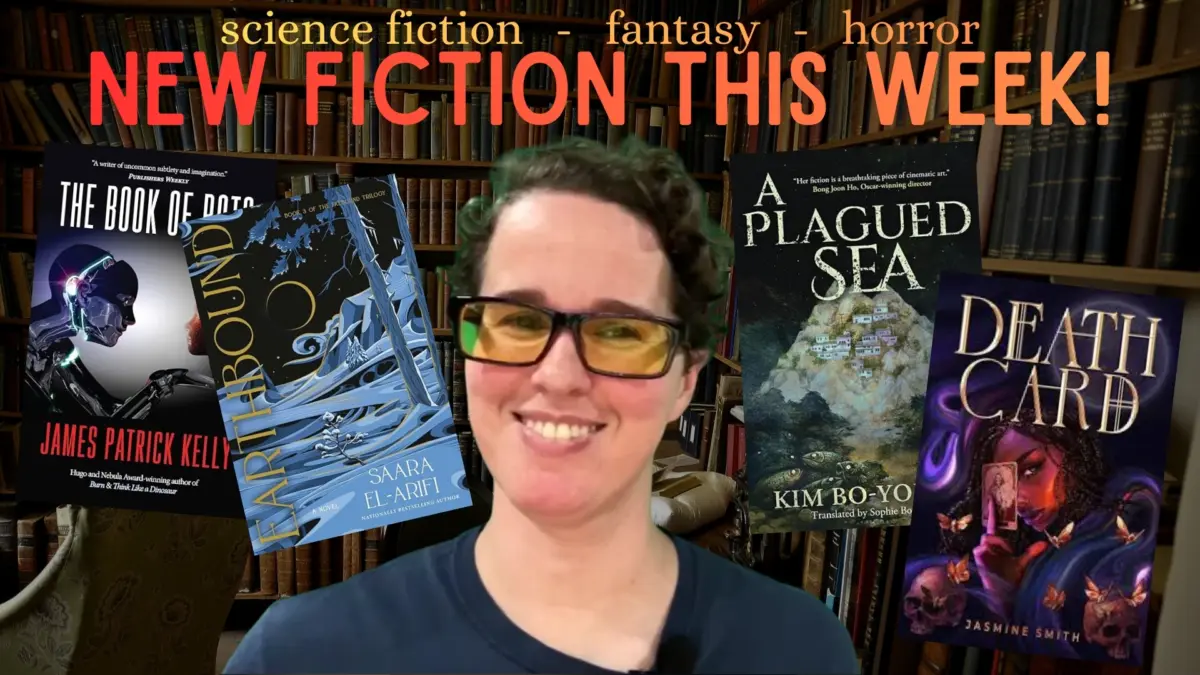
The inclusion of a YouTube video roundup in Locus’s August 11 announcement highlights a critical shift in how publishers and literary magazines reach audiences.
[Traditional Print Reviewing]
       │
       ▼ (Declining Ad Revenue / Reduced Newsstand Footprint)
[Multimedia Pivot: YouTube, TikTok, Podcasts]
       │
       ▼ (Direct-to-Consumer Engagement)
[Hybrid Discovery Ecosystem] (Social algorithms drive discoverability)
As traditional print advertising revenues decline, publications have been forced to transition from text-based criticism to multimedia curation. Book discovery is increasingly dominated by visual and algorithmic platforms such as BookTube, BookTok, and dedicated podcast networks.
While these platforms excel at generating viral momentum for specific titles, they often prioritize sensationalized micro-trends over long-term, critical evaluation. Consequently, legacy publications like Locus must balance modern, algorithm-friendly video roundups with their traditional, deep-dive literary criticism to remain relevant and visible.
Official Statements: The Structural Crisis in Independent Literary Journalism
The central paradox of the modern publishing ecosystem is that while book sales remain strong, the independent media outlets that cover them are facing unprecedented financial strain. In their August 11 dispatch, Locus magazine issued a direct appeal to its readers, stating:
"While you’re here, please take a moment to support Locus with a one-time or recurring donation. We rely on reader donations to keep the magazine and site going. We publish hundreds of reviews and news stories each year, but we can’t do it without your help."
This statement is not an isolated plea; rather, it represents a wider existential struggle occurring across the cultural journalism sector.
The Decline of the Ad-Supported Media Model
Historically, literary magazines survived on a combination of print subscriptions, newsstand sales, and advertising revenue from major publishing houses. In the digital era, this model has broken down for several reasons:
- Consolidation of Ad Spend: Publishers are increasingly bypassing independent outlets to spend their marketing budgets directly on social media platforms (Meta, ByteDance, Google) where they can micro-target specific demographics.
- Algorithm Changes: Major search engines and social media platforms have repeatedly altered their algorithms to deprioritize external links, severely reducing organic traffic to independent review sites.
- The Rise of AI-Generated Content: The proliferation of low-quality, AI-generated book summaries and SEO-optimized review sites has saturated search engine results pages, diluting the visibility of professional, human-written critique.
The Critical Role of Locus
Founded in 1968, Locus has served as the definitive trade journal for the speculative fiction field for over half a century. It provides comprehensive monthly listings of newly published books, industry news, international publishing reports, and in-depth reviews by leading critics. Without such independent entities, the genre risks losing its institutional memory, leaving the determination of literary merit almost entirely to corporate algorithms and viral marketing campaigns.
Future Outlook: The Road Ahead for Speculative Fiction and Media Survival
As the publishing industry moves deeper into the latter half of 2026, the trends observed in the August 11 release cycle are expected to intensify.
The Evolution of the Mid-List
The polarization of the book market remains a significant concern. While blockbuster titles backed by massive marketing budgets continue to dominate bestseller lists, the "mid-list"—where the majority of mid-tier and debut authors reside—faces shrinking print runs and limited promotional support. The success of the mid-list will increasingly rely on independent, niche communities and direct-to-consumer platforms (such as Patreon, Kickstarter, and Substack) to fund and sustain their work.
The Reader-Supported Media Paradigm
For legacy institutions like Locus, the future depends on transitioning from traditional advertising to a diversified, reader-supported model. Industry analysts project that by 2028, successful independent cultural media will operate similarly to public broadcasting, relying on:
- Direct Patronage: Monthly recurring micro-donations and tiered membership benefits.
- Specialized Archival Access: Paywalling historical data, bibliographies, and legacy reviews for academic and industry researchers.
- Grants and Non-Profit Status: Transitioning from commercial entities to 501(c)(3) non-profit organizations to secure philanthropic funding.
Ultimately, the vibrancy of speculative fiction relies on a healthy, critical ecosystem. Without authoritative, independent voices to review, document, and celebrate new releases, the genres of Science Fiction, Fantasy, Horror, and Young Adult risk losing the intellectual rigor and historical continuity that have defined their evolution for generations. The books arriving on shelves this week represent the creative vanguard of the field; whether the infrastructure exists to chronicle their impact in the years to come remains an open, critical question.

Comments
Facebook App ID not configured. Please add it in the Customizer.