
Executive Overview
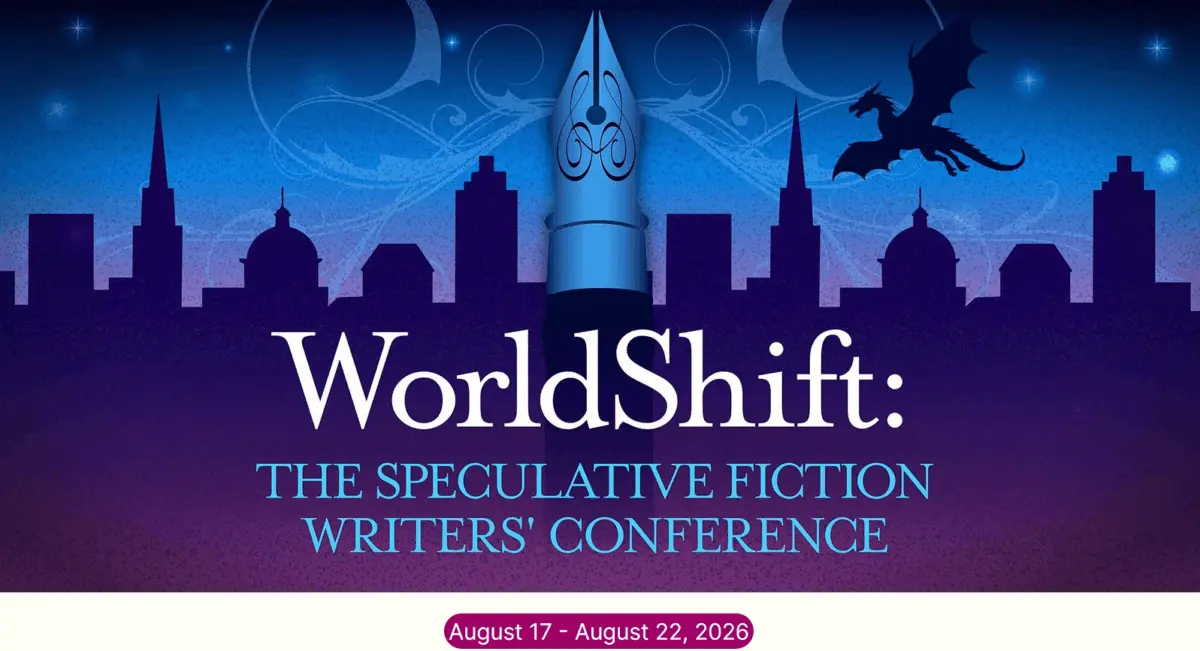
The intersection of digital accessibility and creative mentorship continues to reshape the landscape of professional development for authors worldwide. The 2026 WorldShift Summit for Speculative Fiction Writers officially opened its digital doors this week, convening a global cohort of novelists, essayists, and narrative theorists for a six-day intensive curriculum.
Designed primarily for creators working within the realms of science fiction, fantasy, horror, magical realism, and dystopian fiction, the virtual conference has established itself as a premier destination for both emerging and established voices.
Among this year’s roster of more than thirty prominent presenters, editors, and industry veterans is acclaimed writing instructor and author K.M. Weiland, creator of the resource hub Helping Writers Become Authors. Weiland, known for a notoriously selective approach to public speaking engagements due to her focus on deep creative production, is returning for her second consecutive year following a celebrated inaugural run.
Read Also
Her upcoming masterclass, The Hidden Architecture of Meaningful Fiction: 7 Elements That Give Stories Weight, headlines Thursday’s programming. The session addresses a fundamental challenge for prose artists: transforming mechanical plotting and vivid worldbuilding into lasting emotional and thematic resonance.
This comprehensive report examines the structural layout of the 2026 WorldShift Summit, the mechanics of its virtual delivery model, Weiland’s pedagogical framework for narrative depth, and the broader implications of digital-first writing conferences on the modern literary community.
Detailed Chronology and Event Mechanics
The Genesis and Growth of WorldShift
Founded by author and organizer Heather Davis, the WorldShift Summit was conceived to bridge the gap between high-level craft instruction and equitable global access. Traditional in-person writers’ conferences often carry prohibitive travel, lodging, and ticket expenses, frequently shutting out international participants or writers balancing day jobs. WorldShift addresses this barrier through a distributed online model.
The inaugural event, held last year, exceeded expectations across key performance indicators. It united thousands of speculative fiction writers for synchronous workshops and asynchronous panels.
The success of that initial gathering proved that remote, text-interactive masterclasses could replicate—and in some cases surpass—the community engagement of conventional hotel ballroom conferences. This year’s expanded slate builds directly on those foundations, widening its scope to include deeper dives into literary agency panels, collaborative critique-partner matches, and intensive productivity sprints.
Operational Structure and Accessibility
The 2026 summit employs a rolling twenty-four-hour viewing window for registered participants.

- Free Tier: Registration for the event remains open throughout the week at no cost. Each day’s premiere sessions are made freely available for twenty-four hours, allowing attendees from varying international time zones to curate their own schedules.
- All-Access Pass: For participants seeking permanent integration of the materials into their writing workflows, an optional All-Access Pass is available. This paid tier provides lifetime streaming rights, verbatim transcripts, exclusive speaker bonuses, live Q&A session recordings, and specialized industry resource packages.
By separating foundational instruction into accessible daily viewing windows while monetizing archival retention, the summit achieves a sustainable financial model that rewards its organizers, platform partners, and participating speakers.
Supporting Context and Metrics: The Speakers and Curriculum
The 2026 lineup boasts an impressive cross-section of the contemporary speculative fiction ecosystem. More than thirty industry experts—including notable names such as Jessica Brody, Gabriela Pereira, Janice Hardy, Leslye Penelope, and Savannah Gilbo—deliver targeted modules spanning the entire lifecycle of a manuscript.
Curriculum Breakdown by Core Pillars:
- Macro-Structure & Plotting: Translating sprawling speculative concepts into tightly paced, structurally sound narrative arcs.
- Worldbuilding Mechanics: Moving beyond encyclopedic exposition to integrate lore naturally into character action and systemic conflict.
- Revision & Polishing: Diagnosing pacing drag, flattening character arcs, and refining subtext during developmental edits.
- Publishing & Industry Navigation: Demystifying query letters, literary agent expectations, and hybrid publishing models.
- Creative Sustainability: Mitigating burnout, establishing sustainable daily word counts, and preserving psychological well-being across multi-book contracts.
While the primary genre focus centers on the speculative arts, the summit’s pedagogical design intentionally highlights universal storytelling principles. A structural epiphany regarding character motivation or thematic subtext applies as effectively to historical romance or contemporary literary fiction as it does to space opera or epic fantasy.
Official Statements and Industry Insights
The Introverted Creator and the Virtual Stage
For many writers, the solitary nature of the craft makes public-facing events uniquely taxing. K.M. Weiland, reflecting on her historical reluctance to engage in extensive conference circuits, podcasts, or interview tours, noted the intense energy expenditure required for live events.
"Those kinds of events require a tremendous amount of creative energy," Weiland observed, identifying herself as a "high-intensity, low-energy mega-introvert."
"Over the years, I’ve generally found it’s better to invest that energy in writing books, creating classes, and producing new resources here at Helping Writers Become Authors."
Despite initial hesitation when approached by Heather Davis for the inaugural 2026 summit, Weiland agreed to participate—a decision she now counts among the professional highlights of her career. The primary driver of this positive reassessment was the interactive live chat feature integrated into the virtual broadcast.
During her scheduled hour, rather than merely lecturing to a passive audience, Weiland engaged in real-time dialogue with attendees from around the globe. This dynamic exchange of ideas, troubleshooting plot holes, and celebrating spontaneous "aha!" moments created an electric atmosphere of communal discovery.
The intellectual momentum generated during that single hour directly inspired her subsequent curriculum development, including her popular Story School course catalog.

The Philosophy of Lasting Impact
Weiland’s Thursday masterclass, The Hidden Architecture of Meaningful Fiction: 7 Elements That Give Stories Weight, targets a central anxiety for modern authors: why certain stories achieve cultural longevity while others fade instantly from memory.
According to Weiland, lasting resonance is rarely a byproduct of clever plotting, high-concept premises, or stylistic prose alone. Instead, it emerges from a hidden infrastructural framework—a cohesive interplay of specific narrative elements that trick the reader’s subconscious into perceiving profound significance.
The 7 Core Elements of Meaningful Fiction:
- Transformation: The structural alignment of external plot hurdles with internal psychological shifts.
- Theme: The organic exploration of a moral premise, avoiding didacticism or preachy messaging.
- Subtext: The unspoken tension operating beneath surface-level dialogue and action.
- Strategic Time: The manipulation of narrative pacing and chronological distortion to emphasize emotional weight.
- Setting: Using environment not merely as a backdrop, but as an active participant in character psychology and cultural conflict.
- Subplots: Weaving secondary narrative lines that mirror, contrast, or reinforce the primary thematic argument.
- Scene Reactions: Honoring the psychological processing time of characters to ensure emotional realism rather than breakneck, ungrounded action.
By teaching writers how to allow these elements to emerge naturally from their drafts, the masterclass shifts the focus from mechanical writing formulas to deep, resonant storytelling.
Future Outlook: The Evolution of Virtual Writing Communities
The continued success and expansion of events like the WorldShift Summit signal a permanent shift in how literary education is consumed and disseminated. As artificial intelligence tools begin to alter the baseline expectations for basic grammar checks and structural outlines, human-centric craft instruction is moving toward higher-order considerations: meaning, thematic cohesion, and emotional authenticity.
Furthermore, the interactive model demonstrated by WorldShift highlights the evolving expectations of digital learners. Modern writers no longer desire static video lectures recorded in isolation; they expect synchronous community touchpoints, peer-to-peer accountability networks, and direct access to thought leaders via chat interfaces and live Q&A sessions.
For the participants currently navigating the 2026 conference week—whether tuning in for a single free session on Thursday or investing in the permanent All-Access Pass—the summit provides more than technical writing advice. It offers an antidote to the isolation of the writing desk, injecting renewed enthusiasm and structural clarity into manuscripts that might otherwise have stalled out in draft form.
As the conference progresses through its multi-day schedule, registration remains open for latecomers seeking to tap into this global network of speculative storytellers. Through a combination of rigorous craft education, accessible pricing models, and vibrant digital community spaces, events like WorldShift are quietly defining the future of professional author development.


Comments
Facebook App ID not configured. Please add it in the Customizer.