The literary landscape for young readers continues to evolve through vibrant community engagements, bridging the gap between creators and their audiences. Recently, the picturesque grounds of Camp Mohawk in Westchester, New York, played host to the Westchester Children’s Book Festival—an immersive literary gathering that brought together celebrated authors, eager young readers, and passionate educators.
Against the backdrop of threatening skies and shifting weather patterns, the event proved to be a resounding success. It highlighted not only the enduring appeal of physical books in an increasingly digital era, but also the logistical ingenuity required to sustain modern community-based literary events. Featuring a ticketed admission model that directly supported book purchases, the festival offered a unique case study in how organizers can guarantee audience engagement while insulating events from economic and environmental variables.
This report provides a comprehensive examination of the festival, detailing the chronology of events, spotlighting key authors and works, analyzing the operational framework behind ticketed literary festivals, and exploring the broader outlook for children’s literature events moving forward.
Detailed Chronology: A Day of Weather, Whimsy, and Words
Morning Arrival and Literary Reunions
The morning of the festival opened with a brisk New York chill, accompanied by an ominous overcast sky that hinted at impending rain. Despite the weather advisory, the atmosphere inside the main event tents was electric. Authors, illustrators, and volunteers arrived early to set up their displays, creating a colorful labyrinth of children’s literature.
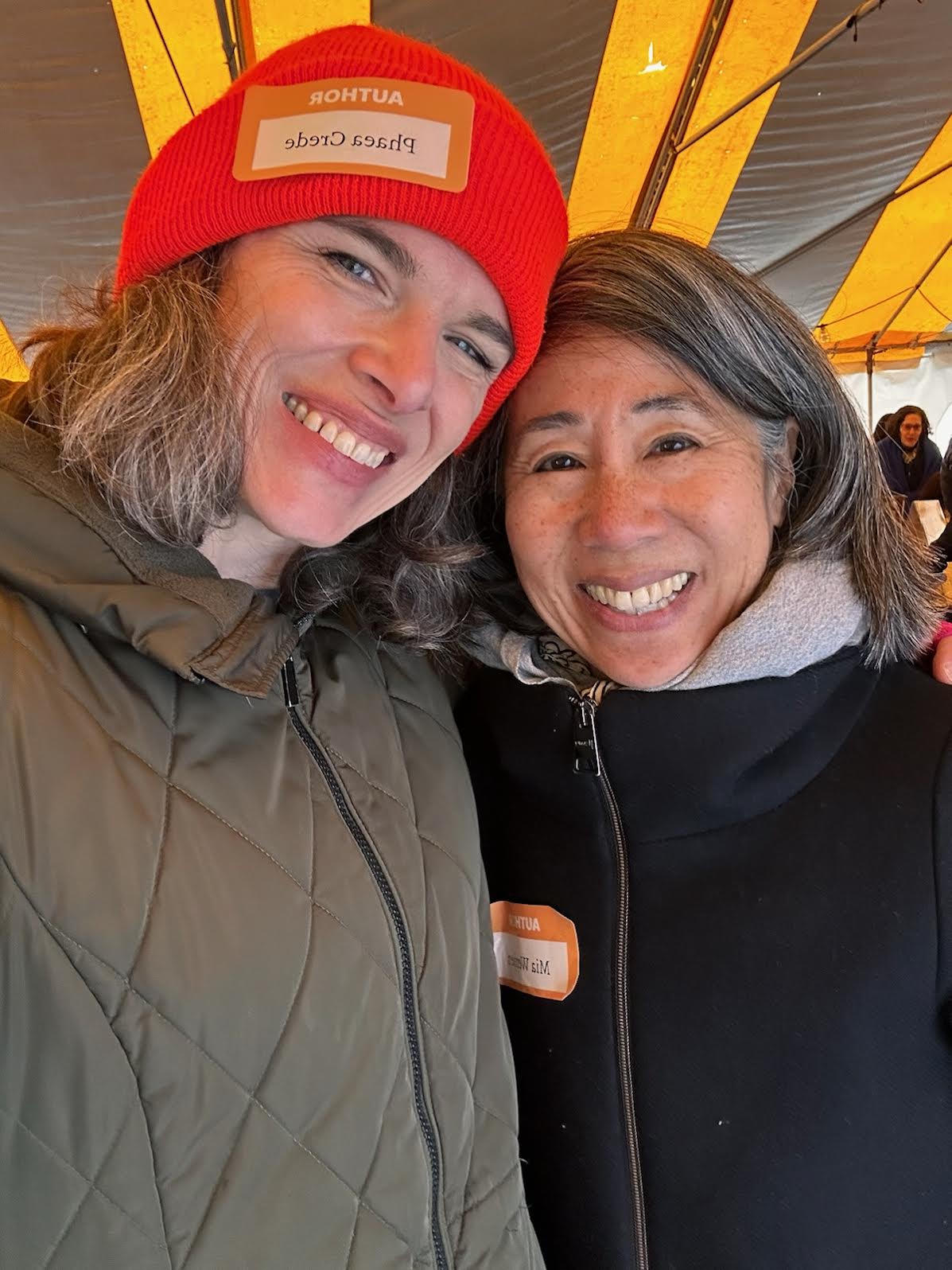
For attending creators, the festival served as both a professional obligation and a joyful reunion. Veteran author Mia Wenjen noted the distinct pleasure of sitting alongside fellow children’s book author Phaea Crede. The two creators first crossed paths years prior at a Barefoot Books event. Since then, Crede’s wildly popular picture book, Jet the Cat (is not a cat!), has transcended domestic markets, undergoing translation into multiple languages and cementing its status as an international hit. For Crede, the Westchester, New York location offered a dual opportunity, allowing her to seamlessly blend professional commitments with a mini New York City family vacation.
Fan-Girl Moments and Nostalgia
Literary festivals frequently evoke a sense of fandom among creators themselves, and the Westchester event was no exception. Wenjen described experiencing classic "fan-girl" moments when interacting with peers whose work has shaped generations of young readers.
Among the notable attendees was the creative team behind the beloved Early Reader Biscuit series. For Wenjen, this encounter held deeply personal significance. The Biscuit series had served as her middle daughter’s cornerstone text when learning to read—an experience so impactful that Wenjen humorously attributes the family’s eventual decision to adopt their first family dog, a Golden Retriever, directly to the literary influence of the iconic yellow puppy.
Weather Contingencies and Adaptability
As the morning progressed, the forecast turned from threatening to active, with intermittent rain showers testing the resilience of the outdoor venue. Demonstrating the adaptability characteristic of seasoned event participants, authors, publishers, and volunteers executed a swift, coordinated pivot. Book displays, signing tables, and promotional materials were briskly shifted deeper under the protective canvas of the tents to evade the raindrops.
Rather than dampening spirits, the brief meteorological disruption fostered a spirit of camaraderie. Attendees huddled closer to browse titles, and the intimate tent layout encouraged deeper conversations between authors and families, transforming a potential logistical crisis into an engaging, cozy literary salon.
Supporting Context & Metrics: The Mechanics of Ticketed Book Festivals
The Ticketed Model vs. Free Admission
One of the most compelling aspects of the Westchester Children’s Book Festival is its operational structure. Unlike the majority of children’s literary festivals—which typically operate on a free-admission, open-access model—this event utilized a ticketed entry system.
Under this framework, families purchased tickets in advance, with a designated portion of the ticket fee converted into credit that could be applied directly toward book purchases at the festival. This structure offers distinct advantages and challenges for event organizers:
Guaranteed Attendance: Because the vast majority of attendees purchased their tickets in advance, organizers were able to secure a committed audience. This pre-commitment effectively insulates the event from weather-related attrition; even with rain threatening the venue, ticket-holders still showed up to redeem their book credits.
Economic Sustainability: Traditional free festivals rely heavily on municipal grants, sponsorships, and donations, which can fluctuate year-to-year. The ticket-and-credit model guarantees a baseline revenue stream while simultaneously driving direct sales for participating authors and independent bookstores.
Equitable Access Considerations: While the ticketed model provides operational stability, organizers must balance pricing structures to ensure that lower-income families are not priced out of community literary experiences. The inclusion of redeemable book credits within the ticket price serves as an effective mechanism to mitigate this barrier, ensuring that the cost translates directly into literary ownership.
The Role of Regional Book Festivals in Modern Literacy
Regional festivals such as the Westchester event play a critical role in early childhood literacy. Industry metrics consistently demonstrate that physical book ownership is directly correlated with improved reading comprehension and academic achievement among children. By bringing authors directly into suburban and rural communities, these festivals democratize access to the literary arts, transforming reading from a solitary classroom task into a celebrated community event.
Official Statements & Reflections
Reflecting on the experience, participating authors emphasized the vital importance of direct engagement with young readers and their parents.
"It is always a good time to sit next to Phaea Crede," remarked Wenjen in her post-event reflections. "We met many years ago at a Barefoot Books event… and it continues to be a big hit! She took advantage of the Westchester, NY, location to turn it into a mini NYC vacation with her family."
Regarding the logistical execution and the unique ticketing structure, organizers and participants alike praised the foresight of the planning committee. The decision to implement an advance-ticket model was lauded as a masterclass in event risk management.
"Most of the book festivals that I go to are free to the attendees, so it was interesting to see how it works," Wenjen noted. "Since most of the people purchased their tickets in advance, it ensured an audience no matter the weather. Thank you again for such a great children’s book festival!"
Future Outlook and Upcoming Literary Events
The success of the Westchester Children’s Book Festival highlights a broader cultural renaissance in children’s literature programming. As families increasingly seek out meaningful, screen-free experiences, literary festivals are expanding in both scale and frequency across the United States.
For followers of the children’s literature community, the calendar remains packed with major upcoming events designed to celebrate storytelling, diversity, and young readership:
The 3rd Annual Newton Children’s Book Festival (2026): A rapidly growing New England staple celebrating regional and national creators.
Chappaqua Children’s Book Festival (2025): A premier New York literary gathering known for drawing thousands of enthusiastic readers.
Westchester Book Festival for Young Readers at Camp Mohawk (April 25): Continuing the tradition of connecting Westchester youth with top-tier talent.
The 2nd Nikkei Children’s Book Festival at the Japanese American National Museum (May 9): A vital cultural celebration highlighting diverse narratives and historical perspectives.
The 3rd Annual Greater Roxbury Book Festival: An inclusive community-centered festival championing diverse voices in contemporary literature.
Featured Works by Contemporary Authors
The vitality of these festivals is fueled by an extraordinary roster of contemporary titles that educate, entertain, and inspire young minds. Prominent works circulating through the festival circuit include:
Barbed Wire Between Us by Mia Wenjen, illustrated by Violeta Encarnación—a poignant exploration of history and resilience.
Fortune Cookies for Everyone! (Smithsonian): The Surprising Story of the Tasty Treat We Love to Eat by Mia Wenjen, illustrated by Colleen Kong-Savage—exploring the surprising cultural history of a ubiquitous culinary icon.
The Traveling Taco: The Amazing and Surprising Journey of Many of Your Favorite Foods by Mia Wenjen—tracing the diverse, cross-cultural roots of children’s favorite meals.
We Sing from the Heart: How the Slants® Took Their Fight for Free Speech to the Supreme Court—an empowering look at civil rights and legal advocacy for young readers.
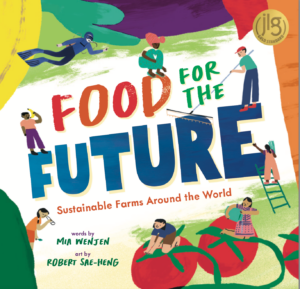
Food for the Future: Sustainable Farms Around the World by Mia Wenjen, illustrated by Robert Sae-Heng—highlighting global ecological stewardship and agricultural innovation.
As these festivals continue to thrive under unpredictable skies and shifting economic models, one constant remains: the timeless magic of a well-told story shared between an author and a child.




Comments
Facebook App ID not configured. Please add it in the Customizer.