The transition into the empty-nest phase of life presents a unique psychological and lifestyle turning point for long-term parents. Initially marked by a quiet house and a distinct sense of absence, this milestone frequently evolves into a liberating chapter defined by autonomy, spontaneity, and self-reinvention. For many couples, this newfound freedom unlocks avenues for exploration that were previously constrained by the logistics, schedules, and varied interests of raising children.
This article investigates the growing cultural trend of empty-nester travel, examining how couples are redefining leisure through unhurried cultural immersion. By casting off the metaphorical "ticking clock" of family-oriented itineraries, modern empty-nesters are reclaiming cultural spaces—most notably art museums and culinary destinations. Using a recent excursion to the Portland Museum of Art in Maine as a primary case study, this report analyzes the shift from hurried family outings to meditative, adult-centric cultural tourism, while also highlighting the broader economic and psychological impacts of this demographic shift on regional tourism hubs.
Detailed Chronology: From Family Obligations to Autonomous Exploration
The Early Years: Navigating Cultural Outings with Children
For decades, the rhythm of domestic life was dictated by school calendars, extracurricular activities, and the compromise required to keep a multi-age household entertained. Cultural excursions—such as visits to fine art museums—frequently required strategic negotiation.
In the author’s household, museum visits were a staple of family life, though they came with built-in limitations. Parents of young children or adolescents are intimately familiar with the "ticking clock" phenomenon: the predictable window of time before fatigue, boredom, or restlessness sets in among younger family members.
The Compromise of Family Itineraries: Art museums, by their very nature, invite slow contemplation, deep looking, and silent appreciation. For children and teenagers, however, static canvases and hushed galleries can quickly lose their appeal. Consequently, family museum trips often turn into brisk, high-level walkthroughs rather than immersive experiences.
The Seeds of Art Appreciation: Interestingly, early exposure to these cultural institutions often leaves a lasting imprint, even if children protest in the moment. In this family’s case, early museum-dragging bore unexpected fruit: two of the children pursued higher education in art colleges, while a third has cultivated a lifelong identity as a passionate art patron and active collector. Thus, while parental patience was tested during those early gallery walks, the foundational seeds of aesthetic appreciation were successfully planted.
The Turning Point: Entering the Empty Nest
The departure of the youngest child for college or independent living initiates a profound domestic restructuring. Initially, the household experiences a sharp emotional adjustment. The sudden absence of daily chatter, laundry baskets overflowing with youth sports gear, and evening homework sessions leaves an echo in the home.
However, psychological research on the empty nest syndrome indicates that initial sadness frequently gives way to a phase often described as the "second honeymoon" or the renaissance of marital autonomy. Over time, couples adapt to the silence by recognizing its underlying asset: complete schedule ownership. Doing "whatever we want, whenever we want" transitions from an abstract concept to a daily reality.
The Contemporary Discovery: Traveling Without Kids
A primary manifestation of this newly found autonomy is the reinvention of travel. Traveling without children allows couples to discard rigid planning models in favor of fluid, spontaneous itineraries.
For empty-nesters who previously prioritized theme parks, child-friendly resorts, or fast-paced educational tours tailored to youth attention spans, adult-only travel opens up a world of slow tourism. Couples can linger over a single painting for an hour, dine late without worrying about pre-bedtime routines, and pivot their travel directions on a whim based on local discoveries.
Supporting Context & Metrics: The Rise of Empty-Nester Tourism
The travel industry has noted a significant surge in adult-only and empty-nester travel packages over the past decade. According to tourism board data across New England, mature travelers aged 55 and older represent one of the fastest-growing demographic segments for weekend getaways and cultural city breaks.
+-----------------------------------------------------------------+
|          GROWTH OF EMPTY-NESTER CULTURAL TOURISM (US)           |
+-----------------------------------------------------------------+
| Year Range   | Primary Focus       | Avg. Trip Length (Days)    |
+--------------+---------------------+----------------------------+
| 2010–2015    | Family/Multi-gen    | 5.4                        |
| 2016–2020    | Mixed / Transition  | 4.1                        |
| 2021–Present | Solo Couples/Adult  | 3.2 (Frequent Weekenders)  |
+-----------------------------------------------------------------+
The Economic Impact on Regional Hubs
Cities like Portland, Maine, have capitalized heavily on this demographic shift. Positioned within comfortable driving distance of major metropolitan areas in the Northeast, Portland offers a sophisticated blend of maritime heritage, world-class culinary scenes, and vibrant arts institutions.
The Cultural Anchor: Institutions like the Portland Museum of Art (PMA) serve as magnets for cultural tourists. Housing extensive collections ranging from historical New England works to European Impressionism, the museum attracts visitors seeking intellectual stimulation without the overwhelming scale of mega-institutions like the Louvre or the Metropolitan Museum of Art.
Culinary Tourism Integration: Modern empty-nesters view dining not merely as sustenance, but as an essential component of cultural exploration. Portland’s robust culinary ecosystem—featuring farm-to-table restaurants, fresh local seafood, and artisan bakeries—complements the museum-going experience, turning a simple afternoon trip into a holistic sensory journey.
Official Statements & Expert Perspectives
To understand the broader implications of this lifestyle shift, cultural analysts and travel psychologists offer valuable insights into why unhurried travel resonates so deeply with mature adults.
"When children leave the home, parents are handed a rare psychological reset button. The urge to explore cultural spaces without the administrative burden of managing children’s engagement allows adults to reconnect with their own intellectual and aesthetic curiosities."
— Dr. Elena Vance, Family Systems Psychologist
Furthermore, curators and museum administrators have noted a distinct change in visitor demographics during weekday and off-peak hours.
"We see a marked increase in couples taking their time in our galleries. Without the pressure of a family schedule, visitors engage more deeply with our special exhibitions and permanent collections. They ask deeper questions, read the wall texts thoroughly, and patronize our museum cafes and shops at a more leisurely pace."
— Regional Art Museum Docent & Visitor Services Coordinator
Case Study: Discovering the Portland Museum of Art
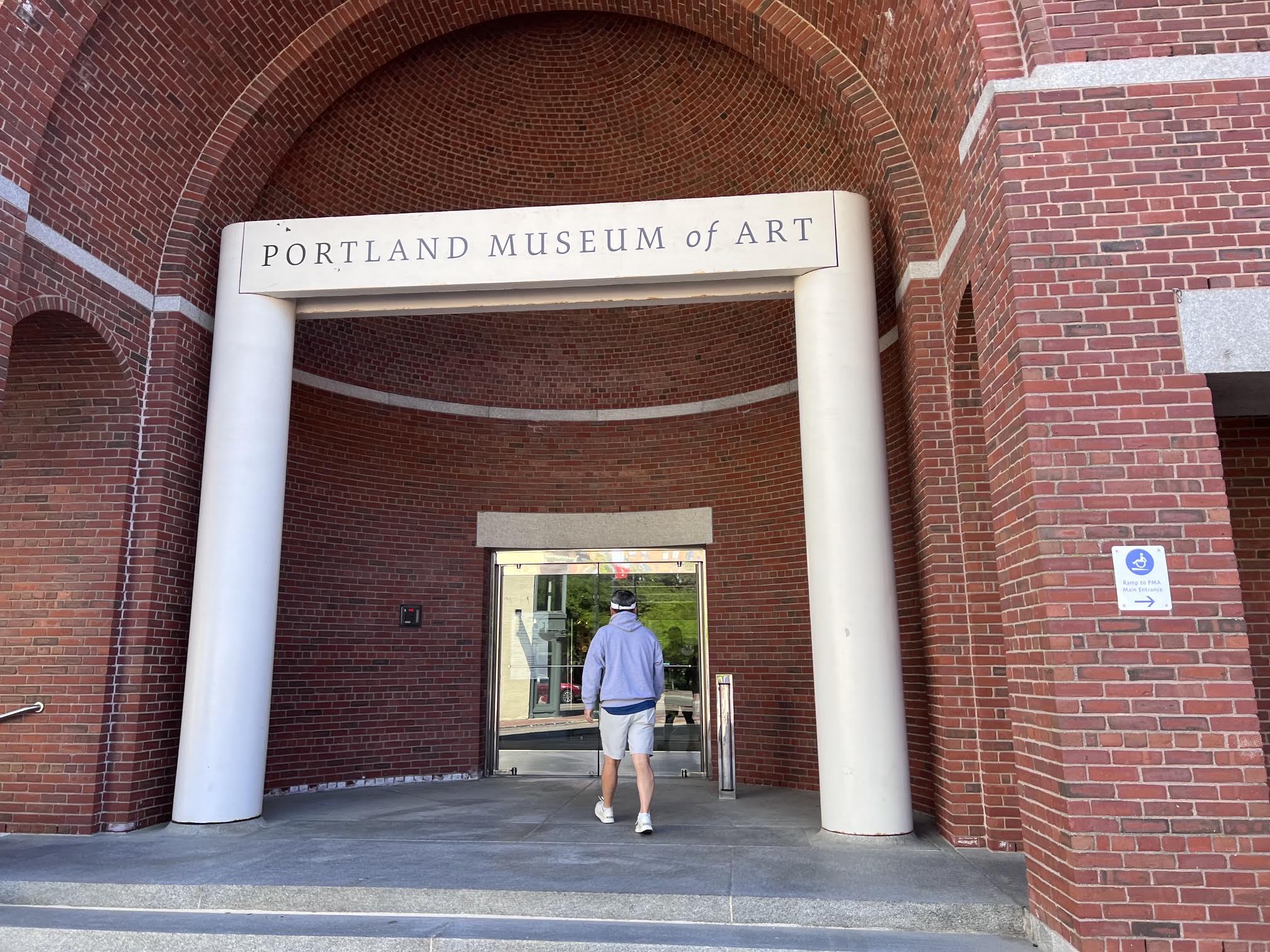
A recent weekend trip to the Portland Museum of Art in Maine serves as an ideal illustration of this new travel philosophy. Located in the heart of Portland’s cultural district, the museum provides an accessible yet deeply rewarding cultural stop.
Navigating the Galleries: A Lesson in Unhurried Discovery
Unlike larger metropolitan museums where visitors often feel pressured to rush through galleries to "see everything," regional museums like the PMA encourage contemplative viewing.
During the recent visit, a serendipitous moment highlighted the joy of unstructured exploration. While navigating the main corridors, one partner nearly bypassed a specialized wing dedicated to Impressionist masterpieces. Fortunately, keen observation and the absence of a ticking clock allowed the couple to spot the gallery entrance.
The resulting experience—spending uninterrupted time taking in the play of light and brushwork characteristic of the Impressionist movement—underscores the exact benefit of child-free travel: the luxury of surprise discovery. No one was asking when they could leave; no one was growing impatient. The art could be appreciated on its own terms.
The Complete Destination Experience
A successful empty-nester getaway extends far beyond gallery walls. Portland’s unique geographic footprint makes it an ideal short-drive destination for residents of the broader New England region. The city’s walkable downtown grid encourages spontaneous strolls past historic architecture, local boutiques, and working waterfronts.
Coupled with a thriving food scene that highlights Maine’s coastal bounty, the trip demonstrated how modern cultural tourism seamlessly bridges aesthetic enrichment with sensory pleasure. As the author noted following the excursion: "Portland is a really fun city with great food. For us, it’s just a short drive. We will be back!"
Future Outlook: The Next Chapter of Empty-Nester Culture
As demographic trends point toward an increasing population of active, healthy older adults, the market for adult-focused cultural tourism will undoubtedly expand. Travel agencies, cultural institutions, and hospitality providers are already adapting their offerings to cater to this discerning audience.
Emerging Trends in Empty-Nester Travel
Slow Travel Movements: Emphasizing depth over breadth, travelers are opting for longer stays in fewer locations, immersing themselves in local art scenes, cooking classes, and community events.
Curated Art and History Trails: Regional tourism boards are designing self-guided driving tours that connect smaller art museums, historic homesteads, and artisan workshops.
Lifelong Learning Vacations: Programs that combine travel with university-led lectures, art workshops, and archaeological digs are seeing unprecedented demand among empty-nesters.
Conclusion
The transition to an empty nest, while initially bittersweet, ultimately opens a dynamic portal to personal rediscovery. By trading the structured, high-stress itineraries of family vacations for the freedom of spontaneous, adult-centric exploration, couples are finding new ways to bond, learn, and enjoy the world around them. Whether it is discovering a hidden impressionist wing at the Portland Museum of Art or simply lingering over a long lunch in a vibrant coastal city, the empty nest proves that some of life’s finest cultural chapters are written later in the journey.













Comments
Facebook App ID not configured. Please add it in the Customizer.