
Executive Overview
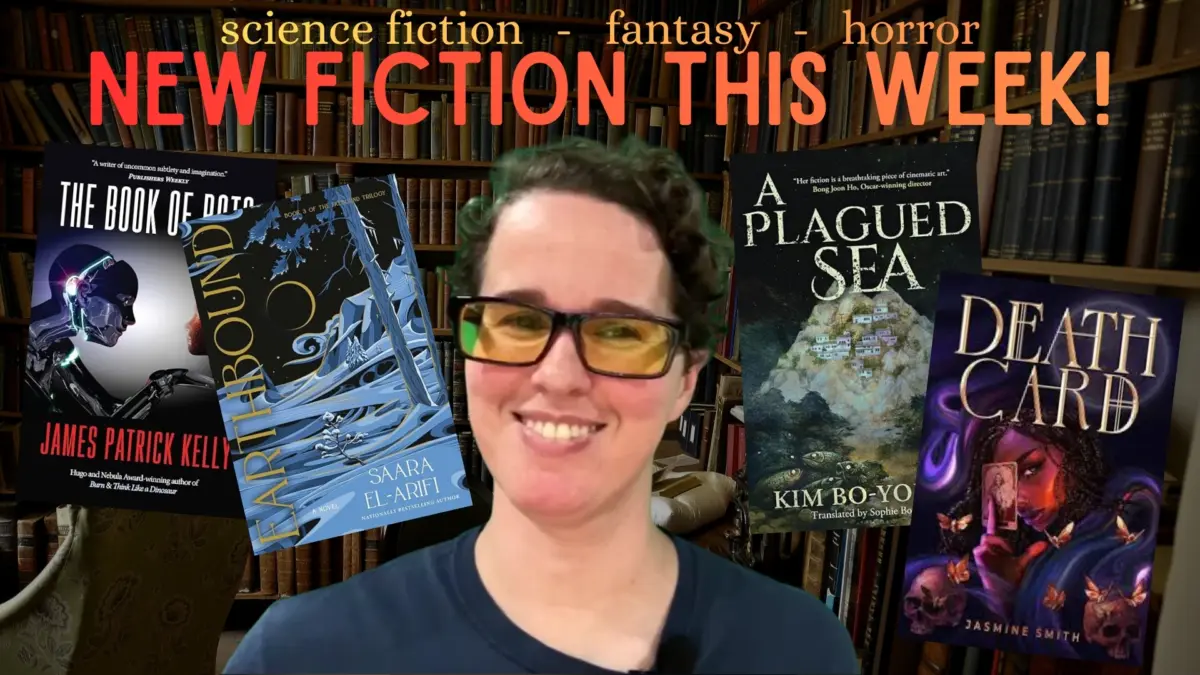
The global publishing industry continues to navigate a landscape defined by rapid technological shifts, evolving consumer behaviors, and systemic financial pressures. On August 11, 2026, the speculative fiction community marked another weekly release cycle, welcoming a diverse slate of new titles across Science Fiction, Fantasy, Horror, and Young Adult (YA) literature. Curated and publicized by Locus magazine—a cornerstone institution of the speculative fiction community since 1968—this weekly cohort of releases serves as a micro-study of the broader structural dynamics currently shaping modern publishing.
As legacy print media and digital platforms converge, the traditional avenues of book discovery are undergoing a profound transformation. The inclusion of multimedia components, such as Locus’s weekly YouTube video roundups, highlights a necessary pivot toward visual-first and algorithmic-friendly content delivery. However, beneath the surface of these exciting new literary offerings lies a more sobering reality: the critical infrastructure that supports genre discoverability, independent criticism, and bibliographical preservation is facing unprecedented financial instability. This report examines the thematic trends of the August 11, 2026 release cycle, the changing metrics of book consumption, and the economic precarity of the institutions tasked with documenting the golden age of speculative fiction.
Detailed Chronology: The August 11, 2026 Release Window
The mid-August publishing window has historically served as a strategic bridge in the literary calendar. Positioned between the high-volume "summer beach read" season and the prestigious autumn release cycle—which typically dominates award-season conversations—the second week of August offers publishers a unique tactical advantage. Titles released during this window face less direct competition from mainstream blockbusters, allowing high-concept speculative fiction to capture a larger share of critical attention.
Read Also
[Late Spring / Early Summer]  --->  [August Mid-Window (Aug 11)]  --->  [Autumn Award Season]
(High-Volume Beach Reads)           (High-Concept Speculative Fiction)  (Prestigious Literary Releases)
Thematic Trends in Science Fiction and Fantasy (SFF)
The titles arriving on shelves on August 11, 2026, reflect several dominant thematic shifts in the speculative landscape:
- Post-AI Humanism: Science fiction releases for this week show a marked departure from dystopian techno-panic, focusing instead on "coexistence narratives." These stories explore the social, domestic, and philosophical realities of living alongside advanced artificial systems, reflecting real-world societal adjustments to automation and synthetic intelligence.
- The Maturation of "Cozy Fantasy": What began as a reactionary micro-trend in the early 2020s has solidified into a permanent publishing sub-genre. The August 11 fantasy offerings prioritize low-stakes, character-driven narratives, local community dynamics, and pastoral settings over traditional epic, world-ending conflicts.
- Eco-Horror and Anthropocene Anxiety: The horror releases of this cycle continue to utilize ecological collapse as a primary source of dread. Rather than relying on traditional supernatural monsters, these works explore the psychological horror of a changing biosphere, blending body horror with environmental realism.
The Role of Multimedia Integration
The August 11 release cycle also demonstrates the publishing industry’s reliance on integrated multi-channel marketing. Locus’s promotional efforts for this week’s lineup centered on a dedicated YouTube broadcast, designed to translate written bibliographical data into engaging, short-form video content. This multimedia approach is no longer optional; it is a structural necessity for reaching modern readers who increasingly rely on video-based curation platforms to build their reading lists.
Supporting Context & Metrics: The Discoverability Engine
The modern speculative fiction market is characterized by a paradox of overabundance. While more books are being published than ever before—driven by the democratization of digital publishing, hybrid models, and traditional house expansions—the visibility of individual titles has plummeted. This phenomenon, known within the industry as the "discoverability crisis," has fundamentally altered how publishers measure success.
+-----------------------------------------------------------------------+
|                       THE DISCOVERABILITY CRISIS                      |
+-----------------------------------------------------------------------+
|                                                                       |
|   [Democratized Digital Publishing]                                   |
|   [Hybrid Publishing Models      ]  ===>  OVERABUNDANCE of Titles     |
|   [Traditional House Expansions  ]                                    |
|                                                                       |
|                                    VS.                                |
|                                                                       |
|   [Shrinking Retail Footprints   ]                                    |
|   [Declining Legacy Book Reviews ]  ===>  DECREASED Title Visibility  |
|                                                                       |
+-----------------------------------------------------------------------+
The Shift in Consumer Behavior
According to industry data from the first half of 2026, consumer discovery pathways have shifted decisively toward visual and peer-to-peer recommendation networks:
| Discovery Channel | Market Share of Influence (Ages 18–34) | Year-Over-Year Change |
|---|---|---|
| Video-First Platforms (YouTube, TikTok, Instagram) | 52% | +8% |
| Algorithmic Recommendations (Online Retailers) | 24% | -2% |
| Traditional Literary Reviews & Magazines | 12% | -4% |
| Word of Mouth / Independent Bookstore Displays | 12% | -2% |
This data explains why legacy platforms like Locus are investing heavily in video content. Without a strong visual presence, even the most rigorous bibliographical curation fails to reach the demographics driving market growth.
The Rise of Crowdfunded and Independent Publishing
A key factor complicating the August 11 release landscape is the growing market share of non-traditional publishing models. Crowdfunded literary campaigns (via platforms like Kickstarter and BackerKit) and direct-to-consumer subscription models now account for a significant portion of speculative fiction revenue. These platforms bypass traditional retail channels entirely, meaning that legacy tracking systems often underreport the actual volume and economic impact of weekly book releases. Consequently, specialized curation sites must work twice as hard to track, verify, and review these decentralized publications.
The Economics of Literary Stewardship
While the production of speculative fiction remains robust, the financial health of the independent institutions that critique, document, and champion the genre is increasingly fragile. The prominent inclusion of a fundraising appeal in Locus’s August 11 bulletin—specifically highlighting their ongoing spring/summer campaign—points to a systemic crisis in arts journalism.
+-------------------------------------------------------------------+
|               THE INDEPENDENT JOURNALISM CRISIS                   |
+-------------------------------------------------------------------+
|                                                                   |
|  [Declining Ad Revenue] + [High Operational Costs]                |
|                                                                   |
|                                |                                  |
|                                v                                  |
|                                                                   |
|         Increased Reliance on Reader/Community Donations          |
|                                                                   |
|                                |                                  |
|                                v                                  |
|                                                                   |
|     Vulnerability of Archival, Bibliographical & Award Programs   |
|                                                                   |
+-------------------------------------------------------------------+
The Non-Profit Model and Reader Support
Locus operates under the umbrella of the Locus Science Fiction Foundation, a 501(c)(3) non-profit organization. This structure is common among high-quality literary journals, which can rarely generate enough advertising or subscription revenue to cover their operational costs in the digital age.
The decline of traditional ad networks has hit niche publications particularly hard. Historically, publishers purchased print ads to promote new releases. Today, those marketing dollars are largely diverted to targeted social media campaigns and influencer partnerships, leaving independent journals reliant on direct reader donations to survive.

The Cost of Archival Preservation
The financial demands on organizations like Locus extend far beyond maintaining a website or producing a weekly video. True literary stewardship involves:
- Archival Maintenance: Preserving decades of historical data, interviews, and bibliographic records that serve as the definitive history of speculative fiction.
- The Locus Awards: Administering democratic, long-running genre awards that provide critical visibility to emerging and established authors.
- Bibliographical Tracking: Painstakingly cataloging every science fiction, fantasy, and horror book published worldwide—a task that automated scrapers and algorithms cannot perform with the necessary accuracy or context.
Without consistent financial support from the community, these vital services risk disappearing, which would leave the genre without an objective, centralized archive.
Official Statements and Industry Perspectives
The challenges and opportunities of the current publishing landscape are echoed by those working on the front lines of literary curation and distribution.
In an industry address earlier this year, representatives from the Locus Science Fiction Foundation emphasized the irreplaceable value of human curation in an era increasingly dominated by automated systems:
"The algorithm can tell you what to read based on what you bought yesterday, but it cannot recognize a groundbreaking shift in the genre before it happens. It cannot conduct a deep-dive interview with an emerging voice, nor can it preserve the historical lineage of speculative fiction. That requires human passion, professional journalistic standards, and a community willing to invest in its own legacy."
Independent bookstore owners have also highlighted how crucial curated roundups are to their survival. Clarissa Vance, owner of The Nebula Hearth bookstore in Portland, Oregon, commented on the value of weekly industry guides:
"For independent booksellers, lists like the ones Locus produces are essential survival tools. We are flooded with hundreds of new titles every single week. Without authoritative, curated overviews that separate the signal from the noise, we cannot make informed stocking decisions. If we lose independent genre journalism, we lose our compass."
Future Outlook: Speculative Fiction in 2027 and Beyond
As the industry looks toward the end of 2026 and the beginning of 2027, several key developments are expected to reshape the speculative fiction ecosystem:
1. The Consolidation of Curation Platforms
The trend of integrating text, video, and community-driven platforms will likely accelerate. We can expect to see more partnerships between legacy publications and digital creators, creating hybrid ecosystems where authoritative criticism meets high-reach social media distribution.
2. The Preservation Struggle
The survival of non-profit literary organizations will depend on their ability to diversify their funding models. This may include expanding membership programs, launching exclusive merchandise, and securing institutional grants to fund archival preservation projects.
3. Continued Genre Evolution
Speculative fiction will continue to act as a cultural mirror, processing rapid technological leaps, climate realities, and shifting human relationships. The demand for stories that offer both escape and critical reflection remains high, ensuring that the creative output of the genre will continue to thrive, even as its distribution networks evolve.
Ultimately, the weekly releases of August 11, 2026, remind us of the enduring power of speculative fiction. However, they also serve as a call to action. The stories that help us navigate the future can only reach us if we support the human-driven systems designed to find, analyze, and preserve them.




Comments
Facebook App ID not configured. Please add it in the Customizer.