
Executive Overview
Music has long served as humanity’s preeminent universal language, but a forthcoming quartet of fall releases posits that it is also our most profound spiritual architecture. From the hallowed workshops of European violinmakers to the secularized commercial ecosystems of the Billboard charts, and from the poetic inquiries of rock legends to the polarizing amplification of political rallies, a new wave of publishing examines how sound shapes the human soul.
Editors and publishing executives across the academic and trade sectors note that this autumn’s lineup underscores a resurgent cultural interest in the transcendent properties of melody and rhythm. Whether exploring ancient invocations to the divine or contemporary concerns over the weaponization of worship, these four titles collectively suggest that music does far more than entertain—it anchors identity, challenges worldviews, and provokes existential reckonings.
"As early as human history, in every religious tradition, there has been chanting, singing, playing sounds in invocation to God or gods," observes Sharmila Sam, editorial director for Harvard University Press. When executed with intentionality, music possesses a unique capacity to reframe our posture toward the broader world. "What music can do when it’s done well is to help us rethink our relationship to the other, rethink our relationship to the earth, and help us understand purpose and meaning in life," adds Richard Brown, senior acquisitions editor for Bloomsbury Academic.
Read Also
As readers prepare for the autumn publishing season, this curated selection of four forthcoming titles offers a comprehensive look at the intersection of divinity, culture, commerce, and ideology. Spanning craftsmanship, historical analysis, cultural criticism, and cautionary political commentary, these works map the vast terrain where the human ear meets the infinite.

Detailed Chronology: A Season of Sonic Spirituality
The autumn publishing schedule rolls out these four distinct explorations across September, October, and November, each offering a unique lens through which to examine the intersection of sound and spirit.
September 2025: Craftsmanship and Caution
Kicking off the season in September are two books that operate at the extreme opposite poles of the musical ecosystem: the intimate, meditative creation of acoustic art and the public, systemic politicization of congregational song.
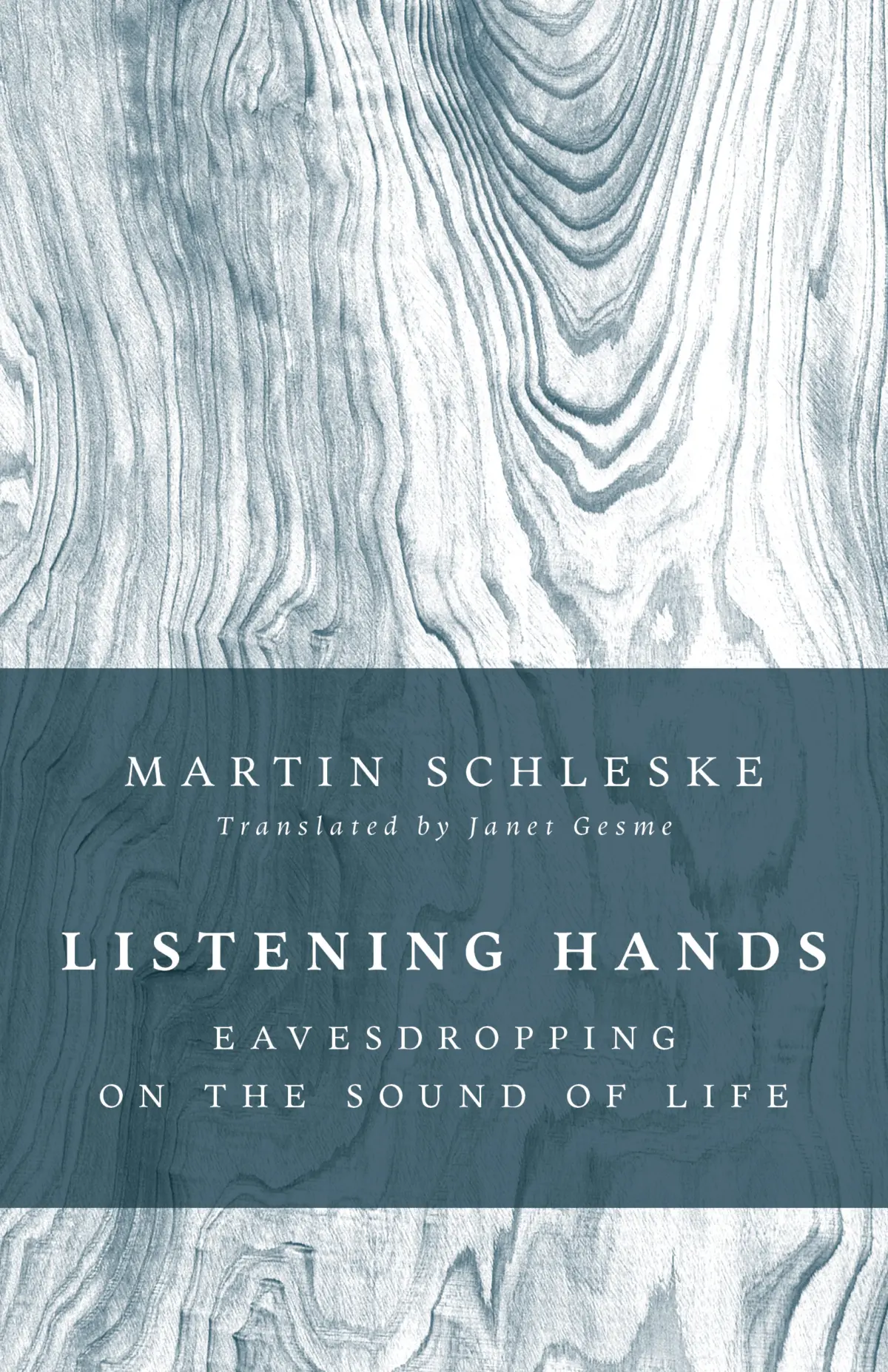
- Eerdmans introduces Listening Hands: Eavesdropping on the Sound of Life by Bavarian master violinmaker Martin Schleske. The book offers an introspective look at the sacred geometry of lutherie, framing every stroke of the carving knife and every selection of alpine spruce as an act of devotion.
- Broadleaf Books releases Weapons of Worship: How the Songs of Evangelicalism Form the Soundtrack of Extremism by Rick Pidcock. This timely and provocative text shifts the focus from acoustic craftsmanship to ideological mechanics, examining how modern praise anthems are integrated into political movements.
October 2025: The Secular Search for Grace
The literary wave deepens in October with a wide-ranging critical evaluation of popular songcraft and spiritual seeking.
- Bloomsbury Academic publishes The Spirit in the Sky: The Power of Music in Our Search for Graceland by Jeff Crosby. Drawing on the works of 17 iconic musicians, Crosby treats deep listening as an ascetic, contemplative practice capable of surfacing profound questions regarding suffering, justice, and existential hope.
November 2025: The Evolution of Sacred Commerce
The season culminates in November with a critical historical examination of industry shifts within Black gospel music.

- Harvard University Press brings forth The Platinum Age of Gospel: The Years When Crossover Music Changed Everything by Charisse Barron. Spanning a tumultuous two-decade period from 1993 to 2013, Barron’s work investigates the complex friction between institutional church traditions and mainstream commercial success.
Supporting Context & Metrics: The Cultural Mechanics of Sound
To fully appreciate the weight of these four publications, one must examine the broader cultural and industrial contexts in which they operate. Music is rarely created in a vacuum; it is shaped by economic pressures, shifting demographics, and the digital transformation of media consumption.
The Materiality of Devotion: Listening Hands
In Listening Hands, Martin Schleske bridges the gap between material science and metaphysics. The publication arrives at a time when modern society is increasingly alienated from physical labor and tactile creation. By detailing the rigorous, meditative choices behind crafting a professional-grade violin, Schleske pushes back against a culture of instant digital gratification. Acquiring editor Lisa Ann Cockrel notes that the book challenges readers to recognize how physical discipline mirrors spiritual formation. In Schleske’s workshop, "wood becomes music and craftsmanship becomes prayer," reminding audiences that human identity is forged through intentional interaction with the material world.
The Commercialization of the Spirit: The Platinum Age of Gospel
Charisse Barron’s The Platinum Age of Gospel addresses a monumental shift in American religious and musical demographics. Between 1993 and 2013, the ecosystem of Black gospel music underwent an unprecedented evolution. Historically functioning as the immutable soundtrack of Black Christian history and ecclesiastical community, the genre experienced intense pressure to cross over into mainstream Black popular music.
Concurrently, the shifting economics of the Christian music industry saw white worship music creators and commercially dominant hip-hop acts alter the landscape of the Billboard gospel charts. Barron, operating from her dual perspective as a practicing minister, gospel singer, and Harvard music professor, provides a rigorous critique of how these commercial pressures redefined the boundaries between sacred expression and secular marketability.

The Canon of Existential Rock: The Spirit in the Sky
Jeff Crosby’s exploration in The Spirit in the Sky engages with a tradition of secular-spiritual seeking that defined late 20th-century popular music. By examining 17 diverse artists—spanning countercultural icons like Bob Dylan, Paul Simon, Mavis Staples, and Marvin Gaye to introspective poets like Laura Nyro—Crosby argues that secular pop and rock often function as modern psalms. In an era where traditional institutional religious affiliation is on the decline in the West, millions turn to popular music for existential grounding. Crosby posits that deep listening to these artists constitutes a spiritual exercise, providing listeners with a secular liturgy for processing grief, joy, and moral responsibility.
The Threat of Ideological Appropriation: Weapons of Worship
Perhaps the most urgent and culturally contentious release of the quartet is Rick Pidcock’s Weapons of Worship. The book tackles the phenomenon of contemporary evangelical worship songs—such as the widely sung anthem How Great is Our God—being repurposed as the thematic backdrop for political rallies and nationalist movements, colloquially termed "Christian Trumpism." This trend raises critical questions regarding the ethics of art. When a song written to direct corporate adoration toward the divine is deployed in a partisan political context, its theological DNA is fundamentally altered. Pidcock’s exploration serves as a vital diagnostic tool for understanding the contemporary marriage of religious fervor and political polarization in Western democracies.
Official Statements and Editorial Insights
The overarching philosophy guiding these four releases is illuminated by the editors and publishers who shepherded them to print. Their commentary reveals a publishing industry increasingly eager to address the deep-seated spiritual hunger of the contemporary reading public.
- Sharmila Sam (Harvard University Press): Emphasizing the historical continuity of human expression, Sam notes that the impulse to create sacred sound is as old as civilization itself. Whether through ancient chants or modern studio recordings, music acts as an elemental invocation.
- Richard Brown (Bloomsbury Academic): Stressing the transformative potential of well-crafted art, Brown argues that music possesses an unmatched ability to recalibrate human empathy. By challenging our tribal instincts, music forces us to reconsider our relationship with our neighbors and the natural world, while providing a framework for discovering ultimate meaning.
- Valerie Weaver-Zercher (Broadleaf Books): Addressing the delicate balance between critique and reverence in Weapons of Worship, senior acquiring editor Weaver-Zercher clarifies the book’s intent. "This is not a takedown of Christian worship practices," she asserts. Instead, the book invites rigorous theological discernment. "When you worship, you’re addressing God, and to turn a worship song into a political setting is really giving a different theological swing to it."
- Lisa Ann Cockrel (Eerdmans): Highlighting the sacramental view of daily life presented in Listening Hands, Cockrel points out that Schleske’s work as a luthier serves as a metaphor for divine grace. The book reminds readers that "God is working through the things of our lives that shape us and that we shape."
Future Outlook: The Ongoing Evolution of Music and Meaning
As these four titles land on bookshelves this fall, they collectively signal a mature turn in cultural and music criticism. The artificial boundary dividing "sacred" and "secular" music is increasingly recognized as porous and inadequate for describing the complex ways humans derive meaning from sound.

Looking forward, the discourse surrounding music’s spiritual dimensions is likely to intensify. In an age marked by hyper-connectivity, political fragmentation, and rapid technological disruption—including the rise of artificial intelligence in music generation—the human need for authentic, grounded spiritual expression becomes ever more acute.
Whether through the quiet focus of a Bavarian violin workshop, the critical analysis of historical gospel charts, the poetic excavations of rock icons, or the urgent political warnings of modern hymnody, this publishing season demonstrates that music remains our most reliable mirror. It reflects our highest aspirations, our deepest griefs, and our enduring, restless search for grace.





Comments
Facebook App ID not configured. Please add it in the Customizer.