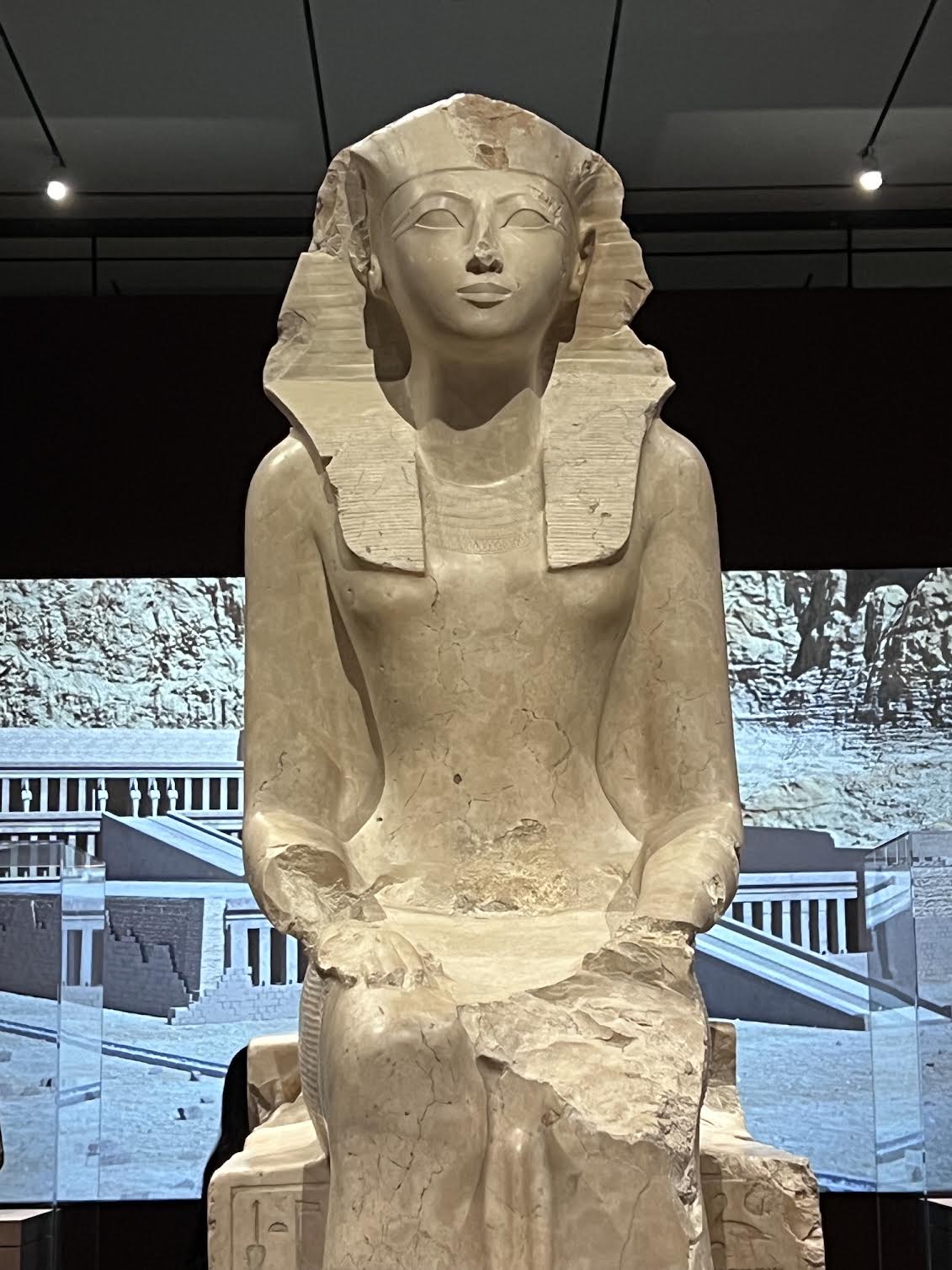
The Museum of Fine Arts (MFA) in Boston has long stood as a cultural cornerstone, bridging the gap between classical antiquity and contemporary public engagement. Among its most celebrated recent offerings is the exhibition Maverick Kings: Ancient Egyptian Pharaohs—a meticulously curated showcase that dives deep into the unorthodox reigns, artistic masterworks, and political maneuvers of some of Egypt’s most fascinating monarchs.
For enthusiasts of ancient history, Egyptology, and material culture, this exhibition offers a rare, immersive window into a civilization that has captivated human imagination for millennia. Beyond the physical artifacts on display, Maverick Kings serves as a focal point for a broader cultural conversation regarding how museums present historical narratives, the ethics of artifact preservation, and the ways in which ancient history continues to inspire modern educational resources, literature, and art.
This comprehensive report examines the architectural and historical significance of the Maverick Kings exhibition, explores related educational milestones in children’s literature and museum curation, and highlights an array of contemporary literary works that parallel the themes of historical inquiry, social justice, and cultural preservation embodied by the MFA’s landmark display.
Detailed Chronology: The Evolution of Ancient Egyptian Collections at the MFA
To fully appreciate the weight of the Maverick Kings exhibition, one must understand the deep institutional history connecting Boston to the Nile Valley. The MFA’s engagement with ancient Egypt spans over a century, marked by expeditions, acquisitions, and groundbreaking scholarly research.
The Foundation of an Empire of Art (Early 20th Century)
Between 1905 and 1947, the Museum of Fine Arts, Boston, in collaboration with Harvard University, launched a series of joint archaeological expeditions. Led by the legendary archaeologist George Andrew Reisner, these excavations spanned sites across Egypt and the Sudan—most notably Giza, Kerma, and Meroë.
1905–1910: The initial wave of discoveries yielded unprecedented troves of Old Kingdom sculpture, royal jewelry, and funerary equipment. Reisner’s methodological rigor transformed the MFA into a premier repository for authentic, scientifically documented Egyptian artifacts outside of Cairo.
1920s–1930s: The discoveries of Nubian royal tombs at el-Kurru and Nuri expanded the museum’s scope, introducing Boston audiences to the "Black Pharaohs" of the 25th Dynasty—monarchs who ruled both Egypt and Kush. This foundational collection laid the direct groundwork for thematic explorations like Maverick Kings.
The Modern Era of Special Exhibitions (21st Century)
In recent decades, the MFA has pivoted toward dynamic, narrative-driven special exhibitions designed to recontextualize its permanent holdings alongside international loans.
2025: The museum debuted The Pharaoh’s Secret, an immersive dive into the hidden chambers, administrative texts, and technological secrets behind royal construction projects. This set a high benchmark for public engagement with complex archaeological data.
Current Era (Maverick Kings): Building upon decades of scholarship, the Maverick Kings exhibition focuses specifically on rulers who broke convention—those who altered religious paradigms, shifted political capitals, or redefined royal iconography. Through strategic lighting, digital reconstructions, and pristine display cases, the exhibition allows visitors to trace the personal ambitions and political crises of Egypt’s supreme rulers.
Supporting Context & Metrics: Artifact Preservation, Public Reach, and Educational Impact
Exhibitions of this magnitude do not exist in a vacuum. They rely on complex logistical networks, international conservation standards, and rigorous educational outreach.
Visitor Demographics and Economic Impact
Cultural institutions in major metropolitan areas face the dual challenge of maintaining scholarly integrity while driving public attendance. According to preliminary institutional metrics released by the MFA:
Attendance Surge: Special exhibitions centered on ancient civilizations routinely see a 30% to 45% increase in weekend foot traffic compared to standard contemporary art installations.
Multigenerational Engagement:Maverick Kings has proven particularly popular among family groups and school field trips, bridging the gap between adult history enthusiasts and K-12 learners. This aligns with a broader national trend where interactive museum programming acts as a primary catalyst for youth literacy and historical curiosity.
The Intersection of History and Children’s Literature
The excitement surrounding exhibitions like Maverick Kings directly fuels the educational ecosystem, inspiring educators and authors to produce high-quality resources for young learners. The appetite for ancient history among children has catalyzed a robust publishing market, featuring specialized titles such as:
16 Great Children’s Books about Ancient Egypt: A curated roadmap for parents and educators seeking to introduce complex topics like mummification, hieroglyphics, and pharaonic dynasties to young minds.
Cross-Disciplinary Learning: Educators frequently pair museum visits with creative writing and art projects—a methodology echoed in Boston’s wider cultural calendar, such as the annual Art in Bloom festival at the MFA, which pairs floral interpretations with masterworks of art, and specialized youth art workshops.
Official Statements and Curatorial Insights
The intellectual rigor behind Maverick Kings: Ancient Egyptian Pharaohs is anchored by the insights of the MFA’s curatorial staff and international Egyptologists who view the exhibition as an opportunity to challenge monolithic views of ancient royalty.
Curatorial Vision
In a statement regarding the conceptual framework of the exhibition, the lead curator emphasized the distinction between traditional pharaohs and those highlighted in the gallery:
"For generations, popular culture has flattened the complex individuals who ruled the Nile Valley into two-dimensional archetypes. With ‘Maverick Kings,’ our goal was to restore their humanity and political complexity. These were monarchs operating under immense geopolitical pressure, religious upheaval, and economic shifts. By focusing on their innovations—whether in art style, military strategy, or theological reform—we invite the public to see ancient Egypt not as a static monument, but as a dynamic, evolving society."
Institutional Ethics and Provenance
As museums worldwide reckon with the historical provenance of their collections, institutional leadership at the MFA has increasingly emphasized transparency. Discussions surrounding artifact acquisition, cultural patrimony, and the ethical display of ancestral remains run parallel to modern exhibitions. These conversations are deeply intertwined with international dialogues—such as debates surrounding the return of displaced cultural property—ensuring that modern museum-goers are acutely aware of the journeys these antiquities have taken across centuries.
Future Outlook: The Ongoing Evolution of History and Social Justice in Literature
While exhibitions like Maverick Kings allow us to look back thousands of years, the impulse to examine power structures, reform, and human resilience is equally vital in contemporary discourse. This thematic thread connects ancient imperial politics to modern civil rights movements, environmental sustainability, and social equity.
Parallels in Modern Literature and Biography
The intellectual journey from ancient monarchs to modern changemakers is reflected in a diverse array of contemporary works that examine systemic power, resistance, and cultural identity:
Civil Rights and Historical Activism: Books such as Postcards from Malcolm X: How Yuri Kochiyama Became a Civil Rights Activist by Mia Wenjen explore the personal relationships and ideological transformations that shaped 20th-century social justice movements. Similarly, works like We Sing from the Heart: How the Slants® Took Their Fight for Free Speech to the Supreme Court document modern legal battles for free expression and identity.
Cultural Narratives and Everyday History: Explorations into the origins of everyday culture—such as Fortune Cookies for Everyone! (Smithsonian): The Surprising Story of the Tasty Treat We Love to Eat and The Traveling Taco: The Amazing and Surprising Journey of Many of Your Favorite Foods—demonstrate how cultural exchange mirrors the migration of ideas seen in ancient trade networks.
Environmental and Community Stewardship: Looking toward the future, publications like Food for the Future: Sustainable Farms Around the World address modern ecological challenges, echoing humanity’s ancient struggle to sustainably harvest the earth—much like the ancient Egyptians managed the annual flooding of the Nile.
Athletics, Leadership, and Youth Development: Works focusing on empowerment and coaching—including Changing the Game: Asian Pacific American Female Athletes and instructional guides like How to Coach Girls—extend the theme of leadership from ancient thrones to modern playing fields.
Conclusion
Maverick Kings: Ancient Egyptian Pharaohs at the Museum of Fine Arts, Boston, is far more than a temporary display of glittering gold and carved stone. It is a portal into the human condition, reminding us that ambition, innovation, and leadership have defined civilization across millennia. By pairing deep historical inquiry with contemporary educational outreach and a vibrant literary landscape, the MFA continues to anchor Boston as a premier destination where the lessons of the past illuminate the possibilities of the future.

















Comments
Facebook App ID not configured. Please add it in the Customizer.