
EXECUTIVE OVERVIEW
For millions of writers worldwide, November was historically synonymous with a singular, daunting literary pilgrimage: National Novel Writing Month, universally known as NaNoWriMo. For a quarter of a century, the 30-day challenge to draft a 50,000-word manuscript served as the ultimate crucible of creativity. It provided an unmatched combination of structural accountability, global camaraderie, and psychological momentum, pulling aspiring authors out of the shadowy realms of procrastination and into the tangible reality of completed prose.
However, following the structural dissolution of NaNoWriMo last year after 25 years of operation, the literary landscape has undergone a profound decentralization. The sudden void left behind by the organization catalyzed a renaissance in digital and community-led writing initiatives. Today, a robust ecosystem of alternative platforms, software suites, and collective movements has emerged to fill the gap. These modern iterations are not merely clones of their predecessor; they are evolved, specialized, and often better tailored to the nuanced needs of contemporary authors.
Read Also
Whether an author is attempting to conquer a sprawling epic fantasy, craft a tightly wound mystery, or simply establish a sustainable daily habit of putting pen to paper, the post-NaNoWriMo ecosystem offers a mosaic of paths forward. This comprehensive guide explores how writers can assess their commitments, leverage gamified tracking, tap into educational resources, rebuild community connections, and select the ideal challenge to revitalize their creative practice this season.
DETAILED CHRONOLOGY: THE EVOLUTION OF THE WRITING CHALLENGE
To understand where the literary community stands today, it is essential to trace the historical progression of accelerated writing challenges and the pivotal shift that occurred following the conclusion of the NaNoWriMo era.
The Rise of the 30-Day Sprint (1999–2023)
When NaNoWriMo was founded in 1999, the internet was a fundamentally different place. What began as a local challenge among a small group of friends in San Francisco rapidly burgeoned into a global phenomenon, fueled by the democratization of web forums, digital word processors, and social media. The formula was simple yet radical: suspend your inner critic, prioritize raw output over polish, and generate 50,000 words in 30 days—averaging 1,667 words per day.
For 25 years, this model trained generations of writers to silence perfectionism. It proved that volume could conquer stagnation. Local municipal liaisons organized "write-ins" at coffee shops and libraries, knitting together a vibrant tapestry of isolated creators into a unified global workforce.
The Turning Point and Decentralization (2024–Present)
When NaNoWriMo officially shut its doors, it sent shockwaves through the writing community. Questions regarding data privacy, institutional moderation, and the changing demands of digital non-profits had fractured the organization’s foundation. Overnight, hundreds of thousands of writers found themselves unanchored.
Rather than letting the tradition of accelerated drafting fade into obscurity, tech developers, critique groups, and literary platforms stepped into the breach. Platforms that once served as supplementary tools—such as word-count trackers and editing software suites—pivoted to host structured challenges of their own. This decentralized shift meant that instead of relying on a single monolithic institution, writers now have access to a diversified portfolio of challenges tailored to different genres, experience levels, and psychological motivations.
SUPPORTING CONTEXT & METRICS: MAPPING THE MODERN CHALLENGE LANDSCAPE
Navigating this new landscape requires a strategic approach. Writers must evaluate challenges not just by their end goals, but by the infrastructure they provide along the way. Modern writing initiatives generally fall into several distinct categories, each characterized by specific metrics, durations, and technological integrations.
Time and Word Commitments: Finding the Right Cadence
One size rarely fits all in creative writing. While the classic 50,000-word November benchmark remains popular, many writers find its daily 1,667-word requirement prohibitive, particularly those balancing full-time employment, familial responsibilities, or academic careers.
- The Heavyweights (Traditional 30-Day Challenges): For those seeking a direct spiritual successor to November’s flagship event, programs like ProWritingAid’s Novel November and AutoCrit’s Novel90 step up to the plate. Both run throughout November, challenging participants to generate 50,000 words. Crucially, these programs have evolved the traditional model by sandwiching the drafting phase between preparatory guidance in October and structured editing tips in December.
- The Sprinters (Short-Duration Challenges): Not every project requires a novel-length commitment. Initiatives like 1,000 Words of Summer condense the sprint down to an intense two-week window. Similarly, organizations like StoryADay cater specifically to short-story writers who prefer completing discrete narrative units rather than tackling a sprawling manuscript.
- The Custom Pathfinders: For maximum flexibility, independent tracking tools such as TrackBear and OnlineWritingLog empower writers to define their own parameters. OnlineWritingLog, for instance, allows users to design bespoke challenges or join private user-generated events, offering a tailored approach to accountability.
Psychological Frameworks and Gamification
Human psychology heavily influences productivity. Recognizing that the blank page can induce anxiety, modern challenge creators have integrated sophisticated motivational mechanics into their platforms.
+-------------------------------------------------------------------+
                   MODERN WRITING MOTIVATION MODELS
+-------------------------------------------------------------------+
|  Gamification (4thewords)    -> Defeat monsters via word counts   |
|  Competitive Leaderboards    -> Novel90 real-time tracking         |
|  Sensory Engagement          -> Rough Draft curated playlists      |
|  Monetary Stakes (Reedsy)    -> $5,000 prize + literary agent      |
+-------------------------------------------------------------------+- Gamified Productivity: Platforms like 4thewords treat drafting like a role-playing game (RPG), requiring users to defeat virtual monsters by hitting self-imposed daily word quotas.
- Competitive Accountability: Programs like Novel90 feature real-time leaderboards, allowing writers who thrive on peer comparison to track their output against a global cohort.
- Atmospheric Enhancement: Tools like Rough Draft incorporate curated music playlists designed to induce flow states and block out environmental distractions.
- Stakes and Rewards: At the high end of the incentive spectrum, Reedsy Studio hosts a competition for participants who complete its November Novel Sprint. The winner receives a $5,000 cash prize and a coveted direct consultation with a literary agent.
Beyond digital badges and leaderboards—such as the progress milestones awarded by ProWritingAid for hitting word count targets or attending mentorship sessions—authors are increasingly adopting historical serial models and self-reward systems. Sending weekly serialized scenes to a circle of beta readers, much like Charles Dickens or Alexandre Dumas in the 19th century, creates external pressure that keeps momentum high. Pairing these milestones with tangible personal rewards—such as treating oneself to a favorite bakery item after 5,000 words or booking a spa day upon reaching 20,000 words—reinforces positive behavioral loops.
OFFICIAL STATEMENTS & EXPERT INSIGHTS: BALANCING CRAFT AND COMMUNITY
Transitioning from solitary scribbling to structured, communal output requires a shift in mindset. Experienced challenge organizers and veteran authors emphasize that the primary value of these programs lies less in the raw word count and more in the psychological transformation of the writer.
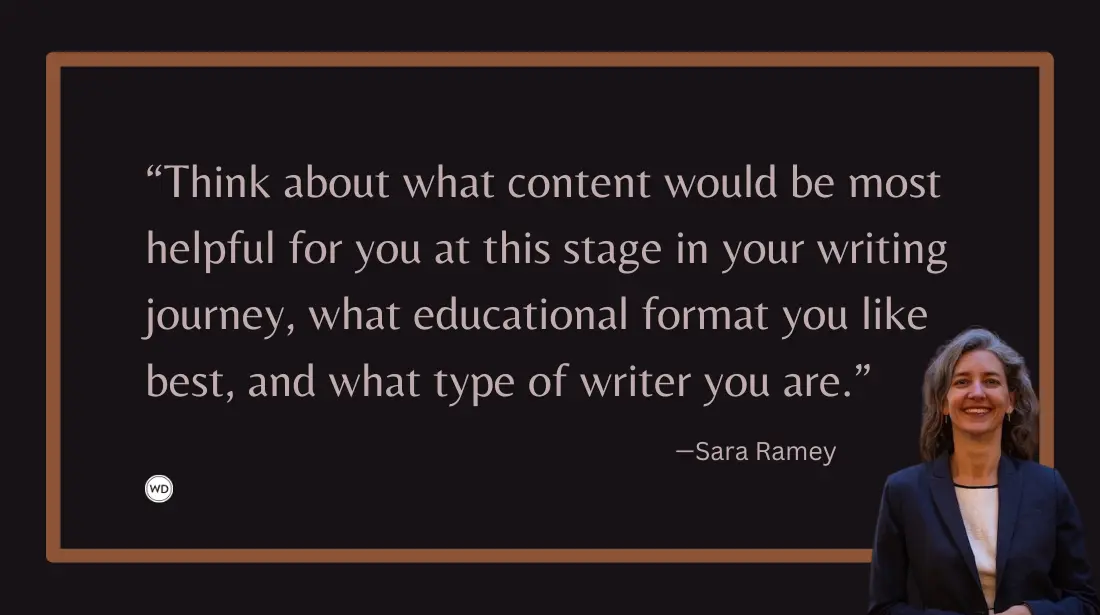
Industry mentors consistently point out that the greatest enemy of a first draft is not poor grammar or weak plotting, but the internal censor. "The beauty of a 30-day challenge is that it forces you to outrun your inner critic," notes one prominent developmental editor specializing in debut fiction. "When you are required to produce 1,500 words a day, you simply do not have the cognitive bandwidth to go back and rewrite Chapter One. You are forced forward into the narrative wilderness, which is precisely where the magic happens."
Furthermore, modern educational frameworks integrated into challenges have evolved to respect the diverse psychological profiles of creators. For example, introductory programs like Novel90 intentionally segment their educational tracks to accommodate different writing styles:
- Planners (Outliners): Writers who require exhaustive structural blueprints before typing the first sentence.
- Pantsers (Discovery Writers): Creators who prefer to plunge into the narrative blind, letting characters dictate the trajectory.
- Plantsers: A hybrid demographic that establishes directional milestones while leaving room for organic discovery.
By tailoring author guidance, technique tips, and live Q&A sessions to these distinct working methods, contemporary challenges ensure that participants receive contextual support rather than generic advice.
The Resurgence of Local and Hybrid Communities
While the physical infrastructure of NaNoWriMo’s official municipal regions has largely receded, the human desire for shared suffering and triumph has not diminished. Writers are actively reclaiming public and digital spaces to forge local bonds.
- Global Meetup Networks: Organizations like Shut Up & Write! maintain active databases spanning more than 400 cities worldwide, hosting regular, low-pressure co-working sessions in local cafes and libraries.
- Hybrid Formats: Initiatives such as Write & A Pint combine online support frameworks with physical meetups in urban centers like London, proving that the traditional pub write-in remains a potent engine for creative output.
- Digital Sprints: Virtual co-working spaces and online chat groups utilize synchronized writing sprints, allowing a writer sitting in rural Montana to log on and generate prose alongside peers in Tokyo and Toronto.
The consensus among community leaders is clear: writing may be a solitary act, but building a sustainable writing career is a collective endeavor. Scheduling dedicated times to convene with others grappling with the same creative hurdles provides an invaluable layer of emotional and structural resilience.
FUTURE OUTLOOK: THE ROAD AHEAD FOR WRITERS
As we look toward upcoming drafting seasons and the broader literary horizon, the evolution of writing challenges signals a maturation of the online creator economy. The post-NaNoWriMo landscape is characterized by abundance, specialization, and flexibility.
Writers are no longer shoehorned into a single monolithic model dictated by a centralized non-profit. Instead, they can curate a personalized toolkit of applications, community groups, and timed challenges that adapt to their changing life circumstances. Whether an author chooses to tackle ProWritingAid’s Novel November, test their speed on a two-week summer sprint, or construct a custom accountability schedule using independent tracking logs, the fundamental takeaway remains unchanged.
Consistency trumps perfection. By embracing structured constraints, leveraging modern technological and gamified incentives, and anchoring oneself within supportive local or digital communities, the daunting task of writing a novel becomes entirely manageable—one word at a time.



Comments
Facebook App ID not configured. Please add it in the Customizer.