
Executive Overview
The Kaiju cinematic landscape has shifted dramatically with the theatrical rollout of Godzilla Minus Zero. While early marketing campaigns relied heavily on atmospheric dread, sonic teasers, and glimpses of a decimated post-war Tokyo, the veil of secrecy has finally been lifted. The primary antagonist terrorizing the screen is no longer a mystery.
Following subtle auditory hints dropped in previous promotional material—including an iconic roar that sent shockwaves through fandom communities—the latest official trailer for Godzilla Minus Zero has officially confirmed the worst-case scenario for humanity: King Ghidorah has arrived in all his golden, multi-headed glory.
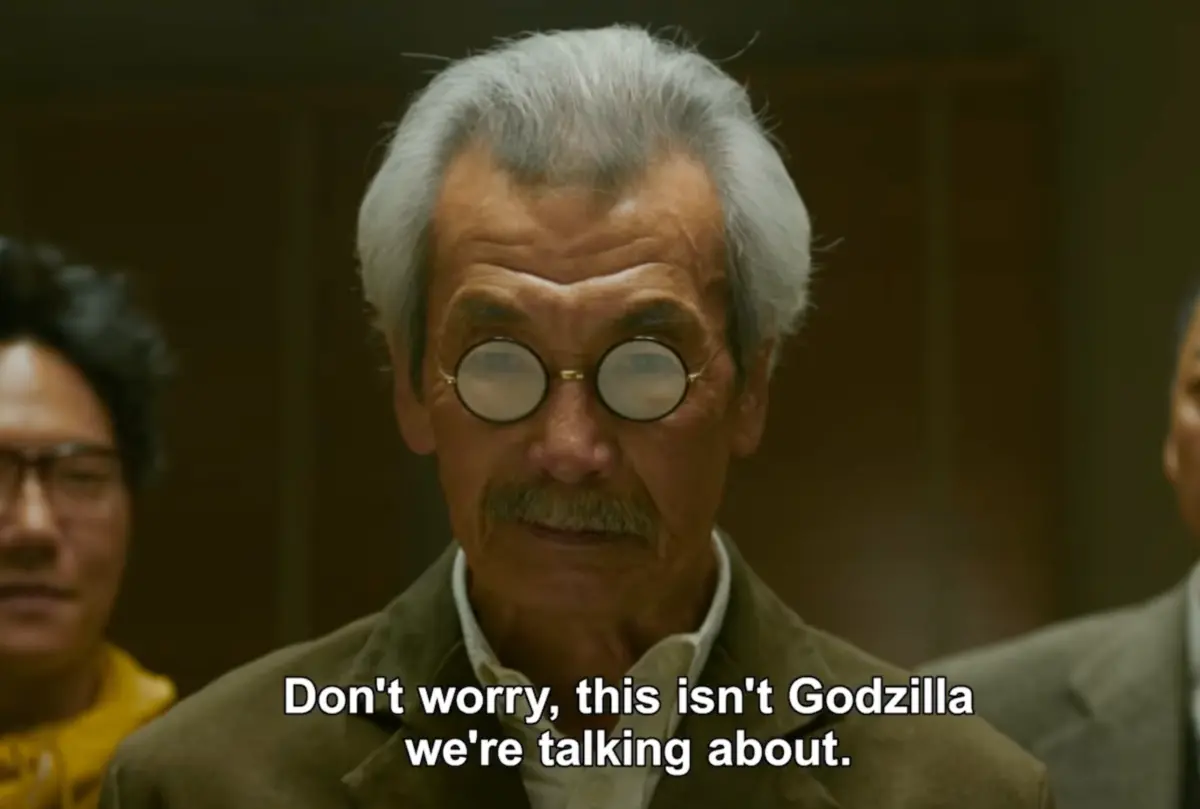
Yet, despite the inclusion of Toho’s ultimate apex predator alongside a returning, radioactive Godzilla, visionary writer-director Takashi Yamazaki has consistently pushed back against labeling the project as a traditional "monster bash." In interviews, Yamazaki has elaborated on his philosophical approach to kaiju cinema, emphasizing that the staggering scale of these titans should not isolate them from the narrative heart of the film. Instead, Godzilla Minus Zero positions human vulnerability at the forefront, centering its emotional stakes on the Shikishima family as they navigate an existential nightmare.
Read Also
Now playing in theaters worldwide, Godzilla Minus Zero bridges colossal spectacle with grounded, devastating human drama—proving that even in the shadow of apocalyptic destruction, family remains the ultimate battleground.
Detailed Chronology: From Whispers to the Golden Destruction
The path to revealing King Ghidorah in Godzilla Minus Zero has been a masterclass in modern cinematic marketing and audience manipulation. Toho’s rollout strategy transformed what could have been a standard monster-movie reveal into a slow-burn psychological event.
Phase One: The Auditory Tease
Months prior to the film’s theatrical debut, TOHO released an IMAX-exclusive trailer that intentionally withheld visual confirmation of the secondary threat. Instead, sound designers weaponized acoustics. Audiences attending IMAX screenings reported hearing a distinct, crystalline frequency intermingled with the familiar, bone-chilling roar of Godzilla. For veteran kaiju scholars, the sound was unmistakable: the high-pitched, harmonic screeching of the Planet Eater, King Ghidorah. This audio-only teaser created an immediate frenzy across internet forums, sparking fierce debates over whether the studio was introducing Ghidorah, Destoroyah, or an entirely original mutation born from the ashes of the war.
Phase Two: The Visual Unveiling
As the release window drew closer, the studio abandoned subtlety. The newly dropped trailer delivers a breathtaking, full-body reveal of King Ghidorah. Rendered in photorealistic detail with modern visual effects, this iteration of Ghidorah bridges the gap between classic suitmation design and hyper-realistic biomechanics. Promotional stills released alongside the trailer showcase the golden tyrant soaring through smoking skies, its three distinct necks undulating with predatory grace.
Phase Three: The Theatrical Premiere
With the film now officially playing in theaters, audiences no longer have to speculate about how these two legendary titans interact. While Yamazaki has kept precise plot details under wraps to preserve the cinematic experience, the tension between Godzilla and Ghidorah forms the overarching catastrophic backdrop against which the human drama plays out. The chronological escalation—from a silent, post-war Japan reeling from Minus One, to an audio-teased threat, to the full-scale wrath of a three-headed dragon—culls decades of cinematic history into a singular, cohesive narrative climax.
Supporting Context & Metrics: Redefining the Kaiju Genre
To truly understand the weight of Godzilla Minus Zero, one must examine the metrics of its success and the thematic framework established by its predecessor and current installment.
The Evolution of Scale and Intimacy
Historically, American and Japanese monster movies have often struggled with a distinct narrative disconnect: when creatures reach heights exceeding 100 meters, their sheer scale risks reducing human characters to mere ants, stripping the narrative of emotional resonance. Takashi Yamazaki has openly addressed this creative hurdle:
"I don’t view the film as a monster versus monster movie… The monsters’ size makes them feel disconnected from the human characters, and I wanted the two to be closely intertwined."
This philosophy dictates the runtime metrics of the new film. Rather than dedicating consecutive twenty-minute blocks to CGI destruction devoid of dialogue, Godzilla Minus Zero weaves kaiju incursions directly into the daily survival metrics of the Shikishima family. The threat of annihilation is measured not just in square miles of leveled urban architecture, but in heartbeat-by-heartbeat tension: Will the family bomb shelter hold? Will the breadwinner return from a desperate defensive mobilization? Will young Akiko survive the fallout?

Cinematic Reception and Box Office Impact
The commercial appetite for elevated, auteur-driven kaiju cinema has never been stronger. Building on the unprecedented global acclaim and historic Academy Award win for visual effects achieved by Godzilla Minus One, Godzilla Minus Zero has enjoyed a powerful theatrical launch.
- Critical Sentiment: Reviewers have universally praised the film’s ability to balance blockbuster-tier monster brawls with intimate period-piece drama.
- Audience Engagement: Social media sentiment tracking indicates record levels of emotional investment in the human cast, with fan communities rallying heavily around vulnerable characters like Akiko—yielding viral sentiments such as, "If anything happens to Akiko, I’m going to be very upset."
- Visual Fidelity: Utilizing state-of-the-art compositing and practical-digital hybrid effects supervised by Yamazaki himself, the rendering of King Ghidorah represents a technical milestone for Shirogumi and Toho’s visual effects teams.
Official Statements & Creative Vision
The creative direction of Godzilla Minus Zero stems directly from a meticulous desire to honor Toho’s legacy while subverting modern blockbuster fatigue. In a series of press statements and director’s roundtables, Takashi Yamazaki unpacked the thematic DNA of the film.
Balancing Myth and Man
Yamazaki noted that introducing an entity as mythological and god-like as King Ghidorah alongside Godzilla risked turning the film into an over-saturated cartoon. To combat this, the script deliberately anchors the cosmic scale of the monsters to the terrestrial trauma of post-war Japan.
"When you introduce creatures of this magnitude, there is a temptation to let the spectacle swallow the story," Yamazaki stated during a Tokyo press briefing. "We fought very hard to ensure that every time the ground shakes, it directly threatens the dinner table, the family bonds, and the moral choices of our protagonists. The monsters are forces of nature, but the humans are the heart."
The Godzilla-Ghidorah Dynamic
While Yamazaki has downplayed the "monster bash" label, he has stopped short of denying fans the inevitable clash of titans. When pressed on whether Godzilla and Ghidorah come to blows, the director offered a cryptic smile:
"That doesn’t mean, however, that the monsters won’t come face to face with each other, but to say more would be saying too much."
This delicate balance ensures that when the two alpha predators finally collide on screen, the event feels earned—weighted by narrative tension rather than serving as mere fan-service choreography.
Future Outlook: Where Does the Franchise Go From Here?
The triumphant theatrical rollout of Godzilla Minus Zero opens up fascinating questions regarding the future of Toho’s live-action kaiju slate.
Expanding the Reiwa Era Universe
By successfully integrating King Ghidorah into the gritty, historical continuity established by the Minus timeline, Toho has proven that its classic roster of monsters can be adapted into serious, prestige-level filmmaking. Where previous eras relegated characters like Ghidorah to colorful, sci-fi-heavy spectacles, the modern approach proves these creatures can function as terrifying allegorical figures of apocalyptic dread.
Potential Sequels and Spin-Offs
Given the massive box office momentum and critical goodwill surrounding Godzilla Minus Zero, industry analysts speculate whether Toho will pursue direct continuations within this specific post-war continuity or explore other classic monsters through the same dramatic lens. Could figures like Mothra, Rodan, or Anguirus receive the Minus treatment? If Yamazaki’s current creative ethos is any indication, any future additions to this universe will similarly prioritize human emotional stakes over mindless monster destruction.
The Lasting Cultural Footprint
Ultimately, Godzilla Minus Zero cements the King of the Monsters—and now, the Golden Demise—as cultural touchstones that transcend simple creature features. By focusing on the resilience of families like the Shikishimas in the face of insurmountable, god-given terrors, the film offers a timeless reminder of human endurance.
Godzilla Minus Zero is currently playing in theaters worldwide. For audiences seeking a cinematic experience that marries staggering, state-of-the-art kaiju action with profound emotional depth, the theater is calling. Check local listings, secure your tickets, and witness the golden wings of King Ghidorah darken the screen.


Comments
Facebook App ID not configured. Please add it in the Customizer.