
Executive Overview
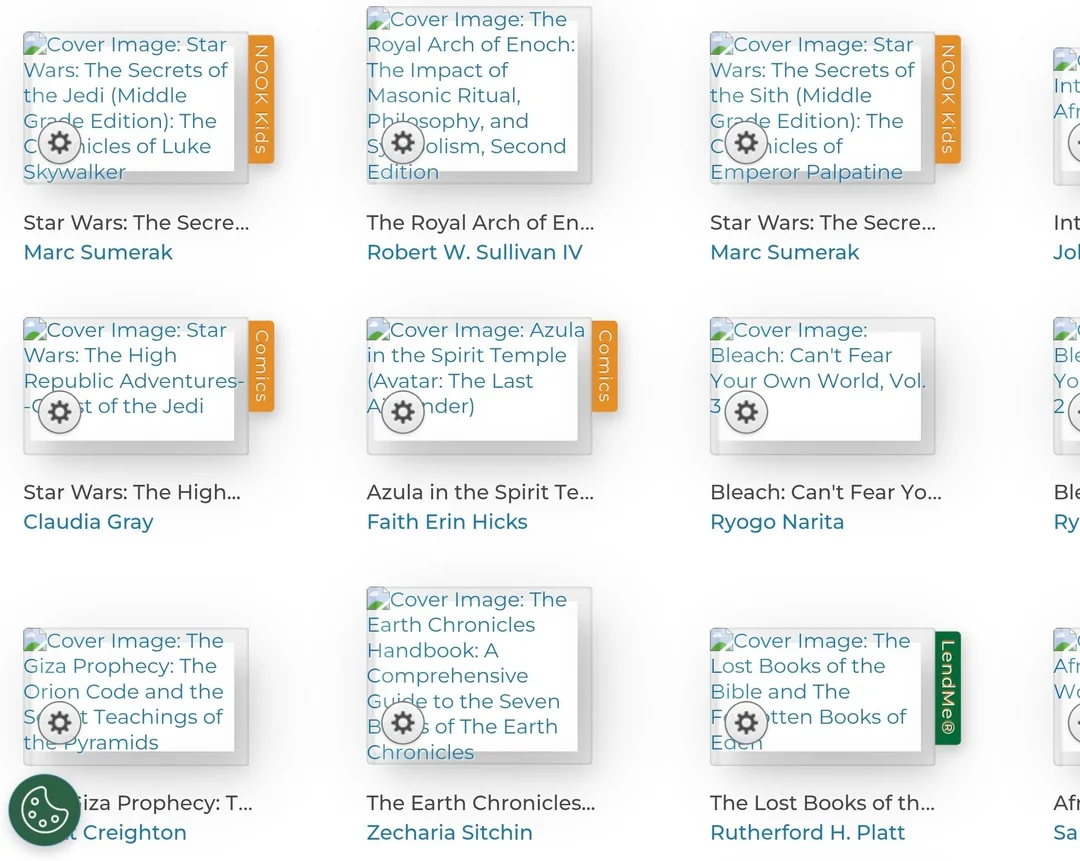
For the past three weeks, a peculiar and frustrating digital blackout has plagued the Barnes & Noble NOOK ecosystem. Users across the globe have opened their digital libraries only to be greeted by a sea of blank, gray placeholders where vibrant book covers once stood. This widespread metadata failure impacts a vast cross-section of the retailer’s digital real estate, affecting dedicated e-reading hardware—such as the NOOK GlowLight 4 and NOOK GlowLight 4 Plus—as well as specialized tablets running the proprietary NOOK Hub interface.
The glitch is not confined to dedicated hardware. Readers utilizing the official NOOK mobile applications for Android and iOS, alongside those managing their libraries directly through the Barnes & Noble desktop and mobile websites, report the exact same visual corruption. While the internal text formatting, page-turning capabilities, and reading progression metrics remain largely unaffected once a book is opened, the loss of cover art has severely degraded the user experience. For avid readers with expansive digital libraries, navigating a grid of identical, blank icons turns the simple act of choosing a book into an exercise in guesswork.
Compounding user frustration is the apparent sluggishness of Barnes & Noble’s response. Observers and affected consumers alike note that initial customer support channels seemed caught off guard, highlighting a persistent corporate blind spot: physical book sales—hardcovers and paperbacks—continue to dominate the bookseller’s revenue streams, frequently sidelining digital customer support integration. However, following public outcry and direct inquiries from industry watchdogs, Barnes & Noble has finally acknowledged the backend malfunction, promising a corrective software patch in the near future. This incident casts a revealing light on the vulnerabilities of cloud-dependent digital libraries and the delicate synchronization required between remote servers and local e-reader clients.
Read Also
Detailed Chronology: How the NOOK Glitch Unfolded
Week One: The First Reports and Initial Confusion
The issue first materialized in early August 2026, initially appearing as an isolated synchronization error. Early reports trickled into online communities like Reddit and specialized e-reader forums from users noticing that newly purchased titles lacked cover art. At first, affected readers assumed it was a localized Wi-Fi glitch or a temporary server hiccup. Many attempted standard troubleshooting protocols: restarting their devices, clearing app caches, logging out and back into their Barnes & Noble accounts, and even performing factory resets on devices like the NOOK GlowLight 4 Plus.
None of these measures worked. By the end of the first week, the problem expanded from newly acquired titles to long-standing purchases deeply embedded in user accounts. Users switching between their smartphones and e-readers noticed that the missing metadata followed them across platforms, signaling a centralized server-side failure rather than a hardware-specific bug.
Week Two: The Spread Across Ecosystems and Support Frustrations
As the glitch entered its second week, it became unmistakably systemic. Owners of Android and iOS devices running the NOOK app found their digital bookshelves stripped of visual identity. Simultaneously, users logging into the Barnes & Noble web browser interface discovered that their cloud-based libraries mirrored the blank-cover phenomenon.
During this phase, customer support agents appeared unequipped to handle the influx of technical inquiries. Because Barnes & Noble’s corporate identity remains heavily anchored in physical retail and traditional print inventory, digital support representatives were initially unfamiliar with the scope of the metadata failure. Patrons reported receiving generic troubleshooting advice—such as reinstalling apps or checking router connections—that failed to address the root of the problem. Frustration mounted as community boards filled with complaints about the lack of official communication from the bookseller.
Week Three to Present: Official Acknowledgment and Waiting for a Patch
Entering the third week of the blackout, pressure from tech journalists and disgruntled consumers prompted a clearer response from corporate channels. Barnes & Noble formally recognized the issue, attributing the visual anomalies to a backend metadata failure rather than a security breach or data loss.
As of today, while the technical teams actively work on a remediation strategy, users remain in a holding pattern. The company has advised patrons to monitor for upcoming software and browser updates that will implement the necessary server-side and client-side fixes. Nevertheless, the prolonged absence of a definitive patch has reignited conversations regarding the reliability of digital ownership and the dependence of modern e-readers on unbroken cloud connectivity.
Supporting Context & Metrics: The Anatomy of an E-Reader Metadata Failure
To understand why a missing cover image causes such significant disruption, one must examine how modern e-reading ecosystems function. E-books are not merely digital text files; they are complex packages containing text markup (such as EPUB or proprietary formats), style sheets, navigation tables, and metadata files (OPF documents) that dictate how a book is presented to the user interface.
[Publisher Server] ---> (Metadata & Cover Art) ---> [B&N Cloud Database]
                                                           |
                                                (Sync Failure / Glitch)
                                                           |
                    +--------------------------------------+--------------------------------------+
                    |                                      |                                      |
            [NOOK Hardware]                        [Mobile Apps]                           [Web Library]
        (GlowLight 4 / 4 Plus)                     (Android / iOS)                     (B&N Browser Portal)
                    |                                      |                                      |
                    +--------------------------------------+--------------------------------------+
                                                           |
                                         [Result: Blank Gray Placeholders]
The Role of Metadata in Digital Libraries
When a user purchases a book from the Barnes & Noble online store, the transaction triggers two primary data transfers:

- The Content Payload: The actual text and embedded illustrations of the book, downloaded to local storage or accessed via cloud streams.
- The Metadata Package: Information detailing the book’s title, author, publication date, ISBN, and high-resolution cover artwork.
While the content payload downloads successfully—explaining why readers can open and read their books without encountering corrupted text—the link retrieving the cover art metadata has broken. The local device or app requests the image asset from Barnes & Noble’s content delivery network (CDN), but the server either returns a null value or fails to translate the image path, resulting in the default gray placeholder blocks currently plaguing user libraries.
Cross-Platform Vulnerability Analysis
The fact that this glitch simultaneously impacts dedicated E Ink devices, mobile applications, and web browsers points directly to a centralized database or API (Application Programming Interface) failure.
- Dedicated E-Readers: Devices like the NOOK GlowLight series rely on low-power processors and customized firmware. When API endpoints change or fail to deliver image tokens, these streamlined devices lack the rendering capacity to bypass the error, resulting in blank tiles.
- Mobile Apps (Android & iOS): Modern smartphone apps handle dynamic caching much better than E Ink devices. However, if the server-side database holding the image URLs is misconfigured, even aggressive app caching will fail once local caches expire or fail to validate against the corrupted server.
- Web Interfaces: Web browsers render HTML/CSS based on live server responses. The presence of blank covers across desktop and mobile browsers confirms that the issue persists at the master database level, well before any client-side application interprets the data.
Official Statements and Corporate Response
As public frustration intensified, official channels at Barnes & Noble issued statements clarifying the nature of the technical glitch and outlining steps toward resolution.
In a formal response provided to industry publication Good e-Reader, a Barnes & Noble spokesperson stated:
"We understand and apologize for the ongoing issue related to your NOOK covers being blank. We have identified this issue and our backend team is working on it. A fix will be implemented in the near future so we kindly ask that you allow some time for the fix to be added in. Please check for software updates for the /web browser to ensure it has been updated added once it is available. Thank you for your patience and understanding in this matter."
Evaluating the Corporate Response
While the statement provides official confirmation that engineers are actively engaged with the problem, industry analysts note several concerning takeaways from the rollout:
- Timeline Vagueness: Phrases like "in the near future" offer little concrete reassurance to users who have already endured three weeks of degraded service.
- Support Disconnect: The initial delay in recognizing the bug underscores a structural divide within legacy booksellers transitioning into digital spaces. Companies whose core competencies revolve around physical inventory often struggle with rapid-response software engineering, resulting in delayed triage times when digital platforms experience critical failures.
- Client-Side Action Requirements: The recommendation to check for browser and software updates indicates that the fix may require both backend database corrections and client-side application updates, potentially dragging out the full restoration process.
Future Outlook: Implications for the NOOK Ecosystem and Digital Reading
The current NOOK metadata crisis serves as a case study in the fragile nature of modern digital ownership. As physical media continues to cede ground to digital downloads and cloud libraries, incidents like this highlight the hidden dependencies that tether consumers to corporate infrastructure.
Building Resilience in E-Reading Platforms
For Barnes & Noble, this episode highlights the urgent need to modernize its digital infrastructure. To remain competitive against dominant rivals like Amazon’s Kindle ecosystem and Kobo, the bookseller must invest heavily in robust backend architecture, proactive system monitoring, and cross-platform synchronization reliability. A seamless user interface is no longer an optional luxury; it is the primary battleground for customer loyalty in the digital publishing market.
Consumer Takeaways and the Future of Digital Libraries
For readers, the disappearing book covers raise familiar anxieties regarding cloud dependency. When a user’s library depends entirely on a remote server’s ability to serve metadata, any corporate oversight or technical glitch directly degrades the user experience.
As Barnes & Noble prepares to roll out its forthcoming software patches, affected users are advised to:
- Keep their NOOK devices, mobile apps, and web browsers updated to the latest available versions.
- Exercise patience as backend engineering teams re-index and restore corrupted image metadata paths.
- Utilize local backup options where available to protect personal reading archives from server-side anomalies.
Ultimately, while the text within the pages remains safe, the return of colorful, recognizable book covers to NOOK libraries will mark a welcome restoration of order to a digital shelf-life temporarily stripped of its visual identity.

Comments
Facebook App ID not configured. Please add it in the Customizer.