
Executive Overview
In January 2023, an unimaginable tragedy shook the affluent suburb of Duxbury, Massachusetts. Lindsay Clancy, a 32-year-old nurse and mother of three, committed an act of catastrophic violence in the basement of her family home, strangling her three young children—aged five years, three years, and eight months—with exercise resistance bands. She then attempted to end her own life by ingesting prescription medication, slashing her wrists and neck, and throwing herself from a second-story window. The fall resulted in severe spinal trauma, leaving her permanently paralyzed from the sternum down.
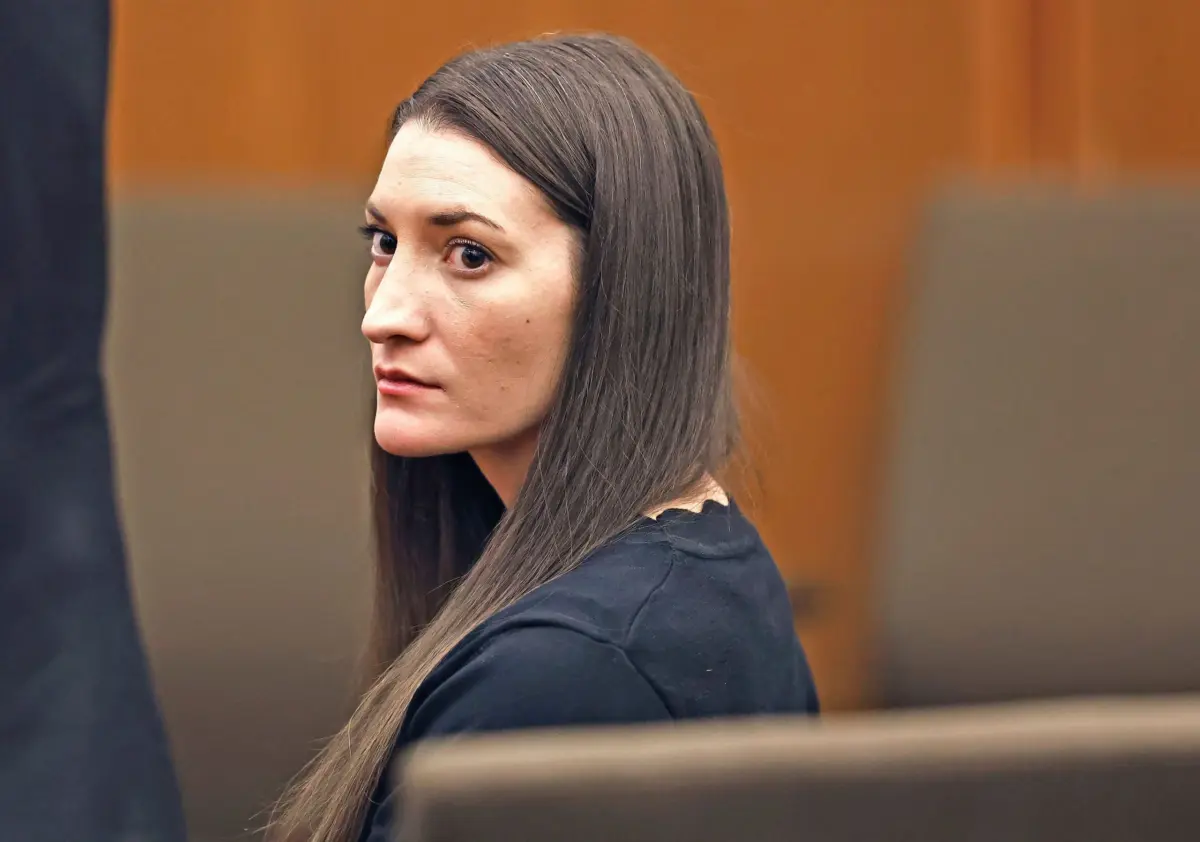
Today, Clancy stands at the intersection of a high-stakes criminal trial, massive civil litigation, and an unprecedented social media firestorm. Facing three counts of first-degree murder in Plymouth, Massachusetts, Clancy has entered a plea of not guilty by reason of insanity. Her defense contends that she was suffering from severe, undiagnosed postpartum psychosis—a rare and poorly understood psychiatric emergency—compounded by an aggressive, uncoordinated regimen of prescription drugs.
Simultaneously, civil lawsuits have been launched by both Lindsay and her former husband, Patrick Clancy, targeting multiple healthcare providers and facilities for medical negligence. They allege that clinical oversight failed at every level, subjecting Lindsay to improper drug combinations that worsened her psychiatric instability rather than treating it.
Read Also
As proceedings unfold live on camera, the case has evolved beyond a tragic courtroom drama. It has become a lightning rod for national debates regarding maternal mental healthcare reform, systemic failures in psychiatric prescribing, and the disturbing rise of viral, algorithm-fueled true-crime sleuthing.
Detailed Chronology
[Late Fall 2022] --------------------------------------------------------
• Lindsay Clancy experiences escalating anxiety, dissociation, and paranoia.
• Undergoes multiple brief telehealth consultations with healthcare providers.
• Rapidly prescribed various SSRIs, sedatives, and antipsychotics.

[December 31, 2022] -----------------------------------------------------
• Voluntarily checks into McLean Psychiatric Hospital seeking urgent care.

[January 5, 2023] -------------------------------------------------------
• Discharged from McLean Hospital after less than a week to prepare for her daughter's birthday.

[January 24, 2023] ------------------------------------------------------
• Evening: Patrick Clancy leaves home to run errands (picking up dinner and stopping at CVS).
• Lindsay asphyxiates children (ages 5, 3, and 8 months) using resistance bands.
• Lindsay attempts suicide, surviving a second-story jump that leaves her paralyzed.
• Patrick returns, discovers the scene, and contacts emergency services.
• Lindsay suffers cardiac arrest at the hospital; requires resuscitation.

[Early February 2023] --------------------------------------------------
• Plymouth District Attorney issues arrest warrant; Lindsay is arraigned from her hospital bed.

[Early 2024] ------------------------------------------------------------
• Lindsay files civil lawsuit against 8 healthcare providers/facilities alleging negligence.
• Patrick files wrongful-death lawsuit against two physicians and two facilities.

[August 2024] -----------------------------------------------------------
• Criminal trial proceedings in Plymouth reach critical evidentiary phases.
• Graphic forensic testimony and controversial prosecution cross-examinations draw intense public reaction.
The Escalation of Mental Distress
In the late fall and early winter of 2022, Lindsay Clancy sought medical help for debilitating anxiety, severe insomnia, intrusive thoughts, and emotional detachment. Over several months, she engaged in numerous short-duration telehealth appointments—often lasting no longer than 17 minutes—with primary care doctors, psychiatrists, and psychiatric nurse practitioners.
During these sessions, Clancy was routinely prescribed new combinations of Selective Serotonin Reuptake Inhibitors (SSRIs), sedatives, and antipsychotic medications. On at least one occasion, a practitioner prescribed three distinct psychiatric medications during a single appointment. Despite expressing feelings of paranoia and an inability to care for her children, clinicians failed to recognize that she was presenting symptoms of bipolar disorder with postpartum onset.
Desperate for relief, Clancy called a national suicide prevention hotline twice. On New Year’s Eve in 2022, she checked herself into McLean Hospital, a renowned psychiatric facility in Belmont, Massachusetts. However, she was discharged less than a week later, returning home to care for three children under six years old while under a heavy, fluctuating pharmaceutical regimen.
The Events of January 24, 2023
Nineteen days after her release from McLean Hospital, Patrick Clancy left the family home in Duxbury to pick up a takeout order and purchase medication at a local CVS. The trip took under an hour.
During this short window, Lindsay Clancy used exercise resistance bands to asphyxiate her three children—five-year-old Cora, three-year-old Dawson, and eight-month-old Callan—in the basement. She then cut her own neck and wrists, ingested pills, and jumped from a second-story window into the backyard.
Upon returning, Patrick found his wife lying bloody and motionless outside. In recorded emergency audio and police testimony, Patrick panicked upon discovering the situation, shouting to first responders, "She killed the fucking kids!"
Emergency crews found the three children unresponsive in the basement. Cora and Dawson were pronounced dead shortly after arrival at the hospital, while baby Callan survived on life support for three days before succumbing to his injuries.
Lindsay was transported to a regional trauma center in critical condition, suffering severe hypothermia with a core body temperature recorded at 82°F—a dangerously low reading attributed to trauma, blood loss, and prolonged exposure to winter weather. She also suffered a cardiac arrest requiring two resuscitation attempts and suffered severe spinal cord damage that resulted in permanent paraplegia. Two weeks later, while still intubated, she was formally arraigned on murder charges directly from her hospital bed.
Supporting Context & Medical Metrics
Postpartum Psychosis and Diagnostic Oversight
Postpartum psychosis (PPP) is a severe medical emergency that affects approximately 1 to 2 per 1,000 mothers postpartum. Unlike postpartum depression or anxiety, PPP is characterized by extreme detachment from reality, delusions, visual or auditory hallucinations, paranoia, and severe mood swings. Filicide—the act of a parent killing their child—is an extremely rare outcome, occurring in an estimated 4% of untreated postpartum psychosis cases.
| Condition Metric | Standard Postpartum Depression (PPD) | Postpartum Psychosis (PPP) |
|---|---|---|
| Incidence Rate | 10% – 15% of new mothers | 0.1% – 0.2% of new mothers |
| Primary Symptoms | Sadness, fatigue, intense anxiety, detachment | Delusions, hallucinations, severe paranoia, rapid mood shifts |
| Onset Timing | Within 1 to 12 months postpartum | Typically within 1 to 4 weeks postpartum |
| Medical Risk Level | Moderate to high; risk of self-harm | Emergency; high risk of suicide and infant harm |
| Underlying Links | Unipolar depression, environmental stress | Bipolar disorder, schizoaffective vulnerability |
Medical experts specializing in reproductive psychiatry emphasize that misdiagnosis plays a dangerous role in the management of PPP. Standard SSRI antidepressants, when administered to a patient with underlying, unmanaged bipolar disorder, can induce manic states, severe dissociation, or acute psychosis. Clancy’s civil suit asserts that the failure of healthcare providers to identify her underlying bipolar traits, combined with constant adjustments to her medication, directly triggered her violent psychotic break.
[Underlying Bipolar Vulnerability]
               │
               ▼
[Misdiagnosis: Standard Anxiety/Depression]
               │
               ▼
[Inappropriate SSRI Monotherapy / Rapid Polypharmacy]
               │
               ▼
[Triggering of Manic / Psychotic State]
               │
               ▼
[Catastrophic Dissociation & Violent Psychotic Break]
The Polypharmacy Dilemma
The civil complaint names eight healthcare entities and clinicians, alleging that Clancy was subjected to "a disorganized, uncoordinated course of polypharmacy." Medical records indicate that over a span of four months, Clancy was prescribed over a dozen different psychiatric medications, including:
- Zoloft (Sertraline)
- Prozac (Fluoxetine)
- Ativan (Lorazepam)
- Klonopin (Clonazepam)
- Lamictal (Lamotrigine)
- Seroquel (Quetiapine)
- Trazodone
Expert medical testimony presented by defense teams highlights that rapidly starting, stopping, or tapering these powerful neurochemical agents can impair cognitive processing, heighten impulse instability, and cause intense akathisia—a state of inner restlessness linked to violent and suicidal behaviors.
The Social Media Phenomenon and "True-Crime Brain"
The case has sparked intense obsession across digital platforms like TikTok, Reddit, and Threads. Because the trial is broadcast live, millions of amateur sleuths closely analyze every frame of footage, medical document, and archived social media post.
This environment has fostered competing narratives:
- Systemic Victimhood: Viewers who advocate for maternal mental health reform argue that Clancy was failed by a rushed, profit-driven medical system, wearing pink ribbons and gathering outside the Plymouth courthouse holding signs reading "JUSTICE FOR LINDSAY".
- Conspiracy Theories: Subcultures on TikTok have constructed alternative narratives, speculating without evidence that Patrick Clancy was involved or framed his wife. Social media users have staged crime-scene reenactments using dolls, scrutinized winter weather reports to debate the physics of Clancy’s core temperature drop (82°F), and subjected years of Instagram posts to detailed visual analysis.
Psychologists attribute this digital phenomenon to a collective psychological defense mechanism: when faced with the unbearable horror of a mother harming her own children, the public often turns to conspiracy theories to reject the terrifying reality of sudden, catastrophic mental illness.
Official Statements and Courtroom Dynamics
The trial in Plymouth has presented intense legal and emotional moments, highlighting the contrast between prosecution and defense strategies.
The Legal Strategies
                  ┌──────────────────────────────────────────┐
                  │          PLYMOUTH COUNTY COURT           │
                  └────────────────────┬─────────────────────┘
                                       │
            ┌──────────────────────────┴──────────────────────────┐
            ▼                                                     ▼
┌──────────────────────┐                              ┌──────────────────────┐
│ PROSECUTION STRATEGY │                              │ DEFENSE STRATEGY     │
├──────────────────────┤                              ├──────────────────────┤
│ • Argue premeditation│                              │ • Establish insanity │
│   & calculated timing│                              │   via psychosis      │
│ • Emphasize graphic  │                              │ • Stipulate physical │
│   details of filicide│                              │   act of killing     │
│ • Focus on emotional │                              │ • Highlight system   │
│   weight of loss     │                              │   medical failures   │
└──────────────────────┘                              └──────────────────────┘
The Defense Counsel (Led by Kevin Reddington):
Reddington has consistently maintained that Lindsay Clancy is not criminally culpable under Massachusetts law because she lacked the mental capacity to appreciate the criminality of her conduct or conform her behavior to the law at the moment of the act.
"This is not a case of a cold-blooded killer. This is a tragic case of medical failure and profound mental illness. Lindsay was a loving, devoted mother who was rendered entirely psychotic by an unmonitored cocktail of powerful drugs prescribed by the very system that was supposed to protect her."
— Kevin Reddington, Defense Attorney
In an effort to shield the jury and family from unnecessary trauma, defense counsel requested to formally stipulate that Lindsay committed the physical act of killing her children. This legal move was designed to focus the trial exclusively on her mental state (mens rea). However, the prosecution rejected the stipulation, insisting on proving every aspect of the physical crime in detail.
The Commonwealth’s Prosecution Team:
Prosecutors argue that Clancy acted with deliberate premeditation and calculated logic. They point to her waiting until her husband was out of the house running errands as evidence of functional reasoning and intent.
During the evidentiary phase, prosecutors called forensic pathologists to present graphic details regarding the manner of asphyxiation. The emotional weight of this testimony caused Clancy to collapse into uncontrollable sobbing in the courtroom, forcing the judge to call a brief recess.
In another intense moment, prosecutors cross-examined Patrick Clancy’s mother, asking whether she understood as a practicing Catholic that murder was a "mortal sin." Legal analysts widely criticized the line of questioning as an improper attempt to shame a defense witness rather than establish legal guilt.
Patrick Clancy’s Position:
Despite filing a wrongful-death lawsuit against his former wife’s medical providers, Patrick Clancy has consistently defended Lindsay’s character, urging the public and the court to recognize the impact of severe mental illness.
"The real Lindsay was endlessly generous, loving, and caring toward our children. What happened was a devastating tragedy caused by an illness that overtook her. I forgive her, and I want people to understand the depth of the medical crisis she was facing."
— Patrick Clancy, Statements to Investigators and Public Statements
Future Outlook & Systemic Implications
As the trial approaches its final phase, the legal and social impacts of the Lindsay Clancy case extend far beyond Plymouth County. The proceedings are poised to leave lasting mark on healthcare policy, criminal law, and digital media ethics.
Precedent for Reproductive Psychiatry and the Law
A verdict of Not Guilty by Reason of Insanity (NGRI) could establish a significant precedent for how U.S. courts evaluate severe postpartum mental health conditions. Historically, American courts have held a high bar for legal insanity under the M’Naghten or Model Penal Code standards, often struggling to integrate modern psychiatric understanding of acute hormonal and neurochemical psychoses into legal definitions of responsibility.
If Clancy is acquitted by reason of insanity, she will likely be committed to a state psychiatric facility for long-term treatment rather than serving life in prison without parole. Such an outcome could encourage defense attorneys nationwide to advocate for specialized mental health dispositions in cases involving severe postpartum illness.
Healthcare System Accountability
The civil suits filed by Lindsay and Patrick Clancy against eight healthcare facilities are expected to proceed regardless of the criminal verdict. These cases could drive systemic changes in outpatient maternal mental health care, including:
- Mandatory Bipolar Screening: Standardizing diagnostic screenings for underlying mood disorders before prescribing SSRIs to postpartum patients.
- Polypharmacy Controls: Implementing strict regulatory checks and monitoring protocols when patients are rapidly prescribed multiple psychotropic medications.
- Specialized Postpartum Units: Highlighting the shortage of specialized mother-baby psychiatric units in the United States, which allow mothers to receive intensive inpatient care without being separated from their newborns.
The Ethics of Live-Streamed Courtrooms
Finally, the media circus surrounding the Clancy trial has reopened intense debate about broadcasting graphic murder trials. The combination of court-issued livestreams and algorithmically driven media platforms has turned a human tragedy into viral content. Legal ethicists predict that this case may prompt state judicial committees to re-examine rules regarding public livestreams, balancing open-court requirements against the need to protect sensitive medical details and maintain courtroom decorum.
As the jury prepares to deliberate, Lindsay Clancy remains paralyzed, hospitalized, and facing a lifetime defined by profound loss and legal judgment. Whether viewed as a tragic failure of medical care or a case of criminal violence, the proceedings underscore a critical reality: the urgent need for a deeper, more compassionate understanding of maternal mental health crises before they result in irreparable harm.





Comments
Facebook App ID not configured. Please add it in the Customizer.