
Executive Overview
In the quiet, tree-lined suburbs of an unspecified American town, the fragile architecture of domestic tranquility can collapse over something as trivial as dairy. What began as a domestic dispute regarding expired groceries and financial preservation escalated into a federal investigation involving the Federal Bureau of Investigation (FBI).
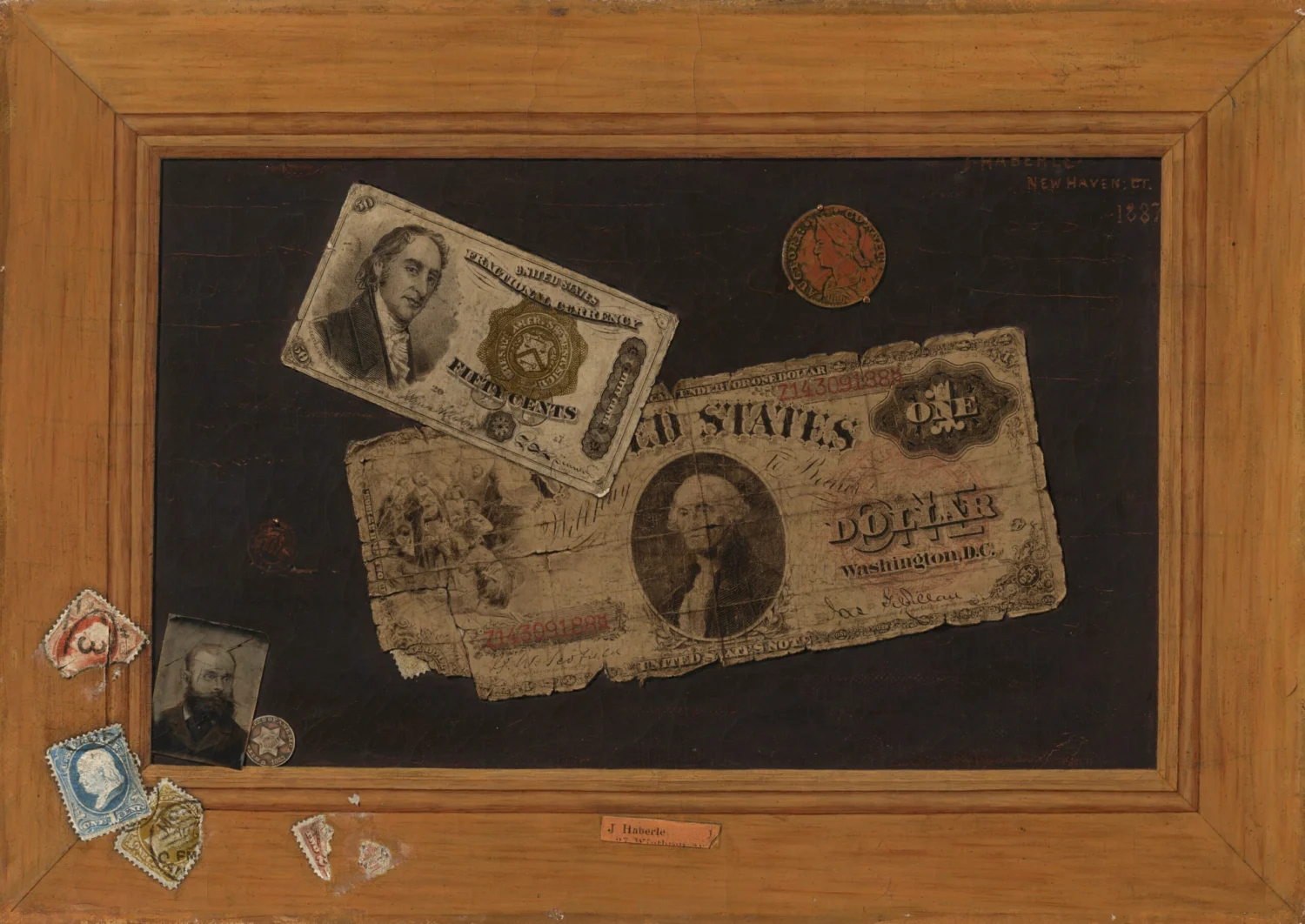
The focal point of this federal scrutiny: a twenty-dollar bill flagged as counterfeit at a local drive-through.
This investigative report examines the collision of post-dot-com economic anxiety, domestic tension, and unintended federal oversight. Through a chronological review of events—spanning from a disastrous short-term poultry rental program to an unexpected visit from federal law enforcement—we analyze the socio-economic pressures facing out-of-work professionals in the modern economy. Ultimately, this case highlights how the modern surveillance state intersects with the mundane trials of marital friction and financial survival.
Read Also
Detailed Chronology: From Dairy Disagreements to Federal Scrutiny
Phase I: The Culinary Fault Lines
Marriage is frequently tested by the accumulation of small grievances over time. For five years, an unnamed former software engineer—displaced by the fallout of the dot-com crash—and his wife, Suzanna, a former daycare center employee, navigated the post-employment landscape.
Tensions reached a boiling point in the home kitchen over a container of overlooked cottage cheese. Driven by a deep-seated immigrant guilt regarding food waste and a newly formed obsession with household frugality, the husband confronted his wife. The resulting physical altercation—compounded by the defensive reaction of Zenith, the household cat—ended with spoiled dairy splattered across a freshly mopped floor.
More than a simple domestic disagreement, this incident exposed the deeper fault lines of their marriage: financial anxiety, differing cultural perspectives on resource management, and mutual resentment over past expenditures.
Phase II: The Ghost of "Joo Joo" and Past Finances
When pushed regarding household spending, the husband invoked "the egg project"—a financial misadventure that still loomed large over their domestic ledger.
Months after losing their respective jobs, Suzanna had fallen prey to an online marketing campaign: a short-term chicken-rental service. For an initial fee of $100 for a one-month trial, with an option to purchase for an additional $200, a yellow van delivered a fully constructed wooden coop and a live hen named Joo Joo.
Despite comprehensive instruction booklets, organic feed, and an array of deodorizing sprays, Joo Joo failed to deliver the promised daily yield. Production dwindled from one egg every few days to zero. By the narrator’s calculations, the household had subsidized a single pet hen at roughly ten dollars per egg. When Joo Joo exhibited signs of depression, the company ultimately repossessed both bird and coop, leaving a $300 hole in an already fragile budget.
Phase III: The Drive-Through Discovery
The catalyst for federal intervention, however, occurred two weeks prior to the FBI’s visit. Seeking a brief respite from domestic strain, the husband visited a local Dunkin’ Donuts drive-through—a community hub frequented by retirees and the unemployed.
Submitting a twenty-dollar bill to pay for coffee and a chocolate glazed donut, the transaction was abruptly halted. The drive-through attendant pulled the service window shut, returning shortly thereafter with a colleague who informed the patron that the bill was counterfeit. Denied the return of the suspect currency due to mandatory banking protocol, and having provided a license plate number during the ensuing exchange, the husband unknowingly triggered an automatic escalation to federal authorities.
Phase IV: Federal Intercession
On a seemingly quiet afternoon, the consequences of the Dunkin’ Donuts incident materialized on the front doorstep. Two individuals in dark suits and sunglasses—one identifying himself as an FBI agent—stood outside, flanked by a poorly parked police cruiser.
Rather than the anticipated repercussions of a domestic dispute, the agents presented a manila folder containing the flagged twenty-dollar bill. Interrogated about his employment status, past income sources, and daily activities, the husband deflected by claiming he was "writing a book."
Meanwhile, Suzanna navigated the interrogation with disarming composure. Through a calculated performance of wifely innocence, she successfully deflected suspicion from her husband, subtly guiding the federal agents through a tutorial on the tactile and visual discrepancies between genuine and counterfeit currency.
The agents departed, leaving behind a profound sense of unease, a lingering federal warning, and an ironic appreciation for the fragility of domestic financial security.
Supporting Context & Metrics: The Anatomy of Modern Domestic Precarity
To contextualize this incident, one must examine the macroeconomic environment that birthed it. The collapse of the dot-com bubble in the early 2000s vaporized trillions in market value, disproportionately impacting IT professionals, software engineers, and digital infrastructure workers.
- Labor Market Contraction: The sudden unemployment of both spouses severed dual-income stability, forcing households into defensive survival modes.
- Micro-Frugality vs. Macro-Instability: Studies in behavioral economics indicate that individuals experiencing sudden structural unemployment frequently exhibit hyper-fixations on minor household expenditures (e.g., leftover food, grocery waste) as a psychological mechanism to regain a sense of control over uncontrollable macroeconomic forces.
- Counterfeiting Trends: According to United States Secret Service and FBI metrics, low-denomination currency (specifically $20 and $5 bills) represents a significant percentage of localized, low-tech counterfeiting attempts. These notes are frequently passed in high-volume, low-scrutiny retail environments such as drive-throughs and convenience stores.
Official Statements and Procedural Protocol
Law enforcement agencies maintain strict protocols regarding the handling and reporting of suspected counterfeit currency.
- The Secret Service Jurisdiction: While the FBI investigates organized financial crimes and domestic threats, the United States Secret Service maintains primary jurisdiction over currency counterfeiting under 18 U.S. Code § 471. The presence of an FBI agent in this instance underscores inter-agency task force cooperation in suburban jurisdictions.
- Retailer Obligations: Under federal guidelines, commercial establishments encountering suspected counterfeit currency are instructed to:
- Refuse the bill without placing employees in physical danger.
- Note physical descriptions and vehicle information of the passer.
- Contact local law enforcement or the nearest Secret Service field office immediately.
Neither the local police department nor federal representatives issued a formal public statement regarding the suburban residence visit, characterizing it as an ongoing preliminary inquiry into regional counterfeit distribution.
Future Outlook: The Basement Laboratory and the Economics of Temptation
As the federal agents’ vehicle disappeared down the suburban street, order appeared to be restored. Yet, the psychological impact of the encounter permanently altered the household dynamics.
In the basement—surrounded by a collection of discarded computers, broken scanners, and salvage printers gathered from local recycling swap shops—the protagonist confronted a quiet, dangerous temptation. Left alone with a wrinkled five-dollar bill, the line between idle curiosity and illicit enterprise blurred.
Key Takeaways for the Future:
- Technological Accessibility: Modern high-resolution scanners and color printing technology have lowered the technical barrier to entry for low-level document and currency reproduction, increasing vulnerability among underemployed populations.
- The Psychology of Desperation: Financial desperation, compounded by domestic friction and the psychological weight of unfulfilled aspirations, creates an environment where illegal financial shortcuts transition from unthinkable to actively considered.
- Marital Resilience: Despite mutual accusations, underlying tensions, and the unexpected intrusions of federal law enforcement, the domestic partnership of Suzanna and her husband persists—anchored by shared survival instincts and the silent complicity of a household cat named Zenith.
Whether the basement printing setup remains a harmless repository of discarded technology or transforms into a permanent investigative concern remains to be seen. What is certain, however, is that the modern American dream, when strained by economic displacement, can unravel over something as fragile as a spoiled container of dairy and a poorly printed five-dollar bill.




Comments
Facebook App ID not configured. Please add it in the Customizer.