
Executive Overview
In a bold institutional maneuver that bridges centuries of classical portraiture with the restless experimentation of the twenty-first century, London’s historic National Portrait Gallery (NPG) has unveiled a major new programming initiative. Titled Artist Focus, this ongoing series is designed to inject the vitality of contemporary artistic practices into the venerable halls of one of the world’s premier cultural institutions. Best known as the permanent home of masterpieces by historical luminaries such as Hans Holbein the Younger, Anthony Van Dyck, and Joshua Reynolds, the NPG is now carving out dedicated space to celebrate living practitioners who are redefining the boundaries of portraiture.
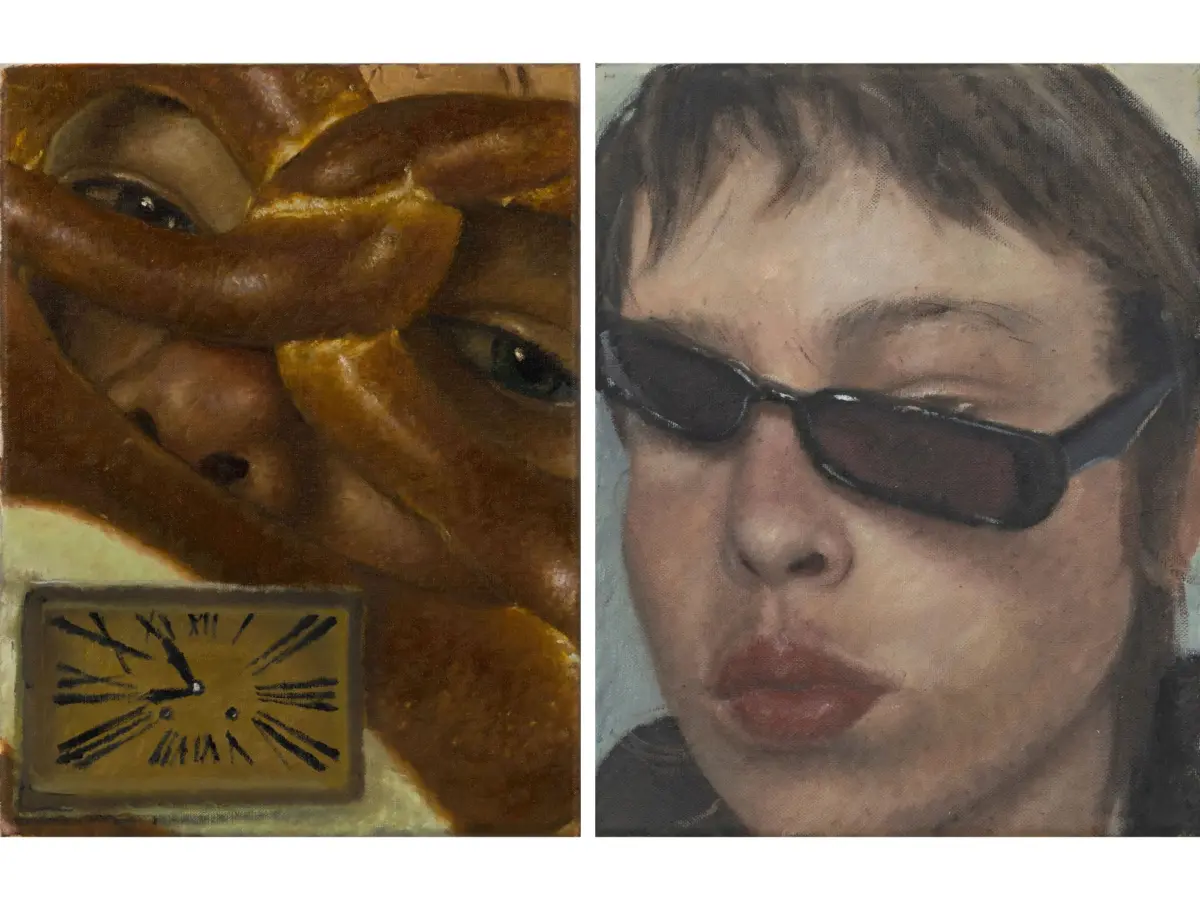
The inaugural exhibition of the Artist Focus program will take place in the gallery’s newly designated Weston Wing, offering visitors entirely free admission to three curated presentations annually. Launching this October and running through February 28, 2027, the inaugural showcase features the acclaimed American-born, British-raised painter Issy Wood. Widely recognized for her psychologically charged canvases, uncanny object studies, and a soaring profile in both high art and pop-cultural spheres—culminating in her viral 2025 Vanity Fair cover portrait of pop icon Charli XCX—Wood represents the exact type of boundary-pushing talent the initiative aims to spotlight.
This strategic evolution comes at a time of broader institutional reinvention for the NPG, which has continually sought to balance its deep-rooted heritage with a forward-looking mandate. Alongside the Artist Focus series, the gallery continues to champion emerging and established global talent through its prestigious, multi-decade portraiture competition—now known as the Herbert Smith Freehills Kramer Portrait Award. By examining the structural mechanics of the Artist Focus launch, the trajectory of its inaugural artist, and the enduring legacy of the museum’s contemporary competitions, this report explores how the National Portrait Gallery is fortifying its status as the global epicenter for the study, appreciation, and continuous evolution of the portrait.
Read Also
Detailed Chronology: From Holbein to Wood and the Birth of ‘Artist Focus’
A Storied Foundation and Modern Realities
Founded in 1856, the National Portrait Gallery holds the distinction of being the first portrait gallery in the world. From its inception, its mission was distinct from general art museums: it was established not necessarily to collect works based purely on aesthetic mastery, but to chronicle the faces of British history—politicians, scientists, monarchs, artists, and thinkers who shaped the nation. Over the decades, its walls have accumulated an astonishing visual record of British life, housing iconic likenesses that trace the evolution of Western painting from the Tudor court of Hans Holbein the Younger to the grand-manner portraiture of Joshua Reynolds and the aristocratic elegance of Anthony Van Dyck.
However, remaining relevant in the twenty-first century requires an institution to look persistently forward rather than backward. While the NPG’s permanent collection remains a magnetic draw, gallery leadership recognized an acute need to establish a dedicated, agile platform for contemporary artists whose work engages with the traditions of portraiture in unconventional ways. Enter Artist Focus—a structural commitment to hosting three focused, contemporary exhibitions every year within the Weston Wing, completely free of charge.
The Inaugural Exhibition: Issy Wood Takes the Weston Wing
The maiden voyage of the Artist Focus series sets a high bar. Issy Wood, whose distinctively eerie, smooth-surfaced, and emotionally complex paintings have captivated the contemporary art market and cultural zeitgeist alike, will inaugurate the space this fall. Her exhibition, opening on October 9 and running through February 28, 2027, promises to be a masterclass in modern psychological portraiture.
Wood’s meteoric rise has been characterized by a unique oscillation between high-end gallery spaces and high-profile pop culture moments. In 2025, she commanded international headlines when she was commissioned to paint British pop superstar Charli XCX for the cover of Vanity Fair. The resulting portrait fused Wood’s signature atmospheric, slightly alienated aesthetic with the hyper-modern iconography of contemporary pop stardom, proving that painted portraiture remains a potent medium for capturing the zeitgeist.
The upcoming NPG presentation will pull back the curtain on Wood’s diverse practice. The museum has already acquired three of her works for its permanent collection, including the haunting Self Portrait 2 (2021). This anchor piece will be displayed alongside 11 carefully selected paintings drawn from the artist’s personal collection, alongside a remarkable cache of seven portraits that have never before been exhibited publicly. This rare glimpse into Wood’s private holdings and unseen creations offers visitors an intimate window into her artistic evolution, thematic obsessions, and technical execution.
Supporting Context & Metrics: The Anatomy of Modern Portraiture
To understand the weight of the Artist Focus program, one must examine the broader metrics and socio-cultural landscape surrounding the NPG’s contemporary programming. Portraiture in the twenty-first century is no longer confined to the traditional oil-on-canvas likeness commissioned by nobility or wealthy patrons. Today, the genre contends with digital saturation, hyper-surveillance, shifting conceptions of identity, and the pervasive democratization of self-representation via social media.
The Economics and Reach of the NPG
- Founding Year: 1856 (The world’s first portrait gallery).
- Weston Wing Exhibitions: Three contemporary exhibitions annually, entirely free to the public under the Artist Focus banner.
- Exhibition Run (Issy Wood): October 9, 2026 – February 28, 2027.
- Works on Display in Wood’s Show: 19 total works, featuring 3 NPG permanent collection pieces (including Self Portrait 2, 2021), 11 works from the artist’s personal collection, and 7 never-before-exhibited portraits.
- Global Competition Prize (Herbert Smith Freehills Kramer Portrait Award): £35,000 top cash prize.
The Herbert Smith Freehills Kramer Portrait Award
Beyond curated solo presentations like Wood’s, the NPG has long maintained its finger on the pulse of global talent through its open international portrait competition, which has run continuously since 1980. Renamed in 2024 to the Herbert Smith Freehills Kramer Portrait Award following sponsorship integration, the competition serves as a vital barometer for emerging and mid-career painters worldwide, supported by a substantial £35,000 cash prize.

The competition consistently attracts thousands of submissions, reflecting the enduring vitality of figurative painting. Recent iterations have highlighted the breathtaking diversity of contemporary approaches to the human subject. For instance, the competition’s recent winner, Marc Dalessio, claimed top honors for Jean-Denis, a striking, profoundly empathetic portrait named after and depicting his neighbor. Dalessio’s work exemplifies the traditional dedication to observational craft, capturing the quiet dignity of everyday life.
Conversely, other shortlisted and exhibited works in the competition push the boundaries of narrative and identity. Notable entries included a portrait by Lucille Dweck of Amrou Al-Kadhi—the multifaceted British Iraqi writer, actor, drag performer, and filmmaker—which brilliantly captures the complex intersections of contemporary queer and immigrant identities in Britain. Another standout entry, Mummy Needs A Break by Hermès fashion publicist Hannah George, resonated deeply with contemporary audiences. Depicting a woman resting her hand on her head with her eyes shut, the painting offered a poignant, raw meditation on maternal exhaustion, domestic labor, and modern psychological burnout.
Official Statements: Vision and Institutional Philosophy
The philosophical underpinnings of the Artist Focus program were articulated by the National Portrait Gallery’s leadership during the announcement.
Flavia Frigeri, the NPG’s chief curator, emphasized the gallery’s historic duty to remain at the forefront of artistic evolution:
"The Gallery’s history has always been one of innovation. We were the first portrait gallery in the world when we were founded in 1856 and remain the global centre for the study and appreciation of portraiture today. As the home of portraiture, the NPG is best placed to be a venue and a platform for continued experimentation, as we work to inspire future generations by showcasing the work of trailblazing artists."
Frigeri’s statement underscores a vital institutional truth: heritage and experimentation are not mutually exclusive. By inviting contemporary disruptors like Issy Wood into spaces historically dominated by centuries-old oil paintings, the NPG is actively staging a visual dialogue across time. Visitors are encouraged to draw lines of inquiry between the courtly psychological restraint captured by Van Dyck and the anxious, introspective interiority of Wood’s contemporary self-portraits.
Future Outlook: The Evolution of the Portrait in the 21st Century
As the National Portrait Gallery rolls out the Artist Focus initiative, the institution is positioning itself as a dynamic laboratory for the future of visual culture. The decision to anchor these exhibitions in the Weston Wing with free admission ensures that contemporary art remains accessible to diverse audiences, dismantling economic barriers that often separate elite cultural institutions from the broader public.
Looking ahead, the success of Issy Wood’s upcoming exhibition will establish a rigorous benchmark for the two subsequent annual shows in the Weston Wing. Curatorial teams will face the ongoing challenge of selecting artists who not only demonstrate technical mastery in capturing the human likeness, but who also interrogate what it means to be seen and recorded in an era defined by rapid technological and social transformation.
Furthermore, the symbiotic relationship between blockbuster commercial moments—such as Wood’s viral Vanity Fair cover with Charli XCX—and rigorous museum exhibitions points toward a healthy, porous boundary between high art and popular culture. As artists increasingly navigate multiple creative ecosystems, institutions like the National Portrait Gallery must adapt to capture these fluid identities.
Ultimately, the Artist Focus program reinforces a timeless reality: while techniques, mediums, and cultural contexts shift, the human compulsion to look at another face—to seek out recognition, empathy, and truth—remains entirely constant. By honoring its foundational history while fearlessly opening its doors to the trailblazers of today, the National Portrait Gallery ensures that the ancient art of portraiture will remain vibrantly, urgently alive for generations to come.


Comments
Facebook App ID not configured. Please add it in the Customizer.