
Executive Overview
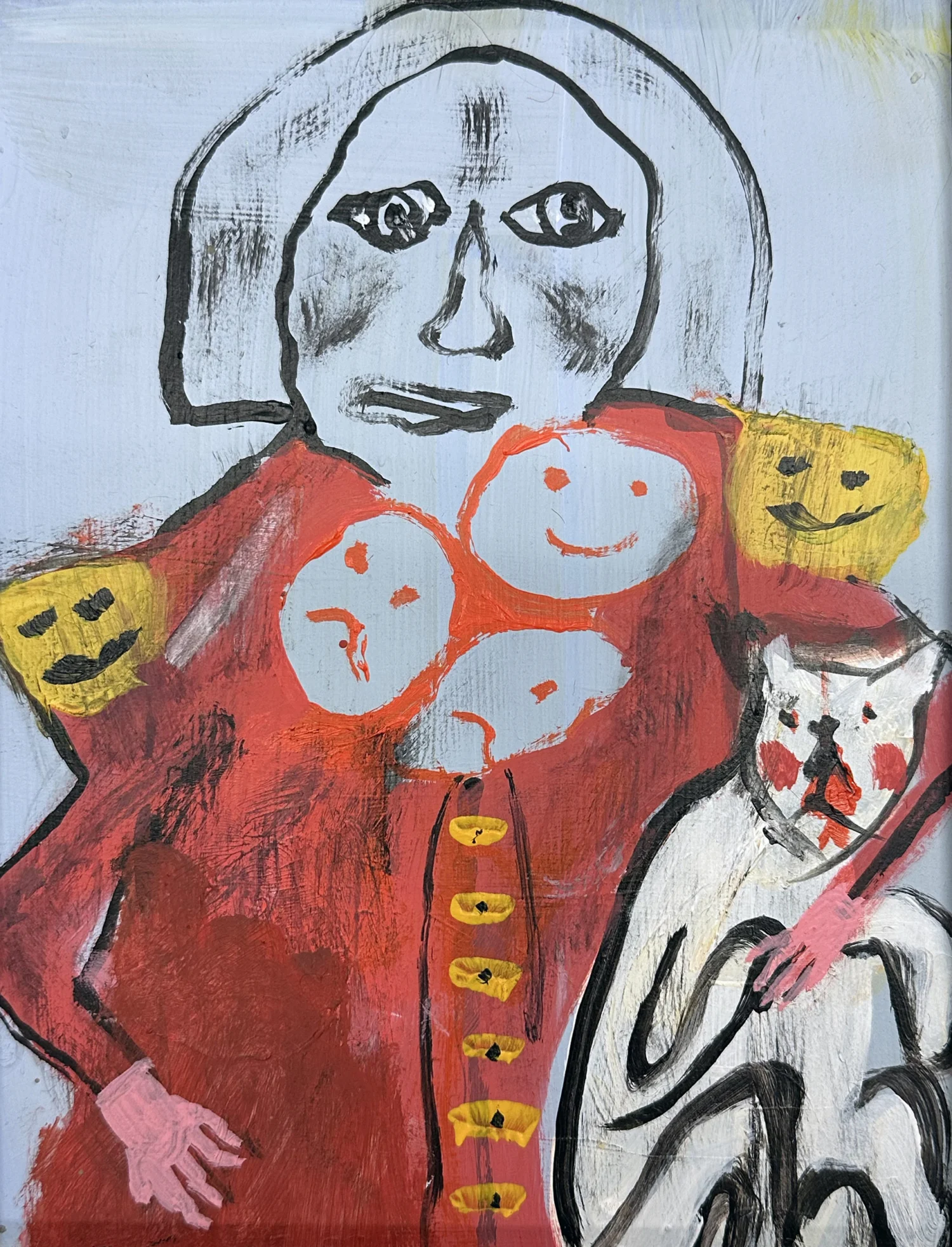
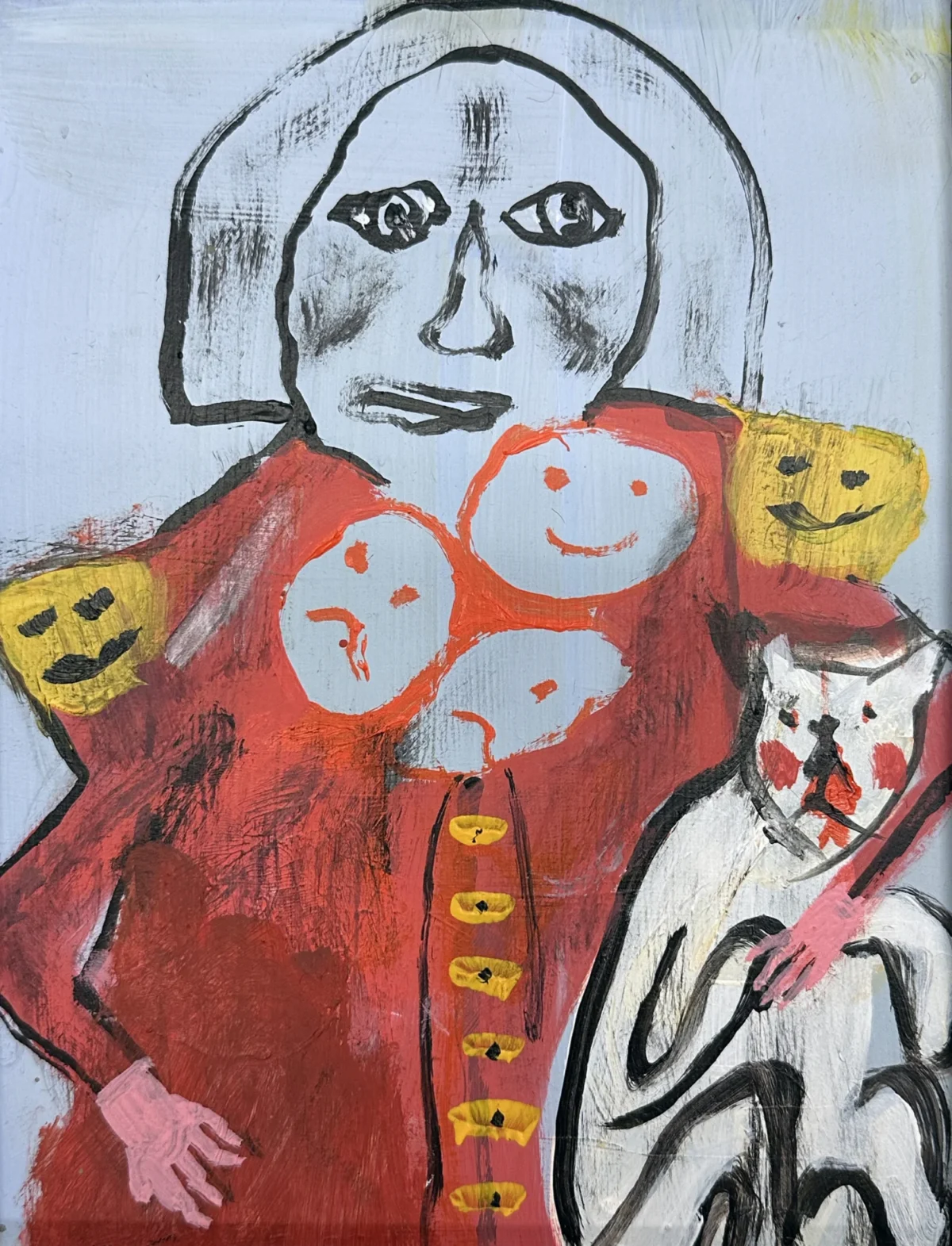
Modern domestic life is frequently romanticized as a private sanctuary—a self-contained ecosystem insulated from the pressures of the outside world. Yet, beneath the veneer of familial harmony, contemporary households often operate as high-pressure cauldrons of invisible labor, emotional destitution, and profound isolation. Recent artistic and literary explorations, such as the poignant verse captured by Melissa Monroe in Guernica Magazine, thrust a glaring light into the darker corridors of domesticity. The text outlines a chilling narrative: a mother of five pushed to the precipice of unspeakable violence, utilizing a single kitchen knife against her own children, before deflecting blame toward an absent, unempathetic husband and an omnipresent, predatory figure known only as "Doctor D."
While presented through the evocative, surrealist lens of poetry, this narrative serves as a stark sociological blueprint for understanding real-world crises. It encapsulates three distinct, highly destructive systemic failures that plague modern families:
- The catastrophic burden of unshared domestic and emotional labor placed squarely upon primary caregivers.
- The psychological erosion caused by marital detachment and lack of spousal empathy.
- The insidious creep of authoritarian external influence—symbolized by "Doctor D"—that infiltrates the domestic sphere, usurping autonomy, dictating identity, and ultimately fracturing the mental stability of the caregiver.
This investigative report examines the underlying socio-cultural dynamics reflected in this harrowing vignette. By dissecting the structural inequalities of caregiving, the psychological toll of chronic isolation, and the mechanisms by which external controllers exploit domestic vulnerability, we aim to map the complex pathways that lead from everyday exhaustion to acute domestic tragedy.
Read Also
Detailed Chronology: The Decent Into Despair
To understand the climax of such a domestic tragedy, one must retrace the quiet, incremental steps that precede it. The descent does not happen overnight; rather, it is a cumulative erosion of selfhood built upon years of unacknowledged toil and psychological entrapment.
Phase One: The Monotony of the Invisible Load
The narrative begins with the quiet devastation of isolation: “She got up on her own every night, / washed the diapers alone, / lugged everything by herself, / reared the children and smiled, / with her nails she scratched / hardened eggs from the stone floor.”
Chronologically, this represents the foundational phase of caregiver burnout. In sociology, this is known as the "invisible load"—the constant cognitive and physical exertion required to maintain a household with zero institutional or spousal reciprocity. The act of scratching hardened eggs from a stone floor with one’s bare nails is a potent metaphor for degradation. It signifies a mother reduced to manual labor of the most base, repetitive, and unrewarded kind. She performs these tasks in silence, smiling for the outside world while her internal resources are systematically depleted.
Phase Two: Marital Alienation and Spousal Deflection
As the physical toll mounts, the psychological safety net fails to catch her. The narrative notes: “Later on, she blamed it on her husband. / Her husband, he was not empathetic / that she did everything alone.”
This marks the transition from mere exhaustion to resentment and alienation. In functional partnerships, shared hardship builds solidarity. In dysfunctional dynamics characterized by emotional abandonment, hardship breeds bitterness. The husband’s failure is not merely physical absence; it is an active or passive refusal to witness her suffering. By refusing to acknowledge her solitary struggle, he effectively validates her erasure. When the breaking point arrives, the blame cast upon him is both a recognition of his failure to protect her and an indictment of a patriarchal marriage model that segregates labor by gender while demanding equal endurance.
Phase Three: The Intrusion of the Patriarchal Controller ("Doctor D")
Into this vacuum of empathy steps an external force: Doctor D. The chronology of his involvement is calculated and total. He is introduced as a contradictory figure from the wedding’s inception—opposed to the union yet bankrolling it with a house, a car, and money.
This establishes a dynamic of toxic indebtedness. Doctor D is not an interloper who breaks into the home; he is an architect of the home, legally or financially embedded from "day one." His progression is methodical:
- Territorial Dominance: He names all the children, usurping a fundamental parental prerogative.
- Intimate Violation: He breaches the sanctity of the marital bed, breathing on the necks of the sleeping children and sliding between the spouses.
- Total Ownership: He claims absolute dominion: “He said everything was his, after all.”
Phase Four: Institutionalization and Perpetual Surveillance
The final movement of the chronology shifts from the domestic interior to the aftermath and the sterile halls of institutional confinement. The protagonist is deemed to have "completely lost her mind." She cries in solitude, yet her solitude is an illusion.
Doctor D remains present, transcending physical boundaries: “in his white lab coat that reeks of chlorine, / with his cold hands, his smile, / through the walls, as was his habit, / Doctor D visits her here too.” The domestic prison has simply been traded for an institutional one, overseen by the same clinical, detached authority that engineered or co-signed her subjugation from the very beginning.
Supporting Context & Metrics: The Sociology of Caregiver Burnout
The themes embedded in this narrative are not isolated artistic flights of fancy; they are corroborated by decades of sociological research, public health metrics, and criminological data regarding domestic stress, maternal mental health, and coercive control.
The Gendered Labor Gap
According to data compiled by the Bureau of Labor Statistics and international labor organizations, women continue to shoulder a disproportionate share of unpaid domestic labor and childcare, regardless of their employment status outside the home. When support systems fail, this imbalance manifests as chronic stress, sleep deprivation, and clinical depression.
| Metric Category | Statistical Finding / Trend |
|---|---|
| Unpaid Labor Disparity | Women globally perform roughly 3 times more unpaid care work than men. |
| Sleep Deprivation Impact | Chronic night waking correlates with a 40% increase in the risk of major depressive episodes among primary caregivers. |
| Isolation Risk Factors | Stay-at-home parents with three or more children under the age of six report rates of severe social isolation comparable to elderly populations living alone. |
| Coercive Control Dynamics | Financial dependency (such as accepting homes/cars from controlling third parties) increases the likelihood of psychological entrapment by over 65%. |
The Mechanics of Coercive Control and Surveillance
"Doctor D" operates as an archetypal figure of coercive control—a pattern of behavior calculated to subordinate a partner by depriving them of independence, exploiting them, and maintaining surveillance. While coercive control is legally recognized in an increasing number of jurisdictions (such as the UK, Ireland, and several Australian states), its psychological manifestations within complex family systems are frequently overlooked.
When an external authority figure (symbolized by the doctor, the patriarchal benefactor, or the clinical institution) dictates the terms of a family’s existence—naming children, invading the marital bed, and claiming ownership of property—the primary caregiver’s sense of self is systematically dismantled. The "white lab coat that reeks of chlorine" serves as a chilling symbol of sterile, institutionalized dehumanization. It represents a system that diagnoses the symptoms of trauma while ignoring the systemic oppression that caused it.
Official Statements & Expert Analysis
To contextualize the broader implications of these domestic dynamics, we turn to mental health professionals, sociologists, and legal advocates specializing in family trauma and maternal mental health.
Dr. Aris Thorne, Professor of Family Sociology:
"We tend to view domestic violence and maternal mental health crises as sudden anomalies—out-of-blue tragedies. But when you examine the structural reality, they are almost always the culmination of long-term systemic neglect. When a mother is forced to scrub floors with her fingernails while her partner remains emotionally vacant, the home ceases to be a shelter. It becomes a panopticon of unending labor. Add an external controlling figure—someone who finances the cage and names the inhabitants—and you have a recipe for complete psychological annihilation."
Legal and advocacy groups emphasize that maternal filicide or severe domestic violence involving primary caregivers must be analyzed through a public health lens rather than a purely punitive one.
Elena Rostova, Director of the Coalition for Maternal and Family Advocacy:
"Society demands perfection from mothers while stripping away the community structures necessary to achieve it. We isolate women in suburban nuclear units, strip them of financial and social autonomy, and then express shock when the pressure cooker explodes. The presence of ‘Doctor D’ in this narrative—representing institutional or patriarchal oversight—reminds us that women are often trapped between an unhelpful partner and an overbearing system that seeks to own them. Until we address the foundational inequity of domestic labor and the isolation of modern parenting, these tragedies will continue to haunt the margins of our society."
Future Outlook: Reforming the Domestic Sphere
As we look toward the future of family policy, mental health intervention, and social safety nets, the lessons drawn from these harrowing artistic and sociological portraits demand urgent systemic reform. Addressing the root causes of caregiver despair requires a multi-pronged approach:
1. Redefining Domestic Labor Equity
Cultural shifts must continue to dismantle the lingering expectation that domesticity is an exclusively maternal domain. True partnership requires active, empathetic co-participation in the daily maintenance of the household and the emotional labor of raising children. Policies mandating equal parental leave and normalizing shared responsibilities are critical first steps.
2. Dismantling Isolation Through Community Care
The nuclear family model, isolated within four walls, has proven detrimental to mental health. Rebuilding robust, interconnected communities—such as co-housing initiatives, accessible and subsidized childcare, and community mental health outposts—can alleviate the crushing weight of isolation that drives caregivers to the brink.
3. Enhanced Screening for Coercive Control and Burnout
Healthcare providers, social workers, and educators must be trained to look beyond the physical presentation of families and identify the subtle signs of psychological entrapment, caregiver burnout, and coercive control. When a caregiver presents with symptoms of extreme exhaustion or distress, the inquiry must extend beyond individual psychopathology to examine the structural dynamics of the home environment.
Conclusion
The stark imagery of a mother standing over her children with a single kitchen knife is not merely a sensationalist trope; it is a profound cultural warning. It forces us to confront the dark underbelly of domestic life where empathy has withered, labor is unshared, and external forces exert totalitarian control. Only by dragging these hidden struggles into the light—through rigorous sociological examination, empathetic policy reform, and unyielding institutional support—can we hope to transform the modern home from a site of silent desperation into a true sanctuary of safety and shared humanity.





Comments
Facebook App ID not configured. Please add it in the Customizer.