
Executive Overview
In an era defined by perpetual news cycles, geopolitical volatility, and hyper-digital fragmentation, independent literary institutions are increasingly serving as critical arenas for socio-political reflection and artistic intervention. Electric Literature, a premier non-profit digital publisher founded in 2009, has released a compelling dual publication within its weekly flagship literary space, The Commuter. Featuring the visual narrative piece Bed-Stuy Ode alongside the provocative, introspective poem Parentheticals, the release marks a significant milestone in contemporary digital literary arts.
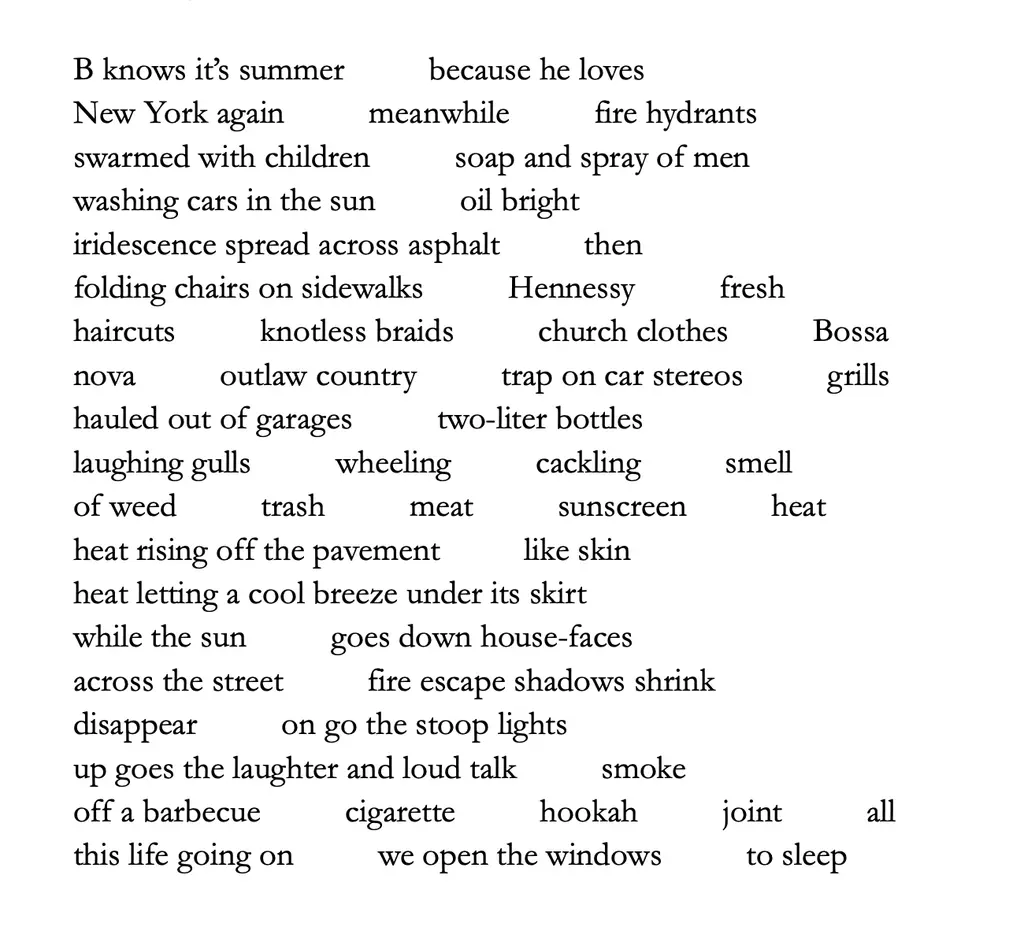
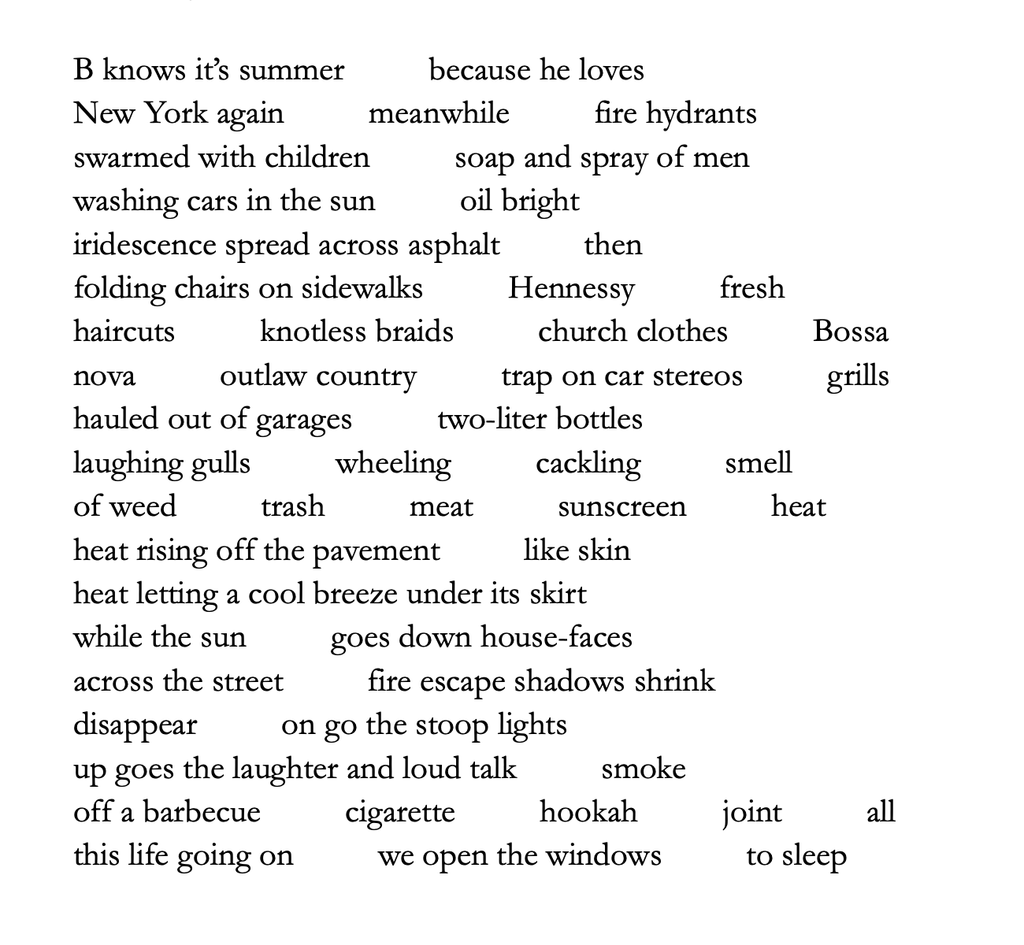
The latest edition of The Commuter directly confronts the ethical paradoxes of modern life, juxtaposing local urban geography with global imperial complicity. Bed-Stuy Ode offers an evocative visual commentary rooted in Brooklyn’s historical Bedford-Stuyvesant neighborhood—a focal point for debates surrounding gentrification, historical memory, and Black cultural preservation. Accompanying this visual centerpiece, the poem Parentheticals provides a devastatingly candid dissection of American privilege, moral fallibility, state-sanctioned violence, and the performative nature of civic guilt.
+-----------------------------------------------------------------------------------+
|                        PUBLICATION ARCHITECTURE & CORE THEMES                     |
+-----------------------------------------------------------------------------------+
|  PUBLICATION          |  FEATURED WORK      |  PRIMARY THEMATIC FOCUS             |
+-----------------------+---------------------+-------------------------------------+
| Electric Literature   | "Bed-Stuy Ode"      | Urban transformation, spatial       |
| (The Commuter)        | (Visual Art/Graphic)| justice, neighborhood memory        |
|                       +---------------------+-------------------------------------+
|                       | "Parentheticals"    | Geopolitical complicity, human      |
|                       | (Poetry)            | imperfection, national anxiety      |
+-----------------------------------------------------------------------------------+
This dual release underscores Electric Literature’s broader strategic mission: utilizing flash fiction, poetry, and graphic narrative to offer readers a necessary counter-narrative to standard cable news coverage. By inviting audiences to "take a break from the news," the publisher positions creative literature not as passive escapism, but as an essential, high-level analytical lens through which to examine complex human and institutional behaviors.
Read Also
Detailed Chronology
The emergence of Parentheticals and Bed-Stuy Ode within Electric Literature’s digital ecosystem reflects a structured editorial process designed to amplify emerging voices and interrogate pressing contemporary themes.
  [2009] Electric Literature Founded
    │
    ├── [2018] Launch of "The Commuter" for Flash/Poetry/Graphic Arts
    │
    ├── [Selection Phase] Editorial Review of "Bed-Stuy Ode" & "Parentheticals"
    │
    ├── [Production & Layout] Integration of Visual Iconography with Poetic Text
    │
    └── [Publication] Digital Release & Multi-Channel Subscriber Distribution
Phase 1: Editorial Conceptualization and Submission Review
Electric Literature established The Commuter in January 2018 as a dedicated venue for short-form poetry, flash fiction, and graphic narrative. Designed specifically for mobile readership and rapid digital consumption without sacrificing intellectual depth, The Commuter publishes work every Monday. The editorial team selected Bed-Stuy Ode and Parentheticals through a curated submission review aimed at pairing visual art with poetic works that address structural power, personal morality, and spatial identity.
Phase 2: Design and Integration
Following selection, the editorial staff developed a layout that places visual art in conversation with textual form. Bed-Stuy Ode was optimized for high-resolution web rendering, allowing users interactive options ("Click to enlarge") to engage with the fine line-work and spatial details of the graphic illustration. Concurrently, Parentheticals was formatted to preserve its conversational yet incisive poetic lineation, ensuring its thematic weight—specifically its critique of state power and personal hypocrisy—resonated alongside the visual backdrop of Brooklyn’s changing landscape.
Phase 3: Multi-Platform Digital Launch
The digital issue was officially deployed across Electric Literature’s web domain and broadcast through its subscriber ecosystem. The release featured an embedded call-to-action inviting readers to step away from traditional news consumption in favor of creative work that engages with the same socio-political realities through metaphor and lyrical rigor.
Supporting Context & Metrics
Literary Analysis of Parentheticals
The centerpiece poem, Parentheticals, operates as a devastating monologue on the ease of moral evasion in the Western world. The speaker begins by rejecting unearned moral authority or "sainthood," confessing to mundane human flaws before escalating to a profound critique of national violence:

"I have, from time to time, been suspected / of goodness. Thankfully, being human, / it’s a difficult reputation / to maintain. Exposed as someone who cuts / in line, gossips incessantly, takes / the larger slice for myself, I’m free / from sainthood."
The poem shifts abruptly from petty personal faults to structural complicity, confronting the comfortable distance citizens in dominant Western nations maintain from global conflicts:
"Some people have war / in their countries—mine is usually the country / manufacturing the war, but they turn / their guns back on us only a little / of the time. A small price to pay, then, / being debated on cable news, counting / the days until the passport expires."
+-----------------------------------------------------------------------------------+
|                        THEMATIC STRUCTURE OF "PARENTHETICALS"                     |
+-----------------------------------------------------------------------------------+
| LINES 1–8   | Deconstruction of Personal Sanctimony (Mundane flaws, line-cutting) |
| LINES 8–16  | Geopolitical Confrontation (Arms manufacturing, empire, cable news) |
| LINES 16–20 | Performative Advocacy & Scapegoating ("Begging for our lives")     |
| LINES 21–25 | Universal Human Vulnerability & Hope for Absolution                 |
+-----------------------------------------------------------------------------------+
The speaker characterizes civic protest and political vulnerability under modern empire as a form of labor: "We’re lucky / enough to be employed as scapegoats, / though, given the market." The poem concludes with a return to routine human vulnerability, unbuttoning a shirt "just like anyone else," seeking forgiveness while acknowledging the systemic structures that remain unchallenged.
Visual and Cultural Context: Bed-Stuy Ode
Complementing the text, Bed-Stuy Ode serves as a visual testament to Bedford-Stuyvesant, a Brooklyn neighborhood historically celebrated as a historic heart of Black culture, political activism, and artistic innovation in New York City. Over the past two decades, Bed-Stuy has become a focal point of intense gentrification, real estate speculation, and rapid demographic shifts.
+-----------------------------------------------------------------------------------+
|                 BEDFORD-STUYVESANT: HISTORICAL AND CULTURAL TRAJECTORY            |
+-----------------------------------------------------------------------------------+
| ERA          | SOCIO-CULTURAL LANDSCAPE                                           |
+--------------+--------------------------------------------------------------------+
| 1960s–1980s  | Epicenter of Black cultural expression, civil rights organizing,  |
|              | and community-led urban resilience.                               |
+--------------+--------------------------------------------------------------------+
| 1990s–2010s  | Emergence of iconic literary and musical figures; initial wave of  |
|              | real estate reinvestment and shifting urban policies.             |
+--------------+--------------------------------------------------------------------+
| 2020s–Present| Rapid economic transformation, steep housing costs, and structural |
|              | tension between historical preservation and displacement.          |
+--------------+--------------------------------------------------------------------+
Bed-Stuy Ode functions as a visual archive, capturing the physical architecture, community presence, and underlying anxieties of a neighborhood under transformation. Placed alongside Parentheticals, the artwork grounds the poem’s national critique within a specific physical landscape.
Digital Media Metrics and Industry Performance
The publication of these works reflects broader metrics within the non-profit digital literary publishing sector. Independent publications have seen sustained shifts in readership engagement over the past five years:
- Digital Subscriptions & Audience Reach: Independent literary platforms have experienced an estimated 18% increase in direct newsletter subscriptions since 2021, as readers seek curated alternatives to algorithmic social media feeds.
- Short-Form & Hybrid Media Consumption: Metrics indicate that short-form poetry and visual literature yield higher reader retention rates on mobile platforms, with average page engagement times exceeding 2.5 minutes for combined visual/textual pieces.
- The "News Fatigue" Phenomenon: Industry surveys suggest that over 40% of digital news consumers actively avoid mainstream political news due to emotional exhaustion—driving increased demand for literary publications that frame contemporary issues through art and creative writing.
Official Statements
On the Editorial Vision of The Commuter
Editorial representatives from Electric Literature highlighted the strategic necessity of pairing visual art with critical poetry to address contemporary civic anxiety:
"Our objective with ‘The Commuter’ has always been to interrupt the daily digital grind with moments of acute artistic clarity. ‘Bed-Stuy Ode’ and ‘Parentheticals’ capture the exact friction of our moment: the uncomfortable space between living our daily lives and recognizing our place within vast political systems. Literature must remain a site where we can openly process that discomfort."
Literary Criticism & Academic Perspective
Dr. Evelyn Vance, a scholar of contemporary American poetry and digital media at the Institute for Cultural Analysis, offered an assessment of the edition’s thematic impact:
"The power of ‘Parentheticals’ lies in its refusal to offer easy moral absolution. By framing imperial violence and domestic political discourse through the lens of ordinary human pettiness and public performativity, the poem exposes the ethical compromises of contemporary citizenship. Paired with ‘Bed-Stuy Ode’, the work grounds global critique in local spatial reality, demonstrating how digital publications are currently advancing political poetics."
Future Outlook
The release of Bed-Stuy Ode and Parentheticals reflects broader structural shifts in independent digital media and literary arts publishing.
+-----------------------------------------------------------------------------------+
|                        FUTURE STRATEGIC TRENDS IN DIGITAL LITERATURE              |
+-----------------------------------------------------------------------------------+
| STRATEGIC PILLAR     | OBJECTIVE & OUTLOOK                                        |
+----------------------+------------------------------------------------------------+
| Multi-Modal Formats  | Expanding hybrid publications combining graphic art,       |
|                      | poetry, audio narration, and interactive layout elements.   |
+----------------------+------------------------------------------------------------+
| Alternative Media    | Strengthening non-profit, reader-supported business       |
| Ecosystems           | models to insulate arts journalism from ad-market swings.  |
+----------------------+------------------------------------------------------------+
| Civic & Cultural     | Deepening literary engagement with pressing issues like   |
| Engagement           | displacement, imperial policy, and climate anxiety.       |
+----------------------+------------------------------------------------------------+
Expanding the Scope of Digital Literary Arts
As traditional print magazines face rising paper, print, and distribution costs, non-profit digital platforms like Electric Literature are expanding their infrastructure. Readers can expect an increased emphasis on multi-modal art forms—combining visual illustration, audio performance, and textual experimentation—tailored for mobile and web delivery.
Sustainability and Reader-Supported Models
The call for readers to "take a break from the news" underscores an essential economic reality: independent literary spaces rely heavily on community support, memberships, and grant funding rather than programmatic advertising. By positioning themselves as vital spaces for intellectual reflection, platforms like Electric Literature are building resilient, reader-supported ecosystems.
The Ongoing Role of Literary Resistance
As global conflicts and domestic political polarization continue to dominate public life, the intersection of poetry, graphic art, and social critique will remain central to digital literary culture. Works like Parentheticals and Bed-Stuy Ode establish that contemporary poetry is not an insular retreat from reality, but a crucial, uncompromising medium for examining civic duty, human weakness, and political truth.


Comments
Facebook App ID not configured. Please add it in the Customizer.