
Executive Overview
At the dawn of the third millennium, the United States stood at the zenith of an unprecedented unipolar moment. The global transition from 1999 to 2000 was marked by public celebration and the swift resolution of the much-feared Y2K computer bug—a technological anxiety that, in retrospect, belongs to an era when cyber worries were limited to software glitches rather than existential algorithmic threats. Economically, culturally, and militarily, the post-Cold War American empire appeared unchallenged, possessing a reach that surpassed even the global hegemony of the late British Empire.
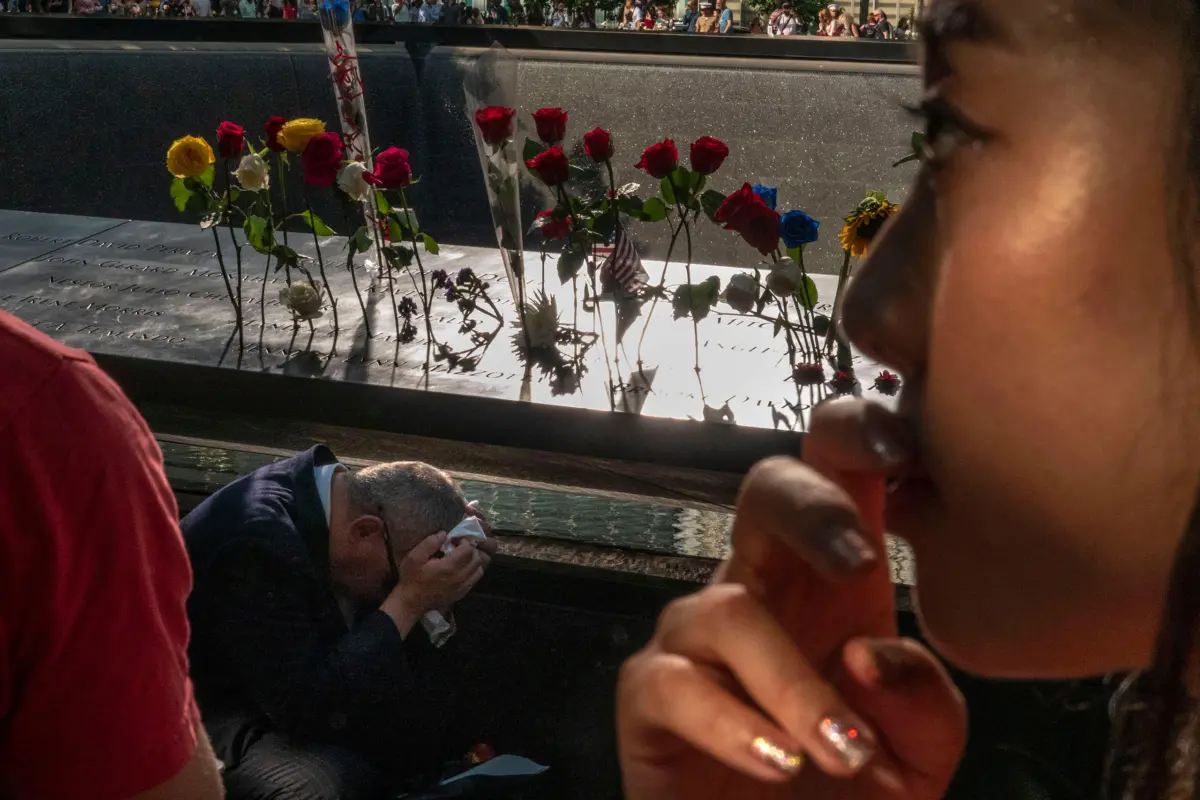
Yet, this period of post-Cold War optimism was abruptly shattered on September 11, 2001. The coordinated terrorist attacks executed by Al Qaeda targeted the heart of American financial and military infrastructure, terminating the brief "end of history" consensus and inaugurating a twenty-first century defined by security anxiety, military overreach, and domestic institutional strain.
This comprehensive analysis re-examines the events of September 11, 2001, and their long-term consequences. It traces the arc from the immediate tactical horror in Manhattan, Washington, D.C., and Pennsylvania to the strategic foreign policy choices that followed—including the multi-decade wars in Afghanistan and Iraq. Furthermore, it evaluates the psychological and structural resilience of urban centers, contrasting the predicted decline of metropolitan spaces with their actual demographic and social trajectories, while reflecting on the historical lessons of security, fear, and statecraft.
Read Also
Detailed Chronology
+-----------------------------------------------------------------------------------+
|                                 TIMELINE OF EVENTS                                |
+-----------------------------------------------------------------------------------+
| Dec 31, 1999 – Jan 01, 2000 | Global Y2K transition passes without incident.       |
| Sep 11, 2001 (08:46 EDT)   | Flight 11 impacts WTC North Tower; initially thought    |
|                             | to be an aviation accident.                         |
| Sep 11, 2001 (09:03 EDT)   | Flight 175 strikes WTC South Tower, establishing      |
|                             | intent of coordinated mass terrorism.               |
| Sep 11, 2001 (09:37 EDT)   | Flight 77 impacts the Pentagon in Arlington, VA.    |
| Sep 11, 2001 (10:03 EDT)   | Flight 93 crashes in Shanksville, PA, after crew    |
|                             | and passenger intervention.                         |
| Sep 18, 2001                | Letters containing anthrax spores mailed; start of  |
|                             | bioweapons panic claiming 5 lives.                  |
| Oct 07, 2001                | Launch of Operation Enduring Freedom in Afghanistan.|
| Mar 20, 2003                | Invasion of Iraq begins based on WMD intelligence.  |
| May 02, 2011                | Osama bin Laden eliminated in Abbottabad, Pakistan. |
| Aug 30, 2021                | U.S. military withdrawal from Afghanistan completes |
|                             | as Taliban retakes power.                           |
+-----------------------------------------------------------------------------------+
1. The Pre-9/11 Horizon (1999–2000)
- The Y2K Transition: The worldwide millennium celebrations wrapped around the globe without the catastrophic failure of legacy computing systems predicted by analysts. The anxieties of the moment reflected a world confident in its technical capabilities and geopolitical stability.
- The Unipolar Zenith: American financial power, cultural dominance, and military hegemony reached an historic peak. However, historical precedent suggested that peak power often precedes strategic vulnerability—a vulnerability exploited by non-state adversaries preparing asymmetric attacks.
2. The Execution of the September 11 Attacks (September 11, 2001)
- 08:46 AM EDT: American Airlines Flight 11, hijacked after departing Boston, struck the North Tower (1 WTC) of the World Trade Center. Observers initially drew parallels to historic aviation mishaps, such as the 1945 crash of an Army Air Forces B-25 bomber into the Empire State Building during heavy fog.
- 09:03 AM EDT: United Airlines Flight 175 sliced into the South Tower (2 WTC) live on international television. The explicit, targeted nature of the collision eliminated theories of an accidental crash, confirming a terrorist operation of unprecedented magnitude.
- 09:37 AM EDT: American Airlines Flight 77 crashed into the western facade of the Pentagon in Arlington, Virginia, demonstrating the operation’s intent to hit national security infrastructure.
- 10:03 AM EDT: United Airlines Flight 93 crashed into an open field in Shanksville, Pennsylvania, after passengers and crew mounted a counter-attack against the hijackers, preventing the aircraft from reaching its intended target in Washington, D.C. (believed to be the U.S. Capitol or the White House).
3. The Immediate Aftermath and Secondary Crises (Late 2001)
- The Anthrax Letters (September–October 2001): One week after the primary attacks, letters containing high-grade anthrax spores were mailed to news outlets and political leaders, resulting in five deaths and seventeen infections. The incident heightened public anxiety over potential biological warfare, though federal investigations later traced the source to a domestic domestic laboratory researcher.
- Ground Zero Recovery and Civic Emergency: Municipal agencies, displaced civil servants from 7 World Trade Center, and first responders established operational centers at Pier 92 to map the destruction, initiate recovery efforts, and secure lower Manhattan under heavy environmental hazard exposure.
4. The Geopolitical and Military Reaction (2001–2021)
- Afghanistan Intervention (October 2001): The United States initiated military action against the Taliban regime in Afghanistan for harboring Al Qaeda’s leadership, inaugurating what would become the longest war in U.S. history.
- The Iraq War (March 2003): Citing intelligence regarding weapons of mass destruction (WMDs) that ultimately proved non-existent, the U.S. expanded the "Global War on Terror" into Iraq, leading to the destabilization of the region and long-term geopolitical friction.
- Bin Laden Operation (May 2011) & Afghan Withdrawal (August 2021): U.S. Special Operations forces eliminated Osama bin Laden in Abbottabad, Pakistan in 2011. A decade later, the U.S. military completed its withdrawal from Afghanistan, culminating in the rapid return of the Taliban to power.
Supporting Context & Metrics
Human and Material Cost of September 11
The immediate physical damage to lower Manhattan and federal infrastructure was accompanied by significant human loss and long-term economic burdens.
+-----------------------------------------------------------------------------------+
|                        CASUALTY AND IMPACT METRICS (9/11)                         |
+-----------------------------------------------------------------------------------+
| Metric                                            | Value                         |
+---------------------------------------------------+-------------------------------+
| Total Fatalities (New York, Pentagon, Shanksville)| 2,977 (excluding 19 terrorists)|
| First Responder Deaths on 09/11                    | 343 Firefighters / 71 Law     |
| Hijackers Involved                                | 19 Al Qaeda operatives        |
| Direct Physical & Infrastructure Damage Costs    | $50+ Billion                  |
| U.S. Post-9/11 War Expenditures (Cumulative)     | ~$8 Trillion                  |
+---------------------------------------------------+-------------------------------+
Tactical Structure of the Plot
The operation was conceptualized by Khalid Sheikh Mohammed and executed tactically by Mohamed Atta, an Egyptian engineer who oversaw the domestic operative cell. Of the nineteen hijackers:
- Four trained as commercial pilots in flight schools within the United States.
- Fifteen hailed from Saudi Arabia, with others from the United Arab Emirates, Lebanon, and Egypt.
- Timing: The mid-September date was selected to ensure Congress was back in session and operational preparation was complete.
                  +-----------------------------------+
                  |      Al Qaeda Central Leadership  |
                  |     (Osama bin Laden / Zawahiri)  |
                  +-----------------+-----------------+
                                    |
                                    v
                  +-----------------------------------+
                  |        Operational Planner        |
                  |     (Khalid Sheikh Mohammed)      |
                  +-----------------+-----------------+
                                    |
                                    v
                  +-----------------------------------+
                  |       Field Tactical Leader       |
                  |          (Mohamed Atta)           |
                  +-----------------+-----------------+
                                    |
       +------------------+---------+---------+------------------+
       |                  |                   |                  |
       v                  v                   v                  v
+--------------+   +--------------+    +--------------+   +--------------+
| AA Flight 11 |   | UA Flight 175|    | AA Flight 77 |   | UA Flight 93 |
| (WTC North)  |   | (WTC South)  |    |  (Pentagon)  |   | (Shanksville)|
+--------------+   +--------------+    +--------------+   +--------------+
Urban Resilience: Urban Flight Predictions vs. Reality
In the immediate aftermath of the attacks, urban planners and real estate analysts predicted a mass exodus from high-density financial districts and major metropolitan areas due to persistent terrorism risks. However, economic and demographic indicators show that urban density endured:
- Demographic Shifts: Rather than suffering long-term population decline, major metropolitan centers—particularly New York City—experienced sustained growth driven by young professionals and real estate investment throughout the 2000s and 2010s.
- Structural Impact Comparison: The economic and physical reconfiguration of urban working spaces was driven far more radically by the remote-work adaptation during the COVID-19 pandemic than by the physical threats posed by post-9/11 terrorism.
+-----------------------------------------------------------------------------------+
|              COMPARATIVE IMPACT: 9/11 TERRORISM VS. COVID-19 PANDEMIC             |
+-----------------------------------------------------------------------------------+
| Area of Impact    | Post-9/11 Terror Shock         | Post-COVID-19 Pandemic        |
+-------------------+--------------------------------+------------------------------+
| Urban Residency   | Brief disruption; rapid recovery| Suburban/Sunbelt shift;      |
|                   | driven by youth demographics.  | persistent hybrid model.     |
| Commercial Space  | Localized damage in Lower      | Structural decline in office |
| Usage             | Manhattan; safety upgrades.    | occupancy rates worldwide.   |
| Public Psyche     | External threat focus;         | Internalized health risk;    |
|                   | national security state expansion.| systemic work pattern shift. |
+-----------------------------------------------------------------------------------+
Official Statements & Analytical Perspectives
The interpretation of September 11 and its strategic responses has evolved significantly over time. Below are formal statements and analytical frameworks that illustrate the key perspectives surrounding the event:
On Imagery Versus Injury
"We can choose to see what happened either as imagery or as injury. To see it as injury—tragic, horrible, but also specific and local—is to see it as a manageable fact. To see it as imagery—an endlessly repeated loop of fire and destruction—is to be trapped in it for good."
— Kirk Varnedoe, Art Historian and Former Chief Curator, MoMA
On Strategic Counter-Measures and the "Autoimmune" Risk
Analysts of asymmetric warfare point out that terrorist operations often target an adversary’s emotional and political equilibrium rather than its raw military capability:
"Terrorism aims fundamentally at inducing an autoimmune reaction in open societies. Its ultimate objective is to compel a powerful state to turn inward, compromise its foundational liberties, and deploy its power in a manner that degrades its own moral and strategic authority."
— National Security Policy Analysis Consensus
On the FBI Investigation into Secondary Threats
Following the anthrax outbreak of late 2001, the Federal Bureau of Investigation conducted an exhaustive, multi-year scientific investigation (Operation Amerithrax):
"The scientific evidence compiled during the investigation definitively linked the bio-terror attacks of September 2001 to a specific batch of anthrax spores maintained at a U.S. government research laboratory, demonstrating the complex internal vulnerabilities that can emerge during moments of heightened national panic."
— FBI Summary Findings on Amerithrax Case
Strategic Overreach and Historical Contingency
The Strategic Failure of "Militant Proportion"
The political impulse following the attacks favored maximum military force over containment or targeted law-enforcement strategies. This response was characterized by several key failures:
- The Fallacy of Apocalyptic Confrontation: Framing the threat as an inevitable "clash of civilizations" diverted attention away from targeted counter-terrorism operations toward state-building projects in complex foreign environments.
- Intelligence and Policy Disconnects: The decision to invade Iraq in 2003 underscored how intelligence can be interpreted to fit strategic narratives, eroding public trust in national security institutions.
- Erosion of International Norms: Events at detention centers such as Abu Ghraib damaged American soft power, demonstrating how an overwhelming focus on national security can undermine international legal standards.
  +----------------------------------------------------------------------+
  |                     THE CYCLE OF STRATEGIC OVERREACH                 |
  +----------------------------------------------------------------------+
  |                                                                      |
  |  [Shocking Asymmetric Attack] --> [Apocalyptic Threat Perception]    |
  |               ^                                   |                  |
  |               |                                   v                  |
  |  [Institutional Trust Eroded] <-- [Prolonged Global Interventions]  |
  |                                                                      |
  +----------------------------------------------------------------------+
Contingency Versus Inevitability in History
A recurring mistake in foreign policy analysis is treating historical events as inevitable outcomes rather than products of specific, unpredictable events.
- The Archduke Franz Ferdinand Analogy: The onset of World War I in July 1914 was triggered by a series of coincidences—including a wrong turn by the Archduke’s driver in Sarajevo that brought his car directly in front of an armed assassin after an earlier bombing had failed.
- The Vietnam War Parallel: U.S. strategy in Southeast Asia was driven by "domino theory" assumptions that framed complex local conflicts as automatic consequences of global rivalries.
- Post-9/11 Foreign Policy: Similarly, viewing the post-9/11 era as an inescapable struggle against universal threats led to costly strategic commitments, whereas treating the attacks as contingent political crimes might have produced more focused responses.
Future Outlook
Nearly a quarter-century after the collapse of the Twin Towers, urban centers and democratic institutions have demonstrated remarkable resilience despite political and social pressures.
+-----------------------------------------------------------------------------------+
|                             KEY LESSONS & FUTURE OUTLOOK                          |
+-----------------------------------------------------------------------------------+
| Resilience Focus  | Core Takeaway                                                 |
+-------------------+---------------------------------------------------------------+
| Urban Stability   | Pluralistic cities possess structural resilience beyond      |
|                   | security threats, outlasting fears of urban flight.           |
| Democratic Norms  | Over-reacting to existential fear risks long-term damage      |
|                   | to domestic democratic norms and institutional trust.        |
| Strategic Balance | Effective national defense requires balancing security metrics |
|                   | with proportional responses, avoiding open-ended commitments. |
+-----------------------------------------------------------------------------------+
1. Structural Endurance of Open Societies
Despite fears that open, pluralistic societies would be uniquely vulnerable to asymmetric attacks, the structural core of urban centers like New York City has remained intact. The physical and economic vitality of modern metropolitan areas demonstrates that social cohesion and economic density can withstand external shocks.
2. Guarding Against Political "Autoimmune" Responses
The primary challenge for liberal democracies in the face of future security crises lies in avoiding disproportionate self-inflicted harm. Unchecked fear can lead states to compromise civil liberties, engage in unsustainable foreign interventions, and undermine domestic trust. Securing national interests requires maintaining proportionality, respecting
historical context, and resisting apocalyptic narratives.
3. Emphasizing Hope Over Existential Anxiety
Ultimately, the post-9/11 era shows that nations can choose to navigate the future through long-term strategic planning rather than short-term fear. Just as earlier generations adjusted to the nuclear age, open societies must maintain confidence in their values. Recognizing the role of chance in history allows leaders to avoid seeing conflict as inevitable, ensuring that security measures serve to protect—rather than alter—the essential nature of democratic life.




Comments
Facebook App ID not configured. Please add it in the Customizer.