The transition to an empty nest is frequently framed in contemporary culture through a lens of melancholy—a quiet household, echoing hallways, and the bittersweet realization that children have grown and flown the coop. However, a profound cultural and psychological shift is quietly redefining this milestone. For millions of couples, the departure of children marks not an ending, but a vibrant commencement: a second adulthood characterized by autonomy, unhurried leisure, and the rediscovery of long-neglected personal passions.
At the heart of this "empty-nest renaissance" is an evolution in travel habits. No longer constrained by school calendars, bedtime routines, and the notoriously unpredictable attention spans of young children, mature couples are embracing spontaneous, deep-dive cultural excursions. Chief among these new travel trends is the leisurely exploration of fine art museums—a pursuit that was once managed under the tight constraints of a family-friendly itinerary.
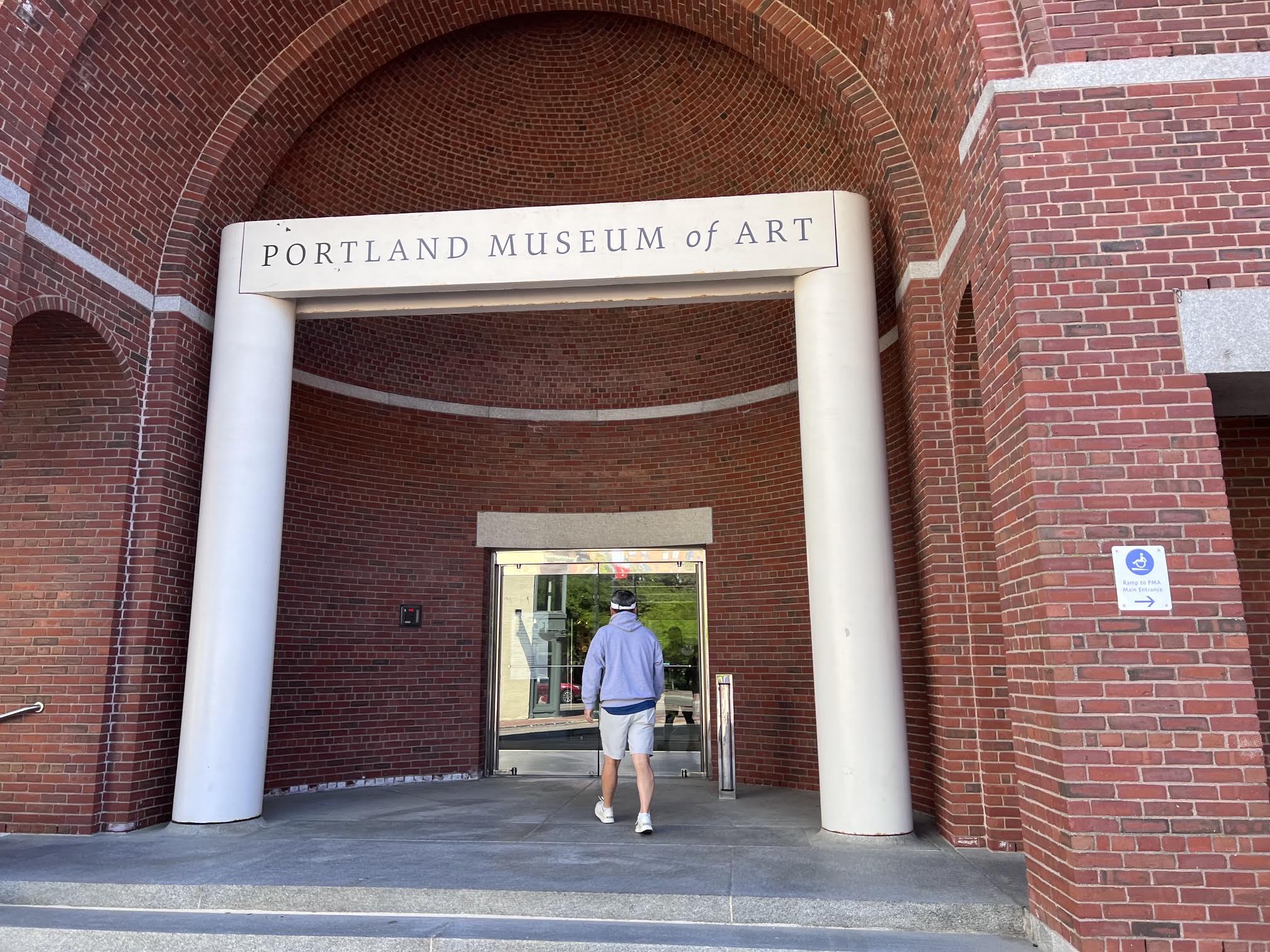
This investigative report examines the psychological, cultural, and practical dimensions of empty-nest travel. By focusing on a recent excursion to the Portland Museum of Art in Maine, we explore how unhurried access to cultural institutions transforms the travel experience. Furthermore, this piece delves into how a lifelong exposure to art shapes the next generation, bridges familial bonds, and fosters an enduring appreciation for creative expression.
Detailed Chronology: From Family Obligations to Unfettered Exploration
Phase One: The Initial Transition and the Symphony of Silence
When the heavy front door closes behind the youngest child heading off to college or independent living, the immediate psychological impact is often palpable. For years, domestic life operated with the predictable, high-tempo rhythm of a symphony orchestra: morning rushes, academic carpools, athletic practices, and evening meal preparations.
Initially, the sudden quiet can feel disorienting, even sad. The physical absence of children leaves visible and emotional gaps in the daily routine. Yet, sociologists and family therapists note that this period of grief is typically transitory. Within a few years, couples adapt to the new equilibrium. The absence of domestic obligations gradually gives way to a liberating realization: time is once again entirely one’s own.
Phase Two: The Rediscovery of Spontaneity
As the shock of the empty nest fades, couples begin to experiment with autonomy. Decisions that once required extensive logistical planning—such as weekend getaways, dining out at adult-oriented restaurants, or sleeping in on a Saturday morning—become effortless choices.
For many, this newfound freedom translates directly into travel. When children were young, vacations were inherently family-centric, designed to entertain diverse age groups with varying thresholds for boredom. Museums, historical sites, and cultural landmarks were frequently visited under the pressure of a metaphorical ticking clock. Parents learned to master the art of the "speed-walk" through galleries, casting fleeting glances at masterpieces while simultaneously managing restless children.
Phase Three: The Unhurried Cultural Excursion
The contemporary empty-nester travel experience is defined by the absolute absence of a ticking clock. Unburdened by the need to rush children to the gift shop or manage meltdowns, couples can engage with cultural institutions on their own terms.
A recent paradigm of this leisurely travel style unfolded during a weekend trip to Portland, Maine. Known for its picturesque historic waterfront, thriving culinary scene, and vibrant creative community, Portland offers an ideal retreat for travelers seeking both relaxation and intellectual stimulation. At the center of the city’s cultural offerings is the Portland Museum of Art (PMA)—an institution that houses an extensive collection spanning centuries of creative output.
During this recent visit, the dynamic of museum-going was entirely transformed. Without the pressure to rush, the travelers were able to immerse themselves fully in the galleries. In a moment that underscores the serendipity of unhurried exploration, a stunning wing dedicated to impressionist art—featuring delicate brushwork, luminous light studies, and evocative landscapes—was nearly overlooked. Thanks to the relaxed pace, an observant spouse spotted the gallery entrance, opening the door to an unhurried, deeply contemplative engagement with masterworks of the impressionist movement.
Supporting Context & Metrics: The Economics and Psychology of Empty-Nest Travel
To understand the rise of empty-nest cultural tourism, one must look at broader demographic and economic trends. Travel industry analysts report a steady surge in bookings among travelers aged 55 and older, a demographic often referred to as "active empty-nesters" or "prime-time travelers."
The Economic Impact of Mature Travelers
Discretionary Spending: According to tourism boards, mature travelers outspend younger demographics on experiential tourism, fine dining, and cultural admissions.
Flexible Scheduling: Empty-nesters are uniquely positioned to travel during shoulder seasons (spring and fall), helping museums and coastal cities maintain steady economic vitality year-round.
Investment in Cultural Capital: Rather than purchasing material goods, this demographic increasingly invests in enriching experiences, including museum memberships, guided architectural tours, and theater tickets.
The Intergenerational Legacy of Art Education
Interestingly, the museum-going habits instilled during childhood often leave a lasting impression on the next generation, even if those family trips felt rushed at the time. Family dynamics around art are rarely monolithic. While some children may have chafed under the constraints of a traditional museum visit, early exposure frequently plants the seeds for lifelong appreciation.
Consider the diverse trajectories of children raised in art-conscious households:
Professional Pursuit: Many children who were dragged through art museums as youngsters ultimately find their calling in the creative industries, pursuing formal training at dedicated art colleges.
Active Patronage: Others develop into passionate collectors and patrons of the arts, supporting local galleries, attending charity auctions, and actively preserving cultural heritage.
Lifelong Literacy: Even those who do not pursue art professionally develop a sophisticated visual literacy that enriches their personal and professional lives.
The experience at the Portland Museum of Art reflects this cycle. The parents, having spent decades introducing their children to cultural institutions, are now reaping the rewards of a quieter, more reflective engagement with art—while their children continue to interact with the art world in their own professional and personal capacities.
Official Statements and Expert Perspectives
Cultural tourism experts and psychologists emphasize the profound benefits of travel during the empty-nest life stage.
Dr. Elena Vance, a developmental psychologist specializing in mid-life transitions, notes:
"The empty nest is frequently mischaracterized as a period of decline. In reality, it represents a crucial developmental window. Couples have the psychological bandwidth to reconnect with their pre-parental identities, pursue shared intellectual curiosities, and forge new traditions. Cultural travel acts as a catalyst for this renewal, stimulating curiosity and strengthening marital bonds through shared aesthetic experiences."
Furthermore, museum administrators have noted a distinct shift in visitor demographics. Museum curators highlight that while school groups and families remain vital to their educational missions, mature couples without children represent a growing segment of dedicated, repeat visitors who appreciate quiet galleries and deep engagement.
A spokesperson for regional tourism development in New England observed:
"Destinations like Portland, Maine, offer a perfect synthesis of coastal charm, culinary excellence, and rich artistic heritage. We are seeing a marked increase in mature travelers who come not just for a weekend getaway, but specifically to engage with our cultural institutions at a contemplative pace."
Future Outlook: The Expanding Horizon of Cultural Tourism
As demographic shifts continue and populations age healthily into vibrant later stages of life, the market for empty-nest cultural tourism is poised for significant expansion. Travel providers, boutique hotels, and regional museums are increasingly tailoring their offerings to meet the sophisticated demands of this demographic.
Emerging Trends in Empty-Nest Travel:
Curated Artistic Itineraries: Travel agencies are designing bespoke packages that combine boutique accommodations with private museum tours, artist studio visits, and gourmet culinary experiences.
Proximity Tourism: As demonstrated by visits to regional hubs like Portland, Maine, couples are increasingly valuing accessible, high-quality destinations that require manageable travel times, allowing for frequent, low-stress getaways.
Lifelong Learning Vacations: Programs that integrate art history lectures, hands-on workshops, and gallery explorations into standard travel itineraries are seeing unprecedented demand.
Ultimately, the empty-nest phase is proving to be a golden era of personal discovery. By trading the logistical complexities of family travel for the liberating simplicity of unhurried exploration, couples are redefining what it means to travel well. Whether discovering hidden impressionist wings in coastal New England galleries or simply enjoying a leisurely meal in a vibrant culinary city, today’s empty-nesters are proving that the best chapters of life’s journey are often written with freedom, curiosity, and an eye for enduring beauty.












Comments
Facebook App ID not configured. Please add it in the Customizer.