

In contemporary American literature, few subjects are as intensely scrutinized yet delicately handled as the anatomy of grief, caregiving, and familial obligation. On September 14, 2026, the literary community turned its collective gaze toward poet and educator Christine Marshall, whose searingly honest work "Ataxia" was named Poem of the Week following its recognition as a finalist for the prestigious 2026 Perkoff Prize.
Set against the backdrop of Marshall’s extensive literary pedigree—including publications in Best American Poetry, Agni, The Missouri Review, and her sophomore poetry collection, Night Halves (Gunpowder Press, 2026)—"Ataxia" transcends personal elegy to become a universal meditation on chronic illness, caregiver burnout, and the emotional physics of enduring love. The poem pivots on a rare, degenerative neurological disorder, using its chilling progression as a lens to examine how families bear the unbearable. Through striking imagery—comparing the burden of familial duty to a basket of water hanging from a mule’s neck and framing divine presence as a crushing, million-pound cloud—Marshall crafts an unflinching portrait of a daughter tending to her declining father.
This feature explores the cultural and literary significance of Marshall’s achievement, contextualizes the debilitating reality of the disease that inspired the verse, examines the structural brilliance of the poem itself, and highlights the broader implications of art that gives voice to invisible suffering.
Read Also
Detailed Chronology: The Evolution of Night Halves and the Path to the Perkoff Prize
The trajectory of Christine Marshall’s "Ataxia" is deeply intertwined with her evolution as a prominent voice in contemporary verse. Based in Charlotte, North Carolina, where she actively teaches and writes, Marshall has spent over a decade refining a poetic voice that balances lyrical restraint with emotional devastation.
The Literary Milestones of Christine Marshall
- 2018: Marshall releases her debut poetry collection, Match, published by Unicorn Press, establishing her reputation for sharp observation and emotional clarity. Her poems and essays begin finding homes in top-tier literary magazines, including The Missouri Review, The Sun, Poetry Daily, and Agni, eventually earning a coveted nod in Best American Poetry.
- Early 2026: Marshall completes and releases her second full-length poetry collection, Night Halves, via Gunpowder Press. The collection showcases a maturation of her thematic concerns, digging deeper into domestic landscapes, interior psychology, and the friction between mortal vulnerability and endurance.
- Mid-2026: "Ataxia" is submitted to the judges of the 2026 Perkoff Prize—an award known for honoring poetry and fiction that explores the intersections of health, medicine, and the human body. The poem resonates deeply, earning finalist status.
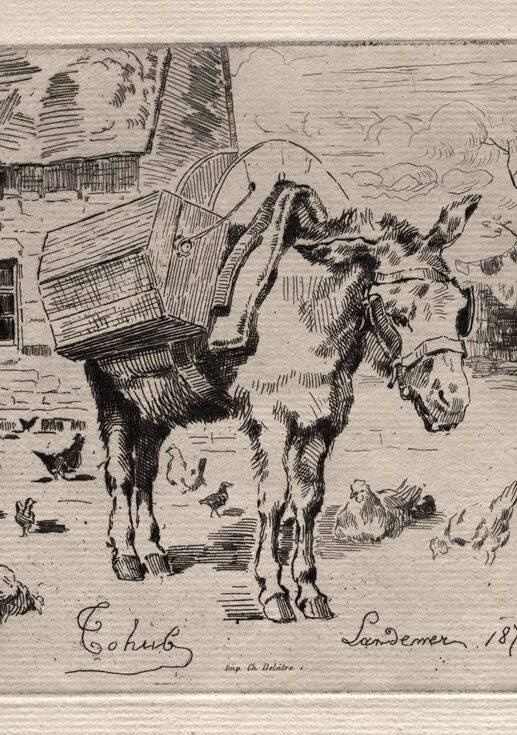
- September 14, 2026: The Missouri Review officially designates "Ataxia" as its Poem of the Week, pairing the text with Félix Hilaire Buhot’s 1872 artwork, The Mule, Marie-Jeanne, and bringing national attention to Marshall’s unflinching portrayal of neurological decline.
Supporting Context & Metrics: Understanding Ataxia and the Caregiver Crisis
To fully appreciate the emotional architecture of Marshall’s work, one must understand the medical and sociological realities that form its foundation. "Ataxia" is not merely an exercise in metaphor; it is anchored in the grueling, day-to-day reality of a degenerative condition that defies easy public comprehension.
What is Ataxia?
Ataxia refers to a group of neurological disorders that affect coordination, balance, and speech. Because it is less culturally omnipresent than conditions like Parkinson’s disease or Amyotrophic Lateral Sclerosis (ALS), caregivers frequently find themselves performing an exhausting dual labor: managing the physical symptoms of the illness while educating an ignorant public. As Marshall notes in the poem’s opening lines:
"Ataxia is a disease nobody knows, so I compare / your illness to ALS or Parkinson’s, more familiar."
The Hidden Metrics of Caregiving
The emotional toll captured in Marshall’s lines—"It’s been six years since I’ve had a good night’s sleep"—speaks to a broader public health crisis regarding informal caregivers in the United States:
- The Toll of Chronic Exhaustion: Studies consistently show that long-term caregivers experience clinical levels of sleep deprivation, anxiety, and depression at rates significantly higher than the general population.
- The Burden of Communication Breakdown: The poignant moment in the poem where the father repeats, "I’m sorry I’m such a dud," three times before the speaker can decipher his degraded speech highlights the isolating linguistic barrier erected by neurodegenerative disorders.
- The Economics of Burden: While medicine measures disease progression in motor-function scales and speech intelligibility indices, literature measures it in the weight of unexpressed resentment, fractured faith, and sleepless nights.
Official Statements and Author Insights
In her official author’s note accompanying the publication, Marshall sheds light on the lived experiences that birthed the text, bridging the gap between artistic creation and raw autobiographical truth:
"Ataxia is a little-known neurological disorder that impairs coordination, balance, and speech. This poem explores the fury and heartbreak of watching my beloved father struggle with the disease, and the complex reality of family dynamics."
The tension between "beloved" and "fury" is precisely what elevates the poem from sentimental diary entry to masterclass in contemporary craft. Marshall refuses to sanitize the experience of caregiving. There are no saints here, only humans operating under impossible pressures.
In an interview-style reflection on the piece, literary critics have noted how Marshall subverts classical archetypes. By invoking Edith Hamilton’s classic studies of mythology—noting that "There are no martyrs in Edith Hamilton. / There’s murder, incest, rape—outrage / moves rather than seething, bitter stew"—Marshall rejects the passive, suffering martyr trope. She demands an active, roaring acknowledgment of pain rather than a quiet, dutiful martyrdom.
Textual Analysis: A Closer Look at "Ataxia"
Ataxia

is a disease nobody knows, so I compare your illness
to ALS or Parkinson’s, more familiar.

Familiar, rooted in “family.” Family,
basket of water hanging from a mule’s neck.

In the myth of family, there is no resentment.
It never roots in your pelvis, climbs your spine
or wakes you through the night, flames
spitting from your dreams.

My instinct, now that I’ve made that metaphor
of a burdened work animal, is to disclaim.
Apologies. No heavy emotions here.

Do you know clouds can weigh one million pounds?
It’s been six years since I’ve had a good night’s sleep.

There are no martyrs in Edith Hamilton.
There’s murder, incest, rape—outrage
moves rather than seething, bitter stew.
What’s happening in there, Dad?
Are you angry?

I’m sorry I’m such a dud, you repeat
three times before I can understand you.

Not “Fucking hell.” Not
What did I do to deserve this?

I wonder if your faith has expired, disease
immobilized your love of God.

Fucking hell. I’m so angry
I could spit lightning, weep clouds.

God weighs a million pounds
and is hanging like family around my neck.
Marshall’s use of enjambment mirrors the stumbling gait of the disease itself; lines break awkwardly, mirroring a loss of physical and linguistic balance. The linguistic play on familiar and family exposes the etymological weight of domestic ties—how those we love can become simultaneously our greatest source of comfort and an unyielding yoke.
The emotional climax of the poem arrives in the stark juxtaposition between the father’s internalized self-reproach ("I’m sorry I’m such a dud") and the daughter’s volcanic, suppressed rage ("Fucking hell. I’m so angry / I could spit lightning, weep clouds"). By aligning the immense weight of the divine with the burden of familial care—"God weighs a million pounds / and is hanging like family around my neck"—Marshall achieves a transcendent synthesis of the sacred and the profane.
Future Outlook: The Legacy of Night Halves and Ongoing Conversations in Medical Humanities
As Christine Marshall’s "Ataxia" continues to circulate through literary journals and academic syllabi following its September 2026 recognition, its impact extends far beyond the pages of The Missouri Review.
- Advancement in Medical Humanities: Works like Marshall’s Night Halves and poems like "Ataxia" are increasingly utilized in medical school curricula and nursing programs to foster empathy, train practitioners in patient-family dynamics, and bridge the gap between clinical data and human suffering.
- The Future of Marshall’s Oeuvre: With two critically acclaimed poetry collections now in print, Marshall is positioned as a vital voice in contemporary American poetry, paving the way for more unflinching, unromanticized explorations of domestic labor, aging, and bodily betrayal.
- Cultural Shifts in Caregiver Visibility: As societies in the developed world face aging populations and rising rates of neurodegenerative conditions, cultural artifacts that give voice to the caregiver’s shadow-grief—the exhaustion, the fleeting resentment, and the fierce, protective love—become indispensable cultural touchstones.
Christine Marshall has not merely written a poem about a rare disease; she has mapped the topography of human endurance, proving that poetry remains our most potent instrument for naming the unnameable and bearing the unbearable weight of love.





Comments
Facebook App ID not configured. Please add it in the Customizer.