
Executive Overview
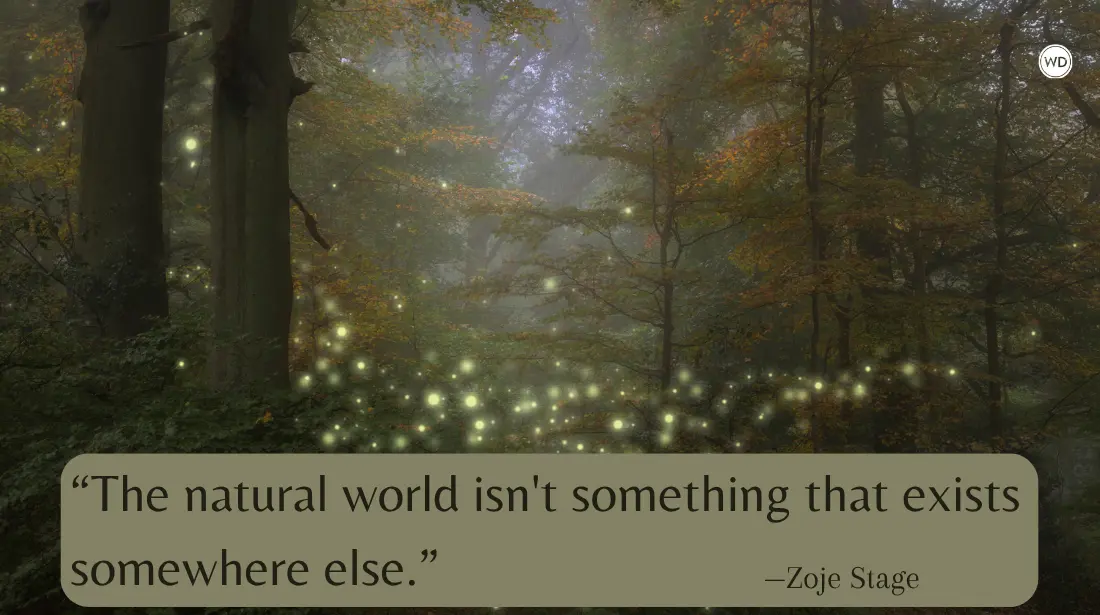
For generations, the narrative of modern urbanization has been written in asphalt, concrete, and the relentless expansion of residential infrastructure. The prevailing human assumption remains that nature exists “elsewhere”—confined within the borders of national parks, remote wildlife refuges, or distant tropical rainforests. However, a growing cohort of urban ecologists and backyard naturalists are challenging this paradigm. Nature is not a distant destination; it is an immediate, interwoven neighbor quietly struggling to survive in the fractured remnants of urban and suburban landscapes.
When author Zoje Stage transitioned from decades of apartment living to a residential townhouse in the heart of Pittsburgh in March 2020, her initial encounter with her new environment set the tone for a profound ecological awakening. Perched directly against an unbuildable, steeply sloped triangular acre of wild terrain, her back deck became an unexpected portal into a complex, fragile micro-ecosystem. From peregrine falcons staking claims on bare winter branches to white-tailed deer utilizing suburban garden beds as nurseries for vulnerable fawns, Stage’s experience encapsulates a universal tension: the delicate, often heartbreaking interface between human habitation and urban wildlife.
This investigative feature examines the realities of human-wildlife coexistence in densely populated residential areas. By analyzing the day-to-day tribulations of urban fauna—ranging from the unseen impacts of Homeowners Association (HOA) landscape management to the psychological toll placed on human residents who bear witness to these ecological tragedies—we explore the broader systemic failures of modern land management. Ultimately, this article investigates how urban micro-ecosystems serve as stark barometers for global environmental health, urging a critical reevaluation of how humanity shares the earth.
Read Also
Detailed Chronology: A Season in the Urban Wild
The narrative of urban wildlife is rarely one of unmitigated pastoral harmony; rather, it is a dynamic, high-stakes drama played out in miniature across suburban lawns, utility easements, and untamed ravines.
Spring 2020: First Encounters and the Art of Concealment
Upon moving into her Pittsburgh residence at the onset of the global pandemic, Stage’s immediate introduction to the local fauna was marked by apex predators and elusive prey. A peregrine falcon—a testament to successful urban conservation efforts—surveyed the neighborhood from a bare winter branch. Within two months, the urban wilderness revealed its softer, more vulnerable side: a plump, silky white-tailed doe materialized mere feet from the back door, having birthed a newborn fawn.
Wildlife biologists note that urban does frequently select suburban yards for calving. These locations, while carrying human-centric risks, often offer a lower density of large, free-roaming mammalian predators (such as coyotes or bobcats). To protect the newborn while foraging, the doe leaves the fawn hidden elsewhere. Nature equips these neonates with dual evolutionary mechanisms: dappled coats that mimic sun-filtered forest floors and a near-total absence of scent. This lack of an olfactory footprint allows the mother to safely graze at a distance, drawing potential predators away from her vulnerable offspring.
Sustenance, Stewardship, and Suburban Sorting
As the months progressed, the backyard evolved into a communal feeding ground. Year-round provisioning—consisting of fresh water in a colorful glass bird bath, black oil sunflower seeds, peanuts, and seasonal produce—mapped out a strict ecological hierarchy among the neighborhood’s residents:
- Avian and Small Mammal Foragers: Blue jays, chickadees, chipmunks, and grey squirrels concentrated almost exclusively on the seed offerings.
- Ungulates: White-tailed deer demonstrated a distinct partiality for garden trimmings, notoriously targeting strawberry tops and decorative flora.
- Ground-Dwelling Herbivores: Groundhogs systematically consumed slightly wilted salad greens, while more timid rabbits settled for remaining scraps.
- The "Trash Panda" Paradox: Raccoons—widely stereotyped in popular culture as indiscriminate scavengers—exhibited unexpected culinary pickiness, repeatedly spurning offerings of organic baby carrots.
The Ledger of Loss: Navigating Natural and Anthropogenic Tribulations
The role of backyard steward quickly transitioned from passive observer to active, often grieving participant. The harsh realities of wild existence played out in vivid detail:
- Injury and Resilience: A young button buck (a male fawn growing its first antlers) spent weeks navigating the terrain with a severe leg injury, prompting weeks of anxiety for local observers.
- Fostering and Adoption: Following the death of a weak young doe, her twin fawns were miraculously adopted by another mother who possessed a similarly aged offspring, highlighting the communal safety nets operating within wild populations.
- Failed Rescues: An attempt to rehabilitate an injured rabbit at a local wildlife center failed due to irreversible neurological trauma.
- Displacement: A brawny, aggressive groundhog violently displaced a beloved three-legged groundhog and her four dependent kits. Despite the young groundhogs—resembling "tribbles with feet"—consuming newly planted flowers, their aesthetic charm easily outweighed their minor garden depredations.
- Winter Mortality: An unusually harsh winter characterized by deep snowpacks and relentless, sub-zero temperatures decimated the local squirrel population, leaving behind a sobering reminder of nature’s unforgiving seasonal filters.
Supporting Context & Metrics: The Human Footprint on Urban Ecosystems
While the aforementioned tribulations appear natural, an underlying web of anthropogenic (human-caused) pressures systematically stacks the deck against urban wildlife. The micro-ecosystem of a Pittsburgh ravine mirrors global ecological crises:
1. Chemical Deterrence and Habitat Fragmentation
Residential neighborhoods are heavily managed environments. The deployment of rodenticides by HOAs to control mice and voles introduces secondary poisoning into the food web, impacting raptors, foxes, and domestic pets. Furthermore, the relentless clearing of mature trees by property management groups strips birds, squirrels, and raccoons of nesting sites and arboreal highways.
2. Infrastructure and Heavy Machinery
Road networks dissect traditional migration and foraging territories, resulting in high rates of vehicle-wildlife collisions. Simultaneously, utility maintenance—such as cable companies clearing wide swaths of native vegetation—destroys understory habitats. The deployment of heavy machinery during these operations obliterates ground-dwelling amphibians, insects, and small mammals, with operators largely indifferent to the sanctuaries they breach.
3. Cultural and Industrial Valuations
Urban planning historically prioritizes pavement over wildflowers, manicured turf over native meadows, and competitive industry over ecological coexistence. Culturally, humanity has operated under the false premise of absolute dominion over air, soil, and water. When human-wildlife conflicts arise—whether deer browsing ornamental shrubs or rodents seeking shelter—the default societal response remains lethal eradication, creating a continuous loop of reactionary intervention.
Official Statements and Expert Perspectives
The friction between urban development and wildlife management has prompted renewed dialogue among conservationists, urban planners, and behavioral scientists.
Dr. Elena Vance, an urban wildlife ecologist at the Carnegie Museum of Natural History, emphasizes that urban spaces are no longer ecological dead zones:
"We have spent decades viewing cities as concrete fortresses entirely divorced from nature. In reality, species are adapting with remarkable behavioral plasticity. Peregrine falcons nest on suspension bridges, and coyotes navigate storm drains. However, adaptability does not equate to invulnerability. Every time we remove an acre of underbrush or blanket a lawn with systemic pesticides, we are systematically eroding the ecological buffer zones that sustain these populations."
Environmental ethicist Marcus Thorne highlights the psychological toll experienced by urban residents who bear witness to these daily struggles:
"There is a profound psychological weight carried by people who open their windows and watch wild animals suffer the consequences of municipal negligence or corporate indifference. When a resident yells at a backhoe operator, they are engaging in a proxy war for an entire ecosystem that lacks a legal voice. Animals cannot lobby city councils, file injunctions, or speak at HOA meetings. Their advocates are, by necessity, the humans living on the immediate frontline of contact."
Future Outlook: Redefining Coexistence
The intersection of human residential life and wild animal territories demands a fundamental shift in perspective. As urbanization intensifies globally, the traditional methodology of eradication and spatial segregation is proving both unsustainable and ecologically catastrophic.
Towards Compassionate Stewardship
The experiences of backyard naturalists in Pittsburgh and beyond underscore the urgency of transitioning from hostile management to active, empathetic stewardship. Key pathways toward sustainable urban coexistence include:
- Native Landscaping Mandates: Encouraging or legally protecting native plant corridors within residential developments to restore foraging and nesting habitats.
- Wildlife-Friendly Infrastructure: Implementing wildlife crossings over major urban thoroughfares, utilizing non-lethal pest control methods, and restricting the use of secondary-poison rodenticides within HOAs.
- Legal and Ethical Recognition: Acknowledging that non-human animals possess internal emotional lives, familial bonds, and a shared right to the ecological commons.
Ultimately, as Zoje Stage’s reflections suggest, the victories in urban conservation are frequently microscopic—spotting a pair of rabbits frolicking in wet brush during the golden hour, or monitoring a wobbly-legged fawn huddling under a crabapple tree during a summer thunderstorm. While these moments offer profound emotional resonance, they also serve as a humbling reminder: humanity’s current footprint is too heavy, and our stewardship remains insufficient.
To secure the future of our urban ecosystems, society must internalize the reality that nature is not a luxury to be visited on weekends, but an essential, breathing community surrounding us—one that we have a moral obligation to protect, respect, and finally, learn to live alongside.




Comments
Facebook App ID not configured. Please add it in the Customizer.