
Executive Overview
The image of the rock star has long been anchored in a mythology of excess: private jets, sold-out stadium tours, endless adulation, and a seemingly indestructible lifestyle defined by the creed of "sex, drugs, and rock and roll." For decades, the music industry—and the public relations machines driving it—fostered a culture where vulnerability was viewed as a liability. Icons were marketed as larger-than-life deities immune to the mundane struggles of ordinary human existence.
However, a profound cultural shift has taken place over the past two decades. As the veil of glamorized self-destruction has lifted, a growing number of legendary musicians have turned to the written word, producing autobiographies that systematically dismantle the myth of the untouchable icon. Rather than serving as vanity projects designed to rehash greatest hits, these memoirs offer raw, unvarnished windows into the profound personal crises, debilitating addictions, and paralyzing mental health battles that occurred far away from the flashbulbs.
This literary movement—featuring landmark works by artists such as Nikki Sixx, Keith Richards, Anthony Kiedis, Sting, and Bruce Springsteen—does more than merely satisfy the public appetite for backstage gossip. It reframes the narrative of fame, transforming harrowing accounts of personal collapse into blueprints for resilience, recovery, and psychological survival. By confronting their inner demons on the page, these artists have not only found personal catharsis but have also provided a cultural service, helping to destigmatize conversations surrounding addiction, trauma, and mental health on a global scale.
Read Also
Detailed Chronology of the Rock Memoir Evolution
To understand the modern landscape of musician-authored autobiographies, it is necessary to examine how the genre evolved from sanitized, ghostwritten publicity tools into gritty, confessional literature.
The Era of Sanitized Myth-Making (1960s–1980s)
In the formative decades of modern rock music, autobiographies were rare and frequently treated with skepticism. When musicians did release books, they typically read like extended press releases. Ghostwriters smoothed out the rough edges, sanitized wild exploits, and avoided uncomfortable truths about substance abuse or psychological distress. The objective was clear: protect the brand, maintain the fantasy, and keep ticket sales high. Vulnerability was bad for business.
The Turning Point: The Raw Realism of the 2000s
The paradigm began to shift dramatically at the turn of the 21st century, catalyzed by changing societal attitudes toward mental health and recovery. Fans and publishers alike grew weary of polished fairy tales, craving authenticity instead.
- 2004: The publication of Scar Tissue by Anthony Kiedis marked a watershed moment. Kiedis offered an unflinching, clinical-grade look at a lifelong cycle of addiction, shattering the romanticized rock-star trope by detailing the sheer loneliness and physical degradation of drug dependency.
- 2007: Nikki Sixx released The Heroin Diaries: A Year in the Life of a Shattered Rock Star. Compiled directly from journals kept during his darkest days in the late 1980s, the book discarded retrospective gloss. It presented a day-by-day, harrowing descent into near-fatal addiction, capturing the claustrophobia and psychological terror of active substance abuse in real time.
- 2010: Keith Richards—arguably the ultimate symbol of surviving rock-and-roll decadence—published Life. Far from being a simple catalogue of partying, Richards provided a sharply observed, deeply human chronicle of creative partnership, police harassment, and the heavy toll exacted by decades of high-stakes global touring.
The Introspective Turn: Grief, Family, and the Mind (2000s–2016)
As the genre matured, it expanded beyond addiction narratives to encompass the quieter, more insidious struggles of emotional trauma and psychological distress.
- 2003: Sting’s Broken Music broke the mold by focusing heavily on childhood grief, complex family dynamics, and the psychological weight of upward mobility, proving that rock memoirs could function as high literary introspection.
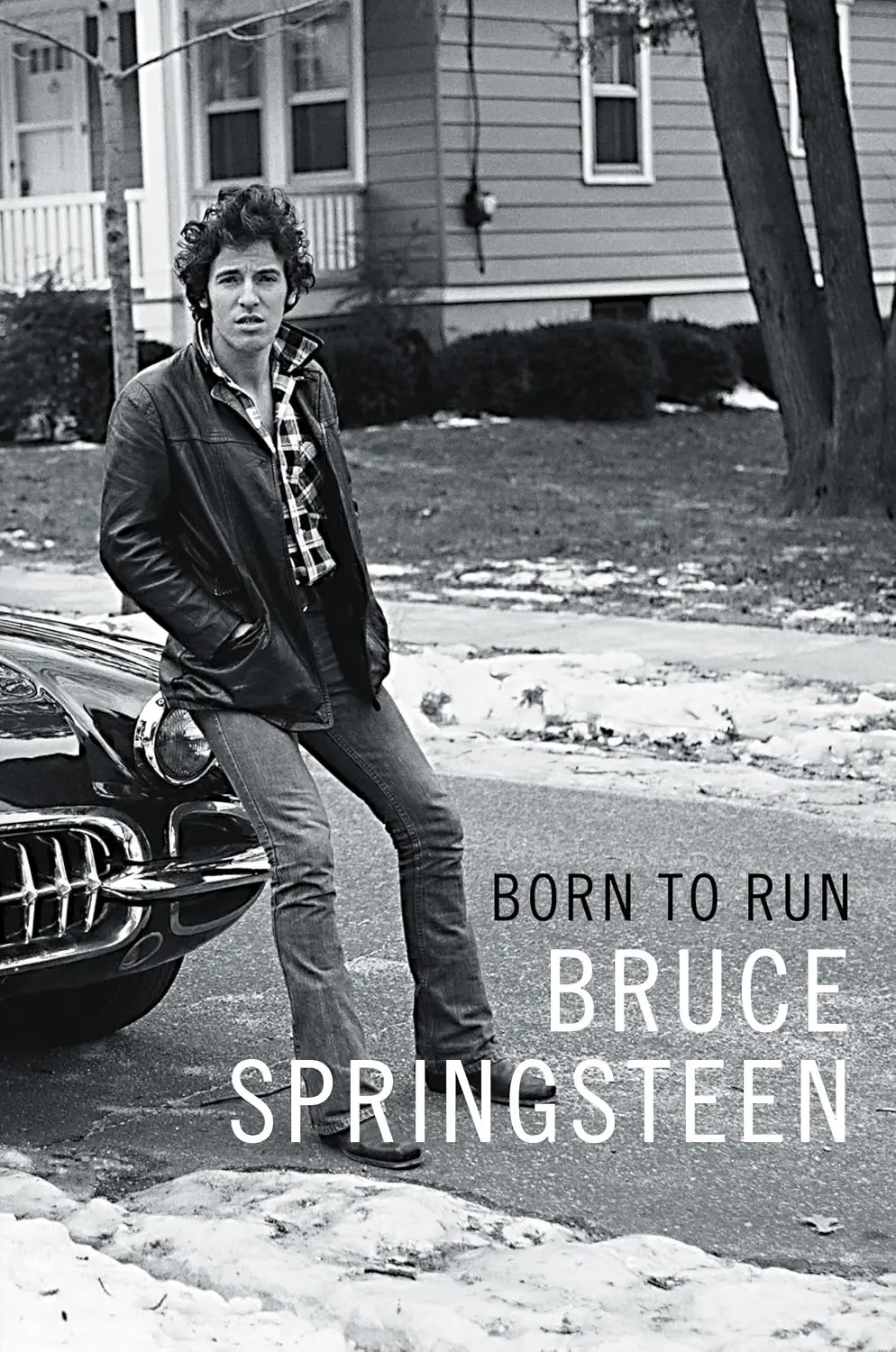
- 2016: Bruce Springsteen released Born to Run. By dedicating substantial portions of his memoir to his battle with severe clinical depression and generational trauma, Springsteen bridged the gap between working-class humanity and rock royalty, proving that massive stadium-filling success provides zero immunity against the chemical imbalances of the brain.
Supporting Context & Metrics: The Anatomy of Music Industry Trauma
While autobiographies provide the narrative human face to these struggles, sociological and psychological data illuminate why the music industry has proven to be such a hazardous environment for mental health.
The Strains of the Touring Lifestyle
Life on the road is frequently romanticized, but clinical studies paint a starkly different picture. According to ongoing psychological research focusing on touring musicians, life on a continuous circuit of buses, hotels, and arenas induces chronic sleep deprivation, profound isolation, and intense performance anxiety.
- A widely cited study by Help Musicians UK found that artists and industry professionals are up to three times more likely to suffer from anxiety and depression compared to the general population.
- The jarring transition from the adrenaline-fueled roar of tens of thousands of fans to the silent, echoing emptiness of a hotel room creates a psychological crash known colloquially as "post-tour depression." To bridge this gap, many artists historically turned to chemical coping mechanisms.
The Shift in Public Reception
The commercial and critical success of these memoirs reflects a broader cultural appetite for authenticity. Modern audiences—particularly younger generations—place a premium on emotional transparency from public figures. When rock legends admit to hospitalization, therapy, and years of grueling recovery, it strips away the unhealthy pedestals upon which society places entertainers.
Furthermore, the literary market has responded enthusiastically. Books like Born to Run and Life spent months atop international bestseller lists, proving that the consumer base is far more interested in the messy, complicated truth of human perseverance than in curated perfection.
Detailed Case Studies: Five Masterclasses in Literary Vulnerability
1. The Heroin Diaries by Nikki Sixx
Nikki Sixx’s The Heroin Diaries remains a gold standard for uncompromising autobiographical writing. Rather than looking back at his Motley Crue heyday through a hazy, nostalgic lens, Sixx resurrected the actual notebooks he kept in 1986 and 1987—a period culminating in his infamous, temporary death from a drug overdose.
What elevates the book is its absolute refusal to glamorize addiction. Sixx details rotting apartments, paranoia, alienated bandmates, and the chilling emptiness of hollow fame. By juxtaposing his past journal entries with retrospective commentary from friends, family, and medical professionals, Sixx demonstrates that recovery is not an overnight epiphany, but a grueling, daily architectural reconstruction of the self.
2. Life by Keith Richards
Keith Richards is frequently treated as an immortal outlier—a man who defied medical science by surviving decades of severe substance abuse. Yet, Life strips away the cartoonish pirate persona to reveal a deeply sensitive musician, voracious reader, and meticulous archivist of American blues and rock history.
Richards writes with disarming candor about his creative symbiosis with Mick Jagger, the pain of legal persecution, and the realities of heroin addiction. Crucially, the memoir exposes the discipline required to maintain a career at the absolute apex of rock music, reminding readers that behind the chaotic exterior lies an obsessive work ethic and profound artistic devotion.

3. Scar Tissue by Anthony Kiedis
Anthony Kiedis’s Scar Tissue is a masterclass in tracing the generational roots of addiction. Kiedis details his unusual upbringing under the care of his father, a Hollywood actor and fringe drug dealer who introduced Kiedis to mind-altering substances at a remarkably tender age.
The memoir tracks Kiedis’s turbulent journey with the Red Hot Chili Peppers, marked by the tragic overdose of founding guitarist Hillel Slovak and Kiedis’s own revolving-door experiences with rehabilitation centers. By laying bare his relapses, his profound loneliness, and the strain placed on his closest friendships, Kiedis provides a vital literary document on the non-linear nature of healing.
4. Broken Music by Sting
Stepping away from the visceral shockwaves of drug memoirs, Sting’s Broken Music approaches the genre through the lens of a memoirist and poet. Focusing almost exclusively on his life before international stardom with The Police, Sting examines the claustrophobic atmosphere of his Tyneside working-class childhood, the dissolution of his parents’ marriage, and the heavy shadow of grief.
The book is an exploration of how emotional resilience is forged long before a person ever steps onto a stage. By focusing on quiet moments of doubt, intellectual curiosity, and artistic awakening, Sting proved that a compelling rock memoir does not require pyrotechnics or chemical excess to resonate deeply with readers.
5. Born to Run by Bruce Springsteen
Perhaps no recent memoir has had a more profound cultural impact than Bruce Springsteen’s Born to Run. "The Boss," an artist universally associated with boundless energetic stamina, American optimism, and blue-collar triumph, used the book to pull back the curtain on a lifelong, silent war with clinical depression.
Springsteen writes candidly about inheriting crippling psychological burdens from his emotionally distant father, noting how his relentless drive on stage was partly an attempt to outrun internal darkness. By detailing his decision to enter psychoanalysis, take medication, and lean heavily on his wife, Patti Scialfa, Springsteen humanized mental illness on a massive scale. His willingness to speak openly as an elder statesman of rock has given countless fans permission to seek help for their own mental health battles.
Official Statements and Industry Reflections
The cultural ripple effects of these autobiographical revelations have prompted widespread commentary from cultural critics, psychologists, and the artists themselves.
Reflecting on his decision to bare his soul in print, Bruce Springsteen noted in interviews surrounding his book release:
"You carry your-generation-defining baggage with you into every room you enter. Writing the book was an exercise in looking at those ghosts in the daylight, dragging them out from the corners of your mind, and realizing they no longer hold absolute power over you once you name them out loud."
Similarly, Nikki Sixx has frequently emphasized that The Heroin Diaries was written as a cautionary warning rather than an instruction manual:
"I kept those diaries because I was so lost I needed proof that I existed. When I decided to publish them decades later, it wasn’t to say, ‘Look how wild I was.’ It was to say to anyone currently drowning in addiction: ‘I was at the absolute bottom of the abyss, and there is a way back up to the light.’"
Literary critics and mental health advocates have heralded this wave of memoirs as a cultural turning point. By shifting the conversation away from tabloid sensationalism and toward clinical honesty, these books have helped dismantle the toxic notion that suffering is a mandatory prerequisite for artistic genius.
Future Outlook: The Next Generation of Authentic Storytelling
As the music industry continues to evolve in the digital age, the tradition of the confessional rock memoir shows no sign of slowing down. Younger artists—navigating the unique, modern pressures of constant social media scrutiny, cancel culture, and streaming-era financial anxieties—are increasingly taking control of their own narratives early in their careers.
The legacy left by Sixx, Richards, Kiedis, Sting, and Springsteen ensures that future generations of musicians will operate in a more compassionate industry. By proving that vulnerability does not diminish a legacy—but rather cements it in profound human truth—these iconic autobiographers have permanently rewritten the rules of rock and roll. The armor has been stripped away, and in its place stands something far more powerful: the unvarnished, enduring reality of the human spirit.





Comments
Facebook App ID not configured. Please add it in the Customizer.