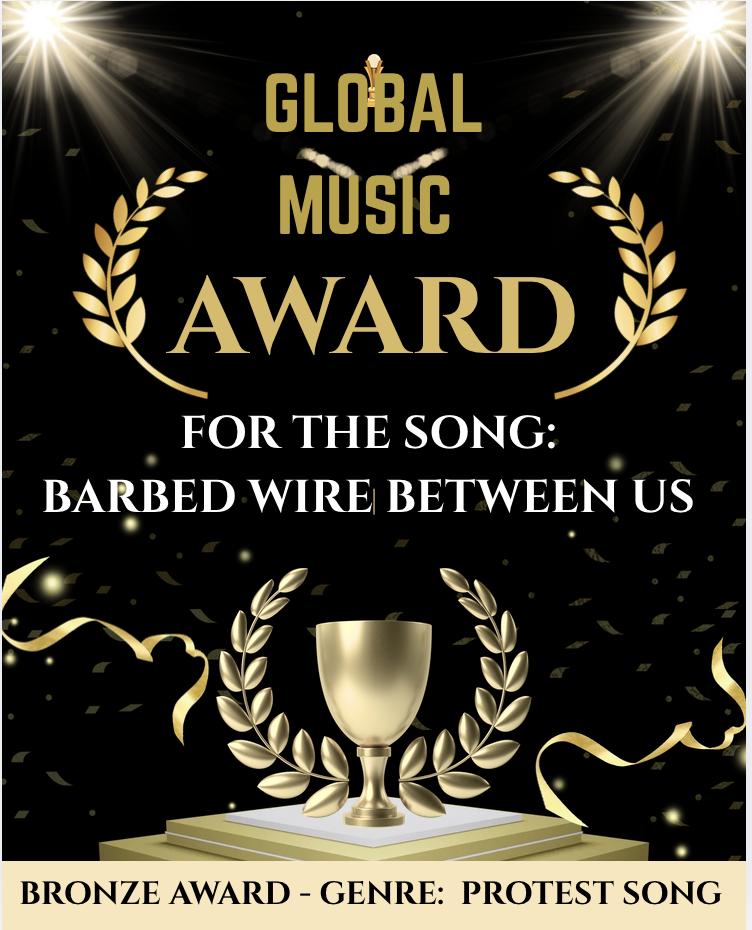
The intersection of historical remembrance and contemporary social critique has yielded a powerful new cultural milestone. Barbed Wire Between Us, an evocative original protest song by acclaimed children’s music artist Daria Marmaluk-Hajioannou (performing as Daria Music), has earned a prestigious Bronze Award in the protest song category at the Global Music Awards. This musical achievement amplifies the profound core themes of the companion picture book of the same name, authored by Mia Wenjen and illustrated by Violeta Encarnación.
Scheduled for publication in Spring 2026, Barbed Wire Between Us has already captured the literary world’s attention, securing starred reviews from major industry arbiters such as Publishers Weekly, Kirkus Reviews, and School Library Journal. As an innovative "reverso" picture book, it constructs a haunting dual narrative connecting the Japanese American internment camps of World War II with modern-day migrant family separation policies at the U.S. border. Together, Daria’s award-winning song and Wenjen’s poetic text challenge society to re-examine how historical civil rights violations echo into the present, targeting the most vulnerable populations: children.
This report provides a comprehensive analysis of the multi-medium cultural project, examining its structural composition, the creative forces behind its production, its critical reception, and its growing integration into educational curricula nationwide.
The creation and rollout of the Barbed Wire Between Us project represent a coordinated, multi-year convergence of historical research, artistic collaboration, and public advocacy.
Phase 1: Historical Genesis and Conception (2022–2024)
Author Mia Wenjen began conceptualizing a narrative that could encapsulate what she identified as a cyclical failure in American human rights protection. Recognizing the symmetry between the forced removal and incarceration of over 120,000 Japanese Americans following Executive Order 9066 in 1942 and the contemporary detention policies affecting migrant families at the U.S.–Mexico border, Wenjen utilized a complex poetic device: the reverso poem.
Working alongside illustrator Violeta Encarnación, Wenjen crafted a text where reading forward details the heartbreaking experience of a Japanese American girl in an Oklahoma internment camp during World War II. When read in reverse, the exact same words unveil the parallel journey of a Latina girl detained decades later within that same historical geographic footprint.
Phase 2: Musical Adaptation and Global Recognition (2025–2026)
As the manuscript gained traction with publishers—culminating in an acquisition by Red Comet Press—independent children’s music creator Daria Marmaluk-Hajioannou was drawn to the manuscript’s emotional gravity. Known for her advocacy-driven children’s world music via Daria World Music for Kids, Daria composed Barbed Wire Between Us: A Song About Kids in Detention Camps.
Designed to mirror the reverso nature of the book through lyrical motifs and haunting instrumentation, the song was released alongside a moving multimedia music video. In mid-2026, the Global Music Awards panel recognized this artistic translation, bestowing a Bronze Award upon Daria in the highly competitive protest song category.
Phase 3: Critical Acclaim and Curriculum Integration (Spring 2026)
Upon its official release in Spring 2026, Barbed Wire Between Us was named one of the most anticipated children’s books of the season by Kirkus Reviews. The book’s cultural footprint expanded beyond traditional bookstores through institutional partnerships, including exhibits at the Japanese American National Museum (JANM) and the rollout of an extensive, downloadable Teacher’s Guide designed to help educators navigate these complex historical and social topics in elementary classrooms.
Supporting Context & Metrics
To fully understand the weight of Barbed Wire Between Us, one must examine the critical and educational metrics surrounding the project.
Critical Reception Metrics
The book has achieved rare consensus praise across major literary trade publications:
Publishers Weekly (Starred Review): Commended the text as "A haunting dual narrative of imprisonment and family separation."
Kirkus Reviews (Starred Review & Most Anticipated Selection): Hailed the project as "A significant portrayal of ongoing U.S. civil rights violations, exposed through the experiences of young children."
School Library Journal (Starred Review): Designated the book as "A must-purchase for elementary poetry collections for its elegant combination of the seriousness of history repeating itself and the promise of a new tomorrow."
Socio-Historical Parallels
The project draws direct parallels between two distinct eras of American policy:
World War II Japanese American Internment (1942–1945): The forced relocation and internment of American citizens and resident aliens of Japanese descent, frequently housed in remote, hastily constructed camps—including sites in Oklahoma—surrounded by barbed wire and armed guards.
Contemporary Border Detention Policies: The systemic separation of migrant families and the confinement of children in border holding facilities and detention centers, characterized by institutional confinement and limited due process.
By compressing these two eras into a single, reversible poetic structure, the book forces readers aged 7 and up to confront whether institutionalized xenophobia and child detention represent an unbroken continuum in American governance.
Official Statements and Artistic Vision
The creators behind Barbed Wire Between Us have consistently emphasized that the project is not merely an artistic exercise, but an urgent moral inquiry.
Daria Marmaluk-Hajioannou on the Power of Protest Music
Upon receiving the Global Music Award bronze honor, Daria reflected on the responsibility of artists who create content for young audiences:
"Music has a unique capacity to bypass intellectual defenses and touch the human heart directly. Writing a protest song about children in detention camps is heavy work, but it is necessary work. When children and families listen to ‘Barbed Wire Between Us,’ I want them to feel the shared humanity of those behind the fence, and to realize that empathy is the first step toward true justice."
Mia Wenjen on Historical Memory
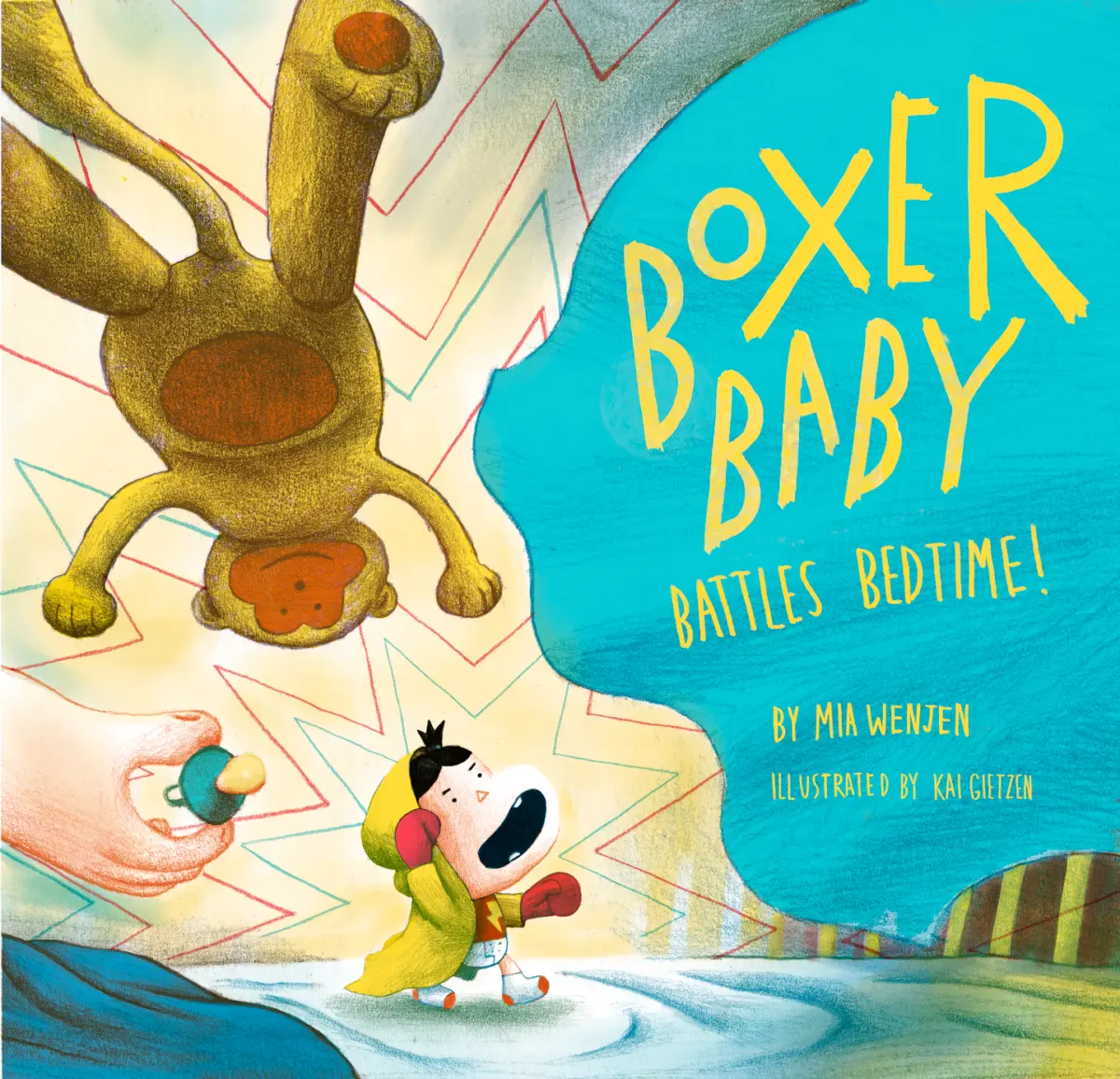
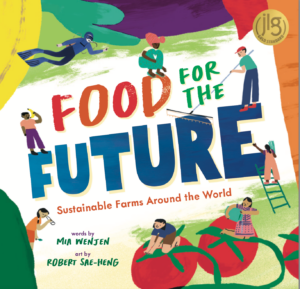
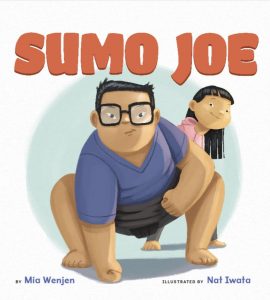
Author Mia Wenjen has frequently addressed the necessity of introducing complex civil rights histories to young readers through accessible yet unflinching literature. Speaking on her body of work—which includes Postcards from Malcolm X: How Yuri Kochiyama Became a Civil Rights Activist, We Sing from the Heart, and Fortune Cookies for Everyone!—Wenjen notes that children possess an innate sense of fairness:
"Kids understand immediately when something is unfair. By placing an internment camp story and a migrant detention story into a reverso structure, I wanted to show that history doesn’t just happen in the past—it ripples forward. If we don’t recognize the patterns of the past, we are doomed to repeat them on new generations of innocent children."
Future Outlook and Educational Impact
As Barbed Wire Between Us establishes itself as a staple of contemporary children’s literature and socially conscious music, its long-term trajectory is defined by educational outreach and community engagement.
Expanding Classroom Resources
With the distribution of the free, downloadable Barbed Wire Between Us Teacher’s Guide, educators are increasingly utilizing the book and Daria’s accompanying song as cross-curricular tools. The guide integrates language arts (focusing on poetic structures and reverso writing) with social studies and civic education. Furthermore, associated interactive activities—such as learning how to fold origami cranes, a traditional symbol of hope and healing rooted in the Japanese American internment experience—provide tactile emotional outlets for young learners processing heavy historical themes.
Cultural and Institutional Legacy
Exhibitions such as the featured showcase at the Japanese American National Museum underscore the project’s resonance with historical preservation societies and human rights organizations. By bridging historical archives with modern civil rights discourse, Barbed Wire Between Us has carved out a vital space in the literary ecosystem.
As Daria’s award-winning anthem continues to find audiences across streaming platforms like Spotify and YouTube, and as Wenjen’s book reaches elementary school libraries across the nation, the project stands as a testament to the enduring power of art to bear witness, demand accountability, and inspire a more just tomorrow.




Comments
Facebook App ID not configured. Please add it in the Customizer.